A rare porsche 911 is not automatically a valuable one, and that distinction trips up more buyers than any other in this market. Rarity is a production number. Value is rarity plus documentation plus condition plus a buyer pool that actually wants that specific configuration. Some of the lowest-production air-cooled 911 variants ever built trade for less than far more common models, simply because almost nobody is looking for them.
With that caveat stated plainly, a handful of air-cooled 911 variants stand out for genuine, verifiable scarcity, not marketing scarcity. These are cars where the production count is documented, the reasons for the low number are understood, and the surviving population is small enough that condition and originality carry outsized weight in every sale.
The Carrera RS 2.7 and its thinner sub-variants
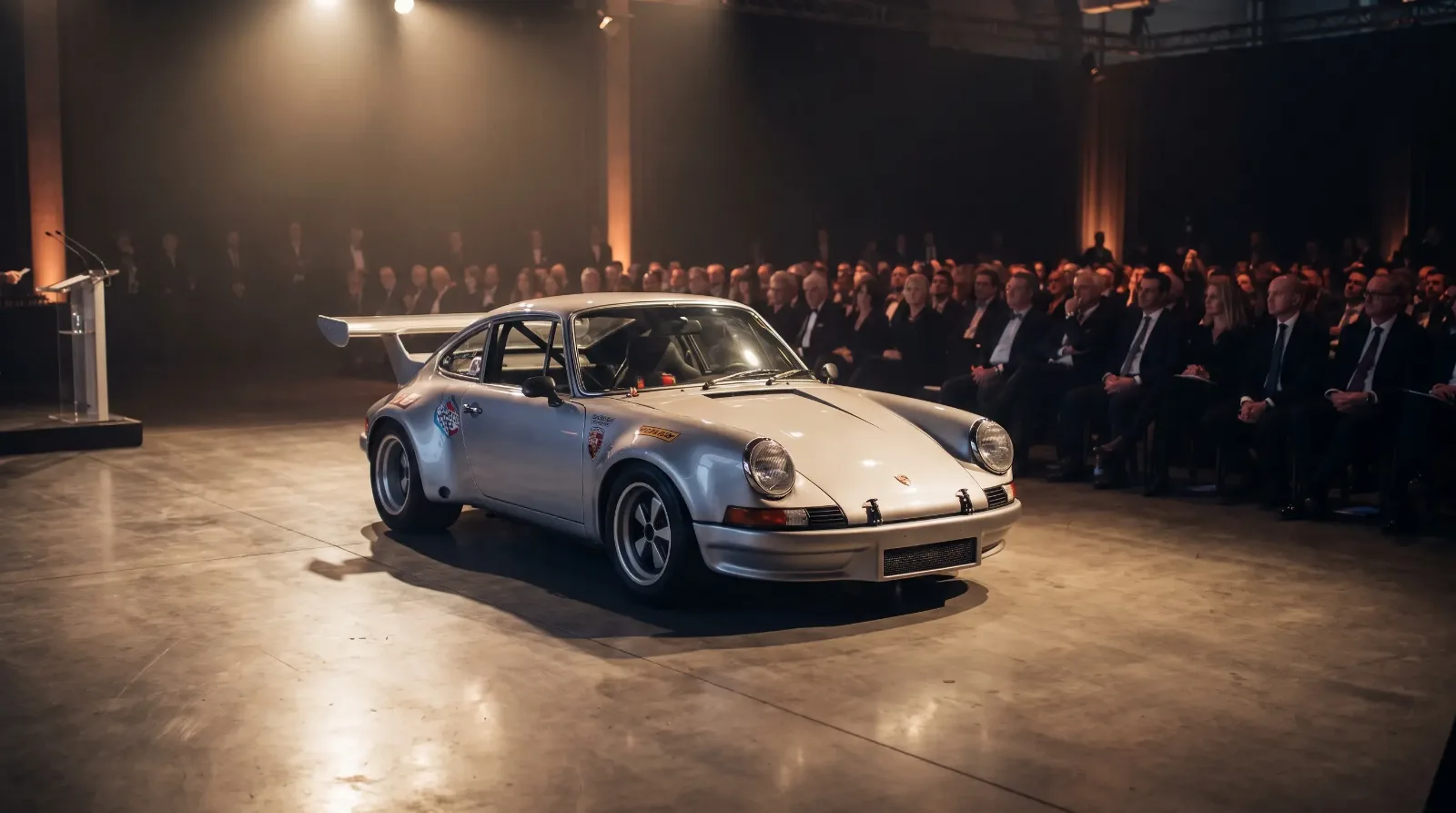
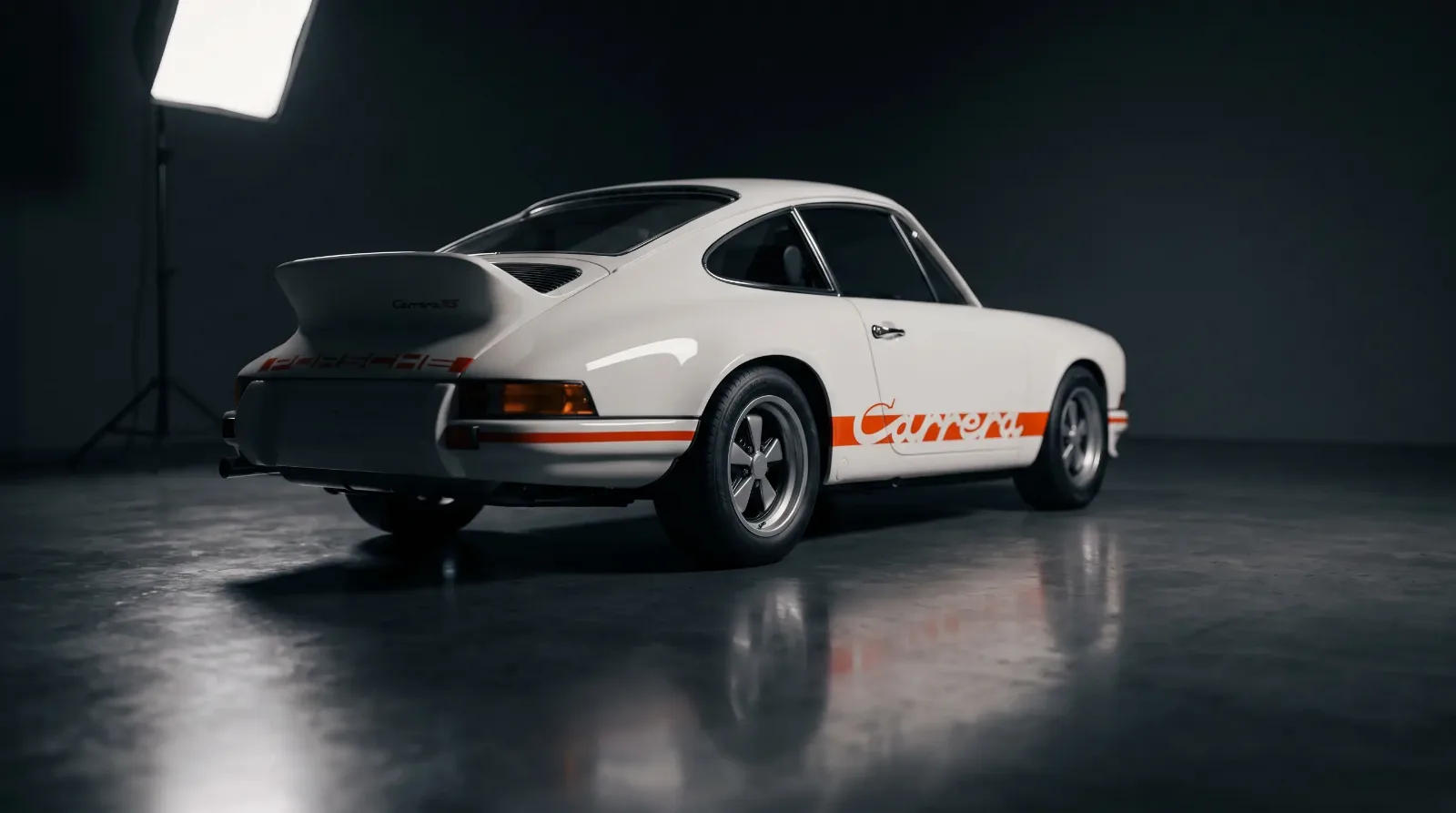
The 1973 Carrera RS 2.7 gets cited constantly as a rare 911, and in absolute terms it is not: Porsche built 1,580 examples across the Sport and Touring specifications, including 200 lightweight Sport (M471) cars and 1,308 Touring (M472) cars, with the remainder split among other variants. What is genuinely rare is the lightweight Sport version in its most stripped configuration, thin-gauge steel body panels, reduced sound deadening, and the factory's lightest specified curb weight for the model. Surviving examples of that specific configuration, unmolested and with matching numbers, are a small fraction of the total RS production, and that is where the real scarcity premium lives, not in the RS badge generally.
The 964 Turbo S Leichtbau
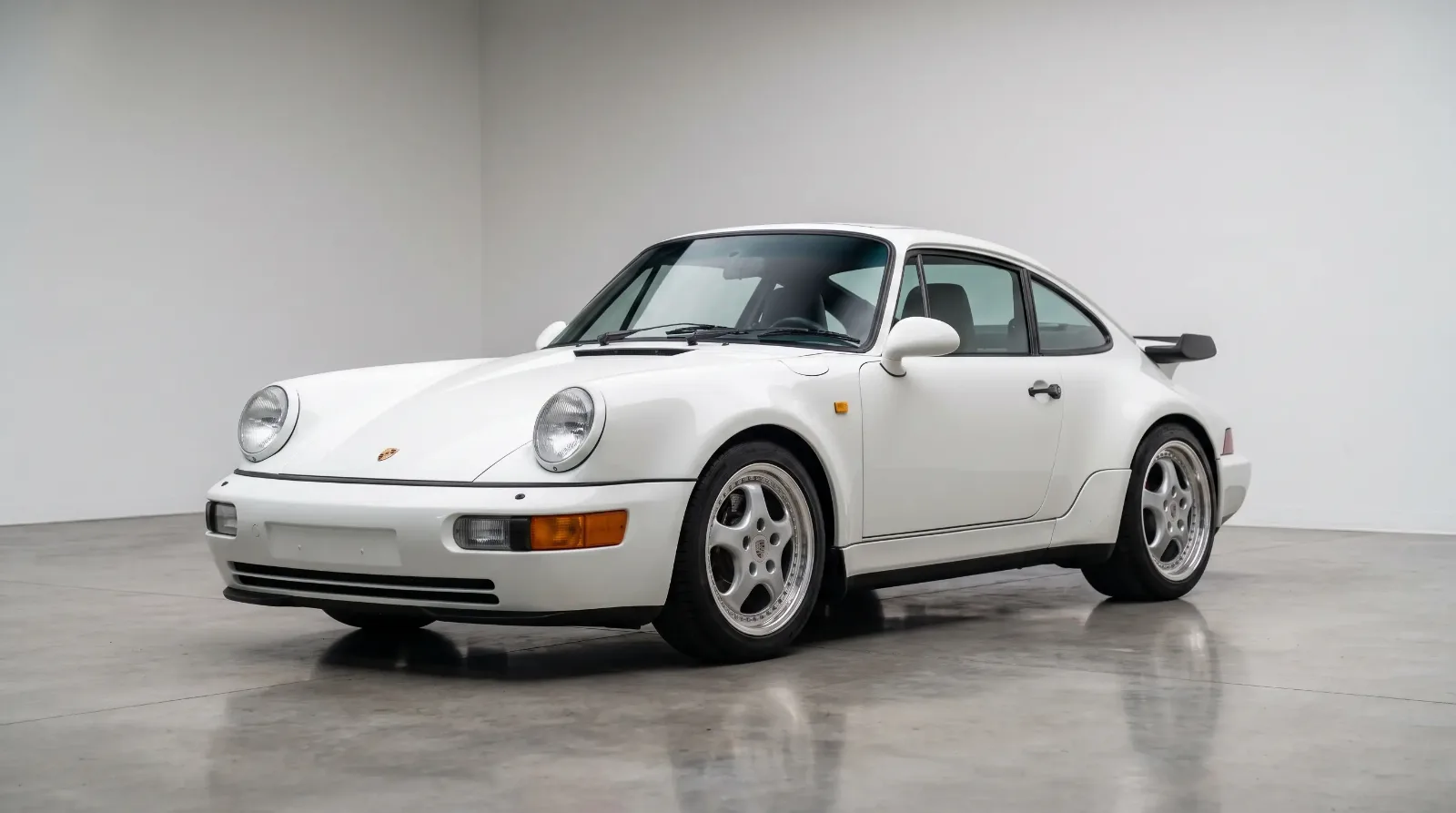
Only 86 examples of the 964 Turbo S Leichtbau left the factory, built between July and November 1992 with a stripped interior, a lighter bumper treatment, and a power bump over the standard Turbo (Porsche had originally planned a run of 80). This is one of the clearest cases of documented rarity meeting documented purpose: the car existed specifically to homologate a lighter, more powerful Turbo for competition, and the factory's own records back that reasoning up. It sits alongside the standard Turbo 3.6 as proof that a small displacement or trim change, done for a specific engineering reason, can separate two visually similar cars by a wide value gap.
The 911 Turbo 3.3 flat-nose specials
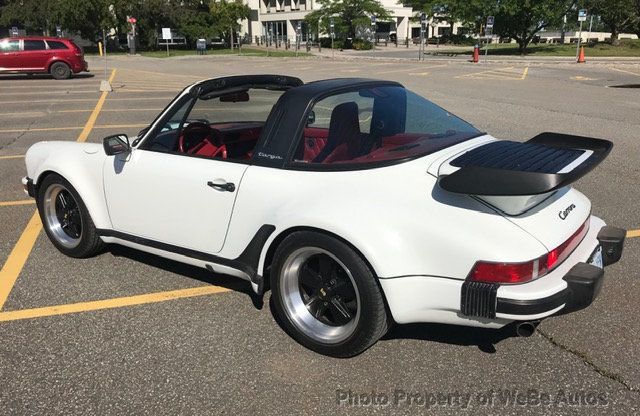
Porsche's factory flat-nose 911 Turbo, built through Sonderwunsch special order in the 1980s before it briefly became a catalog option, is rare in a different way: not because Porsche set a strict production cap, but because so few original clients requested it. The result is a car with genuine scarcity that is hard to authenticate, since flat-nose conversions were also done by outside shops on standard Turbos, and a factory original commands a substantial premium over a well-executed aftermarket copy once the difference is properly documented.
Why documented rarity beats claimed rarity every time
The 911 market has enough genuinely rare cars that buyers do not need to take a seller's word for scarcity. Ask for the specific production figure from Porsche's own records, not a rounded number repeated across enthusiast forums. Ask how the seller's claimed rarity was verified, whether through a factory certificate, a marque registry, or independent research. A car that is truly one of a documented eighty or ninety units should have no trouble producing that paperwork. A car where the rarity claim rests on "very few were made" without a source is a caution flag, not a selling point.
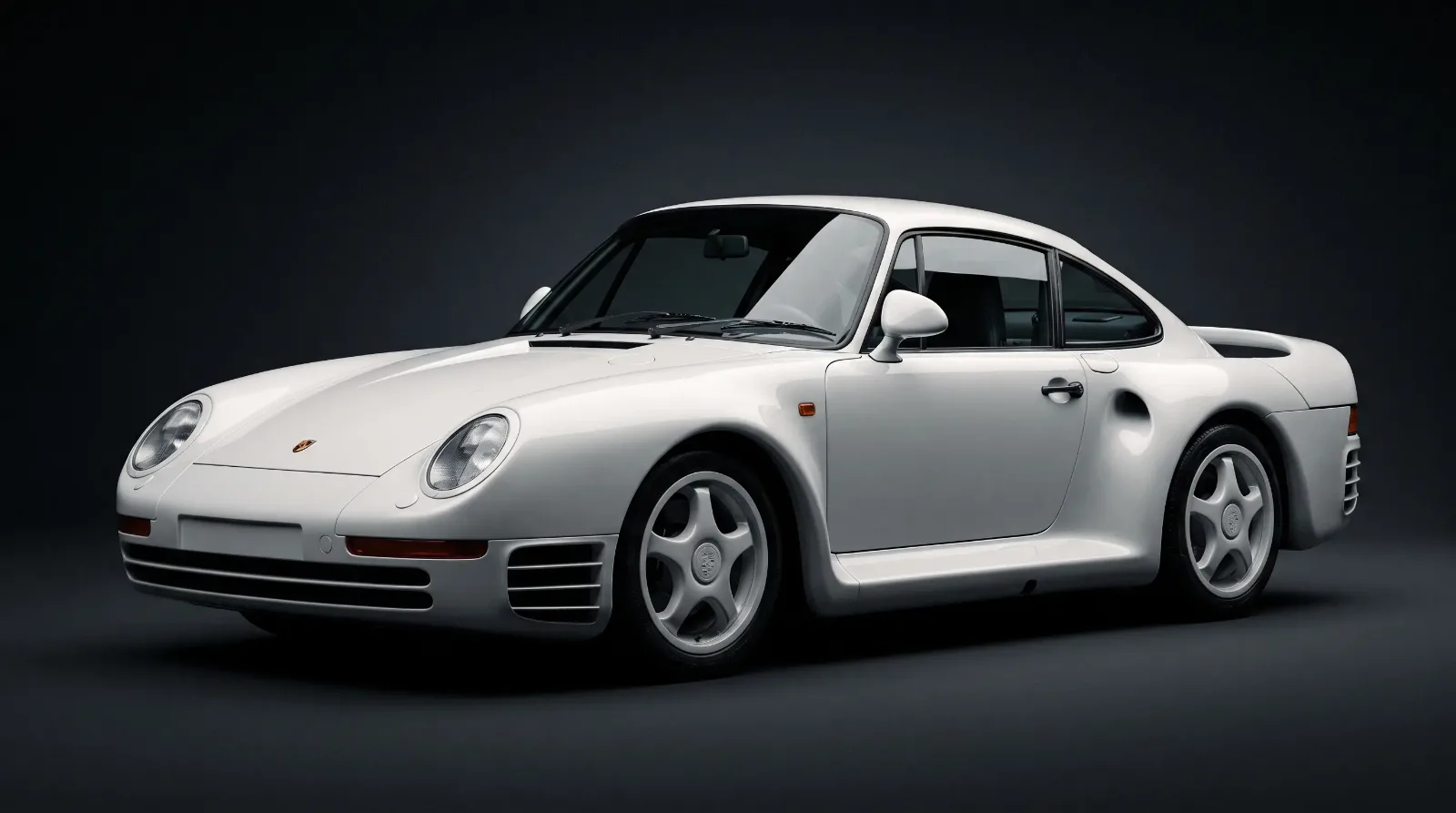
This is also where Porsche's homologation specials program overlaps with the rare 911 conversation. Several of the scarcest 911 variants exist for the same reason the 959 does, a competition rule required a minimum production run, and Porsche built exactly enough cars to qualify, no more. That engineering logic is usually the most reliable explanation for genuine rarity in this market, more reliable than any marketing claim attached decades later.
| Variant | Approx. production | Why it is genuinely rare |
|---|---|---|
| Carrera RS 2.7 Sport (lightweight spec) | 200 of 1,580 total RS build | Thin-gauge panels, minimal sound deadening, factory weight-reduction spec |
| 964 Turbo S Leichtbau | 86 units | Built specifically for competition homologation, stripped interior |
| 911 Turbo 3.3 flat-nose (factory Sonderwunsch) | No official published total | Special-order only, easily confused with aftermarket conversions |
"Rarity without documentation is just an opinion. I want a production figure I can trace to the factory, not a number repeated so many times online that people stopped questioning where it came from."
— Marcus Feld
Condition and originality matter more here than anywhere else
With a standard 911, a repaint or a re-trimmed interior is a condition issue that affects price at the margins. With a genuinely rare variant, the same work can affect whether the car is still considered original at all. A Carrera RS lightweight body panel replaced with standard-gauge steel during a past repair, or a Turbo flat-nose bumper swapped for a later reproduction, quietly moves the car out of its rarest category even if nobody discloses it at the time of sale. Buyers need to inspect these specific details, not just the overall condition, because the rarity claim can survive a bad respray but not a substituted structural component.
This is where an independent, marque-specific inspection earns its cost many times over. A generalist mechanic can confirm a 911 runs well. Only a specialist who has handled multiple examples of the specific variant in question can confirm the lightweight panels, the interior deletions, or the flat-nose components are original to that chassis rather than added or substituted later.
What this means for buyers hunting a genuine rarity
Treat any of these variants as a research project first and a purchase second. Independent verification of the chassis against factory records matters more with these cars than with any standard production 911, because the entire value case rests on the car actually being what it claims to be. For readers who want the deeper mechanical story behind one of these variants specifically, a companion piece covers the Leichtbau in full. For the broader arc of how the marque built its reputation for engineering-driven scarcity, Porsche's full origin story is worth the read.
If you are shopping this segment now rather than just researching it, current listings of exotic classic Porsches for sale are the practical next step, though the same rule applies there as everywhere else in this category: verify the documentation before you fall for the story.
Sources and notes
- Porsche Knowledge: Porsche 911 Carrera RS 2.7 Touring (M472)
- RM Sotheby's: 1973 Porsche 911 Carrera RS 2.7 Lightweight
- Stuttcars: Porsche 911 Carrera RS 2.7 Lightweight (1973)
- Elferspot: Porsche 964 Turbo S Lightweight, the wildest Turbo of them all
- Bonhams: 1993 Porsche 964 Turbo S Leichtbau
- Wikipedia: Porsche 911 (964)