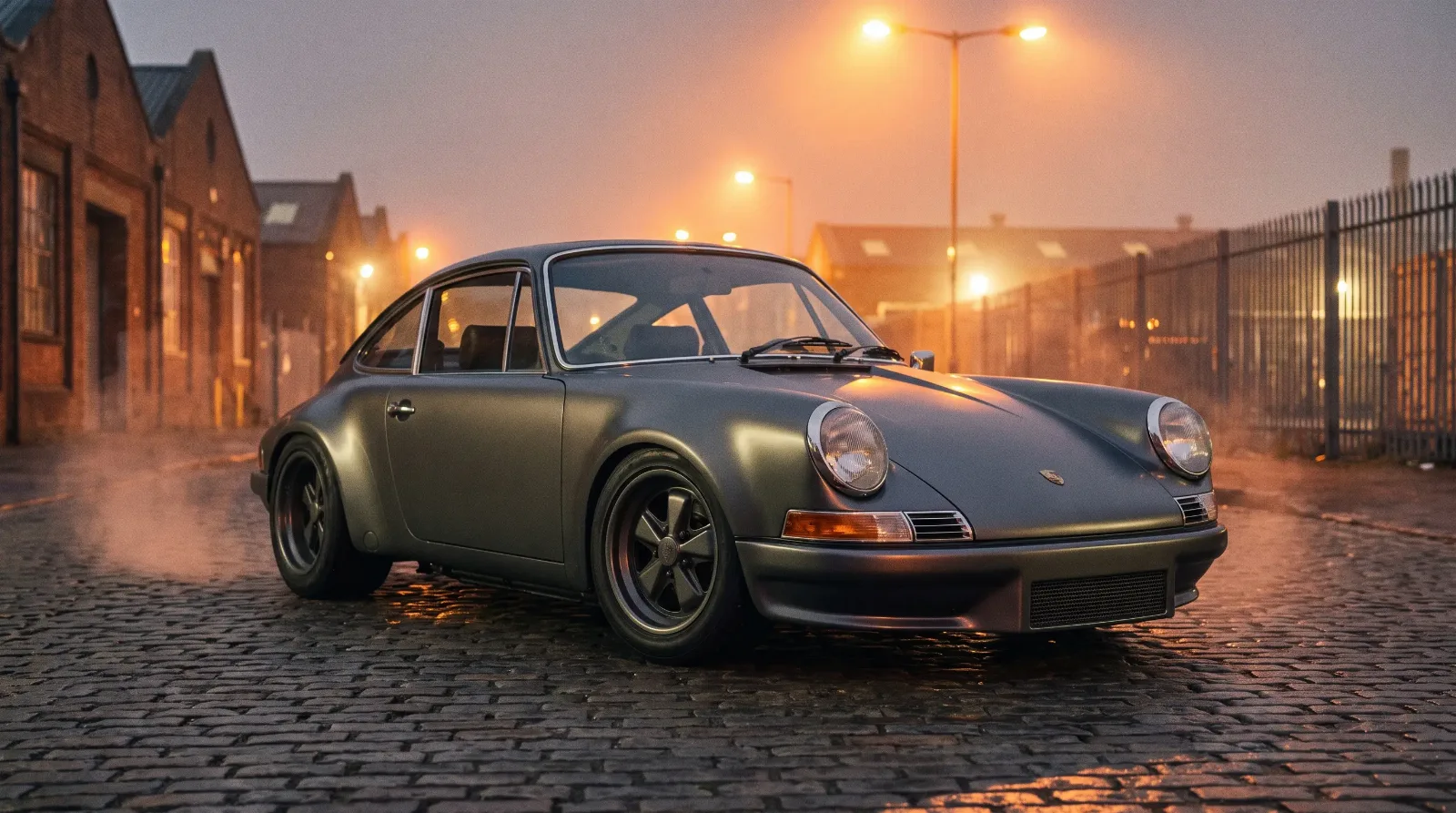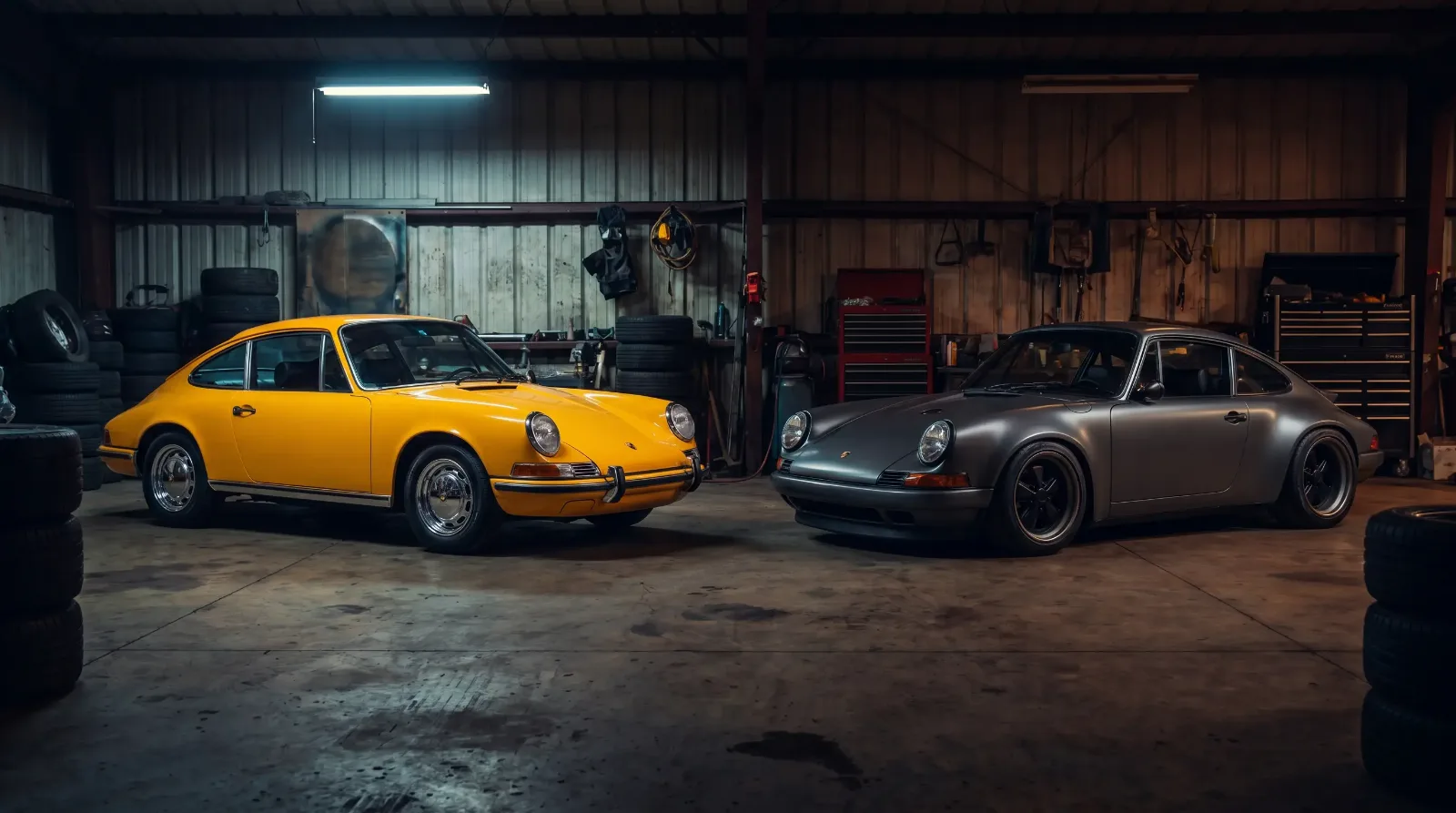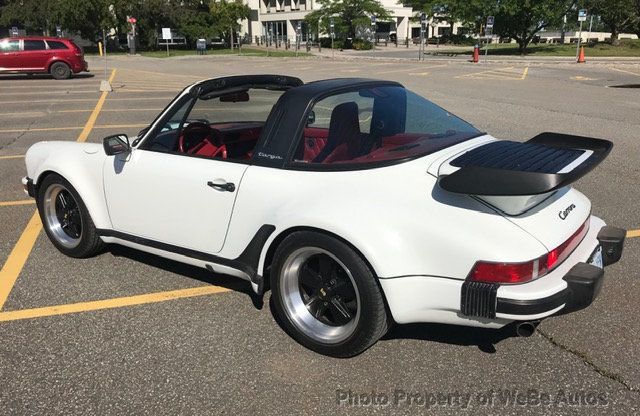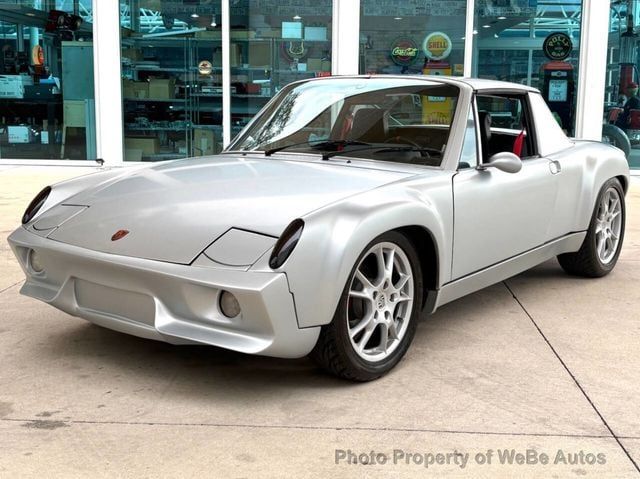
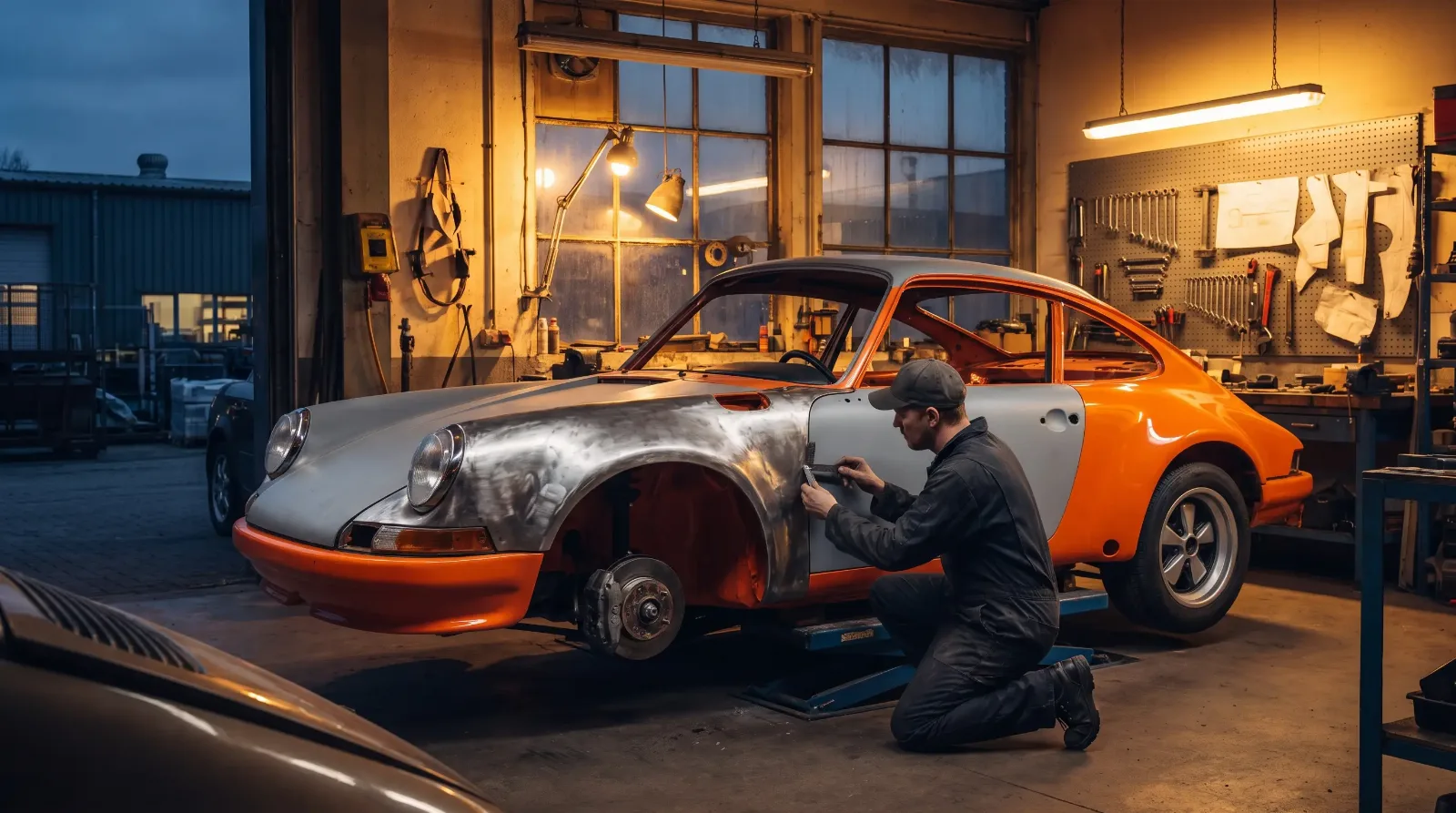
Backdating a Porsche 911 means taking a later car, usually an impact-bumper model from the mid-1970s through the 1980s, and reworking the body to wear the long-hood look of the 1963 to 1973 cars. I've had this argument in my shop more times than I can count, and I'll say it here the same way I say it there: done right, backdating isn't fakery. It's bodywork as craft, and it takes more skill than most people building a numbers-matching restoration ever have to touch.
Why anyone bothers in the first place
Original long-hood 911s, the pre-1974 cars with the slim chrome bumpers and the low, uninterrupted nose, have gotten expensive. Really expensive. A clean early 911S or 2.4 can run well past what a lot of enthusiasts are willing or able to spend, and the good ones keep getting harder to find in unmolested condition. Meanwhile there are plenty of later impact-bumper cars sitting around with solid mechanical bones and none of the collector premium attached to them.
Backdating bridges that gap. You take a mechanically sound G-body or SC, strip the later bumpers and trim, and fit long-hood-style fenders, hood, and bumpers, sometimes steel, sometimes fiberglass depending on the build's ambitions. Done properly, the result reads as an early car from ten feet away and only gives up its origin story to someone who actually knows what they're looking at underneath.
What separates a real backdate from a poseur build
Here's where I get opinionated, because this is where most of the arguments start. A real backdate respects the proportions of the original long-hood cars. The fender lines have to match up, the hood needs to sit right without gaps you could slide a shim through, and the bumper mounting has to look like it grew there instead of getting bolted on over a weekend. I've seen builds where someone slapped early-style bumpers onto a car without touching the fender contours underneath, and it looks exactly like what it is: a costume, not a conversion.
The good shops treat this as a full bodywork discipline. That means metal work, not just panel swaps. Fender flares get massaged into the quarter panels instead of riveted on top. Panel gaps get checked and rechecked. The paint has to flow across old and new metal without a single visible seam, which means blocking and priming the way the old masters did it before anybody had a computer telling them where the high spots were.
"Anybody can bolt on a different bumper. Making the whole car look like it was born that way, that's the actual job, and it's the part people skip when they're chasing a quick look instead of a real build."
— Jim Vasquez
The DP Motorsport lineage
This whole style traces back further than most people realize. Ekkehard Zimmermann founded DP Motorsport in 1973 and was reworking 911 bodywork with spoiler and styling modifications from the mid-1970s, then moved into full wide-body conversions by the early 1980s, well before backdating had a name people used casually. Their cars established a lot of the visual vocabulary that later builders leaned on, from flared fenders to aggressive stances that reworked the factory silhouette without pretending to be something the factory built.
That lineage matters because it shows this isn't some recent trend invented to flip cars for a profit. Shops have been reshaping 911 bodywork for decades, chasing a specific look and a specific feel, long before backdating became a term people threw around on forums. The builders doing it well today are working in a tradition, not inventing one from scratch.
What it costs and what you actually get
A serious backdate isn't a budget shortcut to an early 911 look. Quality metal work, correct-profile fenders, paint blocked to hide every seam, and reworked bumper mounts add up fast, sometimes rivaling a big chunk of what a rough original long-hood car would cost to buy outright. What you're paying for is a car that starts from a mechanically sorted, often more reliable later chassis, married to the styling most people actually want to look at.
This is really another angle on the same car that keeps splitting the Porsche world into camps. Some people want the factory's original intent preserved down to the last fastener. Others want a car that looks the way they wish the factory had built it, and they're willing to pay a serious craftsman to make that happen. Neither position is wrong, they're just different reasons to love the same shape.
Where this fits in the bigger picture
Backdating is one branch of a much wider habit Porsche owners have had since the 1970s, taking a factory car and reshaping it into something more personal. It sits alongside the outlaw movement and the restomod scene as another way people express what they think the 911 should look and feel like, and how rebels reinvented the Porsche covers that broader rebellion in more depth.
If you want the fuller picture of how this platform got to a place where owners feel entitled to reshape it this dramatically, the classic Porsche story lays out where the 911 came from before any of these subcultures existed. Backdating only makes sense once you understand how much reverence, and how much rebellion, this car has earned over sixty years.
One more thing worth saying plainly. Backdating isn't a shortcut for someone trying to pass a car off as something it isn't at sale time. Reputable builders and reputable sellers disclose exactly what a car is, a later chassis reworked to wear early styling, and the honest ones are proud to explain the process rather than hide it. The market has gotten sophisticated enough that buyers ask the right questions now, checking chassis tags and engine numbers against the styling before they ever talk price. That transparency is good for the whole scene. It keeps the craft honest and it keeps the con artists out, which matters in a hobby where a convincing paint job can fool a casual eye but never fools a chassis number.
Sources and notes
- Hagerty: Two years that changed cars forever, 1974 bumpers and 75 smog
- dp motorsport E. Zimmermann GmbH: company history
- Petrolicious: A visit to the DP Motorsport headquarters
- Classic & Sports Car: US bumper wars, winners and losers
- Wikipedia: Porsche 911 (G-series/930)
- Supercars.net: Porsche 911 G-Series guide