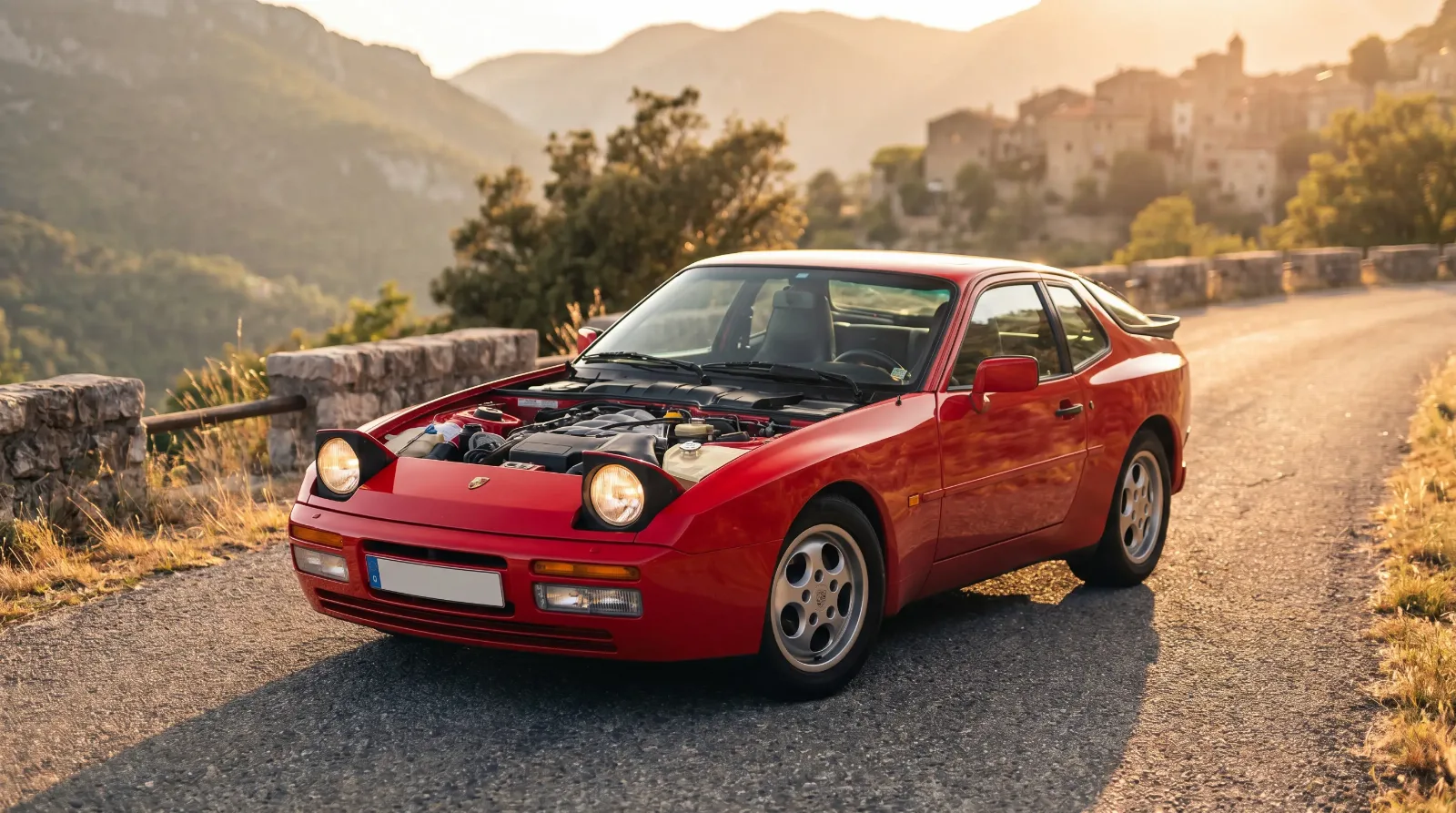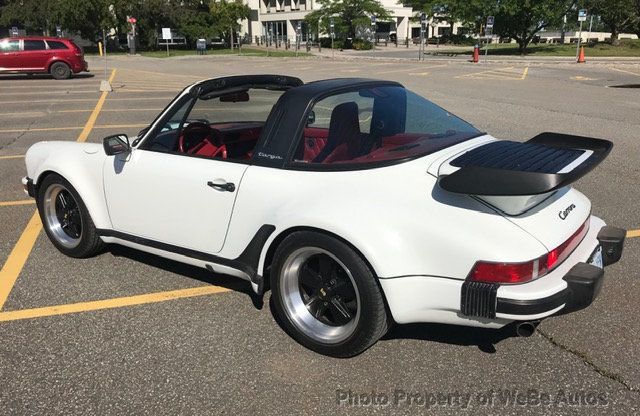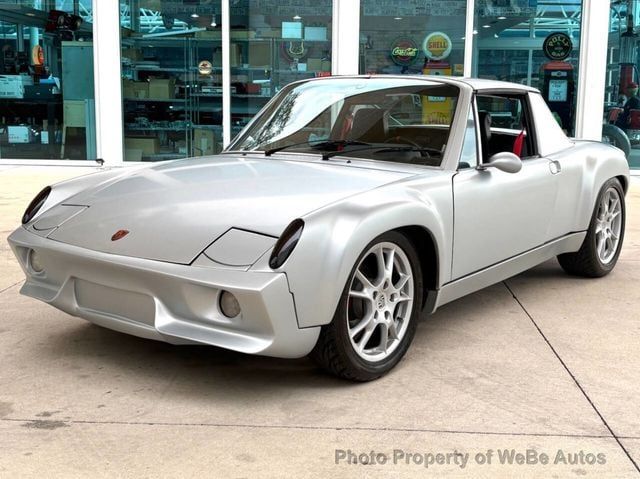
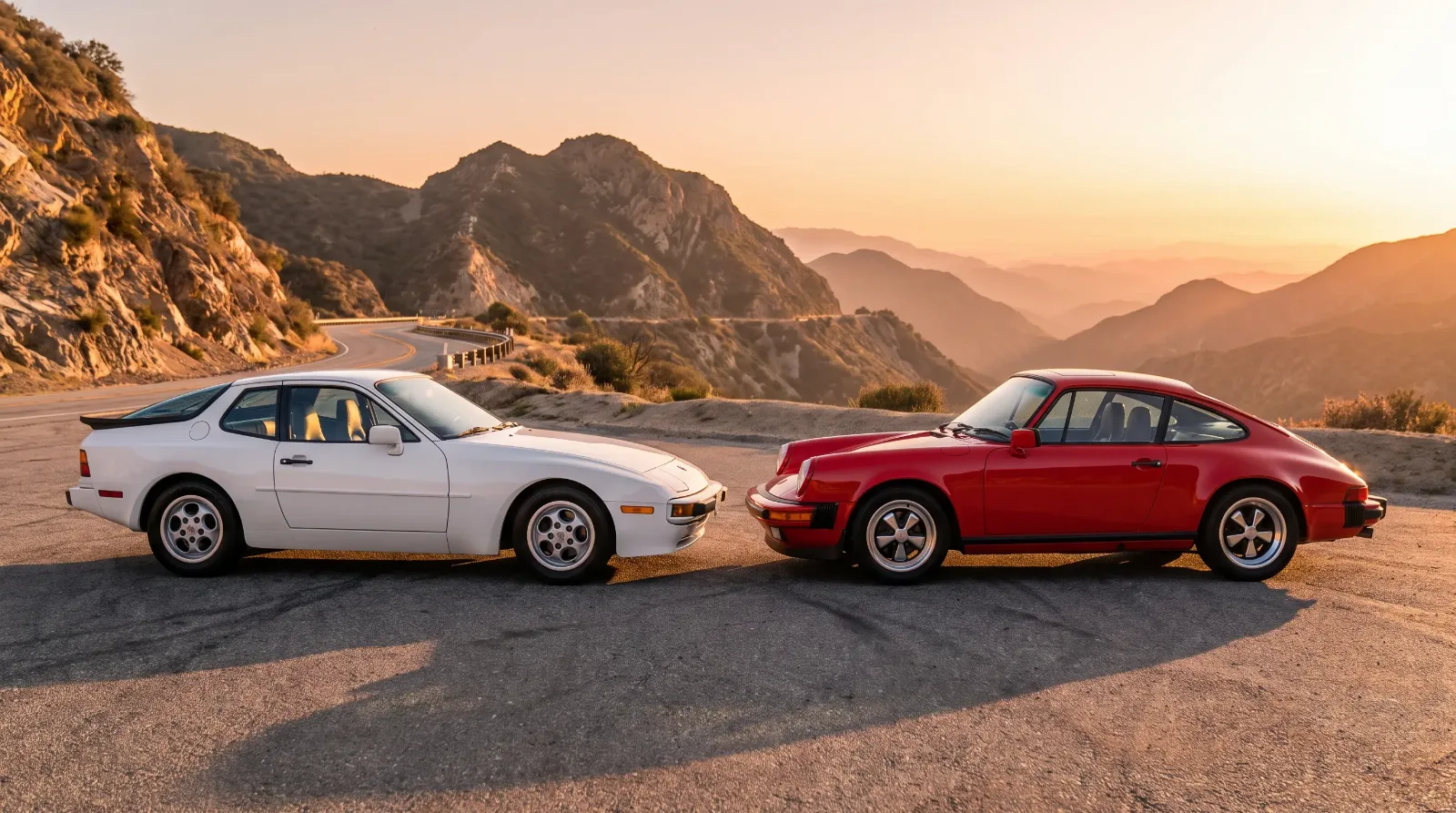
Transaxle porsche vs 911 arguments have been running since the 924 showed up in 1976, and forty-plus years later people still repeat the same tired line: it's not a real Porsche. Fine. Let's use numbers instead of feelings and see how that claim holds up.
The snobbery, stated plainly
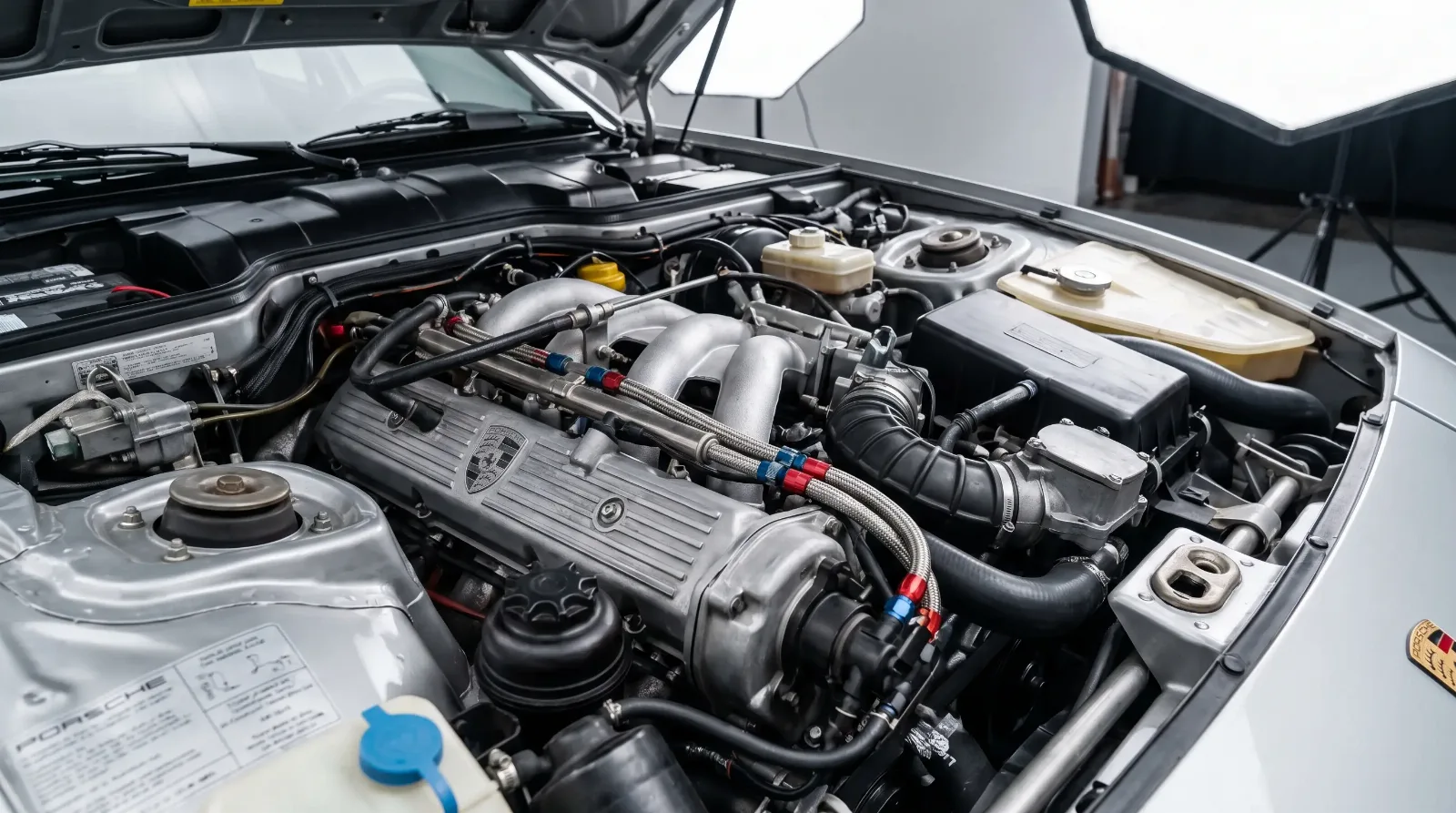
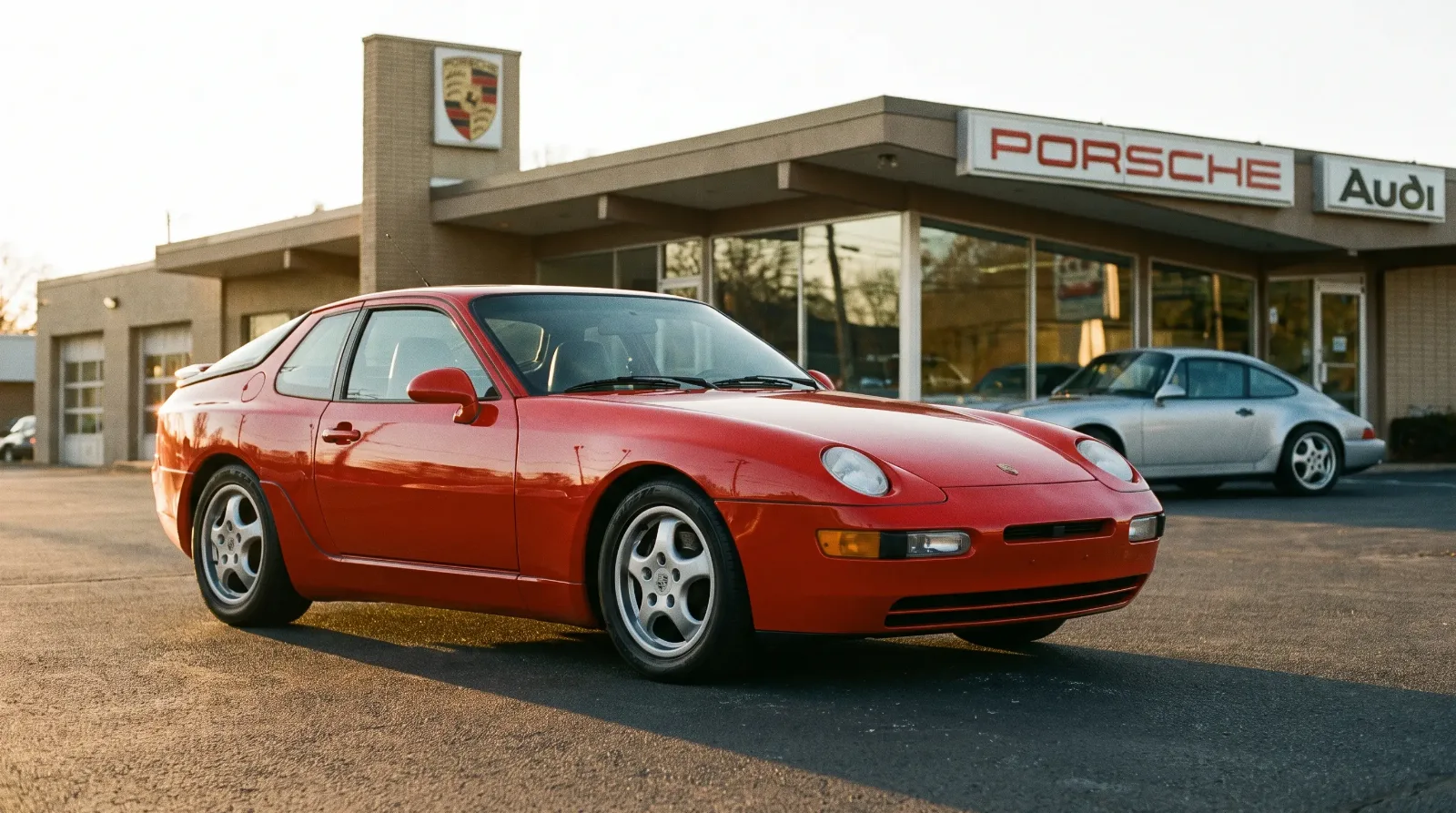
The complaint is simple. The 911 has the flat-six in the back, the shape everyone recognizes, the racing lineage that goes back to the start. The 924, 944, and 968 have a front-mounted engine, a transaxle out back for weight balance, and for a long stretch a four-cylinder where the purists wanted six. To some people that is disqualifying on its face, no further discussion needed.
I don't argue feelings. I argue results. And the results do not back up dismissing an entire platform because the engine sits in a different spot than the one everybody already likes.
Here's the part that gets skipped every time this argument comes up at a meet. Porsche did not build the transaxle cars as a budget afterthought bolted together to catch buyers who couldn't afford a 911. The company put real engineering resources behind the 924, then the 944, then the 968, over roughly two decades of continuous development. That is not what a company does with a car it considers beneath its own badge. That is what a company does with a platform it believes in.
Weight distribution: the number the 911 crowd doesn't want to discuss
The 911's rear-engine layout is a genuinely tricky thing to drive well at the limit, and generations of Porsche engineers spent real money solving handling quirks that the layout itself created. The transaxle cars sidestepped a lot of that problem by design. Front engine, rear transaxle, close to a 50/50 front-rear weight split. That is not a compromise. That is the textbook answer to a problem the 911 has spent decades managing rather than eliminating.
A 944 in stock trim handles more neutrally, with less of the lift-throttle snap that catches out inexperienced 911 drivers, than a comparable-era 911 does. That is not my opinion. That is what happens when you put the mass where physics wants it instead of where the original 1963 packaging put it and every generation since has had to work around.
Track day instructors know this even if the cars-and-coffee crowd doesn't want to hear it. Put a nervous first-timer in a stock 911 and a stock 944 on the same skidpad and the 944 forgives more mistakes. That is not an insult to the 911, it is just what a more neutral weight balance does for a driver who has not yet learned to manage a rear-heavy car at the limit. The 911 rewards mastery. The transaxle cars are more forgiving while you're building it.
| Trait | Transaxle cars (924/944/968) | 911 (air-cooled era) |
|---|---|---|
| Engine layout | Front-mounted, transaxle rear | Rear-mounted flat-six |
| Weight balance | Close to 50/50 | Rear-biased |
| Entry-level price (period) | Lower | Higher |
| Cylinder count (base cars) | 4 (924/944), 4 (968) | 6 |
Where the 911 actually wins, no argument
I'm not going to sit here and pretend the transaxle cars beat the 911 everywhere. The flat-six sound is a real thing worth paying for, and it's not replicable with a four-cylinder no matter how well-balanced the chassis underneath is. Resale value and collector recognition also favor the 911 by a wide margin, and that gap is not closing anytime soon. If your priority is maximum long-term appreciation, the 911 wins that argument outright and anyone telling you otherwise is selling you something.
But "which car appreciates faster" and "which car is a lesser Porsche" are two completely different questions, and people conflate them constantly. The transaxle cars lose the first argument. They do not lose the second one, and treating them as though they do is exactly the snobbery this whole piece is about.
Money follows mythology more than it follows engineering merit, and that is true across the entire collector car market, not just Porsche. It doesn't make the mythology correct. It just makes it profitable for whoever got in early on the side the market already favors.
"Ask a snob to actually drive a well-sorted 944 back to back with a base 911 of the same year and watch how fast the conversation changes. Nobody argues with a stopwatch."
— Dan Reeves
What this means for your money
If you're buying with your ears and your heart, buy the 911, no shame in that, that is a legitimate reason to buy a car. If you're buying with a spreadsheet, the transaxle cars get you more sorted handling, lower entry cost, and a driving experience that rewards a smoother style rather than punishing an aggressive one, all for a fraction of the money. I covered the full lineage of how these cars developed in the transaxle chapter, and if you want the origin story specifically, including the Volkswagen connection that fuels half the snobbery in the first place, more from this chapter gets into where the 924 actually came from.
The snobbery survives because it is easier to repeat than to test. Put both cars on the same road, same conditions, same driver, and the gap people talk about shrinks a lot faster than the price gap does.
The actual verdict
Transaxle porsche vs 911 is not a contest with one obvious winner, whatever the loudest voice at a cars-and-coffee meet wants you to believe. The 911 wins on mythology, sound, and resale. The transaxle cars win on balance, value, and a driving experience that a lot of buyers would prefer if they gave it a fair shot instead of a dismissive glance. Buy the one that matches what you actually want from a Saturday morning drive, not the one that wins an argument at a parking lot.