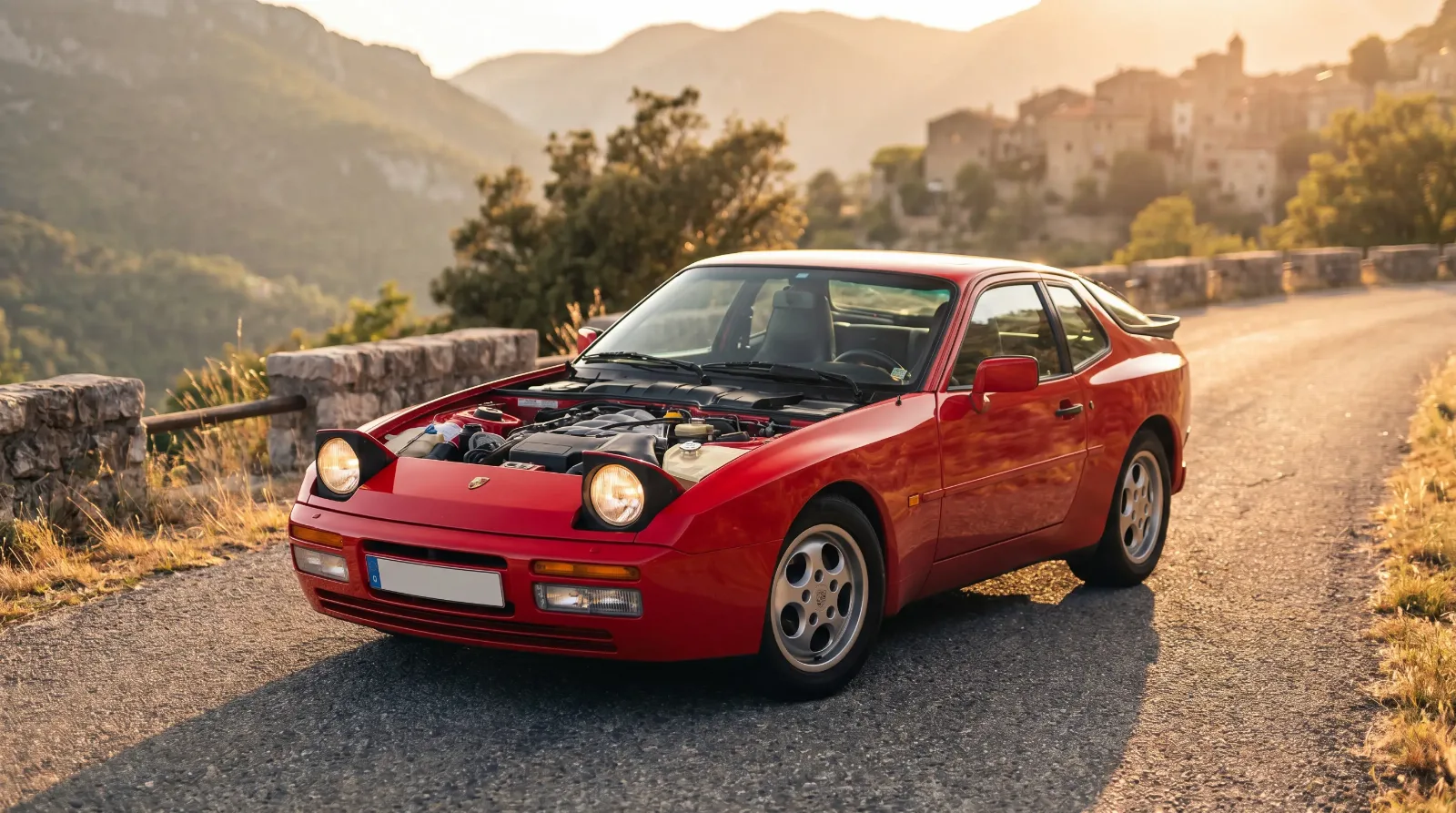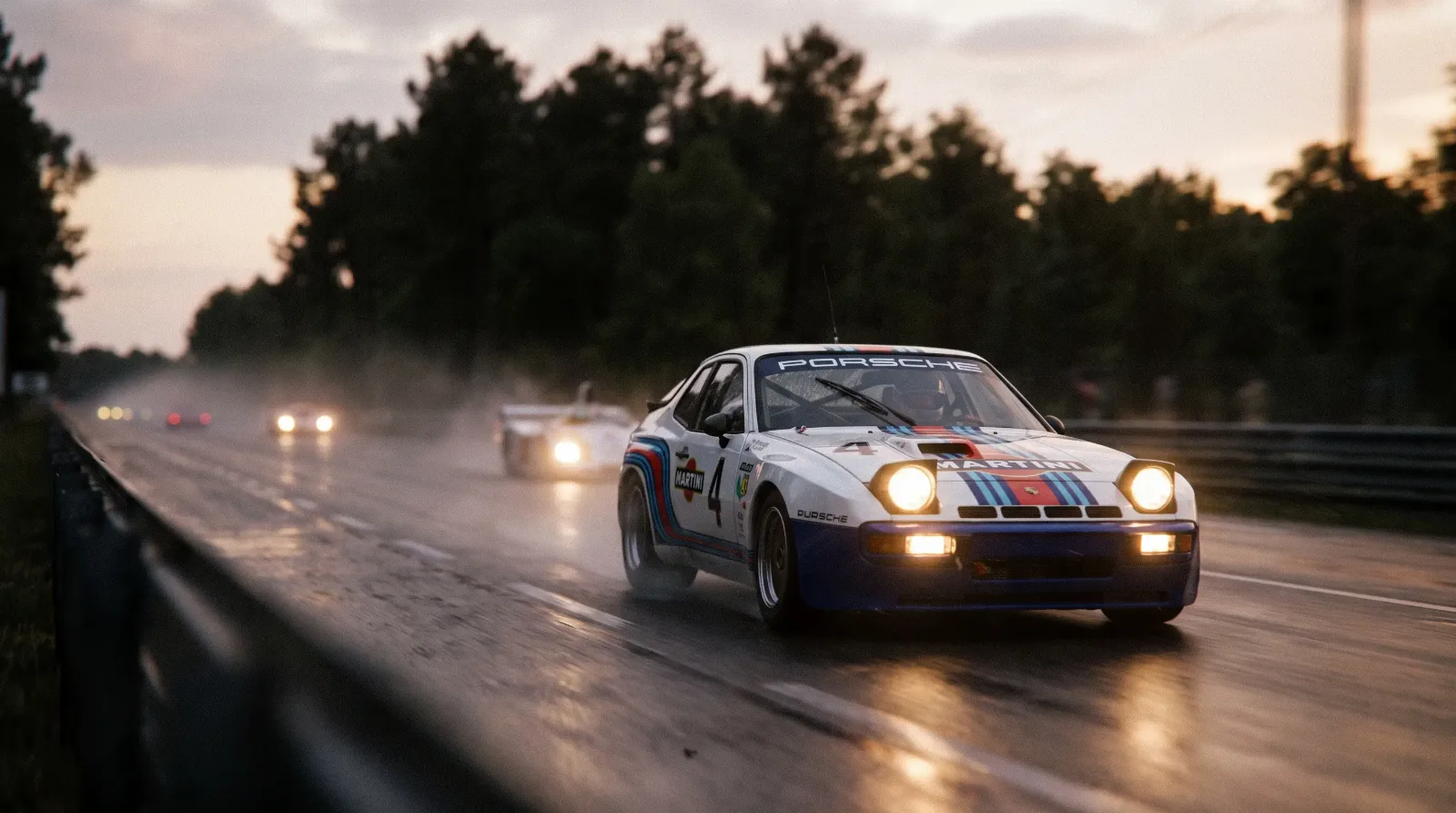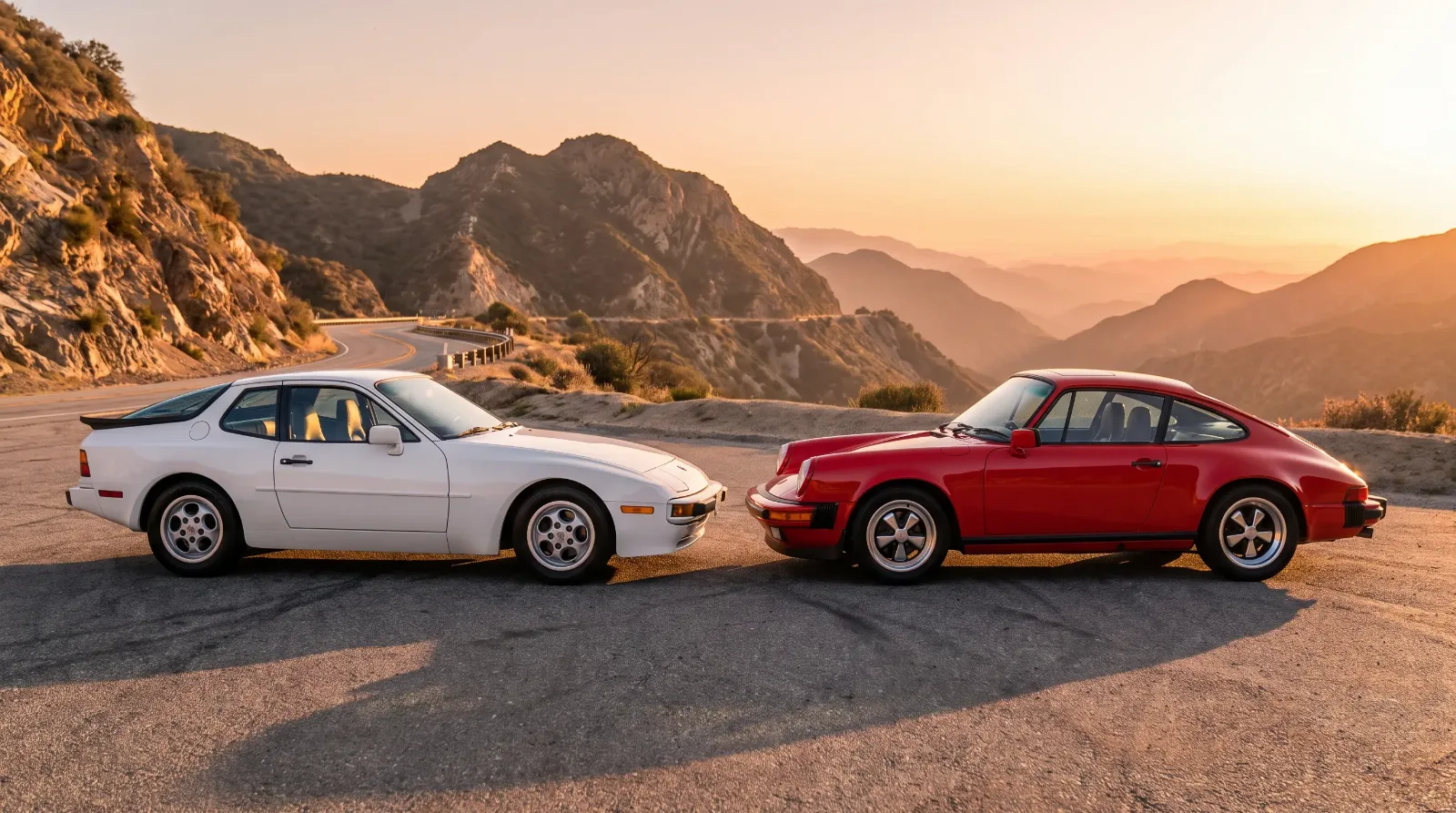
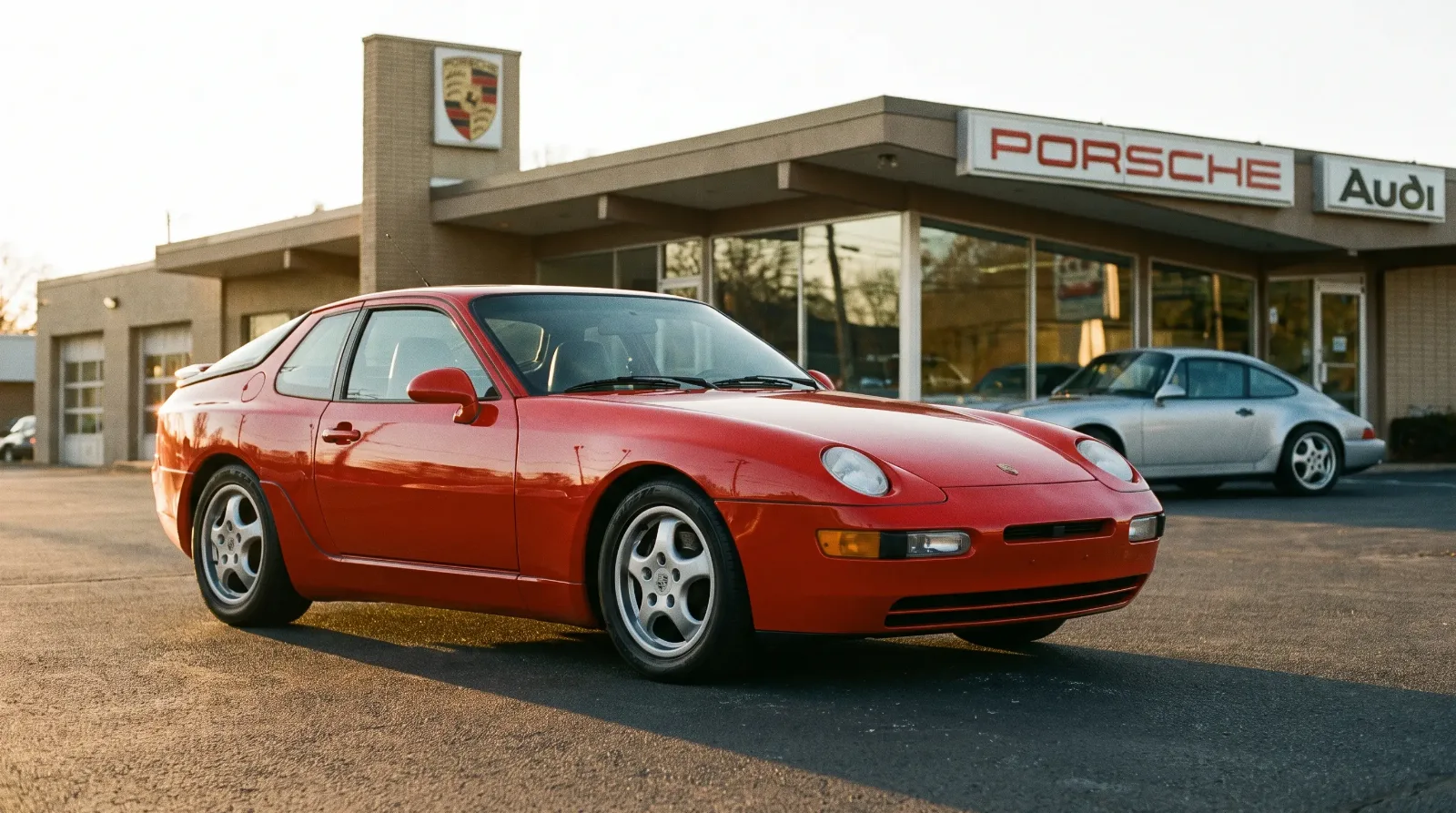
The Porsche 968 vs 944 conversation always ends the same way in my shop: the 968 is the better car and it still failed. Wrong car, wrong time, wrong price. That is not a hot take, that is what the sales numbers say. Good engineering does not save you from bad timing.
What Porsche actually fixed
Give credit where it's due. The 968 got a bigger, smoother four-cylinder, a proper six-speed manual, better brakes, and a stiffer chassis than the 944 it replaced. The engine was a genuine improvement, more torque, better refinement, less of the buzzy four-cylinder feel that made some buyers cross-shop a six-cylinder competitor instead. If you drove a late 944 S2 back to back with a 968, you'd notice the difference in the first mile. Porsche did the engineering homework here. Nobody who has actually wrenched on both cars argues otherwise.
None of that mattered to the checkbook. The 968 launched in the United States in 1992 at just under $40,000, close enough to a base 911 that the math stopped making sense for a lot of buyers. Why pay nearly six-cylinder money for a four-cylinder car with a badge people still snickered at?
I remember guys walking my lot back then doing exactly that math out loud. A few grand more got them a car with two extra cylinders and none of the "why didn't you just buy the real Porsche" comments at the cruise night. That conversation happened over and over, and it happened because Porsche's own pricing department handed the 911 that argument on a silver platter.
The pricing problem nobody could engineer around
I've sold cars off my lot for twenty-some years and price gaps like that one always punish the cheaper car, not the more expensive one. Buyers stretch for the badge with more prestige if the gap is small enough to justify with a loan calculator. Porsche narrowed the gap between the 968 and the 911 right when the 911 itself, the 964 and then the 993, was becoming a genuinely better daily driver than earlier air-cooled cars had been. That is the worst possible moment to ask someone to settle for the four-cylinder car.
Add in a recession-battered early '90s sports car market and you get a car that was mechanically sound and commercially dead on arrival. Porsche pulled it after a short run, and the writing was on the wall well before that.
Dealers felt it firsthand. A 968 sitting on the showroom floor next to a used 911 of similar vintage did not move, because the buyer walking in the door had already decided prestige mattered more than an extra gear or a smoother engine. I've watched that exact scenario play out with other cars too. When a manufacturer prices its "lesser" model too close to the flagship, customers do not reward the lesser model for being well engineered. They just buy the flagship, or they wait and buy something cheaper from a different brand entirely.
| Factor | 944 (late model) | 968 |
|---|---|---|
| Engine | 3.0L I4, S2 | 3.0L I4, refined |
| Transmission | 5-speed manual | 6-speed manual |
| Launch price gap to 911 | Wider | Narrower (968 launched near $40,000, close to a base 911) |
| Sales run | Longer production run | Short production run |
What this means for buyers today
Short production runs cut both ways in the used market. Fewer 968s means fewer good ones to choose from, but it also means less parts commonality with more common Porsches once you get past the shared panels, and that hits your wallet at service time. I tell customers the same thing every time: buy a 968 for how it drives, not because you think scarcity alone will make it valuable. Scarcity without demand is just a car nobody wants to buy from you later either.
Do the math on the transmission and clutch before you buy. The six-speed is a strong unit but it is not cheap to service, and a slipping clutch on a 968 costs more in labor than most buyers expect walking in. Check the timing belt and balance shaft belt service history too. Skipped intervals on either one turns a good driver into an expensive lesson.
Parts availability is the other quiet cost. A short production run means fewer used cars parted out over the years, which means fewer takeoff parts floating around at the salvage yard prices you'd find for a 944. Some of that gets offset by shared components, but not all of it. Budget accordingly, and do not assume "rare Porsche" automatically means "cheap to fix." Usually it means the opposite.
"I've had guys bring me a 968 convinced they bought a hidden gem. Half the time they did. The other half they bought a parts problem with a nicer badge than a 944."
— Mike Sullivan
Doomed by timing, not by design
The 968 is proof that a better car does not automatically win. It was doomed by a price umbrella that Porsche itself set too close to the 911, at a moment when the 911 had never looked like a smarter buy. If you want the full story of how this whole front-engine family got here, the transaxle chapter covers where the 968 fits in the broader lineage, and the next story in this set gets into the snobbery angle directly. For the wider arc these transaxle cars sit inside, our Porsche retrospective is worth a read too.
Buy a 968 today knowing exactly what you're getting: the best engineered transaxle Porsche, sold into a market that had already made up its mind before the car showed up.