
The phrase "power everything" was a boast before it was a checkbox. In the golden years of American luxury the power accessories classic luxury cars carried were not conveniences so much as evidence, proof that the owner had bought the senior car and not the one a tier below. A window that rose at the touch of a switch did the same social work as a hood ornament. It announced that a machine, not a muscle, was doing the labor.
Car Features
6 min read
Power Everything: How Windows, Seats, and Locks Became Status Symbols
How power accessories in classic luxury cars, from windows to seats and locks, became status symbols and then trickled down to every car.
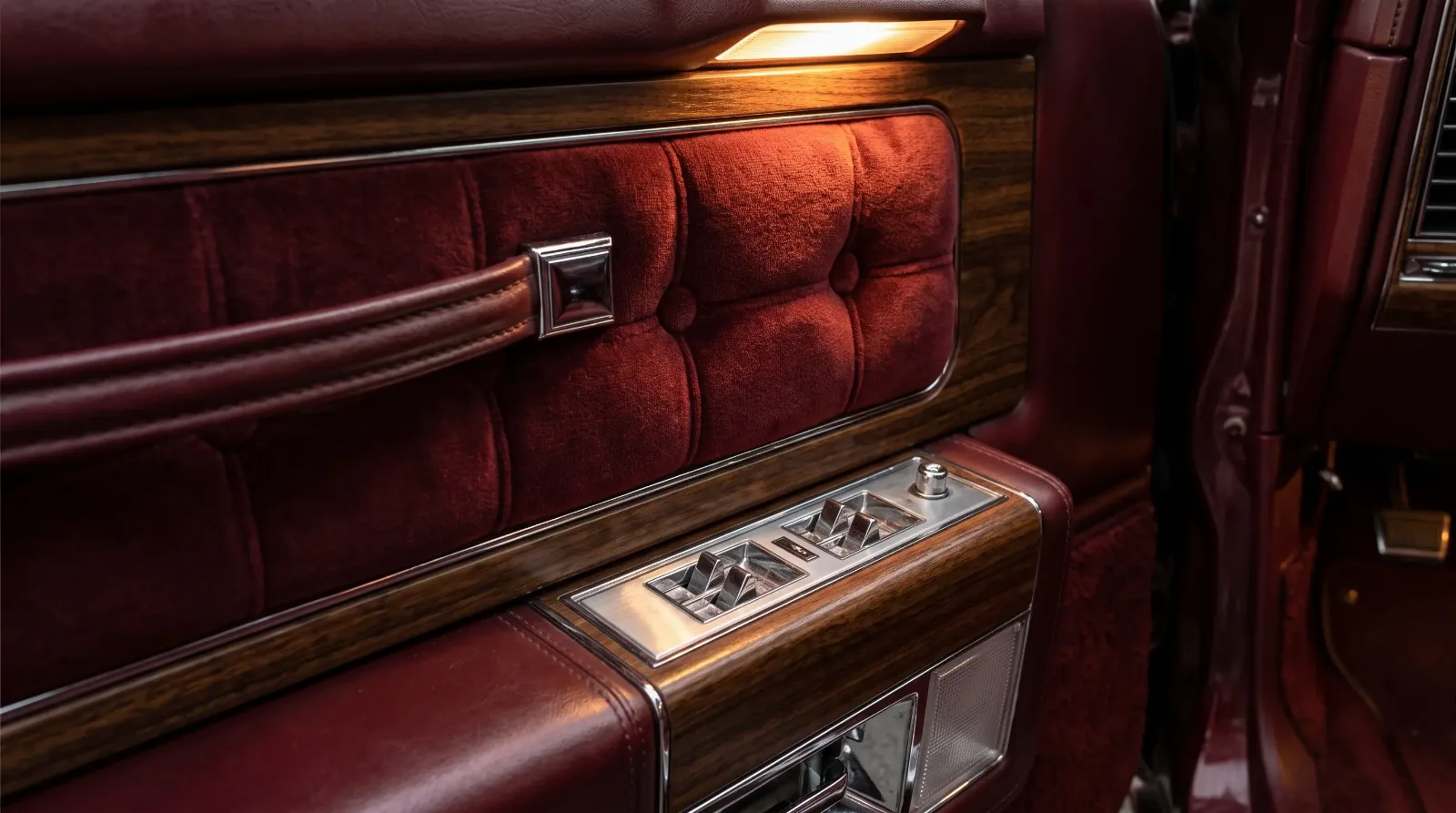
What is easy to forget now, when every economy car has power windows, is how genuinely expensive and exclusive these features once were. They arrived at the top of the range and trickled down over decades. Tracing that descent tells you a great deal about how status worked in the American car market.
Power windows, the first electric luxury
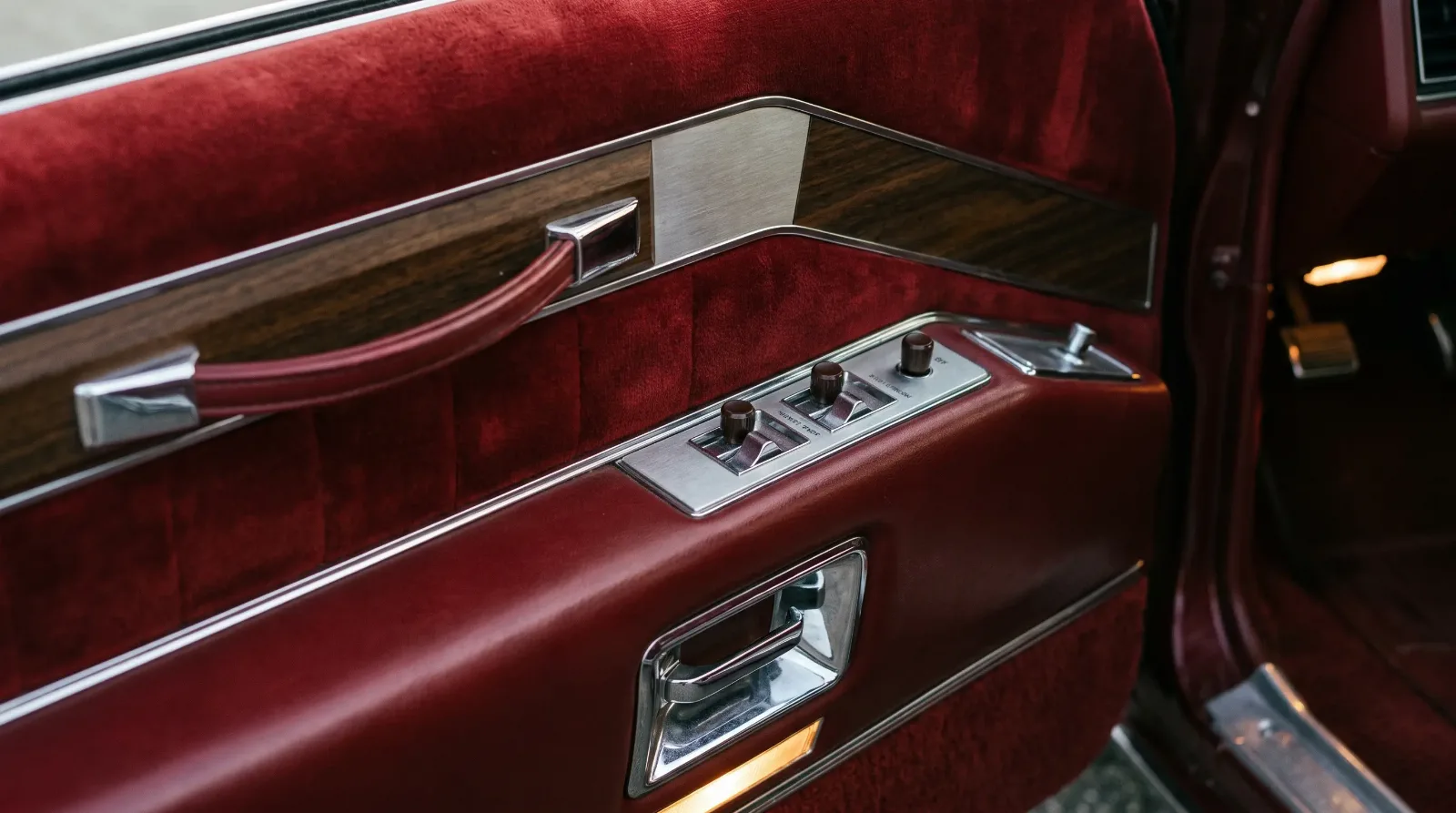
Power windows came first and mattered most as a symbol. Packard offered a hydro-electric window system around 1940 to 1941, and General Motors followed with its Hydra-Lectric system on senior convertibles in the late 1940s, operating the top and the windows through hydraulic pressure. These were not gadgets. They were complex, costly, and reserved for the flagship bodies.
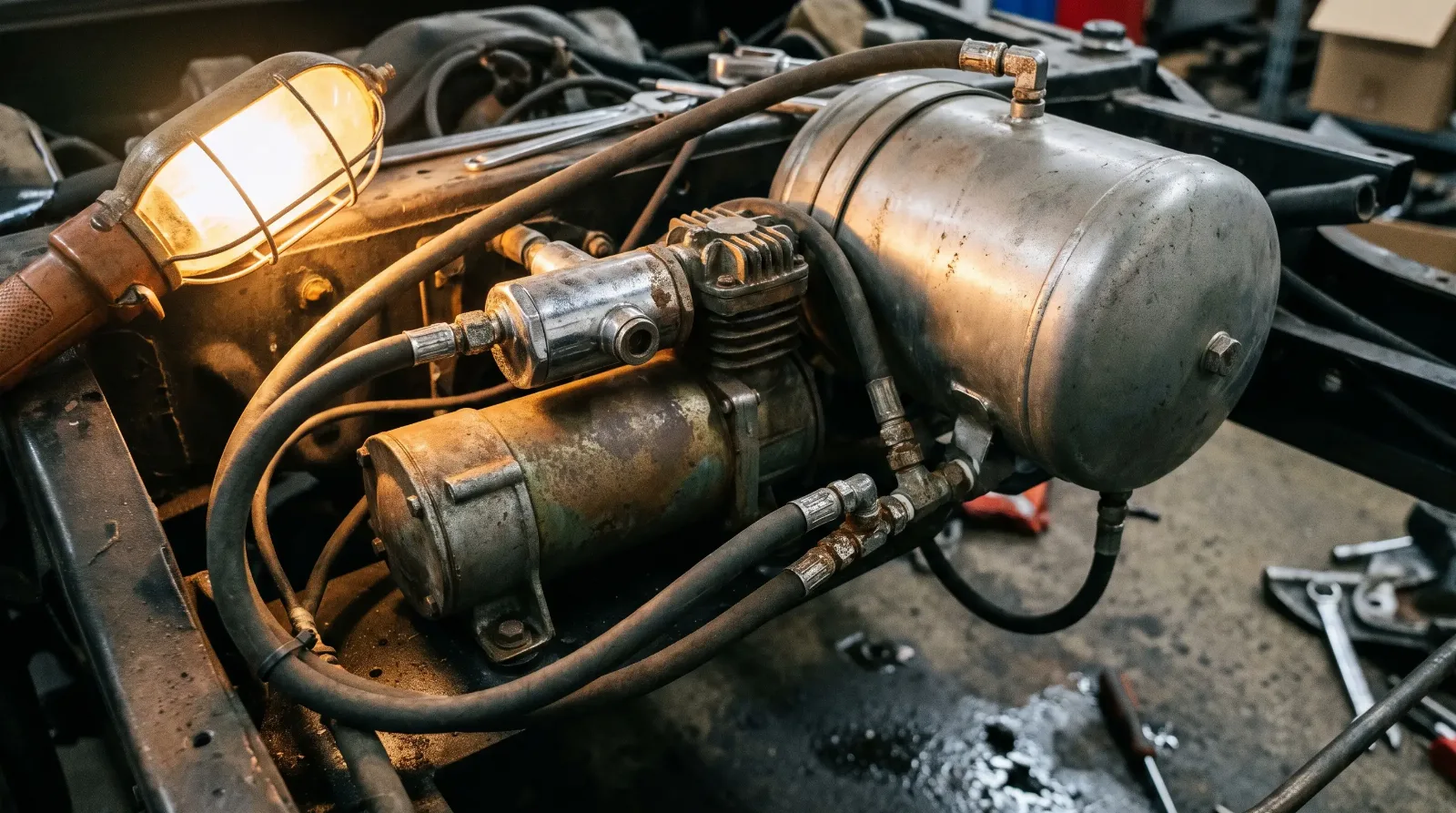
The early hydraulic systems were also temperamental, which is part of why an original working setup on a car of that period is worth noting. The switch on the door was the visible reward. The pump, lines, and cylinders hidden behind the trim were the price of admission, and that hidden complexity is exactly what made the feature a marker of the expensive car.
Power seats and the six-way promise
Power seats followed closely and sold a subtler idea: that the car adjusted to the person rather than the reverse. By the late 1940s the senior American makes offered powered seat adjustment, and the industry soon escalated the count, advertising four-way and then six-way seats as the numbers themselves became a selling point. More directions of travel meant a more important car.
The engineering was modest. The message was not. A power seat told a passenger that the owner had paid for a car that took comfort seriously enough to motorize it, and in a market where status was the product, that message justified the cost. This is the same logic that runs through the land yacht era, where visible ease was the whole point.
Power locks and the sealed cabin
Power door locks arrived a little later and completed the picture. Locking every door from the driver's seat, or later from a single switch, turned the cabin into a sealed and controlled space. Packard and the senior makes offered electric locking systems through the 1950s, and the feature carried an unspoken suggestion of security and command.
Here is a rough map of when these features reached the American luxury car and began their long trickle down the price ladder.
| Feature | Early luxury appearance | Signal it carried |
|---|---|---|
| Power windows | c. 1940-41, Packard | Complexity you could see and hear |
| Power seats | Late 1940s, senior makes | The car adjusts to you |
| Power door locks | 1950s, senior makes | Command over a sealed cabin |
"These features read as ordinary now because they won. But study an early power window system and you are looking at a genuine luxury artifact, a piece of engineering that existed first to say something about its owner and only second to raise a pane of glass."
Sarah Whitfield
Why the features became status symbols
The status came from scarcity and from cost. When only the flagship offered power everything, ordering it was a public decision. The features sat behind higher prices and appeared in the advertising as a list precisely because the list was long, and a long list of powered conveniences was itself the argument for the car. Detroit understood that buyers were purchasing the signal as much as the function.
Over time the scarcity dissolved. As each feature moved down the range and then became standard across the industry, its power to signal faded, and the luxury makes had to find new things to motorize. That cycle, exclusive to common to expected, is one of the clearest patterns in the history of the American automobile, and it repeated with nearly every convenience these cars pioneered.
The advertising language of the period makes the intent plain. A brochure did not simply note that the car had power windows. It presented the full roster of powered conveniences as a single phrase, and the sheer length of the list was the argument. "Power everything" compressed a dozen individual features into one claim of effortlessness, and effortlessness was the luxury being sold. The buyer was meant to imagine a car that did the work so the owner did not have to.
There was a practical dimension too, easy to overlook now. Many of these features genuinely helped older or less mobile owners, who were often exactly the buyers who could afford a senior car. A power seat that slid back to ease entry, or windows that closed without a hand crank, mattered more to that customer than to a young enthusiast. The status signal and the real convenience reinforced each other, which is part of why the features held their value in the market for so long before they became universal.
What it means for collectors
For anyone buying one of these cars today, the power accessories are both a delight and a maintenance reality. A car with every original system working is more desirable and more honest to the period than one where the switches are dead or the seats have been converted to manual. The early hydraulic setups in particular reward a careful inspection before purchase.
If a fully equipped survivor is what you want, it helps to see the range, and you can browse classic luxury cars for sale to compare how well-preserved examples are valued. The powered cabin was one pillar of American luxury signaling. The roof over it was another, and it deserves its own chapter. Continue with next: The Vinyl Roof Boom.
Related Reading
Have a
Classic Car
for Sale?
Reach thousands of serious classic car collectors across the US.
Sell It Here →
Are You a Classic Car Dealer?
List your full inventory and connect with targeted classic car buyers.
Join as a Dealer →

About the author
Sarah Whitfield
Third-generation classic car collector specializing in pre-war American and European coachbuilt automobiles. Researcher and concours enthusiast.
Comments (1)
B
Barry Hutchins
2 months ago
Bought one last spring partly from reading this. Inspection found exactly the issues mentioned. Negotiated accordingly. Happy with the outcome.