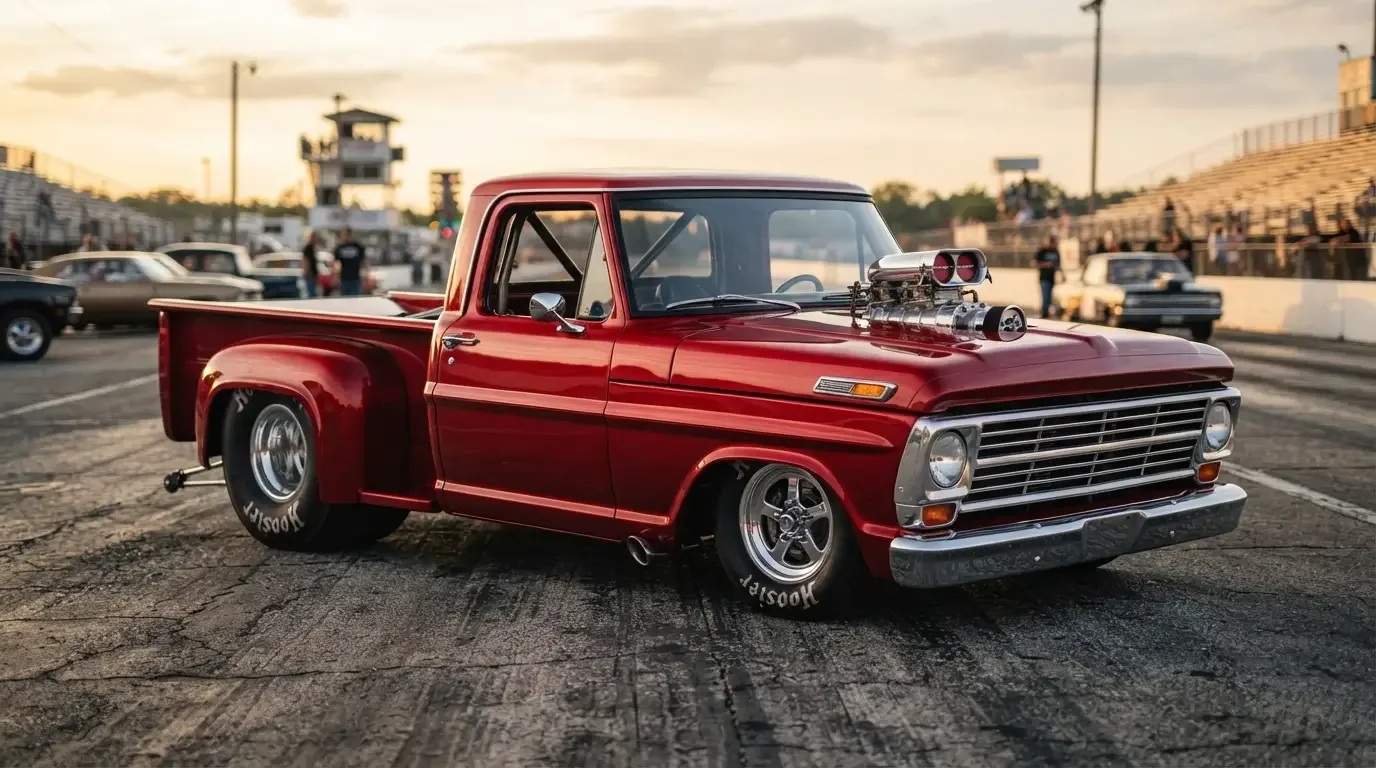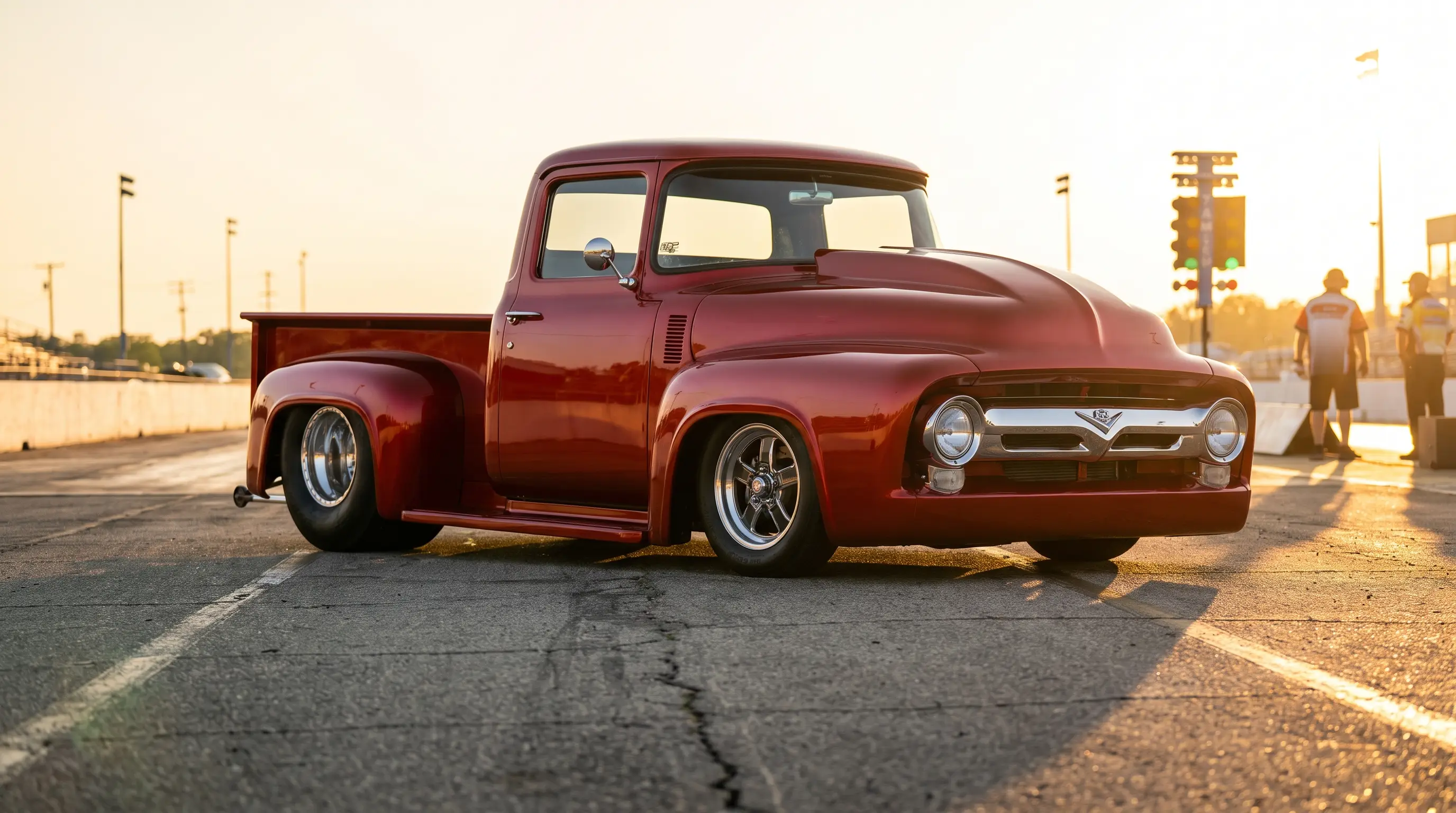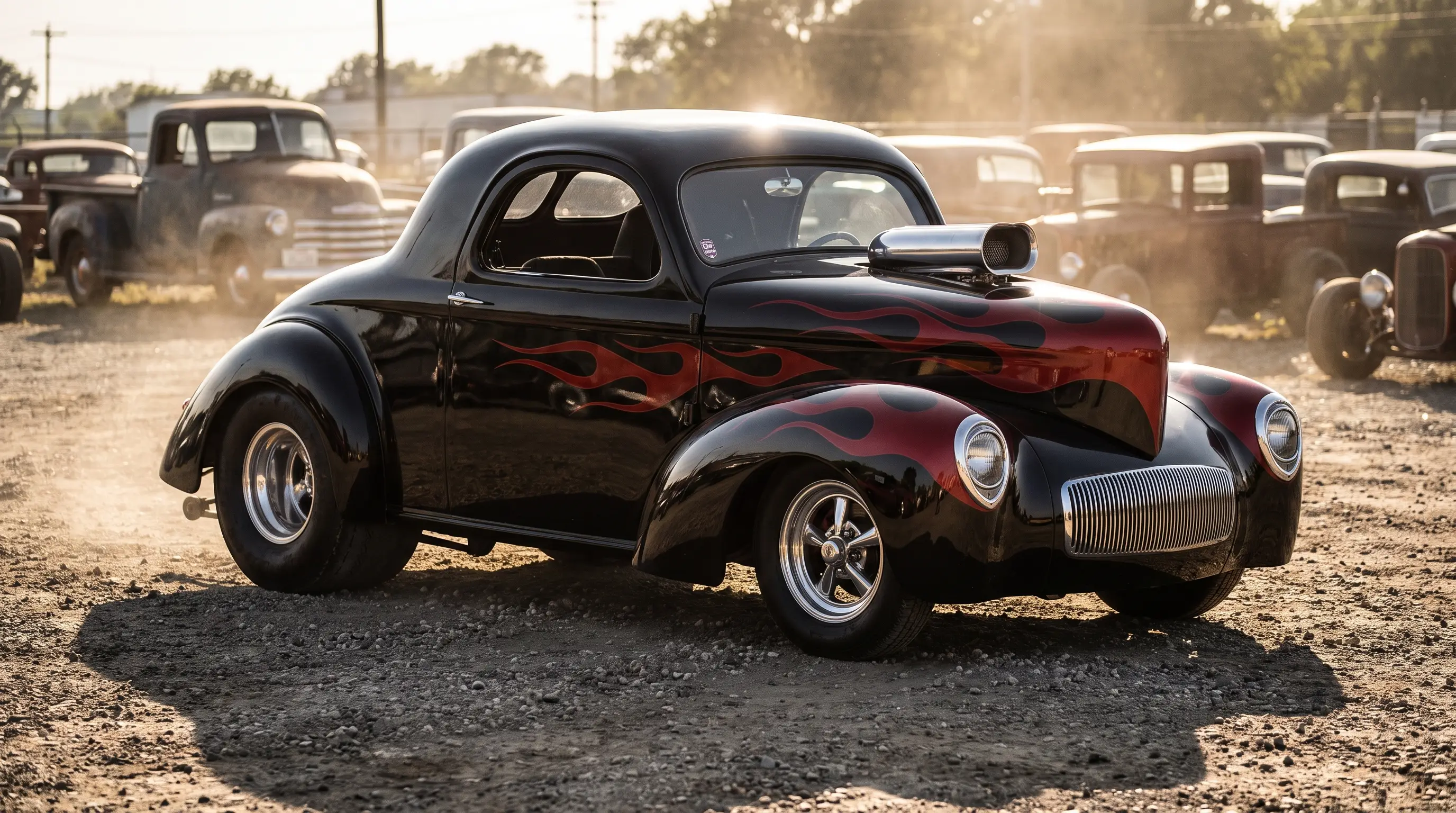
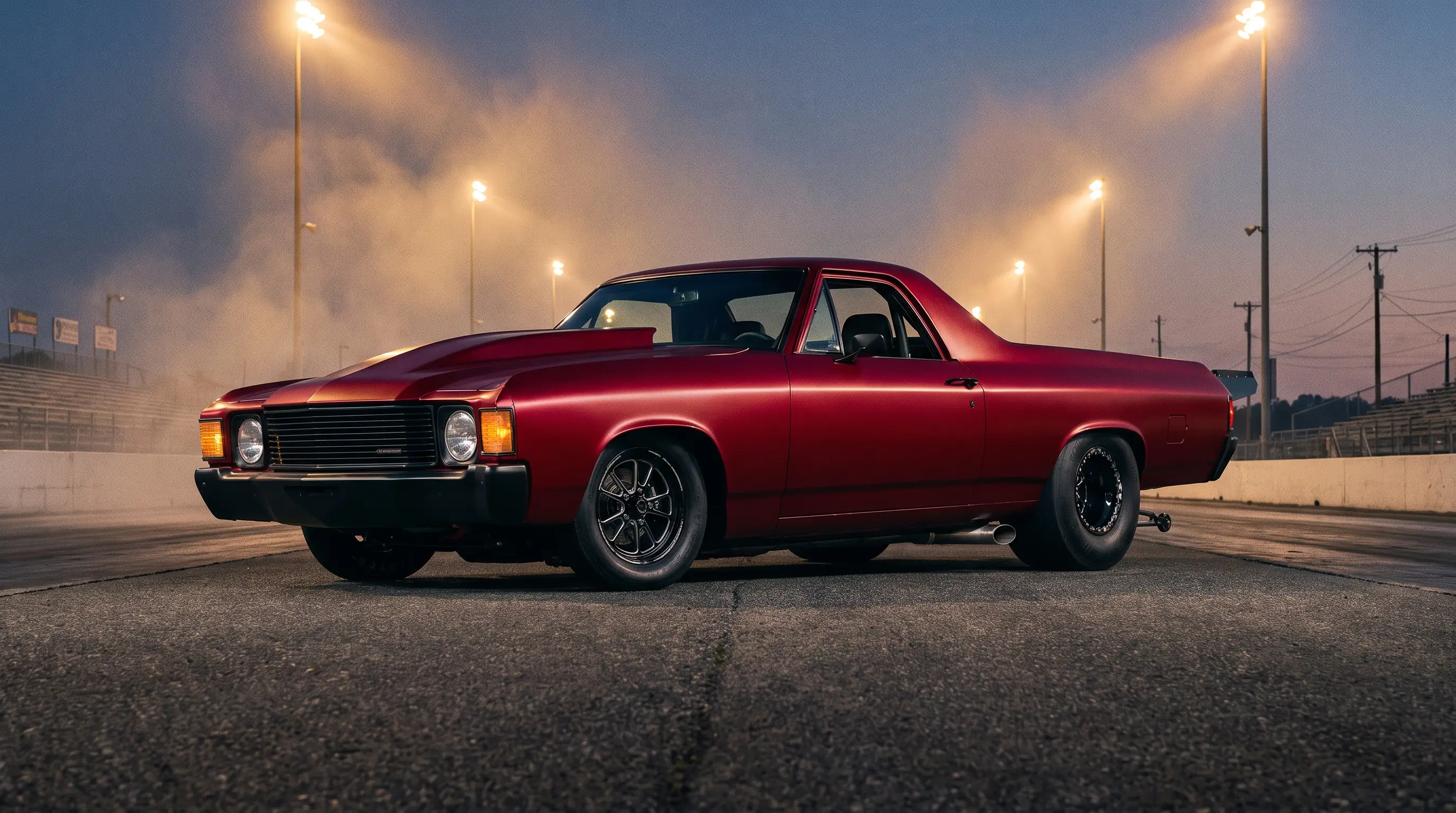
Somewhere between a Chevelle and a pickup sits the El Camino, and that in-between identity is exactly why the Pro Street El Camino turned into one of the more interesting builds the movement ever produced. Chevrolet had already given builders a car with a bed attached, so the tub work that usually meant fighting a truck's ladder frame instead got applied to a platform sharing its unibody structure and suspension with the same intermediate cars that made up so much of the Pro Street car scene in the first place. It was the best of both worlds for a builder who wanted the load-bed silhouette without giving up a proper car chassis to build on.
A body style built for this exact treatment
Chevrolet's El Camino ran on the same platform as the Chevelle and later the Malibu, which meant builders working on one already understood most of the underlying mechanicals before they ever touched a torch. The rear quarter panels flowed into an open bed rather than a trunk, giving the tub job a different visual target than a standard two-door coupe. Once widened to swallow a serious rear tire, that bed opening actually amplified the tub's visual impact, since the eye reads an open bed differently than a closed trunk lid, drawing more attention to exactly the area a builder wanted attention drawn to.
Why the car-truck identity mattered
Purists have argued for decades about whether an El Camino counts as a car or a truck, and that argument only got more heated once Pro Street builders started applying truck-style tub work to what was mechanically a car underneath. The result split the difference in a way that made the El Camino genuinely distinctive within the movement. It carried a car's unibody strength and suspension geometry, which meant less of the frame reinforcement headache that a true ladder-frame truck build demanded, while still delivering the load-bed proportions that made truck-based Pro Street builds visually different from straight muscle car conversions.
Which generation builders favored
The 1968 through 1972 body style, sharing its lines with the second-generation Chevelle, became a favorite donor thanks to abundant parts availability and a shape that suited the wide-tire, narrow-front proportions Pro Street builders were chasing. Later 1978 to 1987 El Caminos, built on Chevy's downsized G-body platform, also saw plenty of conversions, offering a leaner, more angular starting point that some builders preferred for a more modern-looking stance once the tub work was finished. Both generations found their way into serious Pro Street builds, and the choice usually came down to which body style a given builder simply preferred looking at every day.
"An El Camino gives you a truck's attitude without a truck's headaches underneath. That's exactly why it found such a strong following once builders figured out what they had."
- Patrick Walsh
How these builds stack up against straight cars and trucks
Compared to a tubbed Chevelle, an El Camino build carries a slightly different visual weight thanks to the open bed drawing the eye rearward more insistently than a closed trunk ever could. Compared to a true pickup build, an El Camino skips most of the ladder-frame reinforcement work a truck demands, since the underlying chassis was engineered as a car from the start. That combination made the El Camino a genuinely efficient platform for builders who wanted truck styling cues without absorbing a truck's structural challenges. more on the pro street trucks covers how this hybrid platform fit alongside the straight pickup builds within the broader movement, and where this started lays out the foundational history of the style if you are coming to this topic fresh.
What collectors look for today
A well-documented Pro Street El Camino carries genuine appeal in today's market, sitting at an intersection of muscle car and truck collector interest that gives it a slightly broader potential buyer pool than a straight coupe or a straight pickup build might attract on its own. Buyers should pay close attention to how well the tub work integrates with the factory bed structure, since a rushed job can leave visible seams or panel gaps that a careful build would have hidden entirely. Documentation of any drivetrain work matters just as much here as it does on any other Pro Street build, given how much the underlying engine and suspension choices affect both drivability and long-term value.
Where to find one
El Camino builds do not flood the market, but they appear often enough that a patient buyer can find a genuinely well-executed example without an impossible search. Watching listings over time gives a much better sense of realistic pricing than any single snapshot could. You can browse classic Pro Street cars on the market and see how these hybrid builds are currently priced relative to straight muscle cars and full trucks from the same era.
The crossover appeal that keeps it relevant
Part of what makes the El Camino such an enduring platform within Pro Street circles is how naturally it bridges two collector audiences that do not always overlap. Chevelle enthusiasts respect the shared mechanical lineage, while truck collectors respect the open bed and the load-hauling silhouette, even on a build that will never actually haul anything heavier than a folding chair to a car show. That dual appeal has kept demand steadier for well-built El Camino conversions than for some more narrowly defined platforms within the movement, since a seller is effectively marketing to two different collector communities at once rather than just one.
A platform that rewards patience
Finding the right El Camino to build, or the right finished build to buy, tends to reward buyers who are willing to wait for the correct generation and the correct condition rather than settling for the first example that comes along. Rust in the bed floor and rear frame rails is a common issue on surviving examples from either generation, given decades of exposure and, in some cases, actual use as a working vehicle before a builder ever got involved. A patient buyer who takes the time to find a solid, well-documented example ends up with a build that holds its value far better than one assembled in a hurry on a compromised donor car.
A build that keeps its own identity
Even within a movement built entirely around distinctive proportions, the El Camino manages to stand apart from both the straight muscle cars and the straight trucks that make up most of the Pro Street world. It never fully abandons its car identity, and it never fully commits to being a truck either, and that unresolved tension is exactly what keeps drawing builders back to the platform generation after generation. A well-executed El Camino conversion does not just borrow from two different collector worlds. It genuinely belongs to both of them at once, which is a harder trick to pull off than it sounds and part of why the best examples still command real respect within the scene today.