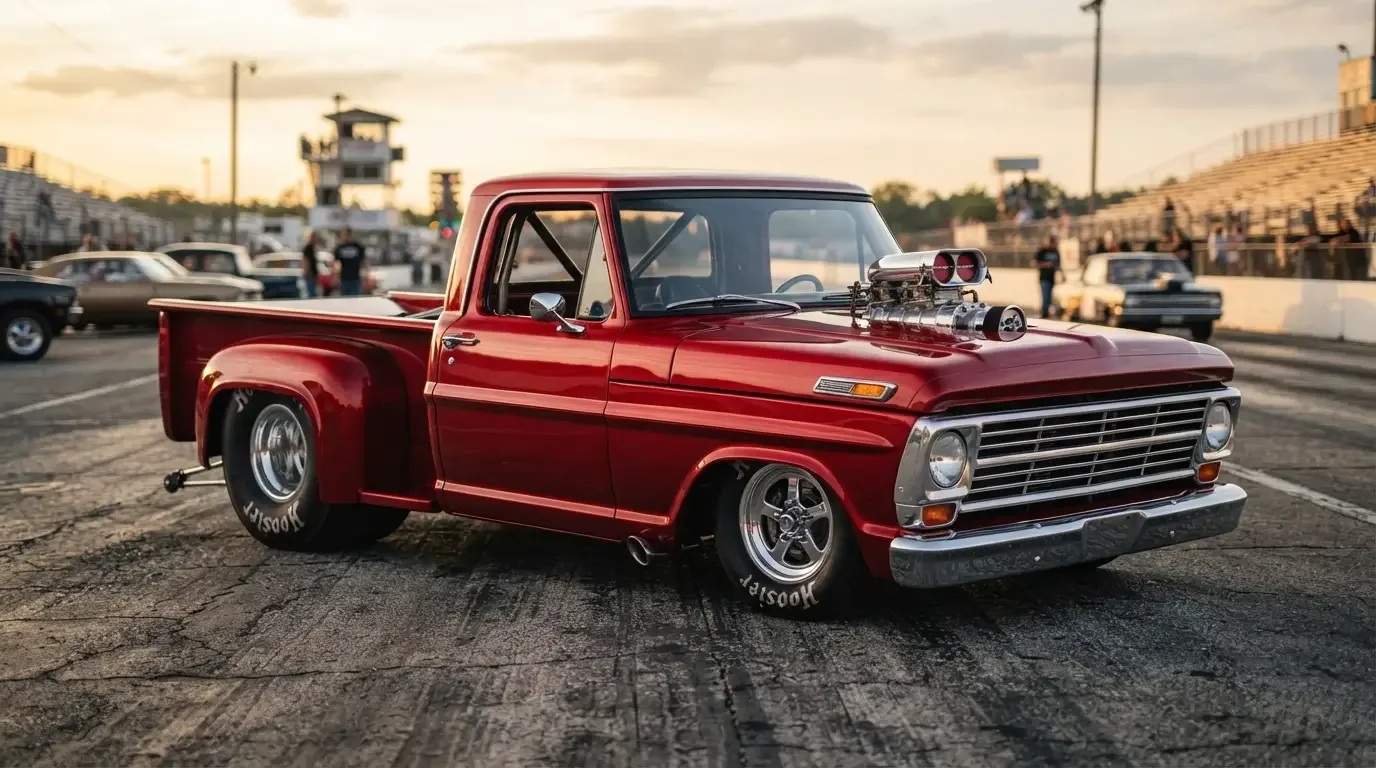
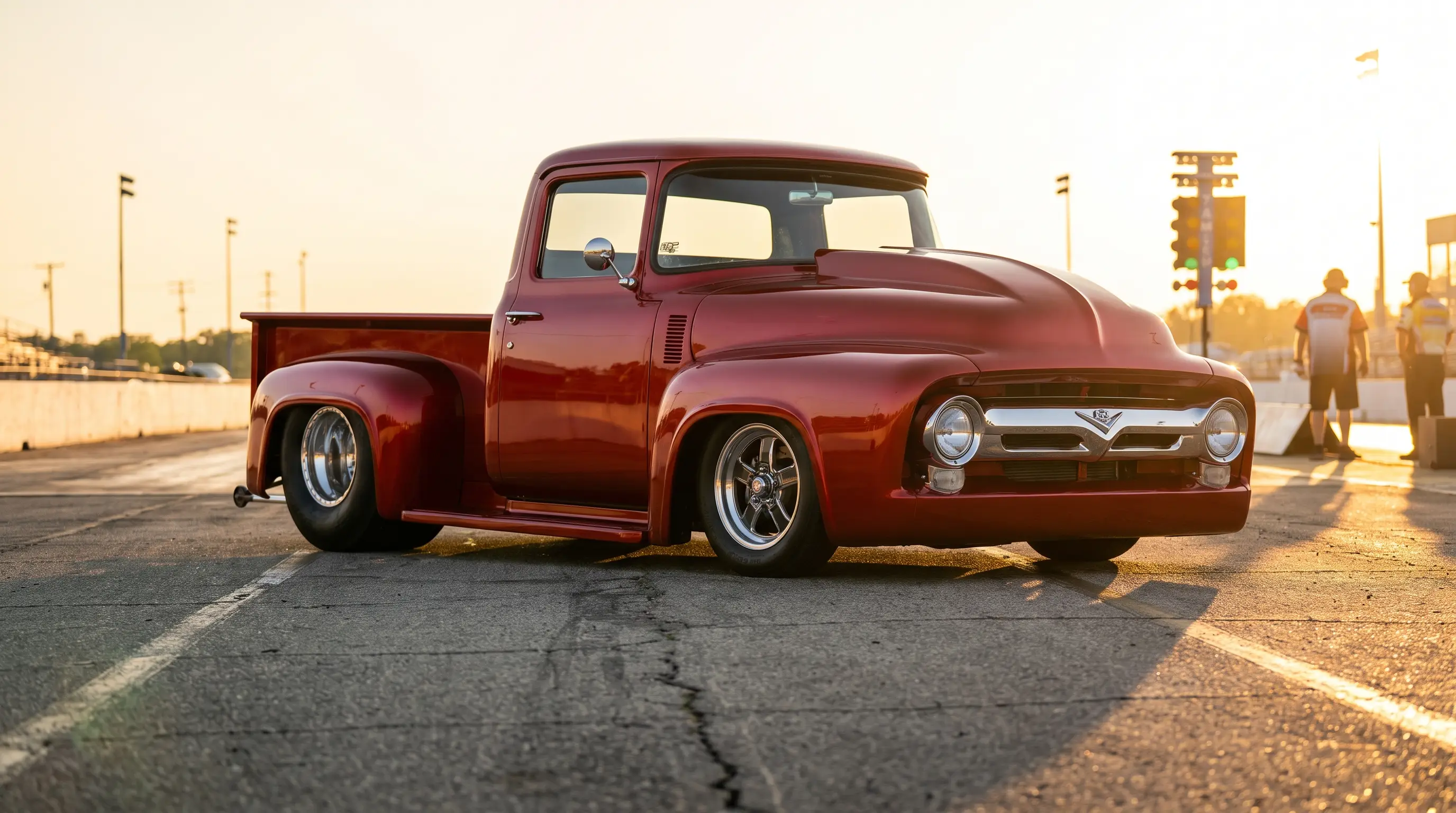
Ford built the F-100 for hauling lumber and farm gear, not for anybody's idea of a drag strip statement. That is exactly why the Pro Street F-100 story is worth telling. Builders took a truck designed around cargo capacity and work-truck durability and turned it into one of the more distinctive platforms in the whole Pro Street movement. The F-100's simple, boxy body and honest sheet metal gave fabricators plenty to work with, and by the 1980s a solid handful of these trucks were running tubs, big rear tires, and drivetrains that had nothing to do with their original job description.
What made the F-100 a decent starting point
Ford built the F-100 through several generations from the 1950s into the early 1980s, and the later flareside and stepside beds gave builders two different visual directions to work from. A flareside bed, with its exposed rear fenders, actually made the tub job more visible once builders widened it to fit a serious rear tire, since the fender flares could be reshaped to follow the new tire width instead of hiding it. A stepside offered a cleaner look but required more careful fabrication to blend the tub into the narrower bed structure. Either way, the F-100's simple ladder frame and boxy cab gave builders a straightforward canvas compared to fighting a car's more complex unibody structure.
The frame work nobody skips
I have torn into enough of these trucks to tell you the frame is where a build gets proven honest or gets found out. Ford's F-100 frame was engineered for cargo loads pushing straight down through the bed, not for the twisting forces a wide rear tire and a hard launch put through it. Builders doing this right box the frame rails around the tub area, add subframe connectors where the original design left gaps, and check the rear crossmember carefully before trusting it under real power. Skip that work and the truck might look right sitting still, but it will flex and shift the moment somebody puts real torque through the rear tires. That is not a look problem. That is a truck that is going to get somebody hurt.
Engines that ended up under F-100 hoods
Ford's own small-block and big-block V8 families were the obvious first choice for builders staying brand loyal, and plenty of F-100s ended up running 351 or 460-cube engines depending on how much power the builder wanted and how much room the engine bay allowed. Some builders crossed brand lines entirely and dropped in a Chevy small-block, chasing parts availability and aftermarket support over factory correctness, a choice that always sparks an argument at a truck show but never seemed to slow anybody down in the garage. Whatever the badge on the valve covers, the goal was consistent across the platform: enough power to actually use that wide rear tire, not just enough to look the part parked in a driveway.
"A tub job looks the same whether the frame underneath it is solid or garbage. You only find out which one you're dealing with the first time you get on it hard, and by then it's too late to fix it cheap."
- Mike Sullivan
How F-100 builds compare to other truck platforms
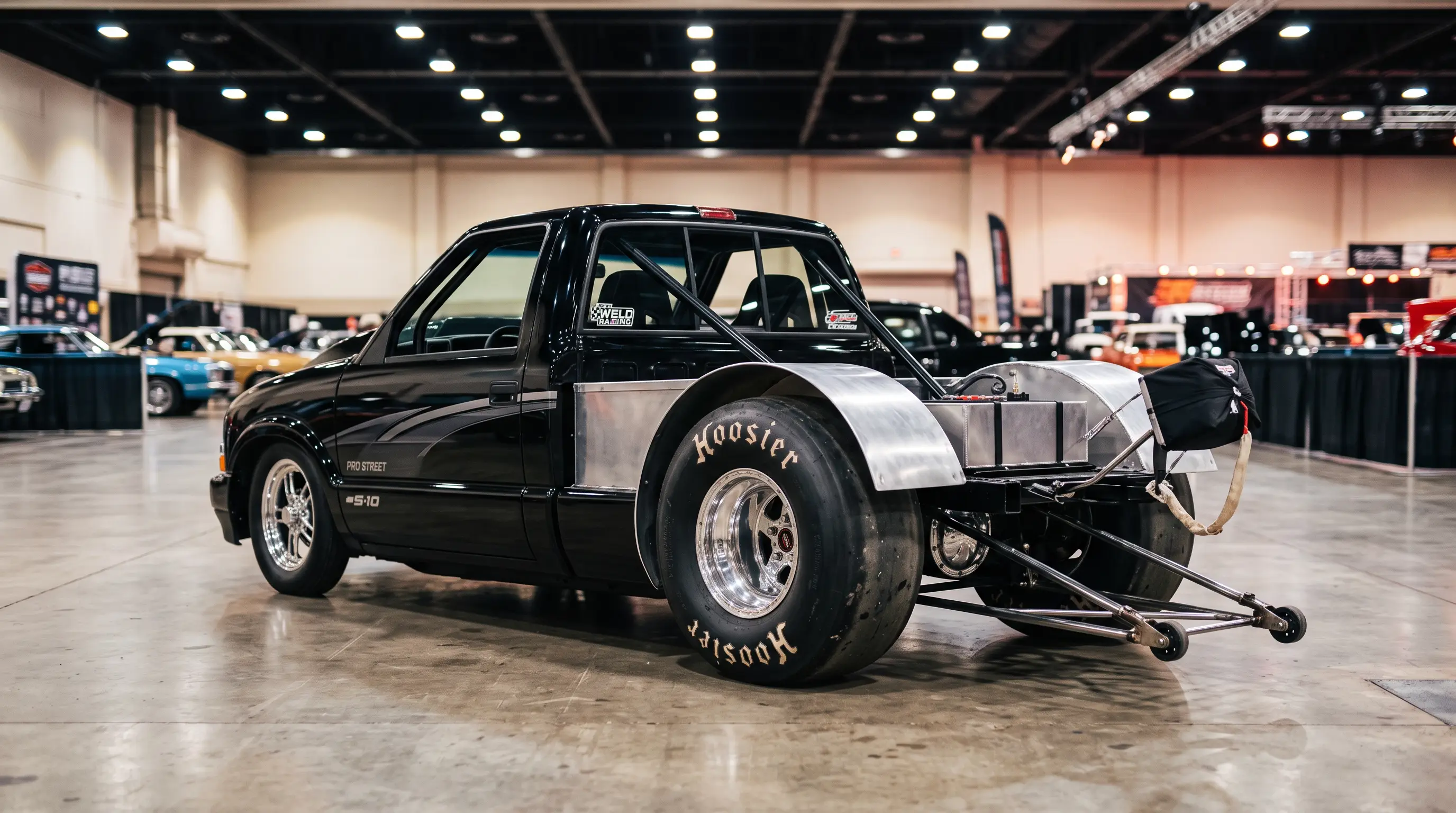
Where a compact truck like an S-10 amplifies its Pro Street proportions through sheer smallness, the F-100 works the opposite way, using its larger factory size to carry an even wider rear tire without looking cartoonish about it. That gives F-100 builds a slightly more menacing, planted look compared to the almost exaggerated stance a compact truck tends to end up with. Neither approach is wrong. They are just different answers to the same basic proportion problem every Pro Street truck builder has to solve. If you want read the background on how the different truck platforms fit into the movement's overall timeline, that is a good next stop.
The car-based cousin worth mentioning
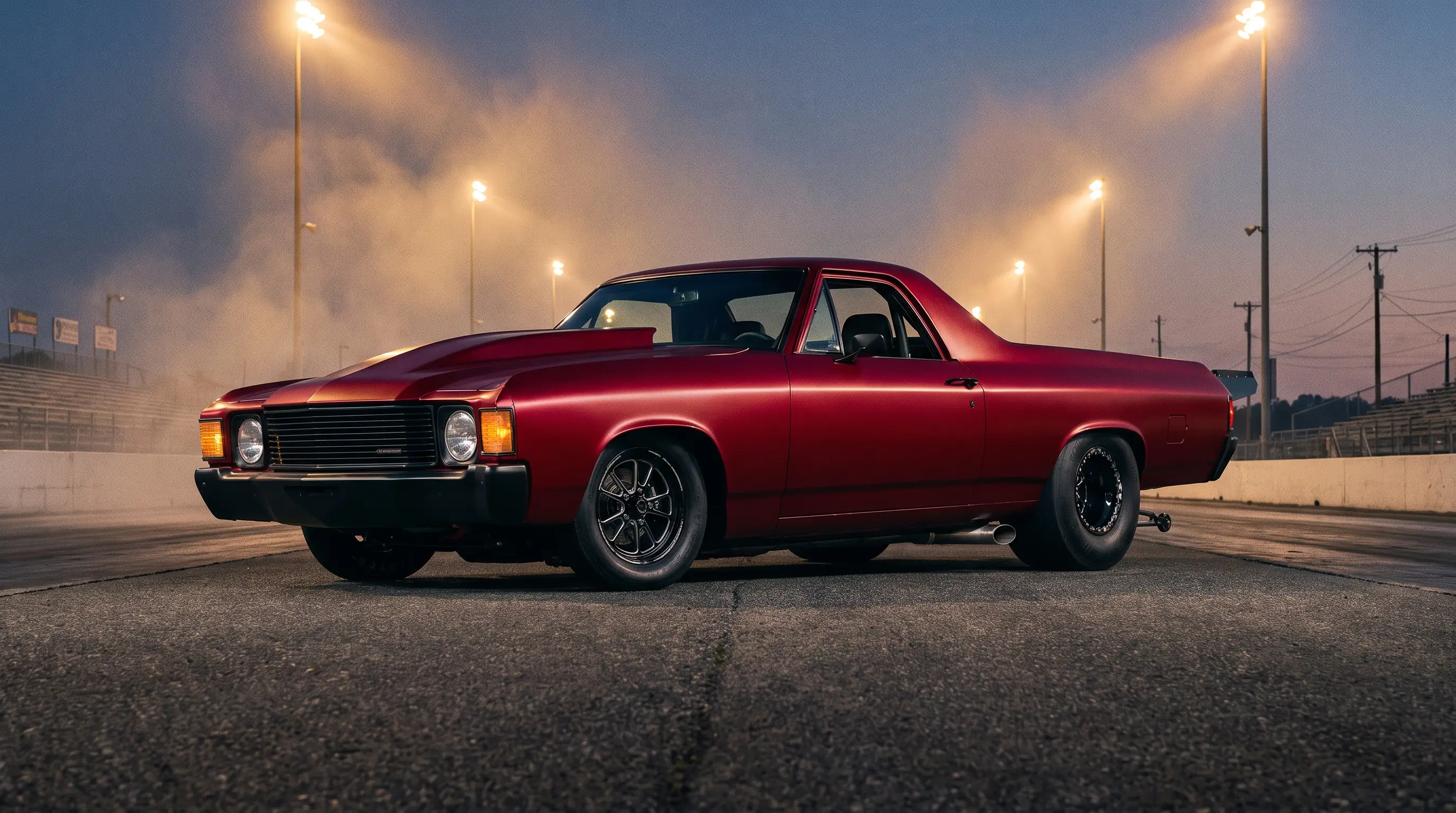
Ford's truck-based builds were not the only unconventional Pro Street platform to come out of that era. Builders working with car-based utility platforms went through a similar transformation, and worth a look too covers one of the better known examples, a car-truck hybrid that got the same tub-and-power treatment as the straight pickups. Comparing the two shows how flexible the Pro Street formula actually was once builders stopped limiting themselves to two-door muscle cars.
Buying one now
Well-built F-100 Pro Street trucks show up for sale less often than car-based builds, and buyers should treat the frame and suspension work as the first thing to inspect rather than the paint or the engine bay presentation. A truck with a beautiful tub job sitting on a compromised frame is a liability dressed up to look like a bargain. Anyone serious about buying into this corner of the hobby should budget for a proper inspection before money changes hands. To start looking, you can shop classic Pro Street car listings and see what turns up, including whatever F-100 and other truck builds happen to be available.
Questions worth asking before you buy
I always tell people shopping an F-100 build to ask who did the frame work and whether any documentation survived from that stage of the project. A builder confident in their own frame reinforcement usually kept photos or receipts from the process, and a seller who cannot produce any record of that work at all deserves extra scrutiny before anybody hands over money. Ask about the axle and suspension components too, since a lot of these trucks borrowed parts from full-size Ford cars rather than running custom-fabricated pieces, and knowing exactly what is under there tells you a lot about how the truck will behave once you actually put it under load.
Why the F-100 still holds a following
Part of what keeps the Ford F-100 relevant in Pro Street circles today is straightforward brand loyalty carried over from an era when a lot of builders were fiercely particular about running Ford parts on a Ford truck. That loyalty produced some genuinely well-engineered examples, built by people who knew the platform's factory limitations intimately and designed around them rather than fighting them. A truck built by somebody who understood exactly what the F-100 chassis could and could not handle tends to age a lot better than one thrown together by somebody chasing looks first and structure second, and that gap in build quality still shows up clearly whenever these trucks change hands today.
Lessons from the ones that went wrong
I have seen my share of F-100 projects that stalled out halfway through, usually because the builder underestimated how much fabrication a proper tub job and frame reinforcement actually demands on a chassis this size. A truck with a partially finished tub, mismatched welds, or a frame that was never boxed correctly ends up as a cautionary tale more than a finished build, and those half-done projects still turn up for sale from time to time, usually priced to reflect how much work remains. Anyone tempted by a bargain-priced project truck should treat that low price as a warning rather than an opportunity, unless they personally have the fabrication skill and time to finish the job to the same standard the rest of the truck deserves.