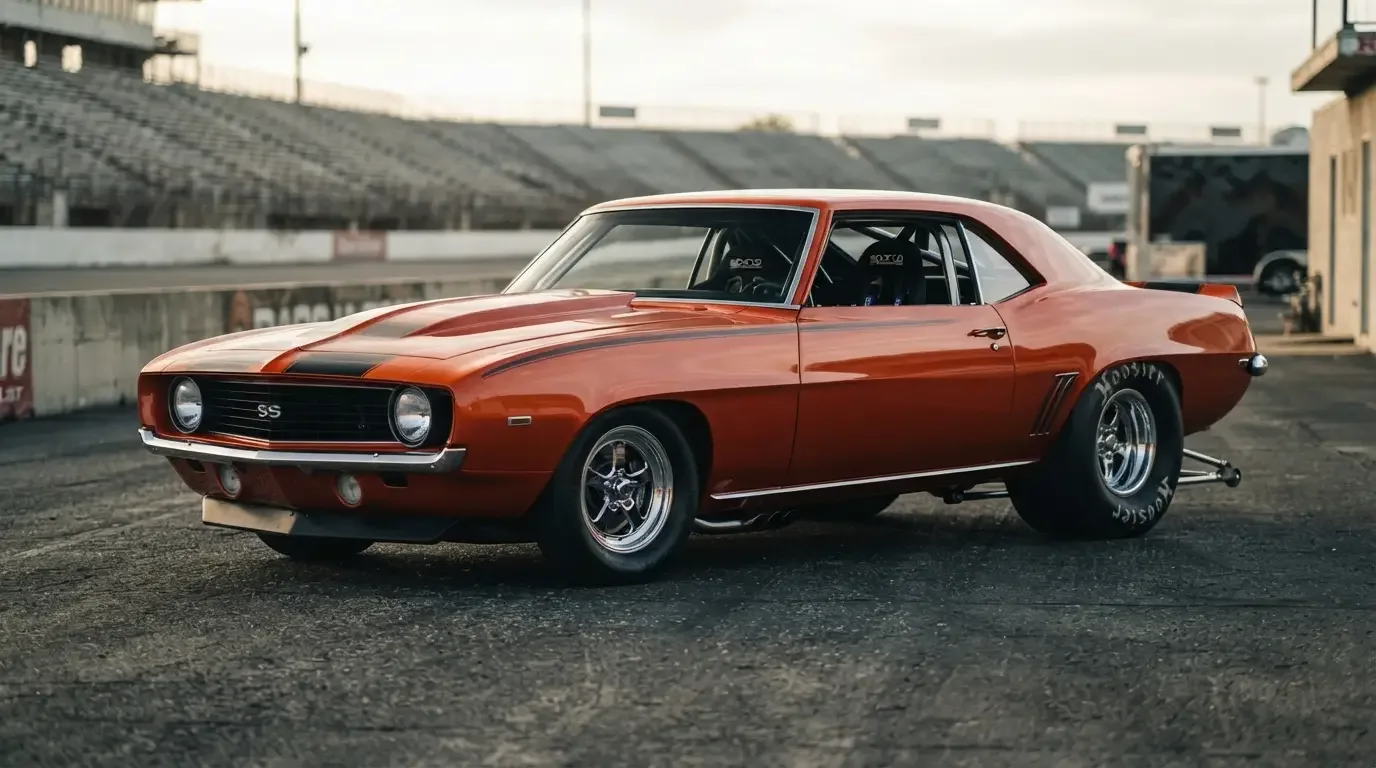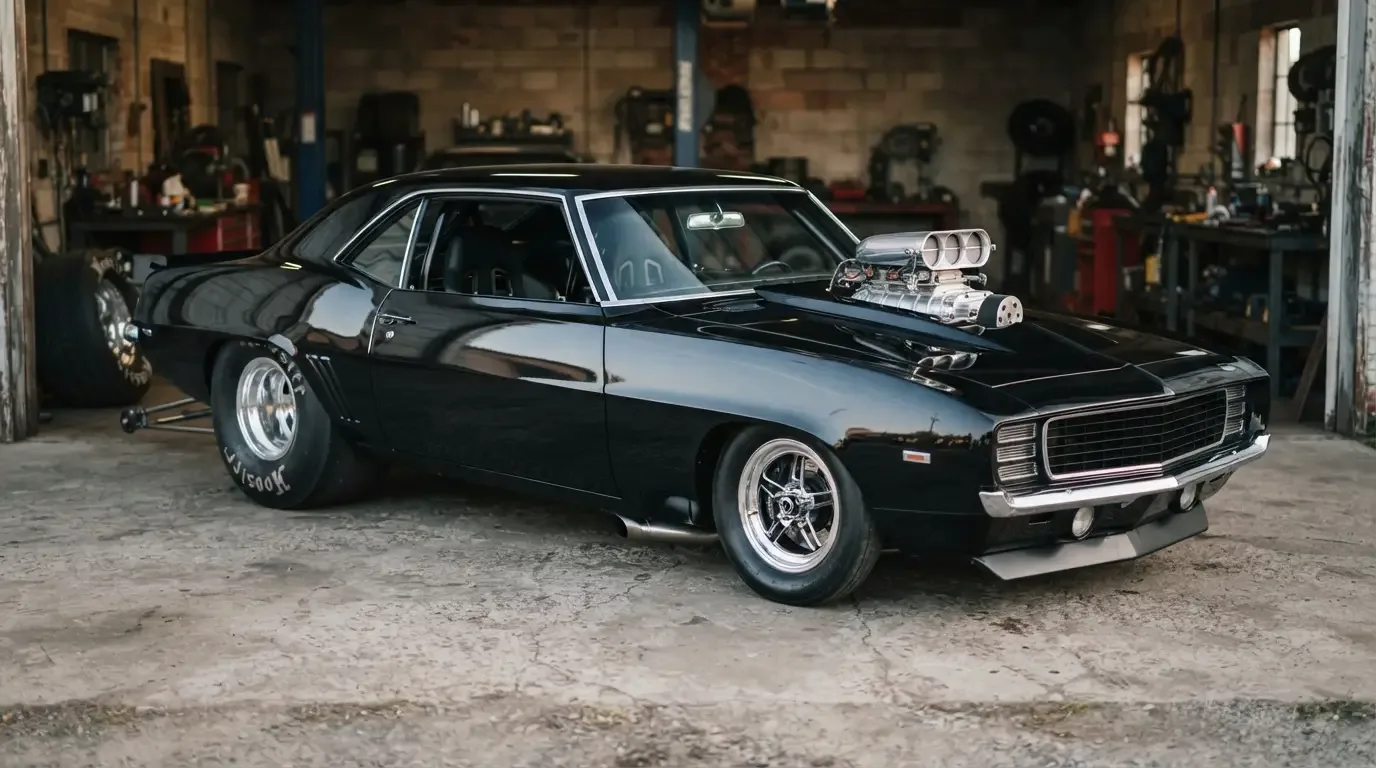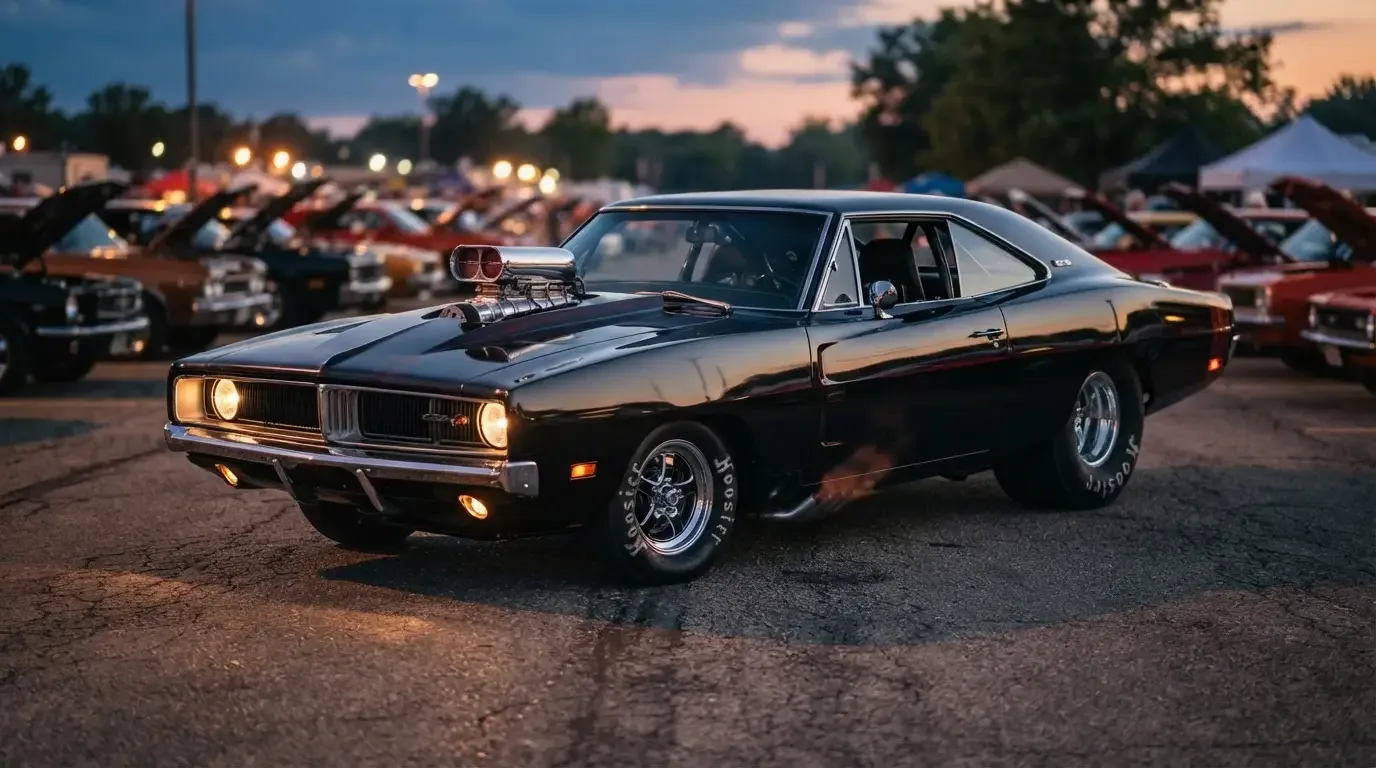
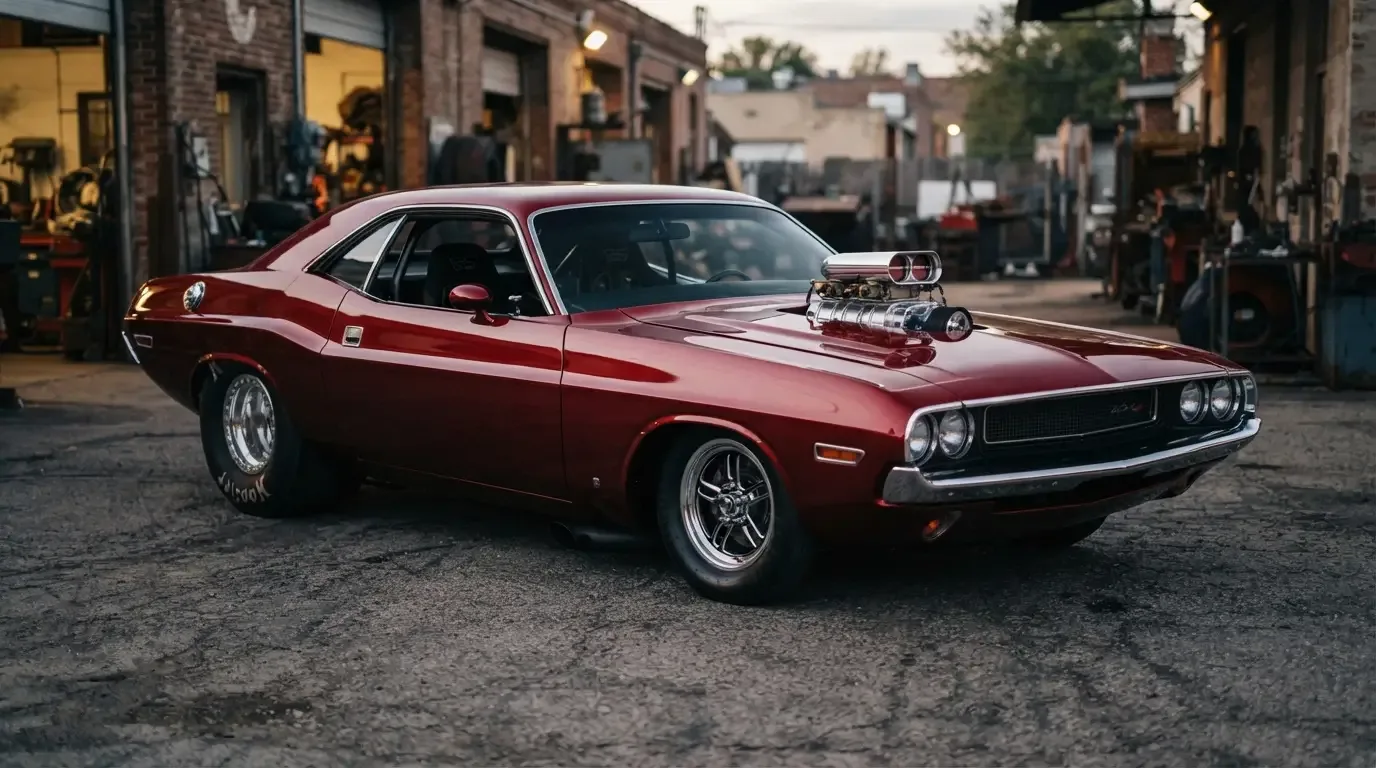
A guy brought a Camaro to a show a few years back calling it a real deal Pro Street survivor from the late 1980s, and within twenty minutes three different old timers had quietly poked enough holes in the story that the owner stopped repeating it. Learning to identify pro street car builds that are genuinely period correct versus ones dressed up to look the part is half history lesson and half detective work, and the tells are consistent enough that anyone willing to look closely can learn to spot them.
Start with the fabrication quality, not the paint
Fresh paint fools people faster than anything else at a car show, but paint tells you nothing about when the underlying work was actually done. The real story lives underneath, in the quality and style of the tub work, the frame modifications, and the welding. Genuine period builds from the 1980s and early 1990s show fabrication techniques and materials consistent with that era, hand formed sheet metal, welding beads that reflect the equipment available at the time, and structural work that matches how builders solved problems before modern bolt in kits existed. A car tubbed last year with a modern kit, no matter how well executed, has a different fabrication signature than one built by hand three decades ago, and builders who have seen enough of both can usually tell the difference within a few minutes under the car.
Rust patterns and undercoating age matter here too. A frame section that has genuinely sat under a car for thirty years develops a consistent patina of surface rust, old undercoating, and grime buildup that is very hard to fake convincingly. Fresh weld beads on old rusty metal, or old looking welds on suspiciously clean metal, are both red flags worth investigating further before taking a seller's word about a car's history.
Documentation separates story from fact
Photos are the single best piece of evidence a Pro Street car can have. A build documented across magazine features, local car show photos, or even personal snapshots from the era it was supposedly built gives a verifiable timeline that paint and patina alone cannot. Cars that appeared in period publications like Hot Rod or Car Craft carry an extra layer of credibility, since the build was documented by a third party at the time rather than described secondhand decades later by a current owner.
Even without magazine coverage, a folder of old photographs, a build sheet, or receipts from period correct parts suppliers adds real weight to a car's story. The absence of any of this does not automatically mean a car is not genuine, plenty of legitimate builds were never photographed beyond a family album, but it does mean a buyer or judge has to rely more heavily on physical inspection to confirm the history being claimed.
| Evidence Type | What It Confirms | Reliability |
|---|---|---|
| Period magazine feature | Build existed and looked a certain way by a specific date | Very high |
| Personal photographs | Timeline of the build's appearance over the years | High, if dates can be verified |
| Fabrication style under the car | Era the structural work was likely completed | High, needs an experienced eye |
| Fresh paint alone | Almost nothing about the underlying build | Low |
| Seller's verbal history | Whatever the seller wants it to confirm | Low without supporting evidence |
Talk to the community, not just the seller
Pro Street clubs and enthusiast circles tend to be small enough that a genuinely notable build often has a reputation that outlasts changes in ownership. Someone at a regional show, a swap meet, or an online forum dedicated to the era may recognize a car from its earlier days, remember the original builder, or recall seeing it at events years before the current owner acquired it. This kind of word of mouth confirmation carries real weight precisely because it comes from people with no financial stake in the sale.
Reaching out before committing to a purchase, posting photos on the right forums, or simply asking around at a show can surface information a seller either does not know or is not eager to volunteer. Cars with a genuinely traceable history tend to become more valuable and more interesting the more that history gets confirmed, while cars with a shaky or shifting story tend to attract more scrutiny the harder people look.
"I look under the car before I look at the paint job every single time. Paint lies. Old welds and old rust do not know how to lie."
- Mike Sullivan
Why the effort is worth it
Genuine period built Pro Street cars carry a different kind of value than a modern tribute build, both financially and historically. They represent an actual moment in hot rod culture rather than a recreation of one, and that matters to collectors and to the community that lived through the era firsthand. None of this means a modern build wearing the look is worthless or dishonest, plenty of builders openly describe their cars as tribute or resto style projects rather than claiming false history, and there is nothing wrong with that approach either.
The problem only arises when a seller stretches a story to inflate a price or misrepresent what a buyer is actually getting. Taking the time to verify fabrication quality, chase down documentation, and ask around the community before buying protects against that outcome. For the background on how the whole movement got started in the first place, our complete history is a good place to start, and once you know what to look for, it is worth taking that knowledge along when you go to browse classic Pro Street car listings for yourself.
Interior clues that often get overlooked
Most people inspecting a claimed period build focus entirely on the exterior and the chassis, but the interior often holds evidence that is easy to miss and hard to fake convincingly. Genuine 1980s builds tend to show a specific mix of factory dashboard components alongside aftermarket gauges and switches sourced from that era's aftermarket catalogs, brands and styles of hardware that fell out of production decades ago and are simply not what a modern tribute build would source today, since builders working now generally reach for whatever is currently available and current parts look noticeably different. Wiring routed by hand, connectors and terminal styles common in the 1980s, and even the specific type of switch panel used for auxiliary gauges can all serve as quiet evidence of when the interior work was actually done.
Seat upholstery and door panel materials tell a similar story. Fabric and vinyl patterns popular in period built race seats have a distinct look compared to modern reproduction seats, even ones marketed as period style. A close look at stitching, foam density, and mounting hardware can reveal whether an interior was genuinely assembled decades ago or built recently to evoke that look. None of these details alone proves a car's history conclusively, but taken together with the chassis evidence and any available documentation, they build a much more complete and reliable picture than any single clue could provide on its own.
Sources and notes
- Hagerty: Pro Street's Greatest Builds Honored at 2024 Grand National Roadster Show
- Chevy Hardcore: Pro Street, A Look Back At The Bow-Tie Style That Never Gets Old
- Wikipedia: Pro Street
- In The Garage Media: Defining Muscle Car Terms, Pro Touring, Pro Street, and Street Freak
- Hot Rodders Forum: What Is a Pro Street Car