
Some Pro Street magazine cars became famous the moment they hit the newsstand, and thirty years later people can still describe the exact issue, the exact pose, the exact color of paint under studio lights. A magazine cover in the 1980s carried real weight in car culture, and the Pro Street builds that earned one usually stayed legendary long after the issue itself got recycled or tucked away in somebody's garage.
Car Features
7 min read
The Iconic Pro Street Magazine Cover Cars
Landing a magazine cover made a Pro Street build legendary. Here is why those Pro Street magazine cars still command a premium among collectors today.
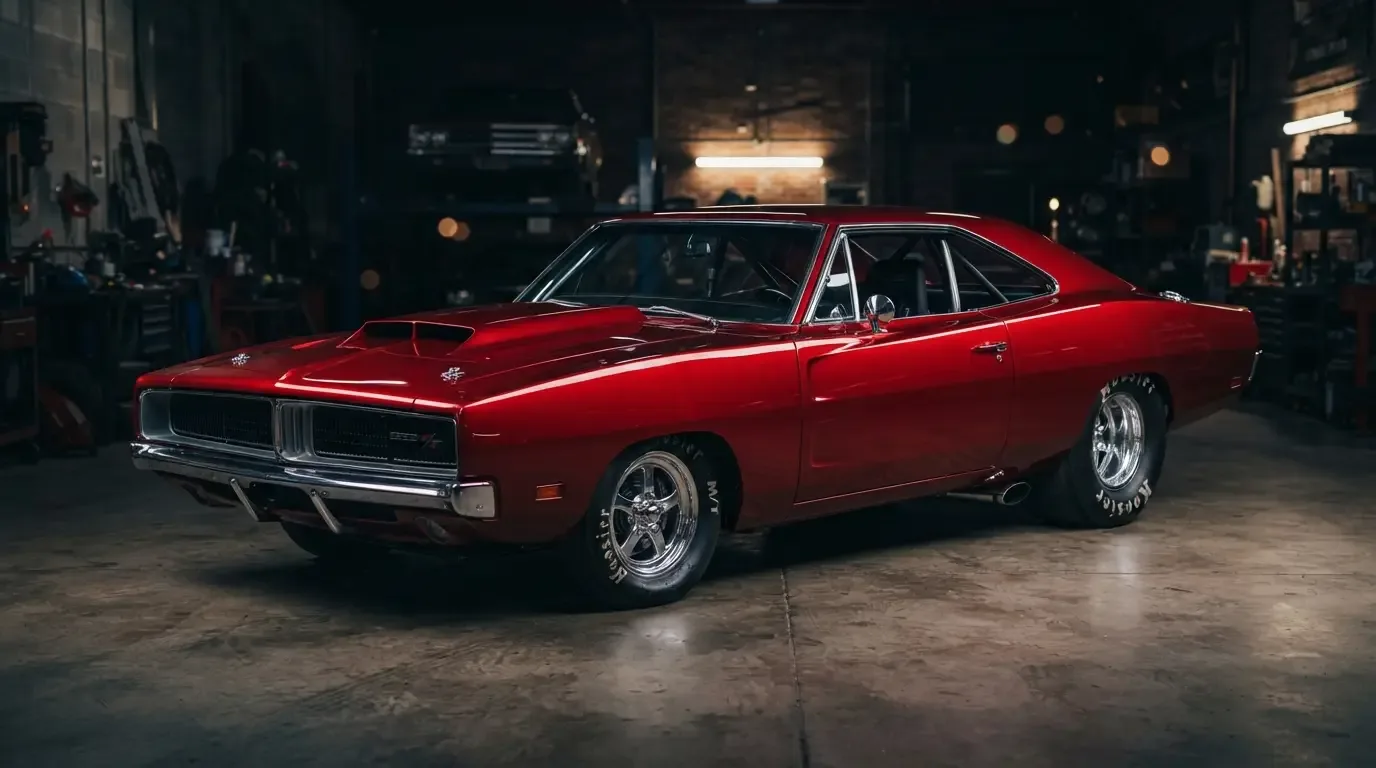
Why a cover mattered so much
Getting a car on the cover of a national magazine was not a small thing in an era before the internet made every build instantly shareable. A cover feature meant hundreds of thousands of readers saw that specific car, studied its proportions, and in a lot of cases went out to their own garage determined to build something with the same energy. For the builder and shop responsible, a cover car could translate directly into new business, sponsorship deals, and a reputation that outlasted the specific vehicle by decades.
The selection process behind a cover was not purely about which car ran the quickest quarter mile. Editors were choosing images that would sell magazines off a newsstand rack, competing visually against a dozen other titles. That meant color, stance, lighting, and overall drama mattered as much as raw performance numbers, which pushed builders to think about their cars as much in terms of photography as engineering.
What made a cover-worthy build
Looking back at the cars that landed covers during Pro Street's peak years, a few common threads stand out. Bold, saturated paint colors photographed better than subtle factory shades, which is part of why so many surviving cover cars wear candy reds, deep purples, and bright metallics rather than the muted tones common on more conservative restorations. A dramatic stance, with the tub work and tire sizing pushed to visually striking extremes, also helped a car stand out on a page competing for attention against every other title on the rack.
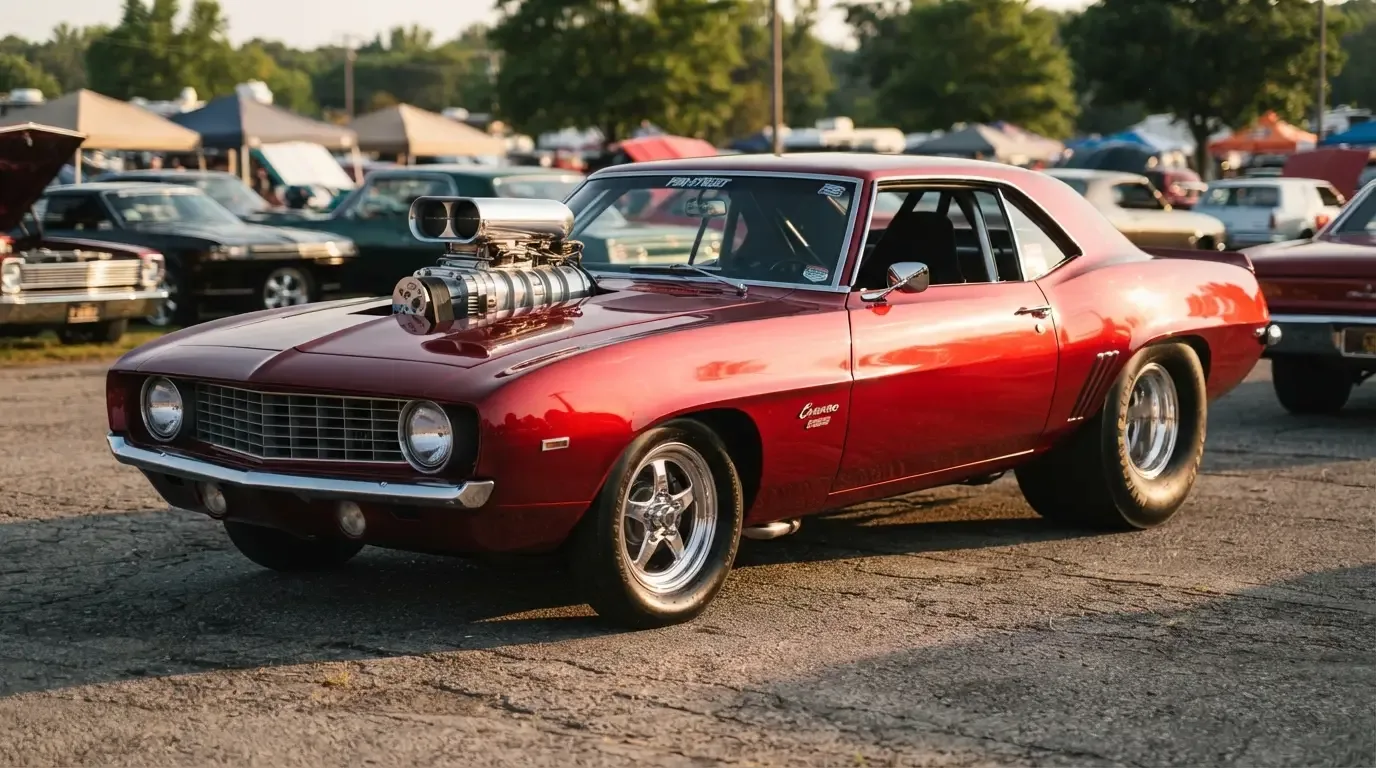
Engine presentation mattered too. A blower punching through a custom hood scoop, or a set of injector stacks catching studio light just right, gave photographers a strong focal point that translated well into a cover composition. Builders who understood this, whether instinctively or through direct collaboration with magazine staff, had a real advantage over builders who focused purely on mechanical performance without considering how the finished car would actually photograph.
The lasting value of cover-car status
Decades later, documented cover-car status has become one of the strongest value drivers in the Pro Street collector market. A car that can be tied directly to a specific magazine issue carries a level of verified history that few other provenance claims can match, since the issue itself serves as a dated, published, and widely distributed record of the car's exact specification and appearance at that moment in time.
That kind of documentation removes a lot of the guesswork buyers usually face with modified cars, where claims about original builders, dates, and specifications can be difficult to verify. A magazine cover essentially functions as a certificate of authenticity, and serious collectors will pay a real premium for a car they can match feature-for-feature against a period publication. For the broader context of how magazine coverage shaped the entire movement, the history of pro street cars story covers the media relationship in more depth, while the full story lays out how these cars were defined in the first place.
"A cover credit is basically a time capsule. It tells you exactly what that car looked like on a specific date, verified by a national publication. You cannot fake that kind of provenance, and buyers know it."
- Patrick Walsh
Regional shops that produced repeat cover cars
A handful of shops around the country developed reputations for consistently producing cars good enough to earn magazine attention, and their names became attached to the movement almost as strongly as the cars themselves. These shops understood both the mechanical requirements and the visual demands of a cover-worthy build, and clients specifically sought them out knowing that a car built there had a real shot at national exposure rather than just a strong local reputation.
Working with a shop that had a track record of cover placements changed the whole approach to a build. Details that a purely performance-focused garage might overlook, panel gaps, paint depth, the way chrome caught studio light, got real attention because everyone involved understood the finished car might end up under a photographer's lens rather than just parked at a local show. That extra layer of care is part of why cars from these known shops tend to be better documented and better preserved today than builds from garages without that same reputation.
It is easy to give all the credit to the builders, but the photographers who shot these covers deserve real recognition too. Capturing a car's proportions correctly, getting the paint to read true under available light, and composing a shot that would work at newsstand thumbnail size took genuine skill. A poorly photographed car could undersell an excellent build, while a well-shot image could make a modest build look far more dramatic than it actually was in person.
Many of these photographers worked across multiple magazines over their careers, developing a visual style that became closely associated with the Pro Street era itself. Looking back at old issues today, enthusiasts can often identify which photographer shot a particular cover based on lighting choices and composition alone, which speaks to how consistent and recognizable that visual language became across the movement's peak years.
Tracking down cover cars today
Finding and verifying a genuine magazine cover car requires real detective work. Owners and researchers cross-reference chassis details, unique modifications, and even specific paint flaws visible in period photography against cars currently in circulation, sometimes solving decades-old mysteries about where a famous build ended up after it left the spotlight. When a match gets confirmed, the discovery can significantly boost a car's value and historical significance overnight.
Not every Pro Street car for sale today carries that kind of documented history, but the ones that do stand out clearly in the market. If you are researching or shopping in this space, browse classic Pro Street cars on the market and pay attention to any seller claims about magazine features or period coverage, since that kind of provenance can meaningfully change what a car is actually worth.
There is also a quieter category of cars worth mentioning here, the ones that appeared inside a magazine's feature pages without ever making the cover itself. These builds still carry documented history and period photography, just without the added prestige and visibility of a cover credit. For a buyer focused purely on verified provenance rather than headline status, a well-documented feature car can represent excellent value, since the underlying research and authentication work is largely the same while the price premium tends to be noticeably smaller.
Sources and notes
Related Reading
#Pro Street
#muscle car provenance
#1980s car culture
#collector documentation
#magazine cover cars
#Car Craft

About the author
Patrick Walsh
Automotive journalist covering classic car shows, events, and the enthusiast community across North America.
Comments
Be the first to comment on this article.