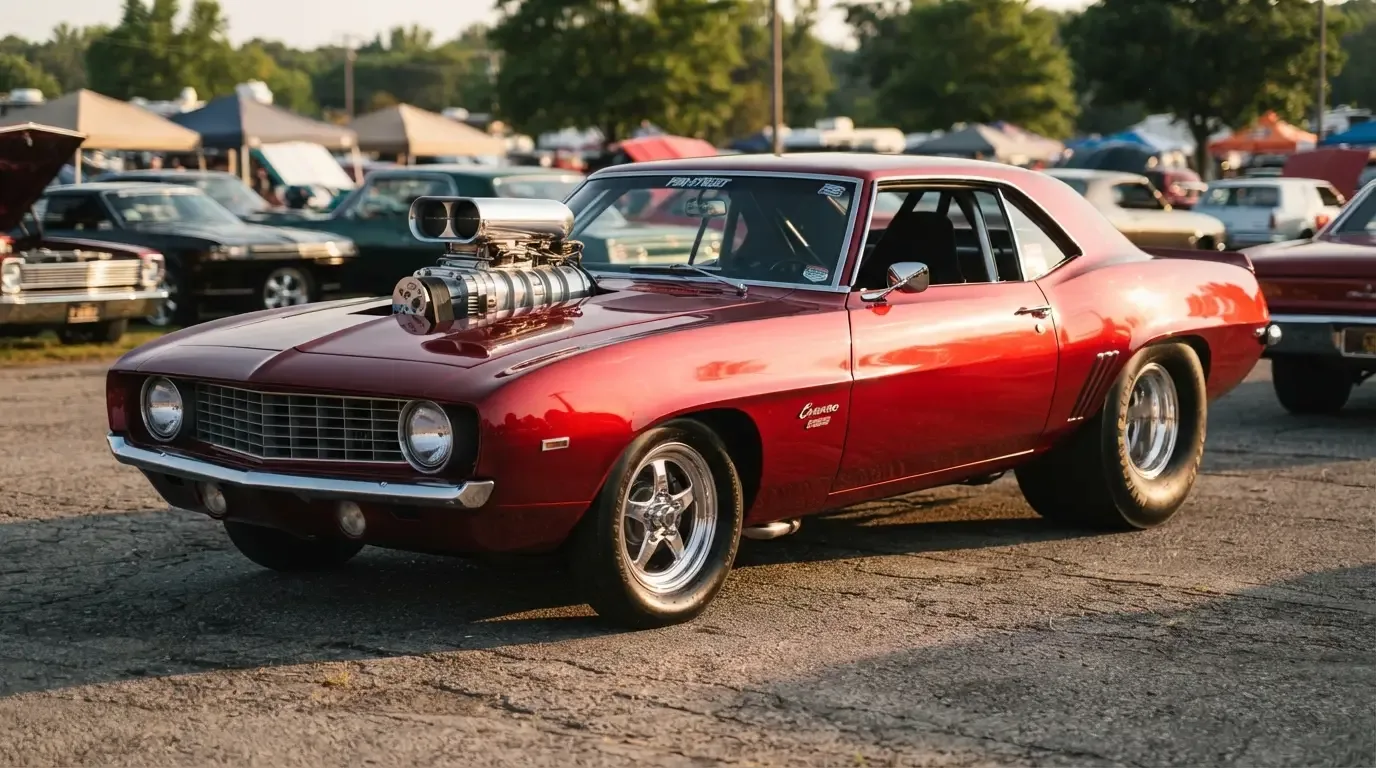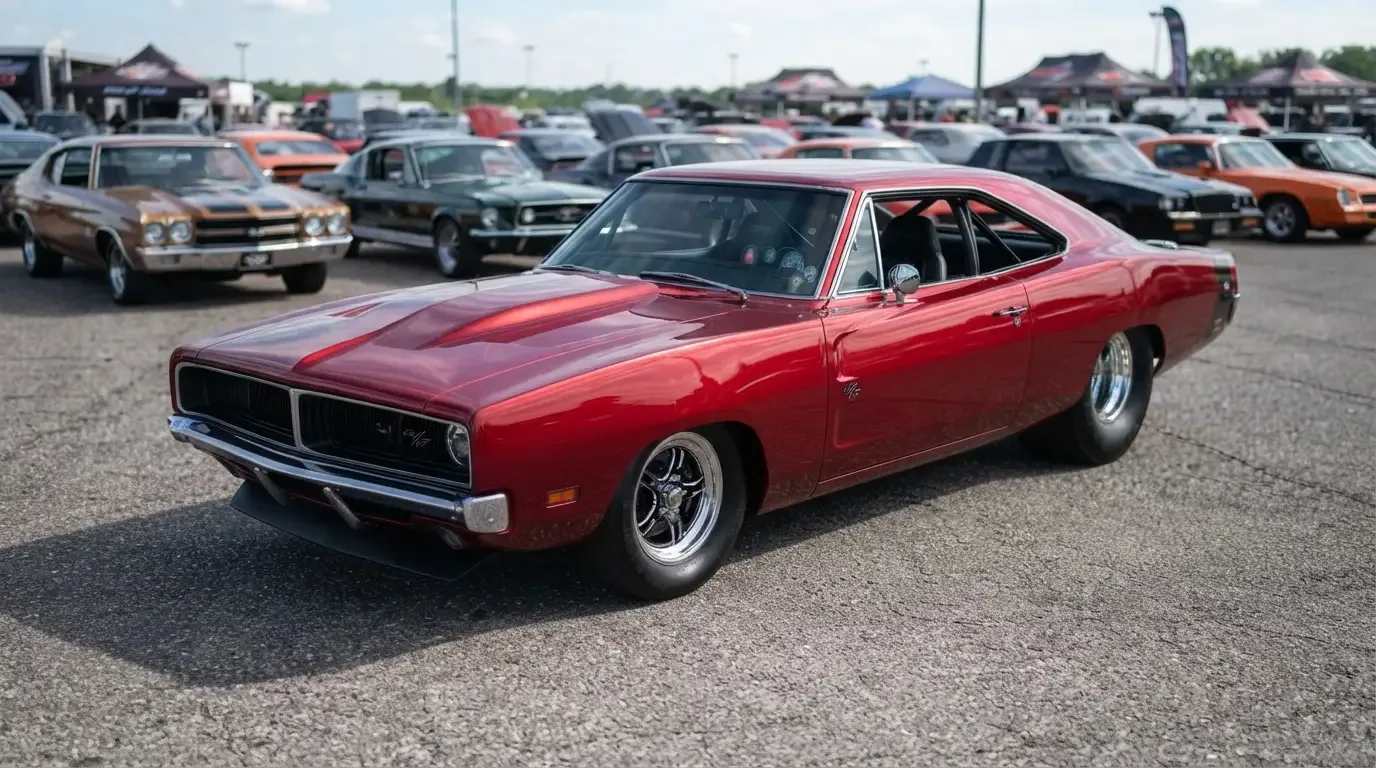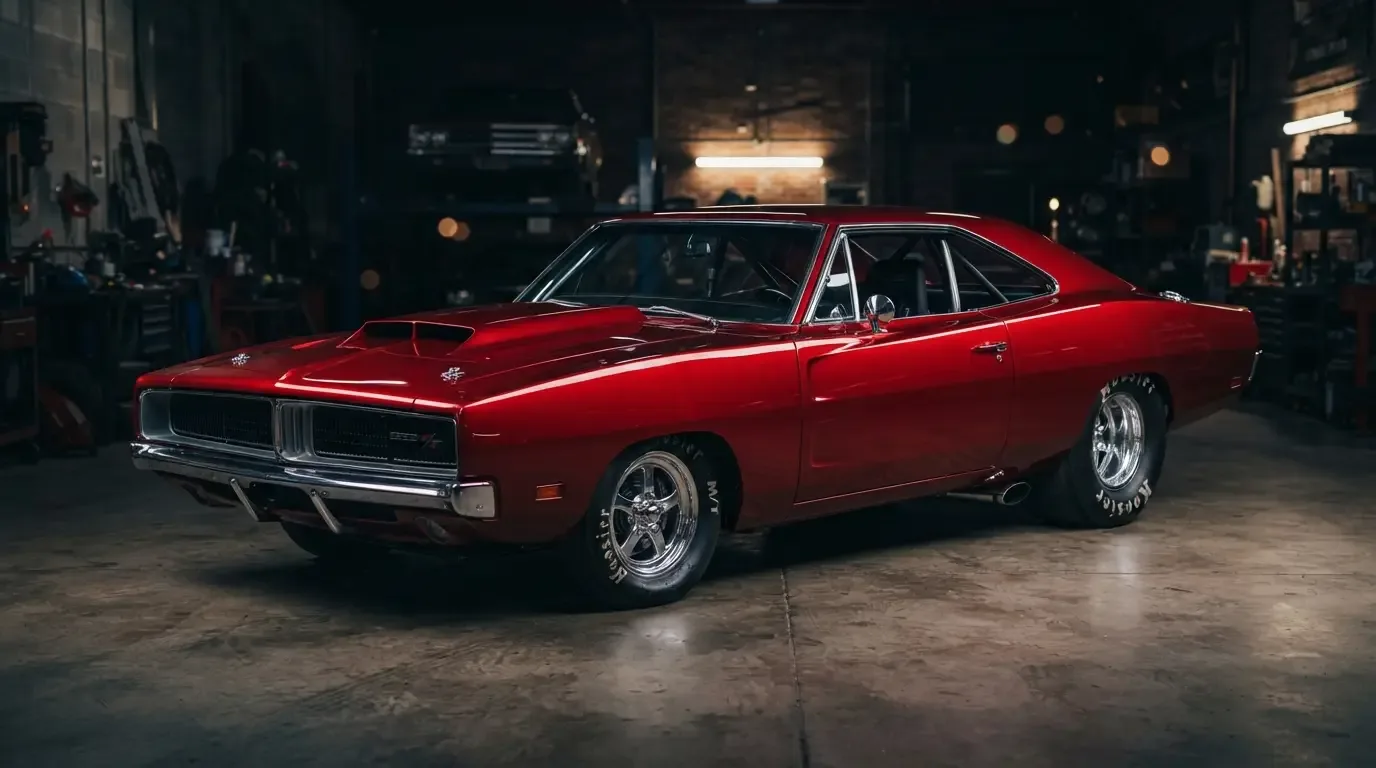
Before anybody called it Pro Street, guys in the late 1970s were building what got called street freak cars, and if you want to understand where the whole movement came from, that is the place to start. These were drag racers pushed further than any sanctioning body wanted, running on the street with plates and mufflers stuck on almost as an afterthought, and they set the tone for everything that came after.
What made a car a street freak
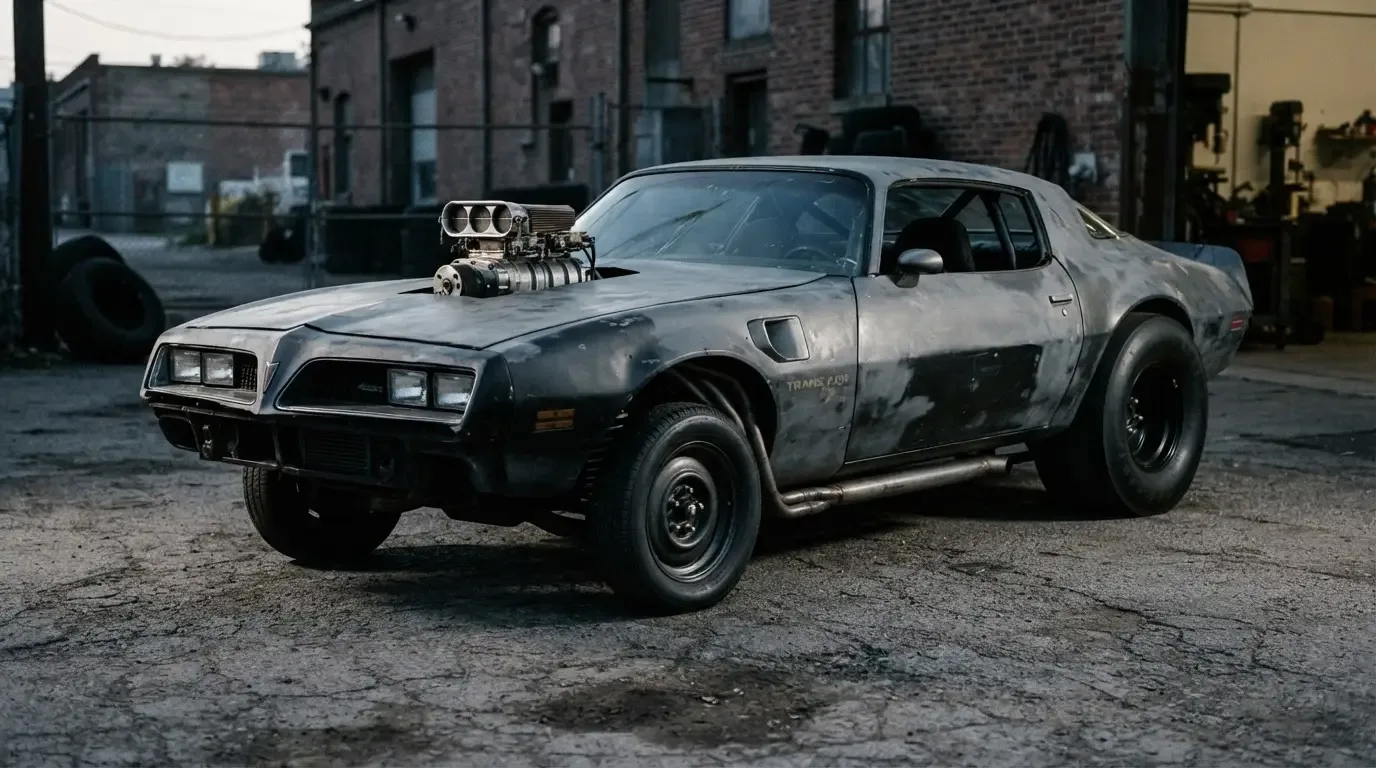
Street freak cars grew directly out of drag strip culture at a time when funny cars and altered wheelbase machines were pushing the visual limits of what a "stock bodied" car could look like. Builders started applying that same extreme thinking to street-driven cars, chopping up rear wheel wells to fit tires way bigger than anything from the factory, moving front wheels forward for weight transfer, and running engines that had no business idling politely at a stop sign.
The look was rougher and more experimental than what Pro Street would eventually become. There was less concern with a polished, magazine-ready finish and more focus on raw functionality, on making the car launch hard and look mean doing it. A lot of these cars were built in home garages with whatever tools and parts were on hand, which gave the whole scene a scrappy, improvised character that later, more refined Pro Street builds would smooth over.
Where the term came from
Nobody agrees on exactly who coined "street freak," and honestly that fits the whole vibe of the era. It was not a marketing term dreamed up by a magazine committee. It was shop talk, the kind of label that gets attached to something because it fits, and it stuck because these cars really were freakish compared to anything else driving on public roads at the time. A stock Nova with a mildly built small block was one thing. A Nova with a tubbed rear end, slicks, and a blower sticking through a hand-cut hole in the hood was a different animal entirely, and freak was about the only word that fit.
Why these cars mattered more than they get credit for
The street freak era did the hard engineering work that Pro Street would later refine and popularize. Figuring out how to safely fit huge rear tires under a production body, how to narrow a rearend without compromising strength, how to keep a big blown engine reasonably tractable at low speed, all of that groundwork happened in garages during this period, often through trial and error rather than any established playbook. The builders who came after benefited enormously from lessons that street freak guys learned the hard way.
These cars also proved there was a real audience for this kind of hybrid machine, part race car, part street car. Local car shows and impromptu meetups drew crowds who wanted to see something more extreme than a standard muscle car with a fresh paint job, and that appetite is exactly what magazines like Car Craft picked up on when they started giving serious editorial attention to the trend. For the full arc of how that magazine coverage turned a scrappy garage movement into a national phenomenon, the whole picture is worth reading in detail.
"Street freak guys were not trying to build something pretty. They were trying to build something that would flat out embarrass anything else in the parking lot, and a lot of the fabrication tricks that later became standard practice got worked out the hard way in those early years."
- Mike Sullivan
The bodies builders actually used
Street freak builders were not picky about starting material in the way later collectors would come to be. A lot of these cars started as tired daily drivers or cars pulled out of junkyards for pennies on the dollar, since the whole point was aggressive modification rather than preserving factory character. Novas, Camaros, and full-size Chevelles were common choices because parts were cheap and plentiful, and because the unibody or subframe construction on a lot of these platforms made rear tub modifications relatively straightforward compared to some competing designs.
Ford and Mopar bodies showed up too, though in smaller numbers, often built by owners with brand loyalty running deeper than practicality. A builder who grew up around Mopars was going to tub a Duster or a Barracuda regardless of whether a Chevy platform might have been an easier starting point, and that stubborn brand loyalty is part of what gave the scene its personality. Nobody was building these cars purely by the numbers.
The transition from freak to Pro Street
By the early 1980s, the rough edges of the street freak scene started getting smoothed into something more polished and more widely replicated. Better fabrication techniques, more consistent parts availability, and growing magazine coverage helped standardize what had been a loosely defined, garage-by-garage approach into a recognizable style with its own name and its own set of expectations. That transition is really the birth of Pro Street as a defined movement, built on the foundation the street freak builders had already laid.
Surviving cars from the true street freak period, before the polish and the standardization set in, are genuinely rare today. Many were built quickly, modified repeatedly, and eventually parted out or converted into later Pro Street configurations as owners chased whatever the current trend demanded. The ones that survive in something close to original condition carry real historical weight for collectors who understand where this whole category actually started. If that history interests you, take a look at what is currently available and shop classic Pro Street car listings to see how many of today's cars still carry echoes of that original street freak DNA.
What sets the true survivors apart is not polish, it is honesty. A street freak car that has never been over-restored still shows the marks of its own history, the mismatched fasteners, the hand-cut hood clearance, the layers of paint from more than one owner's vision of what the car should look like. Collectors chasing that authenticity are not looking for perfection. They are looking for a car that tells the truth about where Pro Street actually came from, before anybody smoothed the edges off.