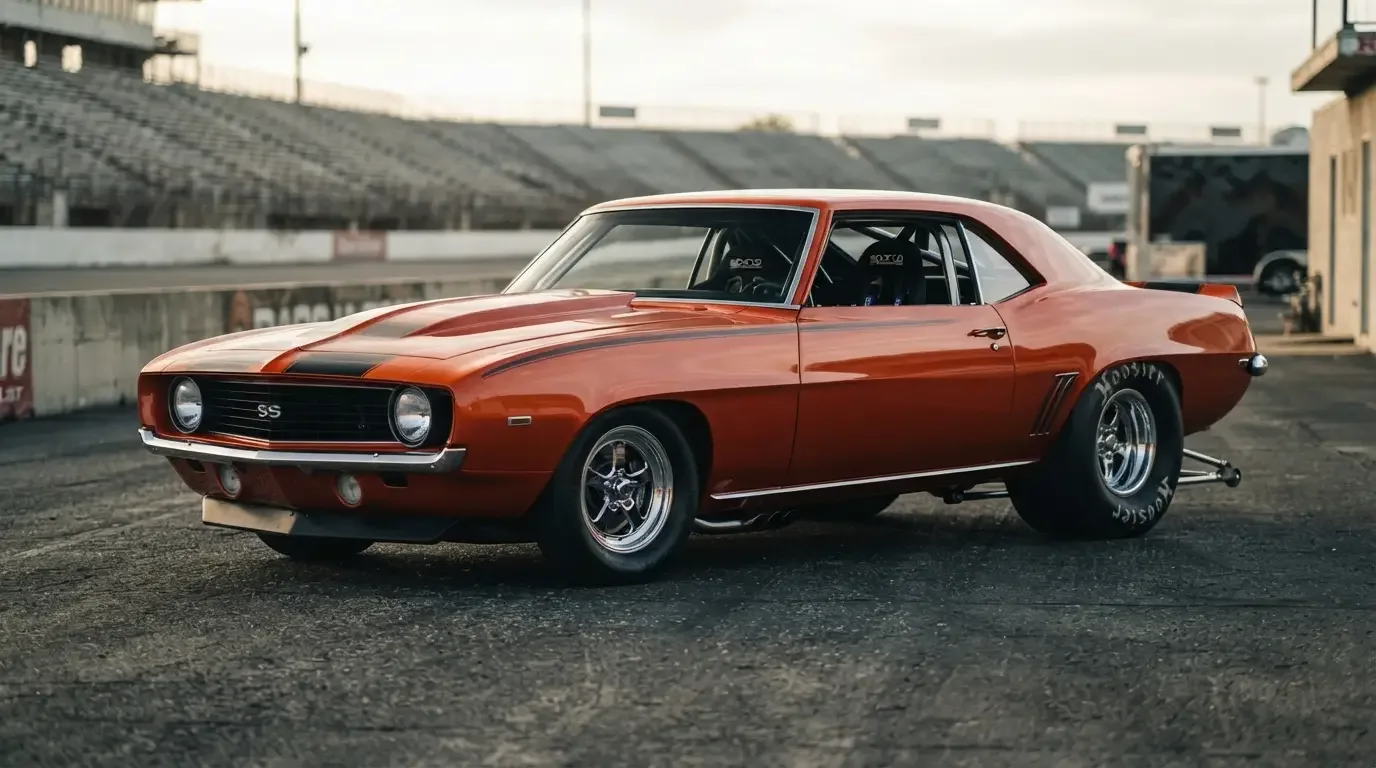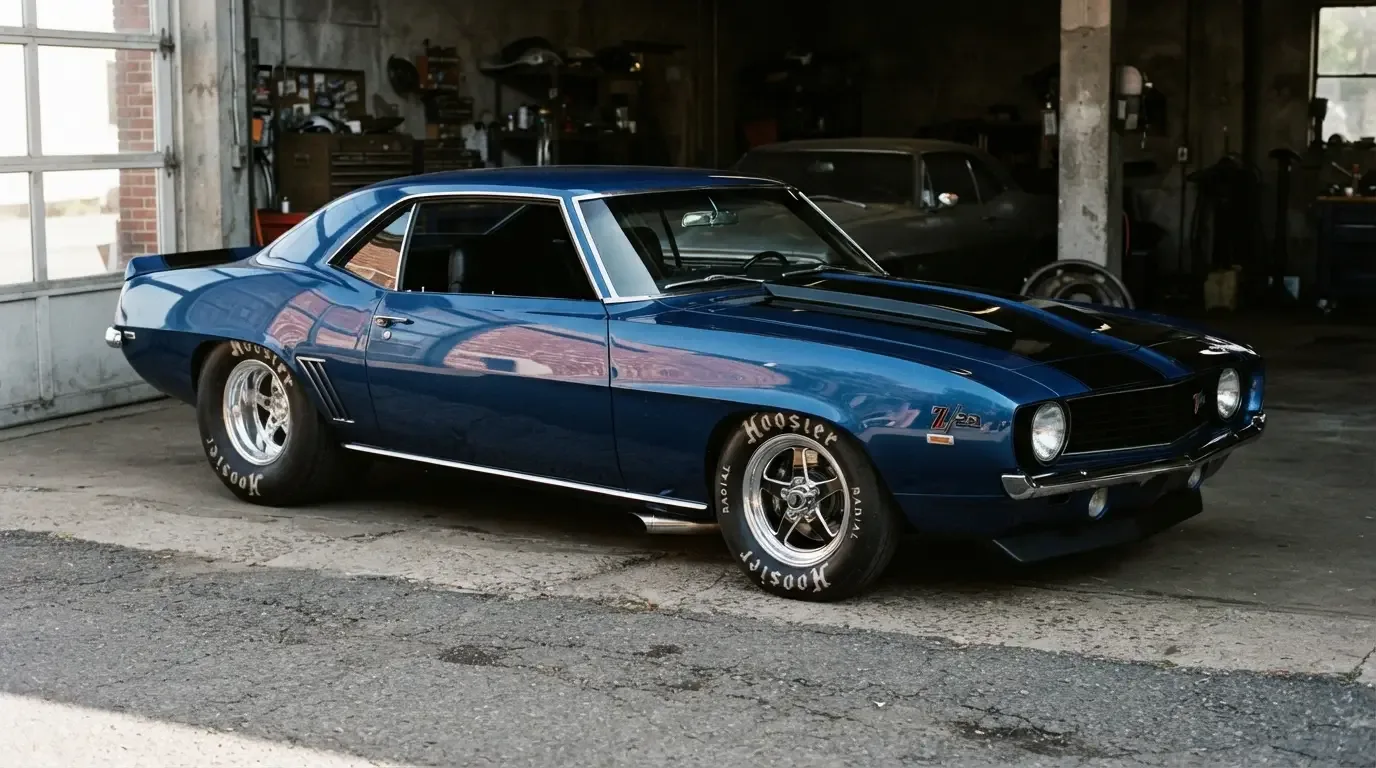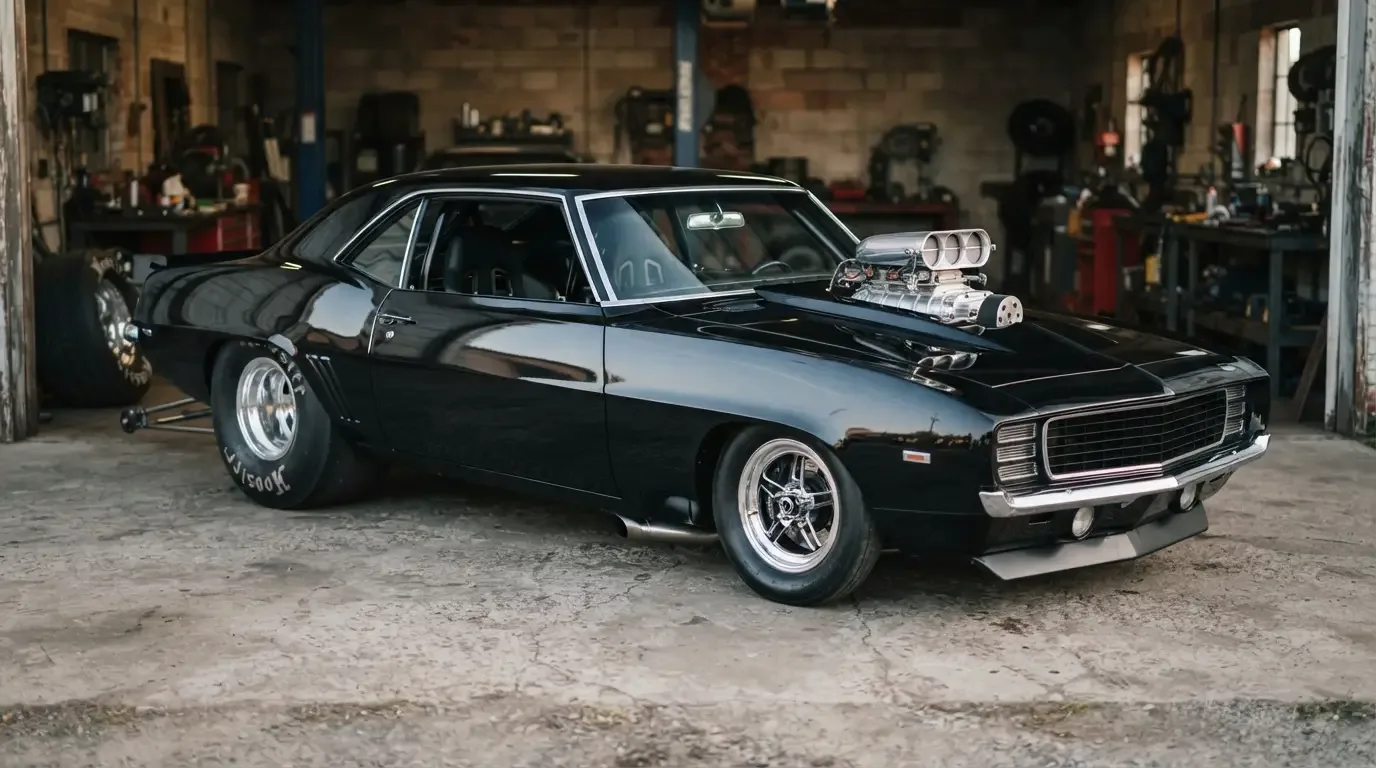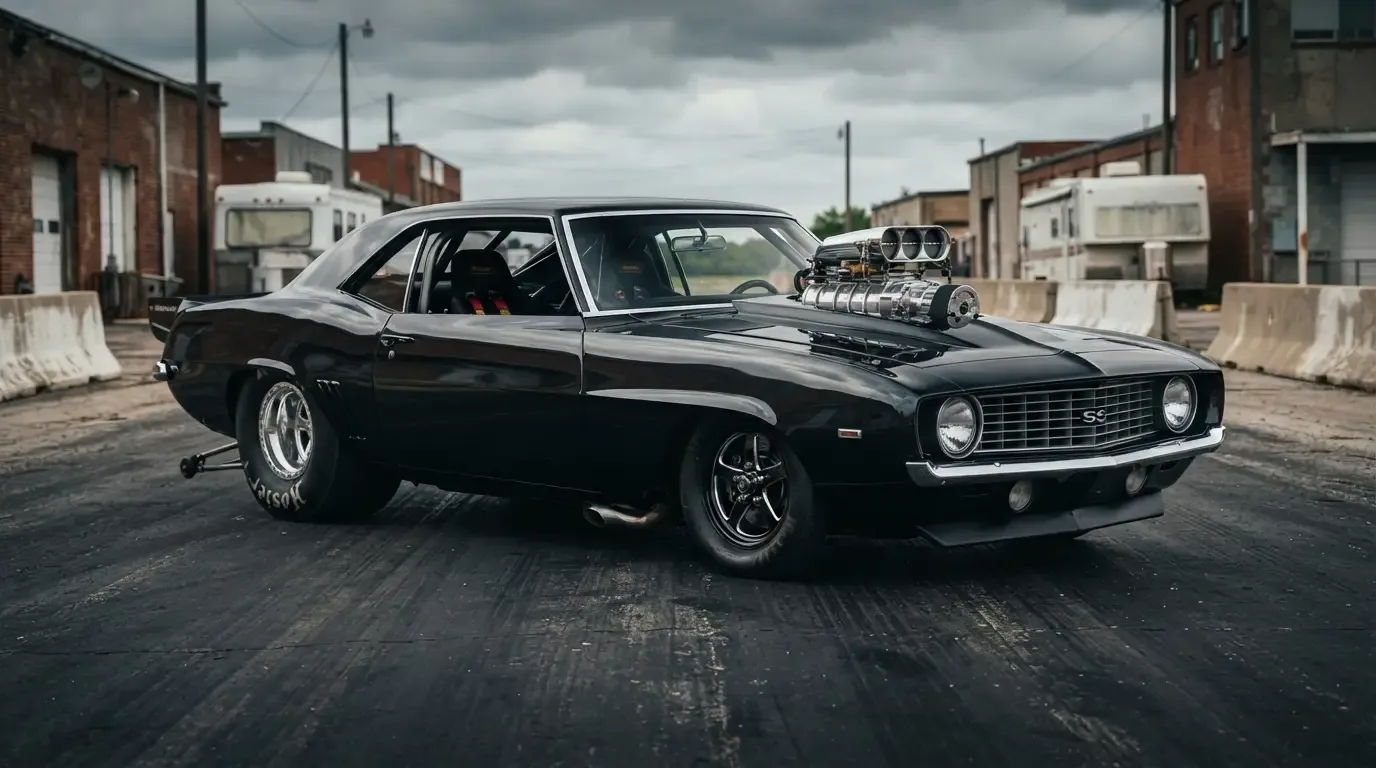
Walk a car show parking lot in 1988 and you would find two very different crowds standing around two very different kinds of builds, arguing about which one deserved the bigger trophy. One group circled cars with tubbed rear ends, slicks poking out from under the quarter panels, and engines that looked like they belonged under a hood at the drag strip. The other group gathered around cars with slammed suspensions, colorful graphics, big wheels, and a look built for cruising the strip downtown rather than launching down one. The street machine vs pro street debate was not academic back then. It decided who won which class, who got featured in which magazine, and which builder got bragging rights at the local cruise.
Two movements that grew from the same root
Both Pro Street and street machine culture trace back to the same source, the hot rodders and drag racers of the 1960s and 70s who wanted their cars to look as aggressive parked as they did moving. From there the paths split. Pro Street chased a specific, almost literal aesthetic, a car that looked like a purpose built drag machine that happened to have license plates. Wide rear tires, tubbed wheel wells, big engines, and a stance that screamed straight line performance defined the look, whether or not the car ever actually saw a quarter mile timeslip. If you want the full background on how that started, the what is a pro street car story covers the roots in detail.
Street machine culture cast a wider net. A street machine could be a mild custom with a fresh paint job and a set of wheels, a full blown show car with airbrushed murals, or anything in between, as long as it prioritized style and street presence over any single mechanical signature. Where Pro Street had a checklist, tubs, slicks, blower or big engine, street machine was closer to an attitude than a formula.
The visual tells that separate them
Spotting the difference does not take an expert eye once you know what to look for. A Pro Street car almost always has a visibly wider rear tire than front tire, sometimes dramatically so, sitting under quarter panels that have been reworked to clear the extra width. The stance usually rakes slightly, nose down, rear up, echoing a drag car staged at the line. Street machines tend toward a more even stance, sometimes slammed evenly front and rear, and the tire sizing is chosen for looks and handling rather than to fit the biggest possible slick.
Engine presentation differs too. Pro Street builders loved to show off the motor, chrome intakes, polished valve covers, sometimes a blower poking through a scooped hood, because the engine bay was part of the performance statement. Street machine builds varied more, some tucking a mild engine under a clean bay, others going wild with custom paint and billet accessories purely for visual effect rather than to signal horsepower.
| Trait | Pro Street | Street Machine |
|---|---|---|
| Rear tire width | Dramatically wider than front | Moderate, style driven |
| Stance | Nose down, rear raised | Even or slammed both ends |
| Engine focus | Central to the build's identity | Variable, sometimes secondary to bodywork |
| Primary influence | Drag racing aesthetics | Custom and show car culture |
| Typical era peak | Mid to late 1980s | 1980s through 1990s, longer running |
Why the rivalry got personal
Magazine coverage fueled a lot of the tension. Hot Rod and Car Craft ran regular Pro Street features and even dedicated events, which gave that scene a national spotlight and a sense of legitimacy among performance minded builders. Street machine culture had its own magazines and its own circuit of shows, and builders in that camp sometimes viewed Pro Street cars as one trick ponies, all show tire and no real world usability. Pro Street loyalists returned fire by pointing out that plenty of street machines never made a genuine performance claim at all, dressing up a mild build with flash rather than substance.
Neither side was entirely wrong. A tubbed Pro Street car with a giant rear tire genuinely could not turn as well as a properly set up street machine, and a street machine with a mild small block genuinely could not run the quarter mile times a serious Pro Street build could manage. The rivalry was real but it also missed the point that both movements were solving the same underlying problem, how to make a street car feel special, just with different tools.
"I remember standing at a cruise night watching two guys argue about which build was more legitimate, and neither one of them had actually raced their car that year. That was Pro Street versus street machine in a nutshell, more about identity than results."
- Patrick Walsh
The overlap that gets overlooked
Plenty of cars from the era do not fit cleanly into either box, and that overlap is where some of the most interesting builds live. A street machine with tubbed rear wheel wells but a moderate tire width, or a Pro Street car with show quality paint and interior work that would not look out of place at a street machine nationals, blur the line the magazines drew so sharply at the time. Understanding where each movement came from helps make sense of these hybrids rather than forcing them into a category that does not quite fit. For a deeper breakdown of how the pure Pro Street formula came together, the full story lays out the specifics.
If you are hunting for a genuine example of either style today, knowing the difference matters for more than bragging rights. It affects value, it affects what parts and documentation you should expect to find with the car, and it affects how the build will actually drive once you get it home. Buyers browsing classic Pro Street cars on the market should go in knowing which tradition a given car actually belongs to, since sellers do not always draw the line as carefully as the original builders did.
How the two scenes eventually made peace
By the 1990s, a lot of the rivalry had softened into something closer to mutual respect, or at least mutual indifference. Shows started running combined classes, or at least placing the two styles side by side rather than treating them as opposing camps competing for the same trophy. Part of this came down to simple demographics. The builders who had argued loudest in 1985 were a decade older by the mid 1990s, many of them raising families and working full time jobs that left less energy for tribal loyalty to one particular scene over another. Part of it came down to the cars themselves aging into a shared category, classic builds from a bygone era, regardless of which philosophy originally produced them.
What survived the softening rivalry was the visual vocabulary each side developed. Modern builders drawing on either tradition still reach for the same signature moves, the tubbed rear end and blown motor of Pro Street, the graphics and stance of street machine culture, sometimes blending both in a single build without much concern for which camp gets credit. That blending would have seemed like a betrayal to some of the loudest voices at a 1987 show, but it reads today as simple appreciation for two closely related traditions that were always more alike than either side wanted to admit at the time.
Sources and notes
- Wikipedia: Pro Street
- In The Garage Media: Defining Muscle Car Terms, Pro Touring, Pro Street, and Street Freak
- Fuel Curve: Street Machines, Pro Street to Pro Touring, Part 1
- RacingJunk: Pro Street Vs Pro Touring
- Hagerty: Pro Street's Greatest Builds Honored at 2024 Grand National Roadster Show
- Chevy Hardcore: Pro Street, A Look Back At The Bow-Tie Style That Never Gets Old