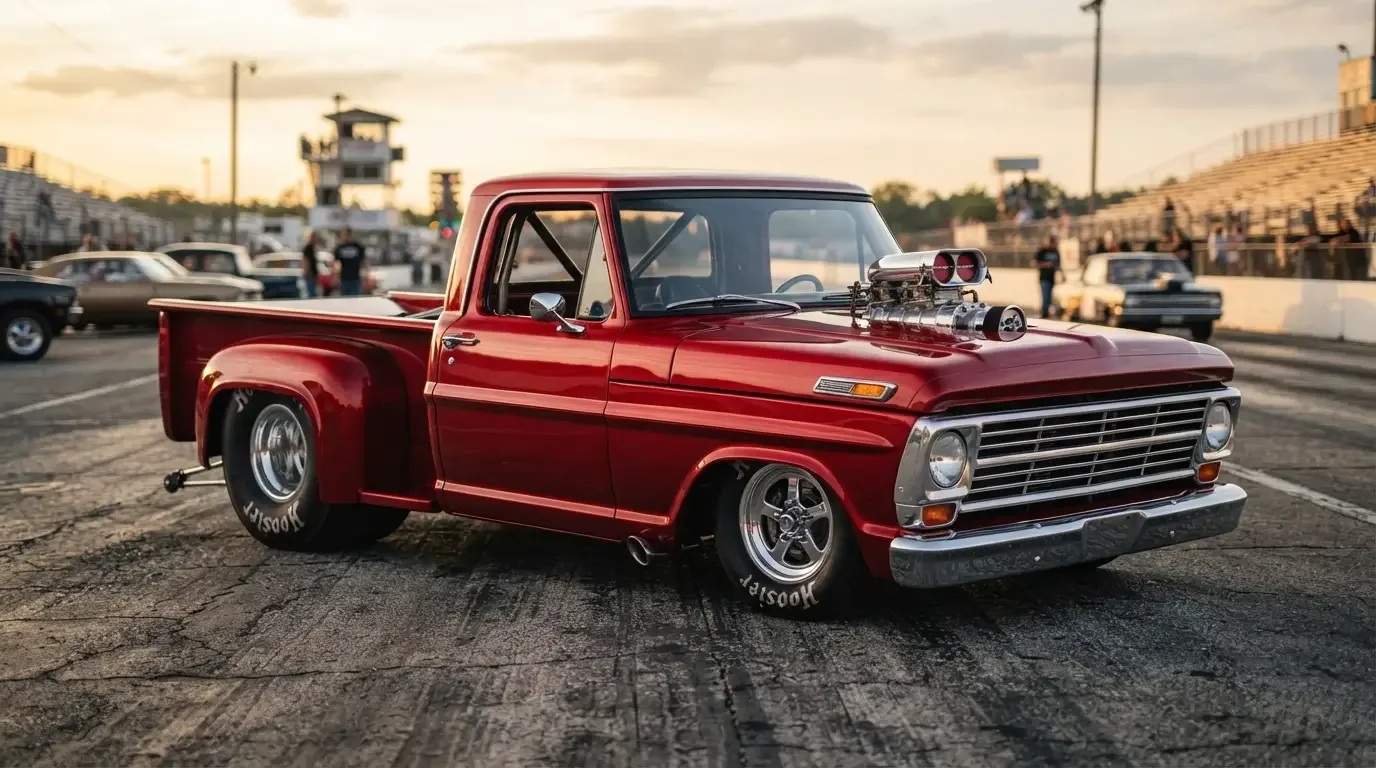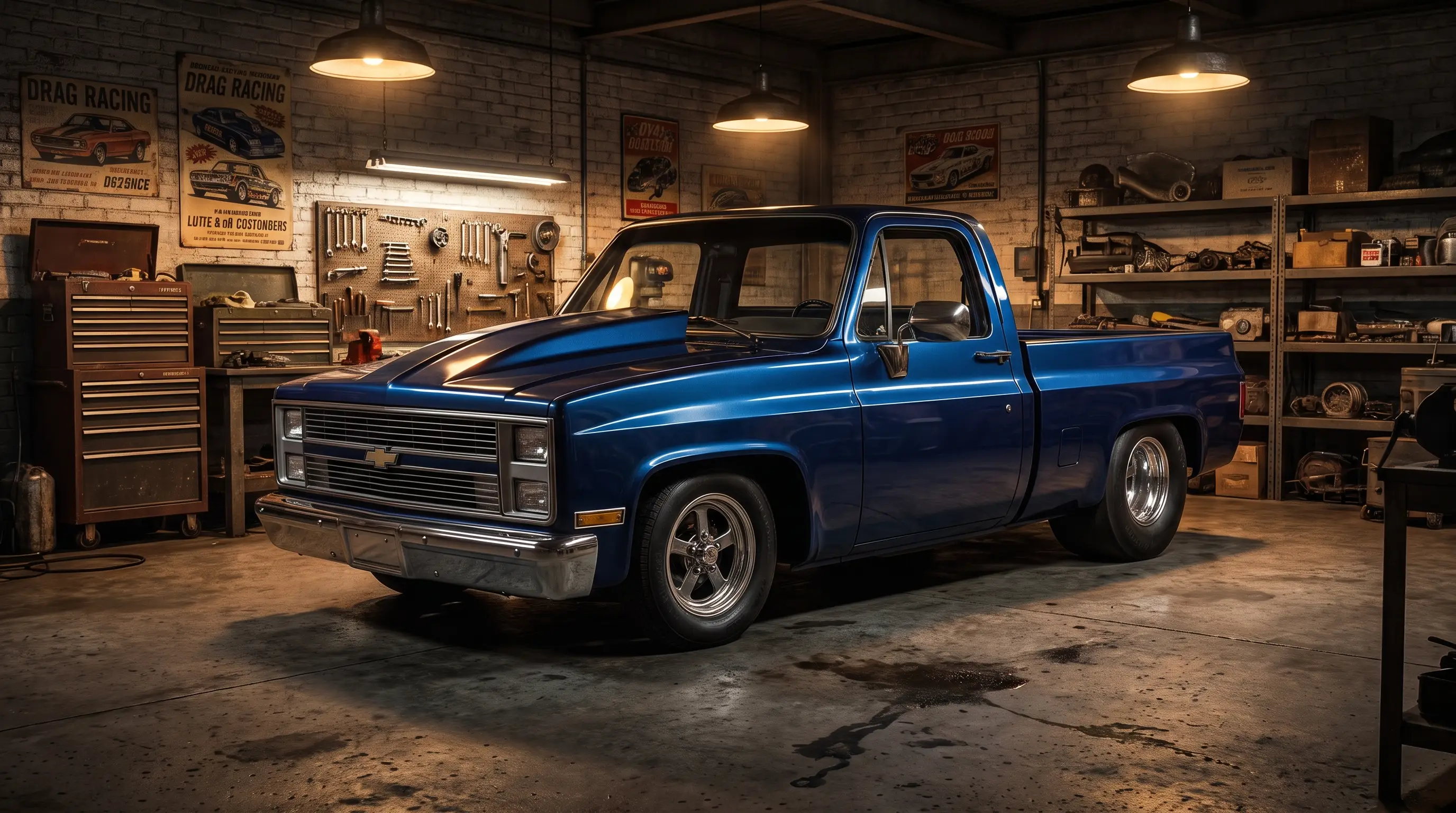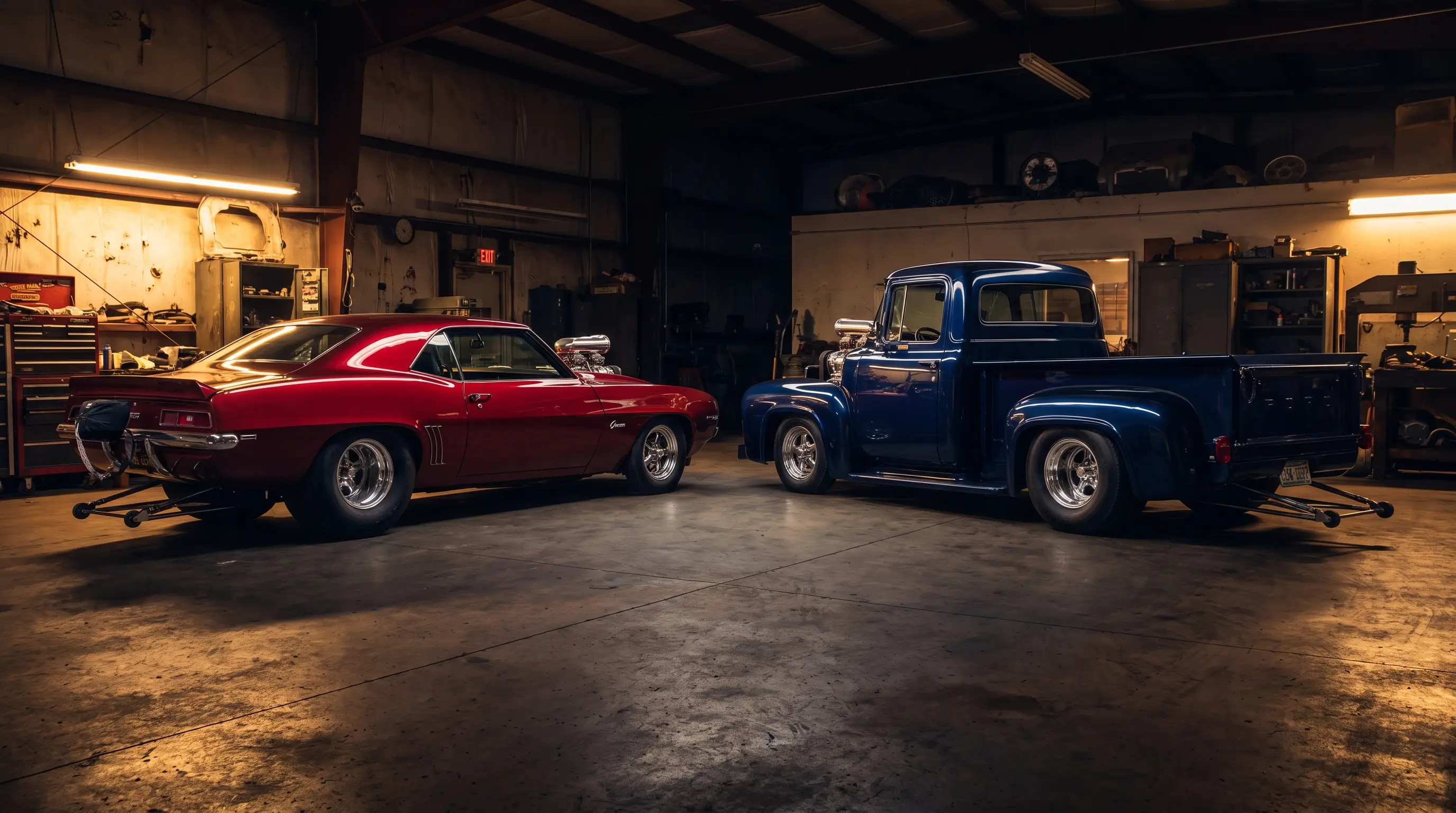
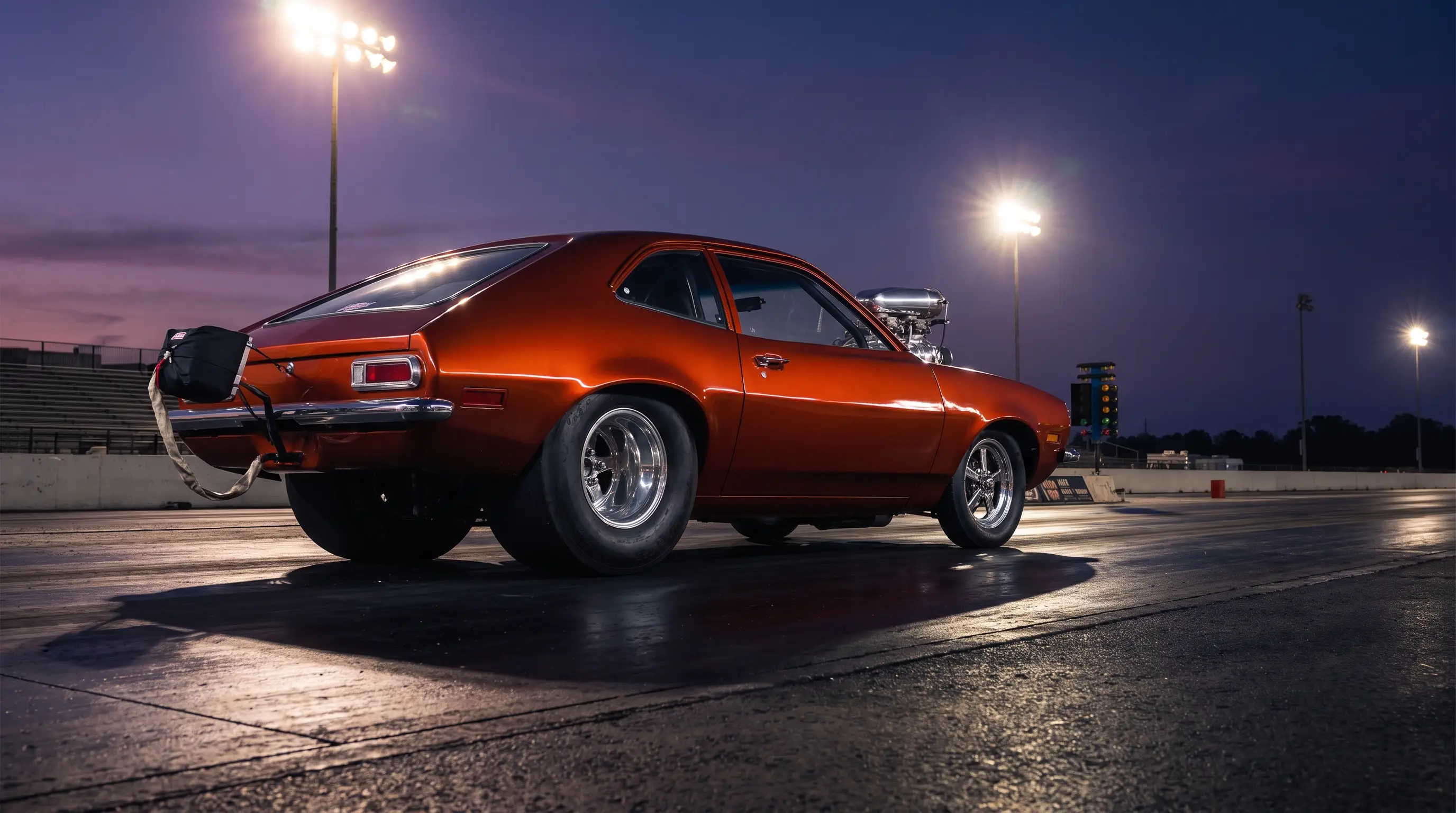
Every scene has its weirdos, and Pro Street had more than its share of them. Somewhere between the tenth Nova and the twentieth Camaro at any given show in the 1980s, somebody would show up with something nobody had thought to tub before, a Pinto, a Vega, a Gremlin, maybe something even stranger. These unusual pro street builds never made up the bulk of the movement, but they are the ones people still talk about decades later, because nobody expects to see a subcompact economy car running a blown big block and a set of slicks that dwarf the rest of the body.
The logic behind the strangest choices
Building a Pro Street car out of something unusual generally came down to one of two reasons. Sometimes it was pure availability, a guy had a cheap, rusty Gremlin sitting in his yard and figured he might as well do something interesting with it rather than let it rot. Other times it was a deliberate statement, a way to stand out at a show where half the field was running the same handful of popular platforms. Either way, the oddball builders shared a certain stubbornness that the mainstream Nova and Chevelle crowd did not need, since they were solving fabrication problems nobody had already worked out for them.
Pintos and Vegas in particular showed up more than you might expect, mostly because both were cheap, plentiful, and light enough that even a modest engine swap produced dramatic power to weight numbers. Gremlins had a similar appeal, with the added benefit of a shape so unusual that a tub job made the car look almost like a different vehicle entirely.
The engineering problems nobody warned them about
Small economy cars were never engineered with performance in mind, which meant builders taking on an oddball platform often discovered structural weaknesses the hard way. Thin sheet metal, minimal rear subframe strength, and suspension mounting points designed for a four cylinder rather than a big block all created headaches that a Chevelle builder simply did not face. Successful oddball builds usually involved significant custom fabrication, reinforced frame rails, and rear structures essentially built from scratch rather than modified from the factory setup.
| Detail | Typical unusual Pro Street build |
|---|---|
| Common donor cars | Ford Pinto, Chevy Vega, AMC Gremlin |
| Original design intent | Economical, fuel efficient daily transportation |
| Main build challenge | Thin sheet metal and weak rear subframe strength |
| Typical engine | Small block or big block Chevy, sometimes supercharged |
| Notable trait | Extreme power to weight ratio once swapped |
Why so few of these survived the decades
Rust ended a lot of these cars before neglect or accidents ever got the chance. Pintos and Vegas in particular had a well earned reputation for rusting quickly even in stock form, and a car that spent years sitting outside a home garage during a build did not fare any better. Add in the fact that many of these builds were one man projects without a big budget or a team of fabricators, and you end up with a survival rate far lower than mainstream Pro Street platforms like the Nova or Camaro.
"Nobody builds a Pro Street Gremlin because it is the smart choice. You build one because you want people to stop and stare, and that part always works."
- Mike Sullivan
How these builds got noticed at shows
An unusual platform earned attention simply by existing, but the builders who took these projects seriously still put real thought into presentation. A tubbed Pinto or Vega running plain factory colors could easily look like an unfinished joke rather than a genuine build, so many owners leaned into bold paint schemes specifically to signal that the car was a deliberate statement rather than an accident. Bright single stage colors, simple but confident graphics, and polished wheels helped an oddball build read as intentional rather than desperate, which mattered enormously to how seriously other builders and judges took the car.
Word of mouth did more for these builds than any magazine feature ever could. A well built Gremlin or Pinto became a local legend specifically because so few people had seen anything like it, and stories about a particular car's quarter mile time or a specific show appearance tended to spread through a regional club scene faster than they would for a more common platform. That kind of grassroots reputation is part of why so many stories about unusual Pro Street builds survive today even when the cars themselves did not.
Where to learn more and what to look for
For readers who want our complete history of how trucks and oddball platforms both found a place within Pro Street culture, that piece traces the wider pattern these builds fit into, showing how the same instinct that pushed a guy toward a tubbed truck also pushed another guy toward a tubbed Gremlin.
Why these cars matter to the bigger picture
Oddball builds rarely get the credit they deserve in broader histories of the Pro Street movement, which tend to focus on the cars that sold in bigger numbers and left a wider mark. But these unusual builds tell you something the popular platforms cannot, that the underlying formula behind Pro Street, take a light body, add serious power, tub the rear for maximum tire, was never really about any one specific car. It was a way of thinking that could be applied to almost anything with four wheels and a trunk or hood big enough to work with, and the Pintos and Gremlins prove that better than any Nova ever could.
Anyone hunting for one of these rare survivors should keep an eye on general listings rather than expecting a dedicated market, since unusual builds tend to surface unpredictably. You can browse classic Pro Street car listings regularly and watch for the occasional Pinto or Gremlin mixed in among the more familiar Chevelles and Novas. When one does show up, it rarely stays listed for long, because collectors who specifically chase these oddballs know exactly how rare a genuine survivor really is. Patience, a willingness to travel for the right car, and a genuine appreciation for the strange are the real requirements here, more than any specific budget or mechanical skill set, and that has always been true of anyone chasing the odd ones out.