The pit lane at a small-tire outlaw race looks nothing like the staging lanes at a Pro Street cruise-in, and that difference tells you almost everything you need to know before anyone says a word. One is dead quiet concentration, crews checking tire pressure with a gauge and a stopwatch. The other is loud, social, full of guys leaning on fenders comparing paint jobs. Pro Street built the look that outlaw street cars eventually borrowed and pushed further, and the two get lumped together constantly by people who only know the term from a magazine cover.
Pro Street vs outlaw: two generations, one family tree
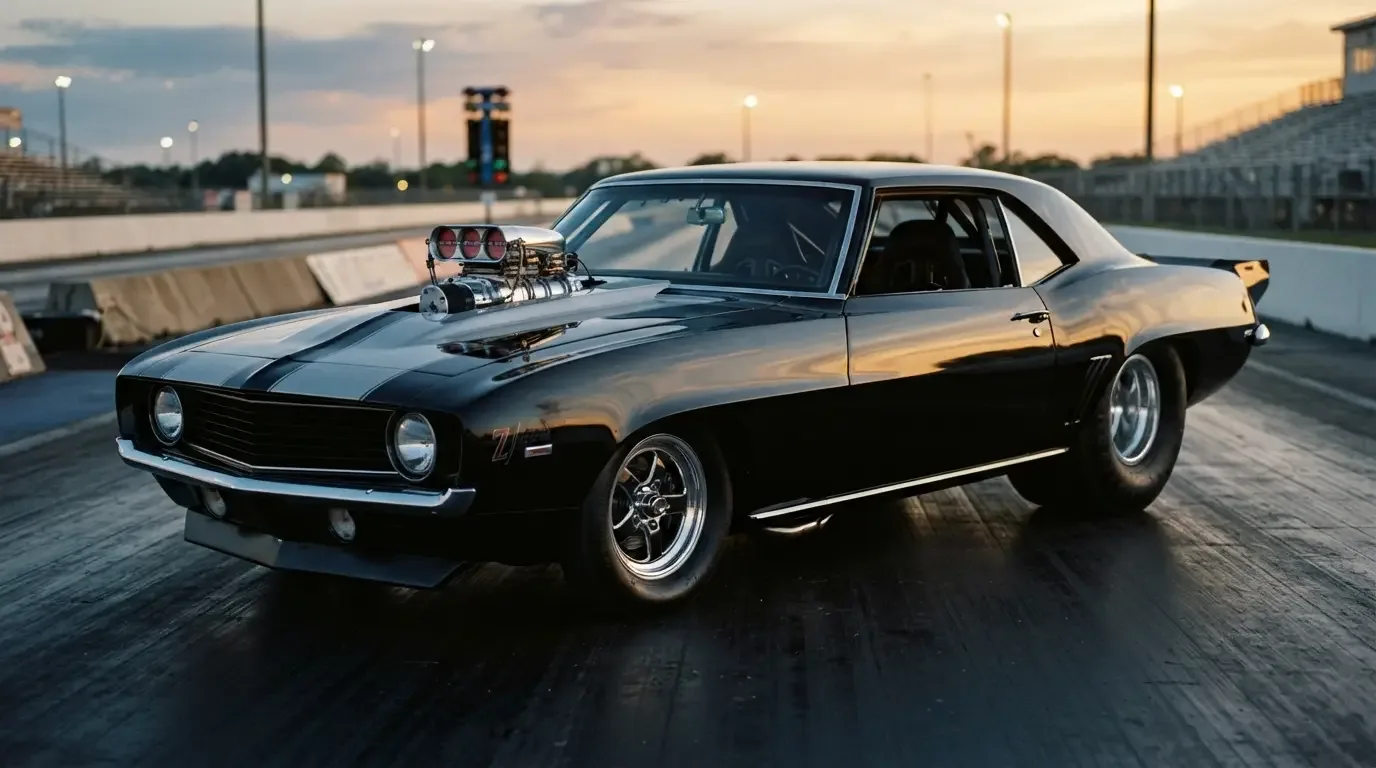
Pro Street cars showed up on American streets in the late 1970s as a direct answer to what drag racers were doing at the strip. Guys wanted their street cars to look like Pro Stock cars: tubbed rear wheel wells, a huge back tire, narrowed rear ends, a hood scoop that meant business. The point was never to hide the car's purpose. The point was to broadcast it while still driving to work on Monday. If you want the origin story in full, where this started covers the movement's early years in detail.
Outlaw street cars are a different generation of the same idea
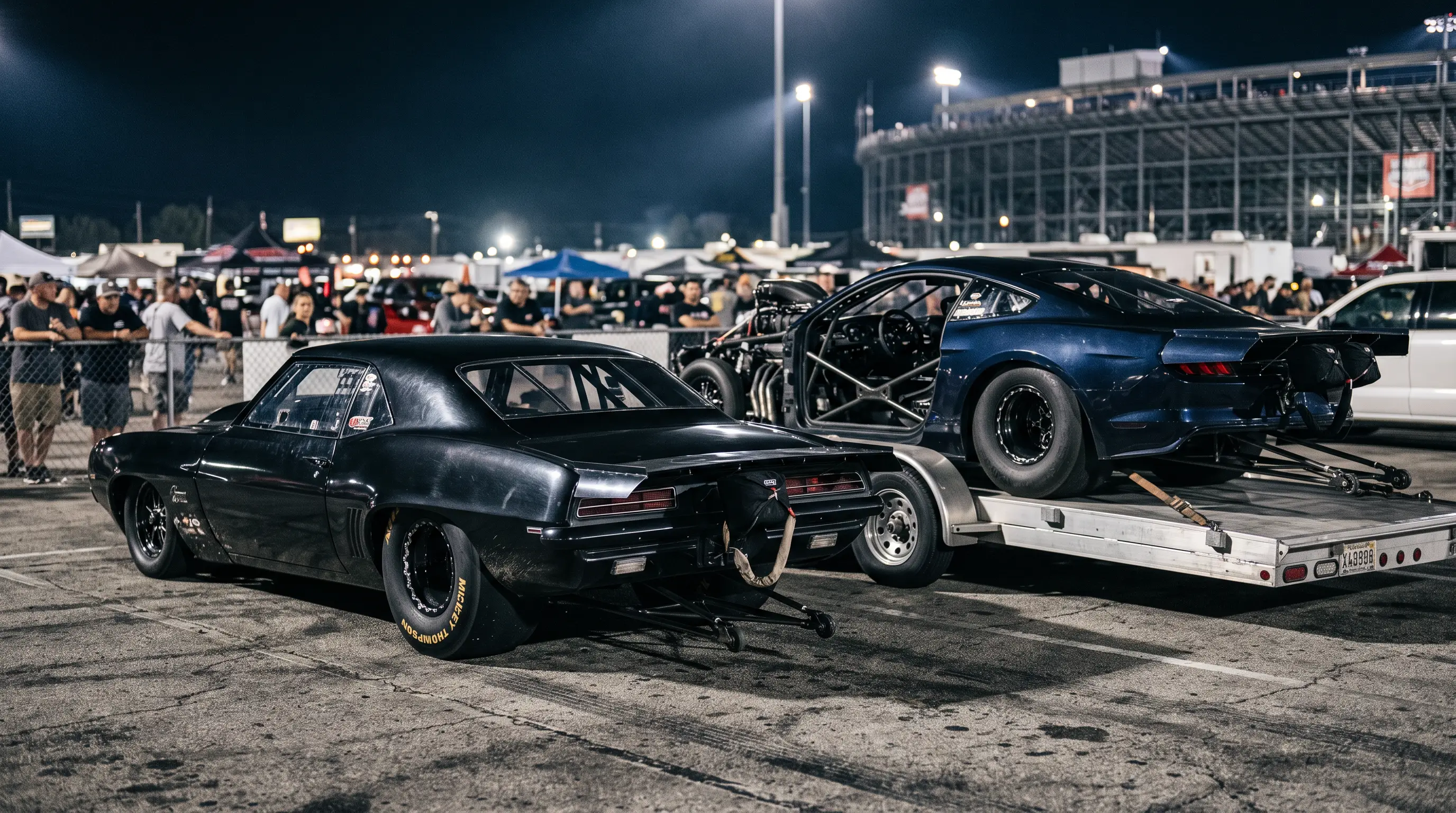
Outlaw racing came up through small-tire, no-prep drag racing culture that took hold in the 1990s with formats like Outlaw 10.5, then exploded into the mainstream through 2010s cable television coverage of grudge races, and a generation of builders who wanted the drama of Pro Mod without the six-figure budget. An outlaw street car keeps a much smaller rear tire than a Pro Street build, often a true street radial rather than a giant slick, and leans hard into raw horsepower over spectacle. Where a Pro Street car is built to be seen, an outlaw car is built to win a grudge match on a back road or an unprepared track, and looking good is a side effect rather than the goal.
| Trait | Pro Street | Outlaw Street Car |
|---|---|---|
| Era | Late 1970s through the 1990s golden run | Grew from 1990s small-tire racing, exploded with 2010s no-prep TV coverage |
| Rear tire | Large, often a slick or semi-slick | Smaller, street-radial focused |
| Purpose | Visual statement plus occasional strip runs | Winning heads-up races on the street or no-prep track |
| Culture | Cruise nights, car shows, magazines | Livestreams, grudge races, prize money |
Bodies borrowed from the same era
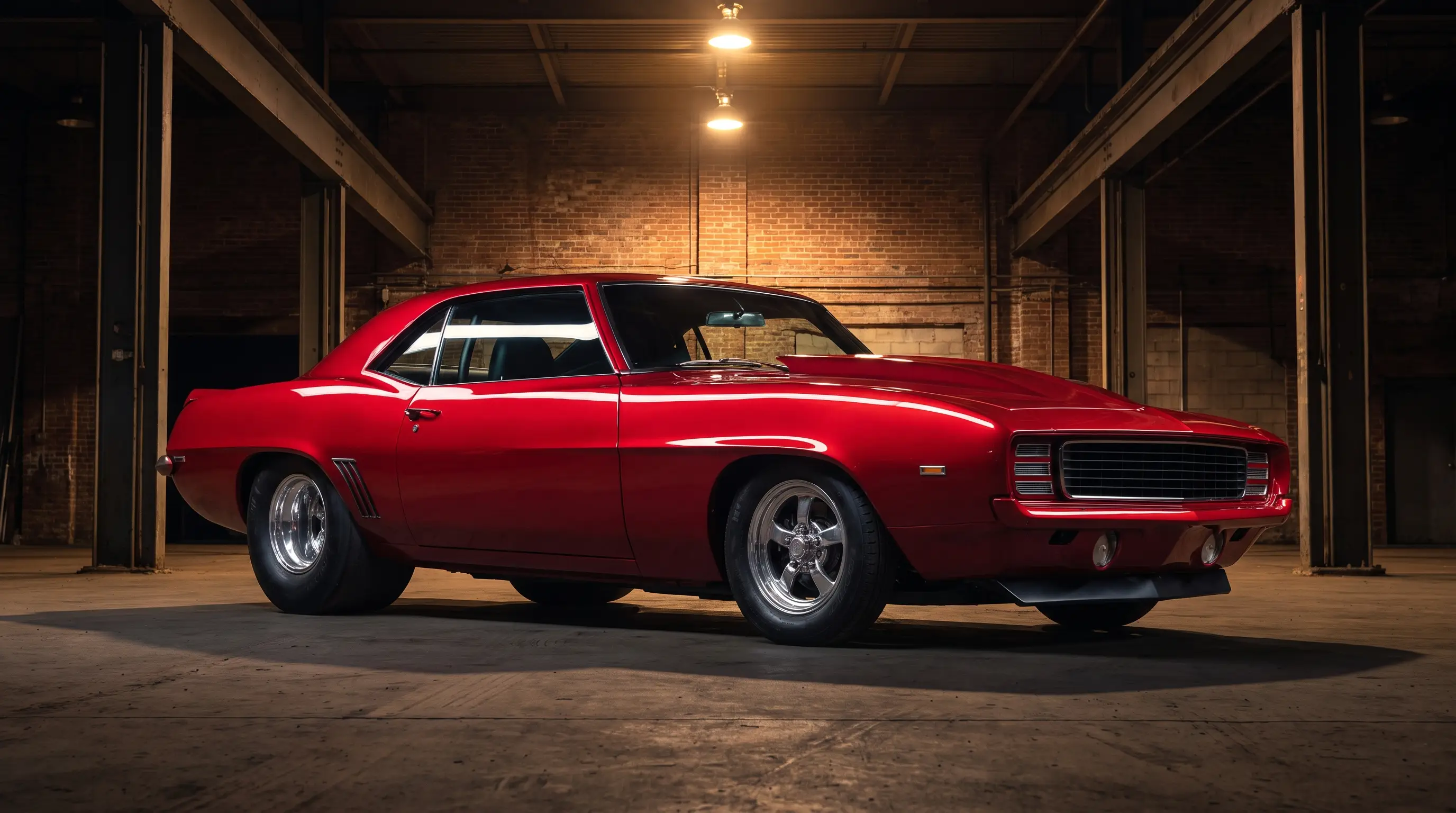
Both movements lean heavily on the same handful of platforms: Camaros, Novas, Mustangs, Chevelles, cars built during the muscle car years that already had aggressive proportions before anyone touched them. A tubbed 1969 Camaro can end up dressed for a Pro Street show one year and stripped down for outlaw competition the next, wearing the same body with a completely different mission underneath it. That shared starting point is part of why the two scenes overlap in parking lots even when their races look nothing alike, and it is part of why fans of one usually end up respecting the other, even if they would never build it that way themselves.
The engineering priorities split hard
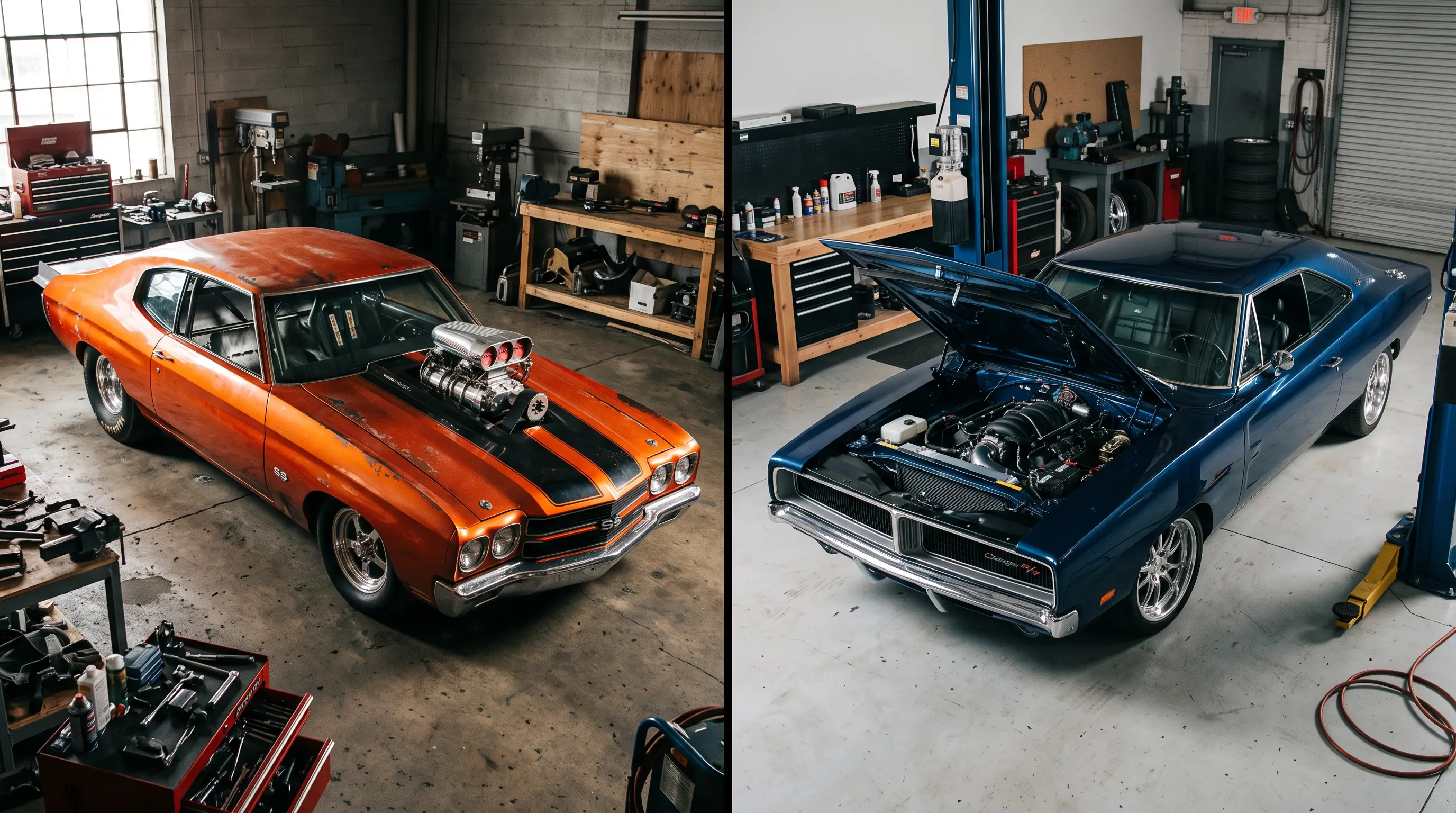
A Pro Street builder chases stance and drama first, then reliability, then straight-line speed. An outlaw builder chases elapsed time above almost everything else, because the whole scene is built around who wins the race, not who looks meanest doing it. That means outlaw cars often run lighter, leaner interiors, more aggressive suspension setups tuned for a specific track surface, and engine combinations pushed right to the edge of what the car can handle on a given night. A Pro Street car from the golden era, by contrast, usually still carries carpet, a stereo, and a back seat, because the whole point was driving it to the show.
"Pro Street guys built a car people would stop and stare at in a parking lot. Outlaw guys built a car that would make people stop talking when it rolled into the water box."
- Patrick Walsh
Where the two still overlap
Plenty of builders move between the categories depending on the season, taking a car that started life as a show-focused Pro Street build and leaning it out for a grudge race, or taking an outlaw car and dressing it up for a cruise once the racing season slows down. The bones are similar enough, a tubbed rear, a narrowed axle, a stripped interior, that the crossover makes sense mechanically even if the intent behind the build is different. For more on the pro street vs pro touring comparison, that piece digs into how Pro Street differs from the road-course-focused branch of the same original hot rod family tree.
Which scene fits which owner
If the appeal is presence, a car that turns heads at a show and still gets driven there, Pro Street remains the more approachable path, with a bigger population of surviving period cars and a well-documented look to build toward. If the appeal is pure competition and bragging rights over an actual race result, outlaw street car culture rewards a different kind of obsession, one built around elapsed times rather than paint depth. Either way, if you're shopping rather than building from scratch, classic Pro Street cars on the market is a good place to start comparing what survives from the era that started the whole trend.
What a buyer actually finds at each type of event
Walk a Pro Street car show and the conversations run toward build history: who did the bodywork, what year the paint went on, whether the interior is original or reproduction. Owners want to talk. Cars sit with hoods up and doors open, inviting a closer look. Walk an outlaw racing pit and the mood flips. Crews are focused on the next run, checking data logs, adjusting tune-ups between rounds, and a stranger asking about paint color is going to get a short answer at best. Neither approach is wrong, they simply serve different audiences. A buyer chasing show presence should spend time at Pro Street events studying finished cars up close. A buyer chasing performance credentials should watch actual time slips at an outlaw event before assuming a car is as fast as its reputation suggests.
Documentation looks different too
A well-kept Pro Street car often comes with a build book, magazine features, or trophies from decades of shows, the kind of paper trail that supports both story and value. An outlaw car's real documentation is its time slips and a reputation built race by race, something that matters enormously to insiders but means little to a buyer who was not around to see the runs happen. That gap catches new buyers off guard. A Pro Street car with thin paperwork is still judged on what is visible. An outlaw car with no time slips is judged as unproven no matter how good the parts list looks on paper.