
Every subculture eventually gets a name attached to it, someone who took a loose idea and gave it a shape other people could recognize and copy. For the Porsche 356 outlaw, that name is Rod Emory. He did not invent modifying a 356. Guys had been cutting fenders and swapping engines since the 1970s. What Emory did was take that raw, garage-built impulse and turn it into a coherent style with real engineering behind it, one that collectors and other builders eventually treated as its own category rather than a hopped-up used car.
Car Features
6 min read
Rod Emory & the Birth of the Outlaw 356
One builder turned a loose garage habit into a defined style collectors now chase. Here is how Rod Emory shaped the outlaw 356.
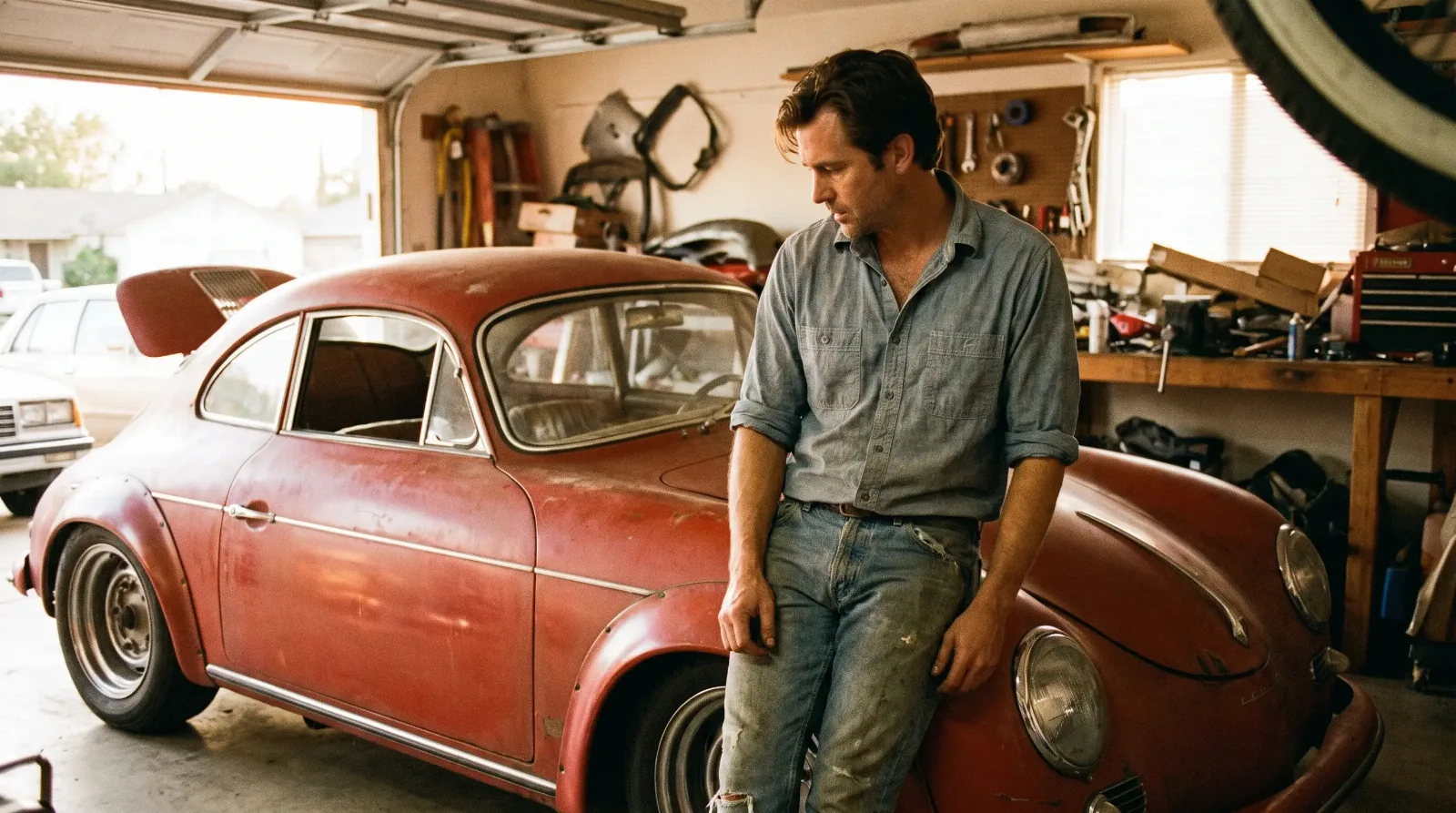
A family business that started with restoration, not customization
Emory's connection to Porsche is not incidental. His grandfather, Neil Emory, ran a body shop and hot rod business, Valley Custom, going back to the 1940s, and later his father Gary Emory built a career restoring and dealing in 356s through Emory Motorsports. Rod grew up around these cars the way some kids grow up around a family farm. He was not a hobbyist who discovered Porsches as an adult. He learned bodywork, chassis fabrication, and the specific quirks of the 356 platform from people who had been doing it since the cars were new.
That background matters because it explains why his early builds did not look like backyard hacks. He understood factory tolerances well enough to know exactly where he was deviating from them and why. A lot of outlaw builders were working by feel. Emory was working from a foundation of restoration knowledge, which let him push modifications further without losing the structural integrity of the car.
"Rod didn't just widen fenders and call it a day. He understood why the factory shaped that fender the way it did, and only then decided where he was going to disagree with it."
Jim Vasquez
The build that put a name on the style
The specific project usually credited with crystallizing the modern outlaw 356 look came together in the early 1990s, a car built for himself rather than a client, which meant no compromises for someone else's taste. It combined a lowered stance, subtly flared fenders shaped by hand rather than bolted from a kit, a built four-cylinder engine putting out meaningfully more power than a stock 356 ever saw, and a stripped, functional interior. None of it looked like a costume. It looked like a factory engineer had been given fifty more years of tire and suspension technology and told to go finish the job.
That is the detail people miss when they try to copy the look without understanding it. The car reads as restrained specifically because every change serves the driving experience. Nothing is there purely to be looked at. I have said this to clients more than once: if you cannot explain why a modification exists beyond "it looks cool," it does not belong on the car yet.
Craftsmanship over horsepower bragging rights
It would be easy to assume the outlaw 356 story is about chasing bigger numbers, more displacement, more power, faster lap times. That is not really it. Emory's builds, and the ones that followed his template, are judged on panel fit, on how a hand-formed flare flows into the original sheet metal, on whether the ride height and stance look intentional from every angle, not just the hero shot. A 356 only makes so much power no matter what you do to the engine. The car was never going to compete with anything modern on a straight line, and pretending otherwise misses what the whole exercise is for.
Here is a rough sense of how a build like this typically breaks down:
| Area | Typical approach | Why it matters |
|---|---|---|
| Bodywork | Hand-formed steel flares, smoothed panel gaps | Preserves the factory silhouette while fitting modern tire widths |
| Engine | Built four-cylinder, larger displacement, period-plausible internals | More torque and reliability without looking anachronistic under the deck lid |
| Suspension | Reworked torsion bars, upgraded dampers | Lets the car use modern tires without fighting the original geometry |
| Interior | Stripped trim, upgraded seats, retained factory gauges | Keeps the cabin honest to the era while improving usability |
That table is a template, not a rulebook. Every builder who followed Emory's example has adjusted it, which is exactly what should happen with a philosophy instead of a spec sheet. If you want the origin story behind why any of this became a movement instead of one guy's personal taste, we cover that ground directly in our piece on the outlaw and restomod scene.
How the market responded once the style had a name
Once Emory's work started getting attention through magazine features and word of mouth among collectors, the outlaw 356 stopped being a curiosity and became something people actively sought out and paid for. A well-documented Emory-built or Emory-inspired 356 can command a serious premium over a comparable original, and other builders around the country built careers doing similar work at various price points. That created a real market, waiting lists, brand recognition, and eventually the kind of demand that pushes prices for the best examples into six figures.
It also created imitators, cars with a wide fender and a paint job claiming outlaw status without the underlying engineering. That is worth knowing if you are shopping. A car that looks the part on Instagram and one that was actually built with the discipline Emory brought to the style are not the same purchase, even if the price tags look similar at first glance.
If you want to see how this same story looks from the other end of the outlaw spectrum, the 911-based scene took a very different, more media-driven path a couple decades later, and another angle on the same car covers exactly that. And if you want the full sweep from garage rebellion through today's collector market, the complete Porsche history connects every piece of it.
Rod Emory did not just build fast, good-looking 356s. He built a vocabulary other people could learn and extend, which is the actual definition of starting a movement rather than just having a nice car.
Buyers interested in this style today have real options beyond hunting down an original Emory build. Current Porsche restomods for sale include work from builders carrying that same philosophy forward at a range of price points.
Sources and notes
- Emory Motorsports: Outlaw Customization
- Emory Motorsports: The Outlaw-4 Engine
- Audrain Automobile Museum: 1963 Porsche 356 Outlaw
- Audrain Automobile Museum: 1956 Porsche 356 Emory Outlaw Coupe
- RM Sotheby's: 1957 Porsche 356 A Outlaw by Emory
- Porsche Hangout: The Complete Guide to Porsche 911 Outlaws
Related Reading
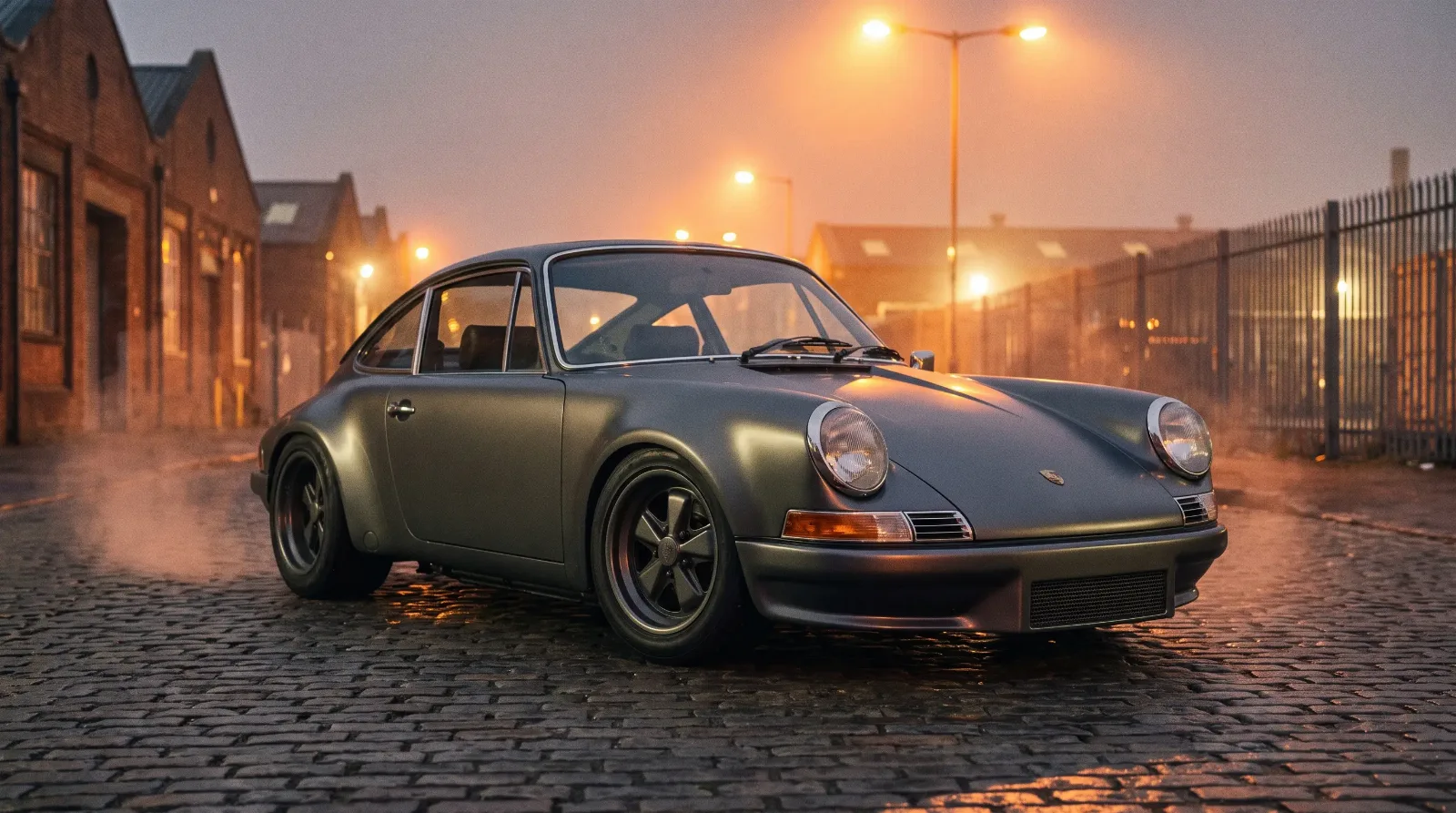
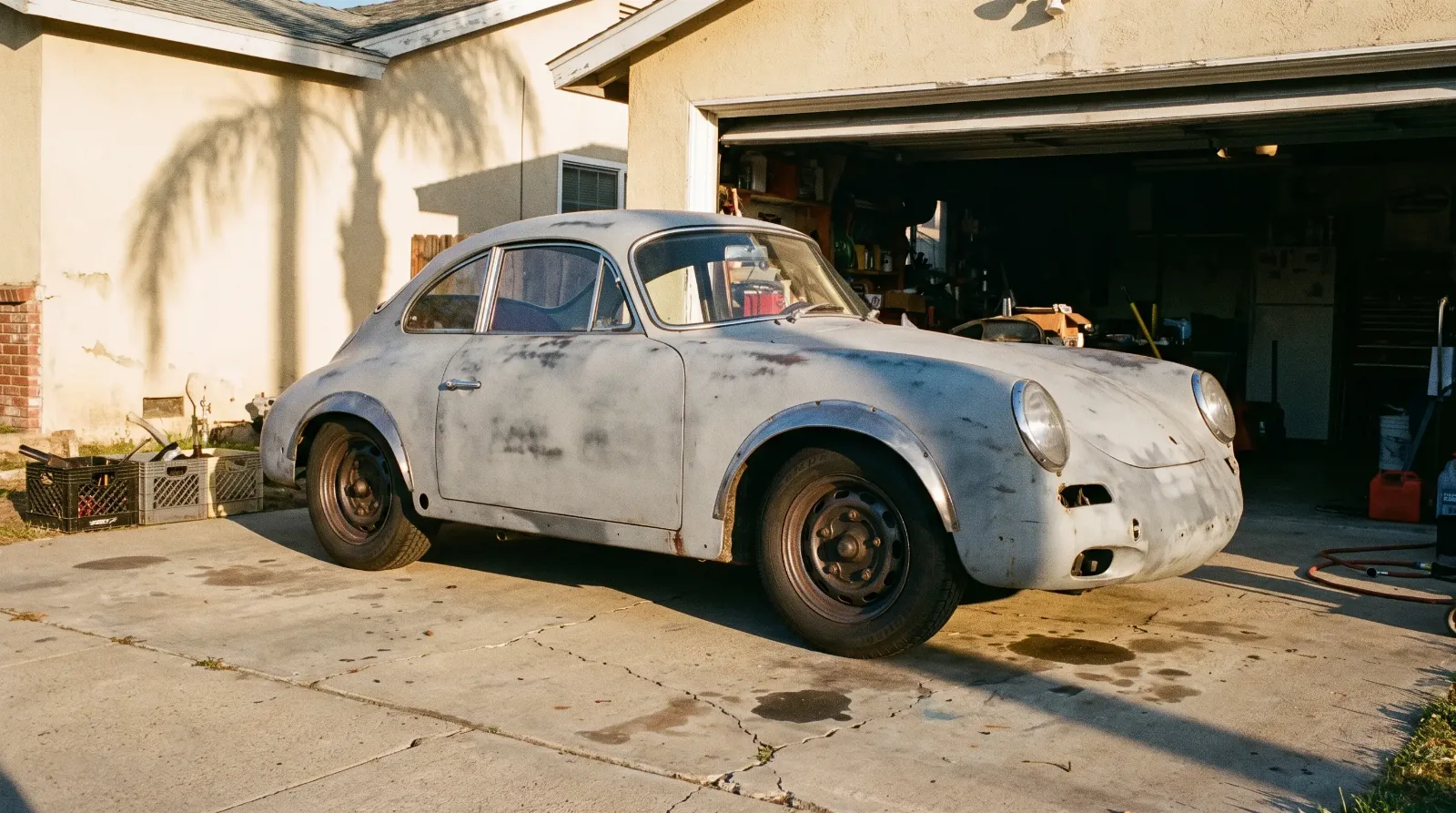
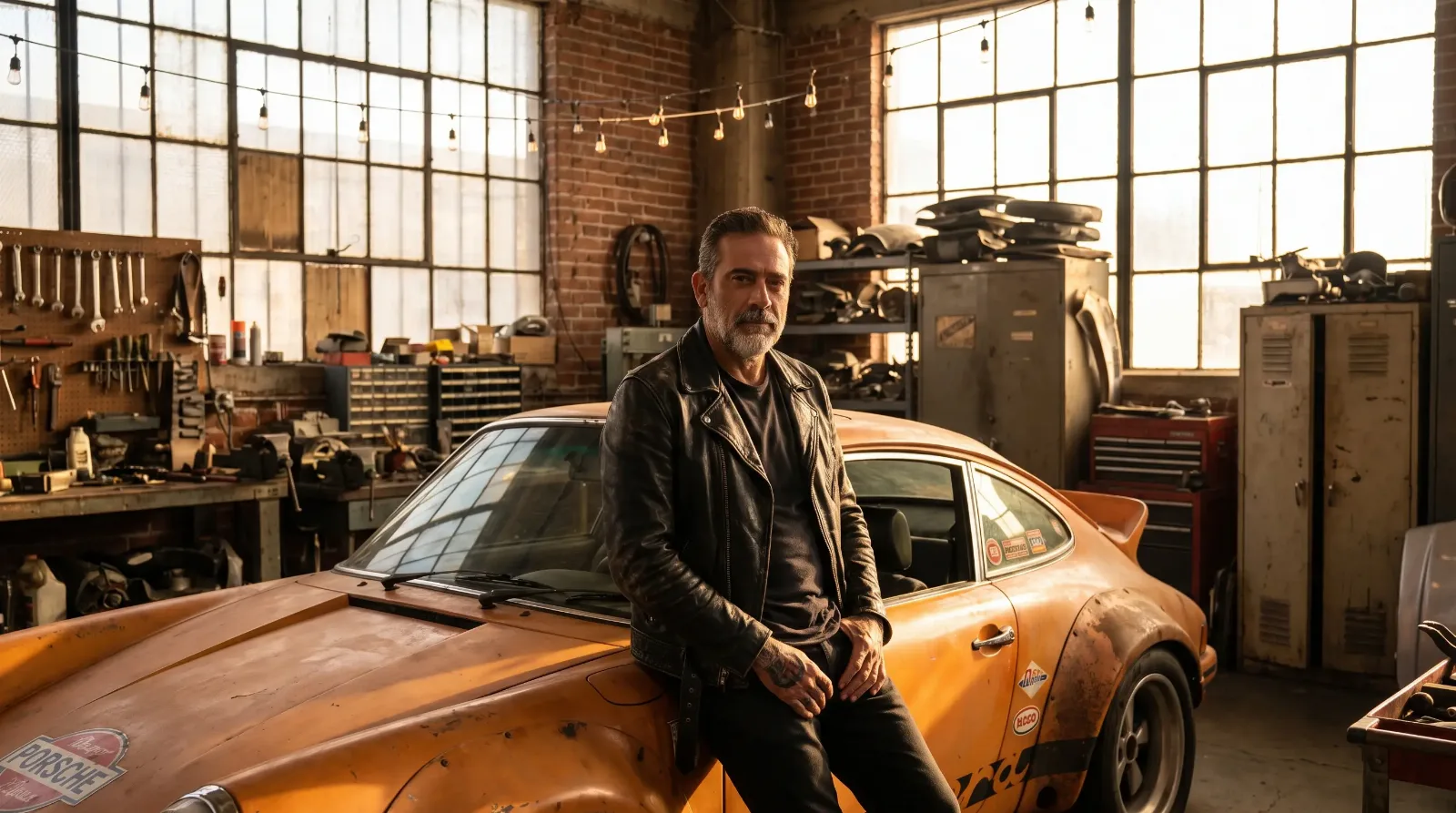
Have a
Porsche
for Sale?
Reach thousands of serious classic car collectors across the US.
Sell It Here →
Are You a Classic Car Dealer?
List your full inventory and connect with targeted classic car buyers.
Join as a Dealer →
About the author
Jim Vasquez
Southern California hot rod and custom car builder with roots in the traditional kustom kulture scene.
Related Listings - Porsche




Comments
Be the first to comment on this article.