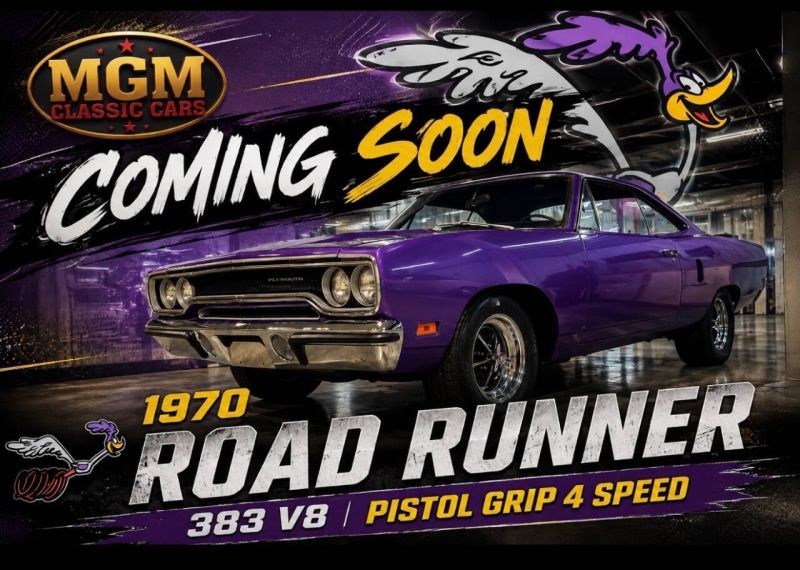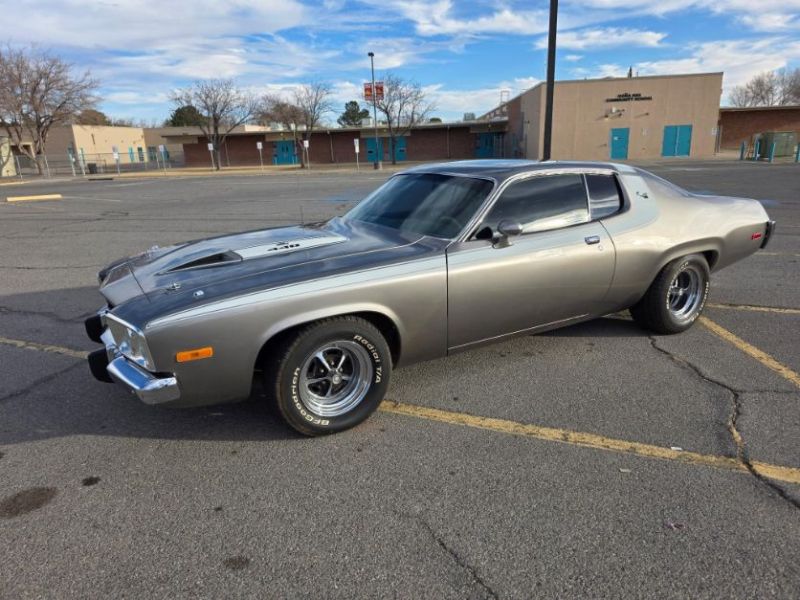
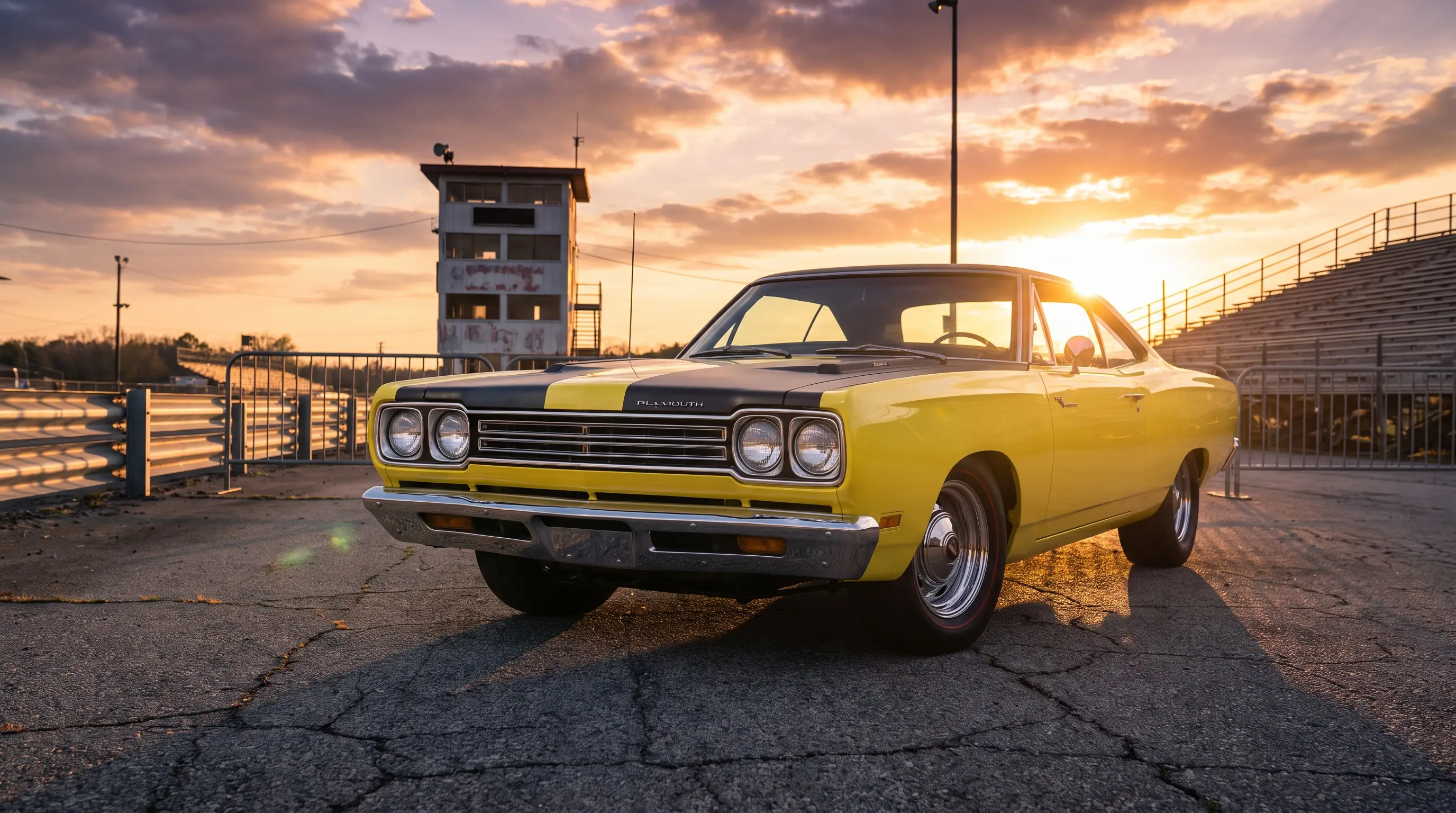
Here is the number that matters. In 1968, a Plymouth Road Runner with the base 383 V8 stickered under three thousand dollars, and it ran the quarter mile in the low fifteens. Every other big-block muscle car in that performance range cost several hundred dollars more, sometimes over a thousand more once you added the trim and comfort options those cars bundled in as standard. That gap is the whole story of affordable big block muscle, and the Road Runner is the car that proved the gap could be closed.
Strip it down, sell it cheap
Plymouth's product planners did something unusual for 1968. Instead of building a new performance flagship loaded with options and pricing it at a premium, they took the mid-size B-body platform, already home to the GTX, and stripped it back to basics. Rubber floor mats instead of carpet in the base trim. Bench seats standard. Roll-up windows, no power steering standard, minimal exterior chrome. Every dollar that would normally go toward comfort and appearance went instead toward keeping the base price down while still fitting the 383 big block under the hood as standard equipment, not an expensive option.
That decision is the entire reason the car worked. Ford and Chevy could sell you a fast car, but they generally wanted you to pay for a nicely trimmed fast car. Plymouth was willing to sell you just the fast part and let you skip the rest. It sounds obvious in hindsight. At the time it was a genuine bet that a large enough number of buyers cared more about elapsed time than upholstery, and the bet paid off far bigger than Plymouth's own sales projections expected.
The sales numbers back it up
Plymouth projected around 2,000 units for the Road Runner's first year. Actual 1968 production came in at 44,559 units (29,240 coupes plus 15,359 of the mid-year hardtop), a number that embarrassed the sales forecast so badly it became a standard case study in how badly a manufacturer can underestimate demand for the right car at the right price. That kind of overshoot does not happen because of styling alone. It happens because a price point opened up that nobody else in the segment was serving.
Dealers reportedly struggled to keep base-trim cars on the lot through much of 1968, a detail that surprised a company accustomed to its performance flagships selling in modest, predictable numbers. The demand skewed heavily toward exactly the configuration Plymouth had bet on, buyers ordering the base 383 with few added options, taking the value proposition at face value rather than treating the low starting price as a bait-and-switch entry point into a more expensive build. That is a meaningfully different sales pattern than most muscle cars of the era saw, where advertised base prices rarely matched what a typical buyer actually drove off the lot with.
The base 383 engine put out 335 horsepower, respectable but not class-leading. What made the car a phenomenon was cost per horsepower relative to anything else wearing a big-block badge. A buyer cross-shopping a Road Runner against a comparably powerful GTO or a loaded Chevelle SS was often looking at a price difference that could buy a decent used car on top of the Plymouth. Word got around fast, and 1968 sales reflected it.
| Model (1968) | Base price (approx) | Standard big-block hp |
|---|---|---|
| Plymouth Road Runner | About $2,870 | 335 hp (383) |
| Pontiac GTO | About $2,996 | up to 350 hp (400, optional 4-barrel) |
| Chevelle SS 396 | About $2,875 | 325 to 375 hp (396) |
Base prices moved with option packages and mid-year updates, so treat these as representative starting figures rather than a fixed number every buyer paid.
Cheap, but not slow
The affordability angle only worked because Plymouth did not cut corners on the part that actually made the car quick. The 383 wearing the Road Runner's specific cam and head package outran the same displacement engine in other Plymouth and Dodge products, because it borrowed valve train pieces from the 440. That is a cheap trick in the best sense of the word, using an existing high-performance part from elsewhere in the parts bin instead of engineering something new and expensive from scratch. Buyers got genuine 440-flavored breathing on a 383 badge, at a 383 price.
For shoppers who wanted more and were willing to pay more, the options list still had real teeth, up through the 440 Six Barrel and the 426 Hemi. But the base car alone did the job that mattered to the widest slice of the market: get to fifteen seconds in the quarter for less money than anyone else could manage it.
"Everybody wants to talk about the Hemi cars because the number is bigger. The base 383 Road Runner is the one that actually changed the market. It proved you didn't need to charge muscle car money to build a real muscle car."
- Dan Reeves
What buyers gave up for the price
None of this affordability came free of tradeoffs, and it is worth being honest about what the base car actually asked buyers to sacrifice. Power steering was optional, not standard, which meant a base Road Runner with the big 383 could feel genuinely heavy at parking lot speeds without it. Power brakes were similarly optional, a real consideration on a car with that much weight and speed on tap. The interior in base trim was deliberately spartan, rubber mats, minimal sound insulation, a simple bench seat, choices that kept the car quiet on the price sheet but loud on the road in ways some buyers found charming and others found genuinely uncomfortable on a long highway drive.
Plymouth clearly understood this tradeoff and priced the options list accordingly, letting buyers add back comfort features individually rather than bundling everything into a single expensive package the way some competitors did. That flexibility is part of what made the affordable big block muscle formula work as well as it did, buyers who genuinely only wanted the performance could skip the comfort options entirely and keep the price close to the advertised base figure, while buyers who wanted more creature comforts could add them without paying for a whole different trim level.
Why the formula held for years
Plymouth kept the low-price, real-performance formula going through several model years before rising insurance costs, tightening emissions rules, and general market pressure eroded the segment. Even as the engine options and equipment lists shifted year to year, the underlying pitch never changed: this is the affordable big block muscle car, the one built for buyers who wanted the performance without paying for everything wrapped around it. For the mechanical detail behind those engines and how they evolved across the run, the whole picture covers it in one place.
That value proposition is also why the car holds up so well as a buy today. A well-documented base or Six Barrel Road Runner tends to cost less to acquire and maintain than an equivalent GTO or SS while delivering comparable period performance, the same math that worked in 1968 still nudges the used market now. If you want to see how that plays out in current asking prices, you can shop classic Runner listings and compare directly against what the competition is asking for similar performance.