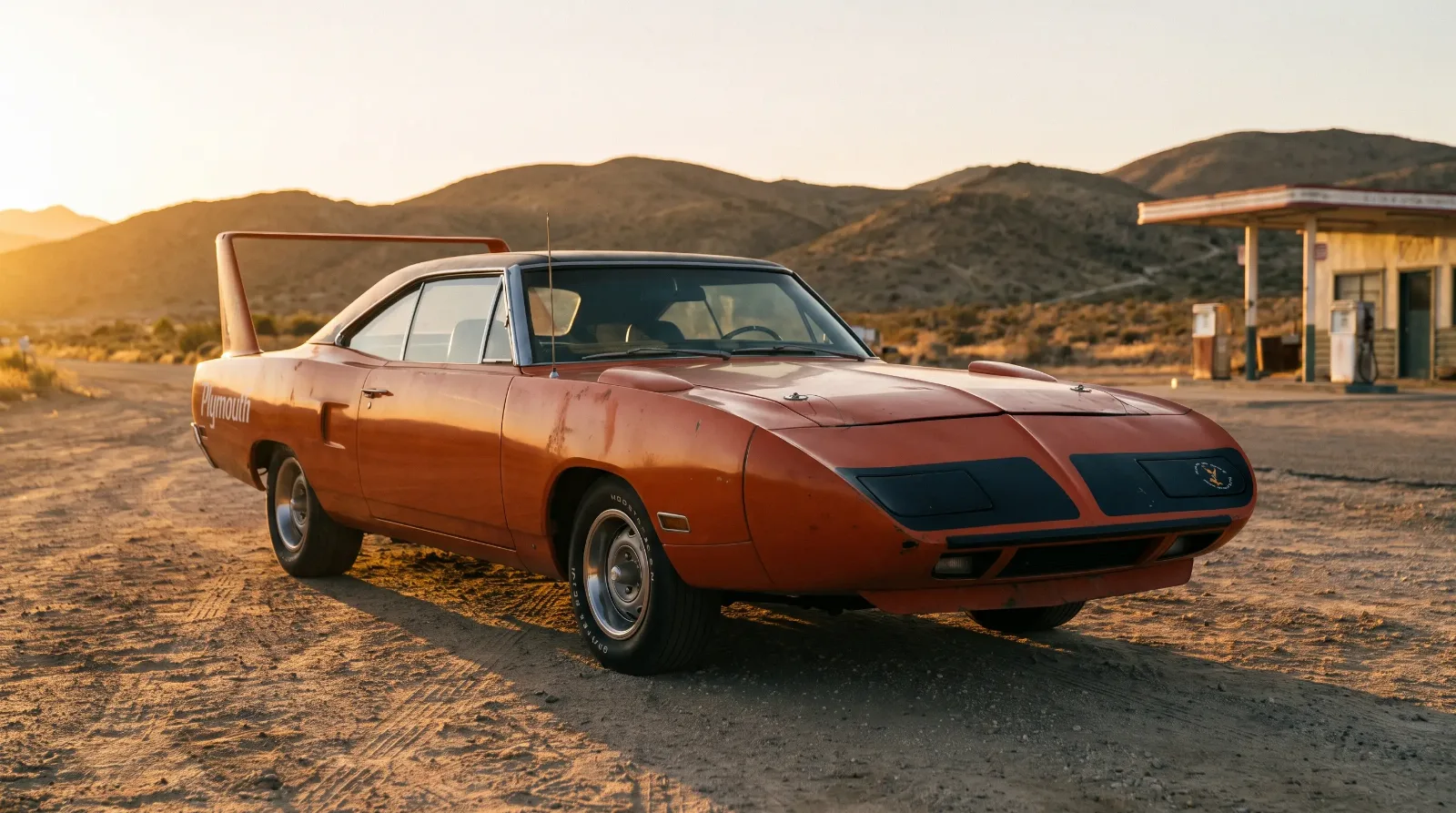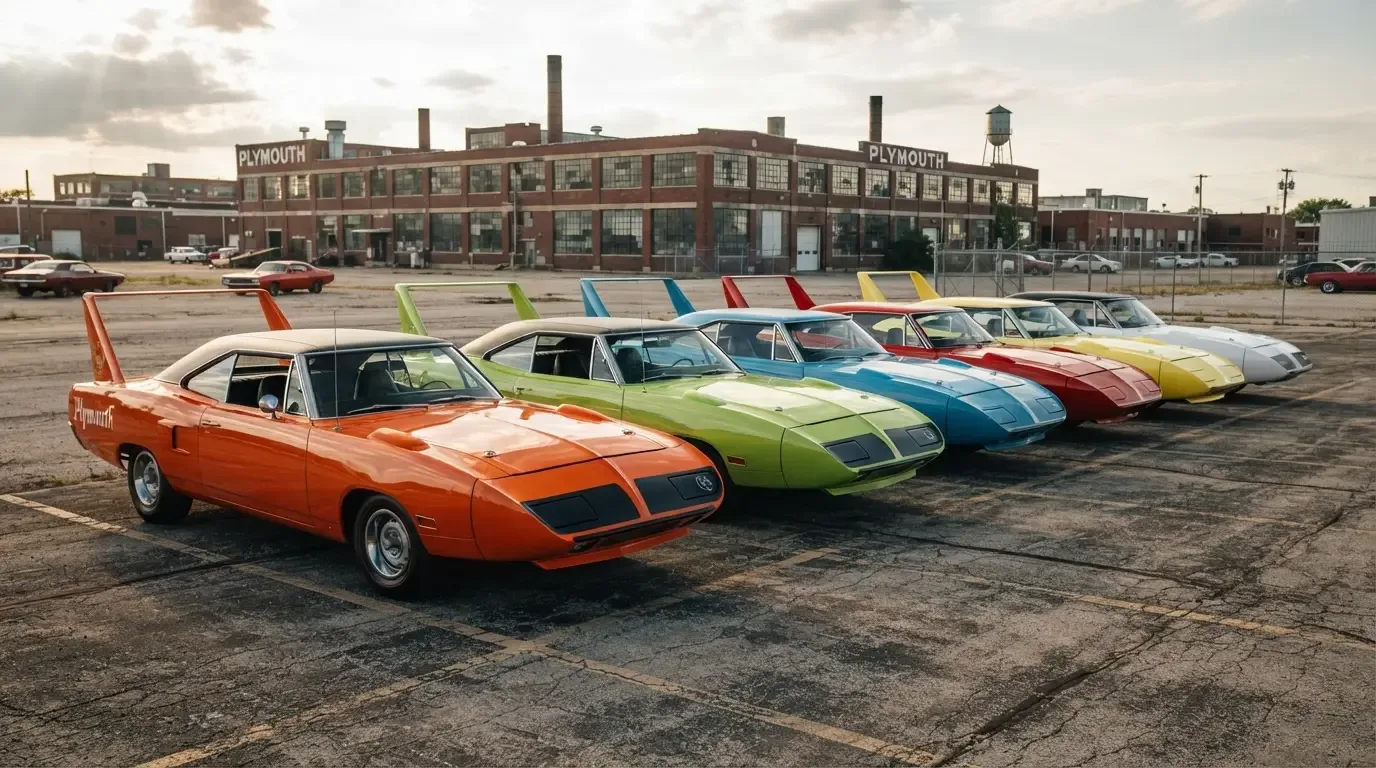
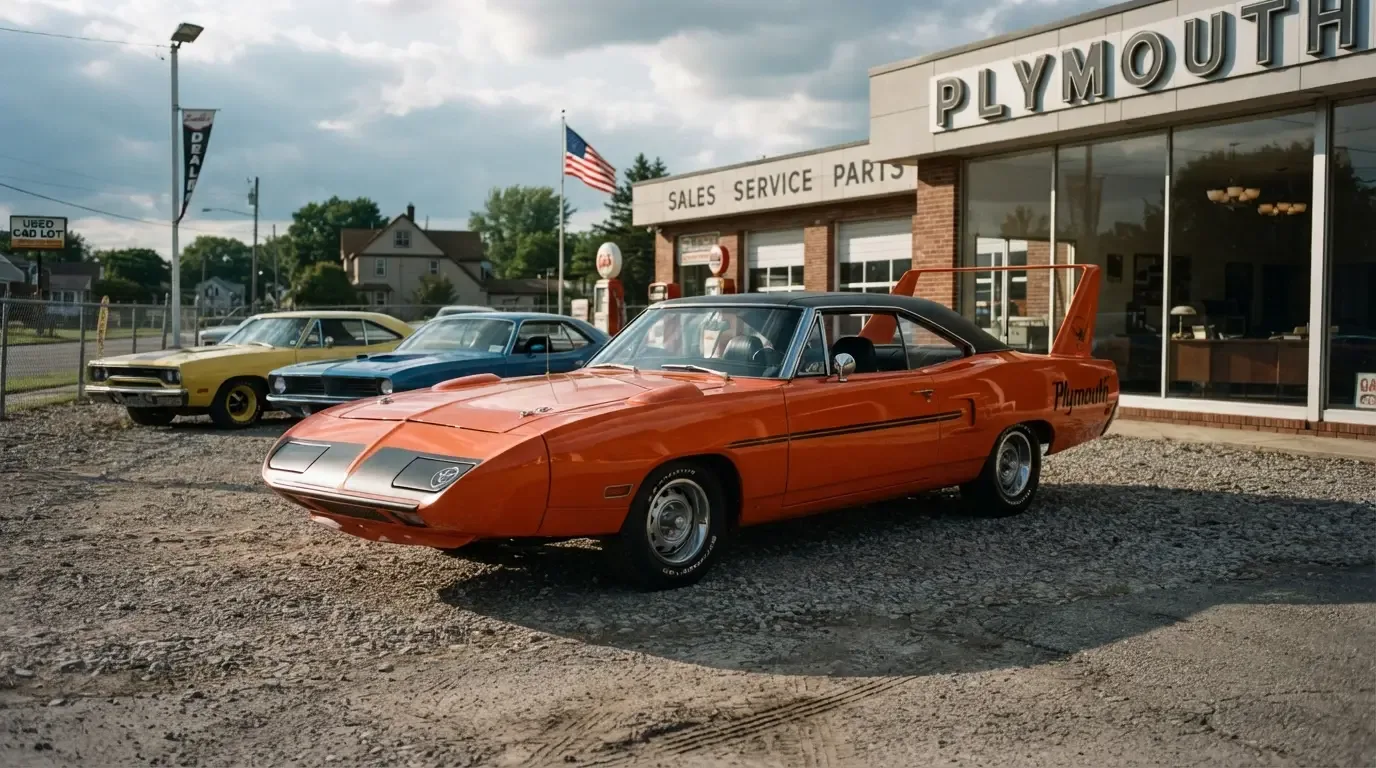
Picture a Plymouth dealer lot in the fall of 1970, a row of Superbirds sitting under fluorescent showroom lights with that towering wing casting a shadow across the parking lot, and none of them moving. That image, more than any spec sheet, explains why superbird unsold dealers became a real phenomenon rather than a rumor passed around car shows decades later.
A car built for the track, not the driveway
It helps to remember what kind of shopper actually walked into a Plymouth showroom in 1970. Most were cross-shopping a Road Runner, a Satellite, or a GTX against a Chevelle or a Torino, looking for a fast car that still functioned as reasonable daily transportation. The Superbird was engineered for a completely different brief. Every panel change existed to satisfy a NASCAR rule about aerodynamic drag at 190 mph on a superspeedway, not to make the car easier to park downtown or more appealing on a Tuesday commute. That mismatch between the car's actual purpose and the audience walking dealer lots was baked in from the moment the homologation requirement set the design brief.
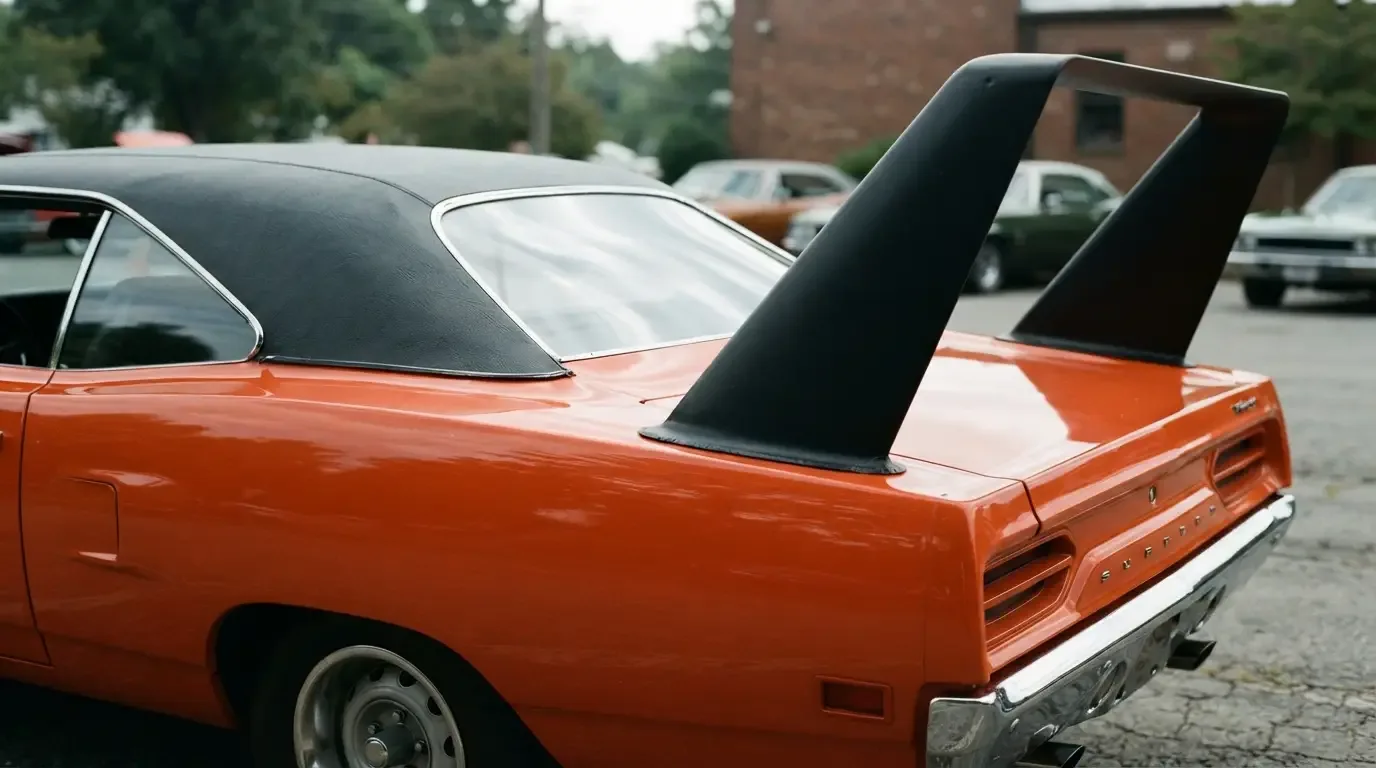
The Superbird existed because NASCAR required Plymouth to build a minimum number of street cars to homologate the aerodynamic body for racing. That is the whole reason the nose cone, the flush rear glass, and the wing exist at all. But a car engineered around wind tunnel numbers at 190 mph does not automatically make sense parked next to a split-level house in suburban Ohio. The wing made trunk access awkward. The nose cone extended the car's front overhang well past anything a typical Plymouth buyer was used to backing into a garage. It looked, to a lot of 1970 shoppers, like something that belonged on a track, because it did.
Dealers who ordered Superbirds expecting them to move like a well-optioned GTX found themselves holding cars that sat. Multiple accounts, backed up by surviving dealership records and enthusiast research, describe dealers removing the wing and nose cone on unsold cars and retrofitting them back into standard Road Runners just to clear inventory, with some examples reportedly still sitting unsold as late as 1972.
The insurance problem nobody could sidestep
Insurance underwriters in 1970 were already tightening rates on high-performance cars generally, and a Superbird with a big-block or Hemi engine landed in the worst bracket a young buyer could hit. The exact demographic most excited about a winged race car, drivers in their late teens and twenties, was precisely the group insurers were pricing out of the market. A car that looked like a race car and cost like one to insure was a tough sell even to enthusiasts who loved everything else about it.
Layer on the gas mileage of a big-block Chrysler engine at a moment when fuel economy was becoming a louder concern among mainstream buyers, and the Superbird's audience narrowed further. It was not a car for someone cross-shopping a practical family sedan. It was a car for a narrow band of buyers who wanted exactly what NASCAR racing had inspired, and that band was not large enough to move the built inventory quickly.
"I talked to a guy at a swap meet years ago who swore his uncle's dealership discounted a Superbird twice before it finally sold, months after the Daytona 500 that was supposed to make it desirable. Whether that is gospel or garage legend, it fits everything else we know about how these cars actually moved off lots."
- Patrick Walsh
Styling that split opinion at the time
It is easy from decades of hindsight to assume everyone recognized the Superbird as a design icon the moment it hit showrooms. That is not how 1970 buyers experienced it. The nose cone and wing were polarizing even among Mopar loyalists, seen by some as an aggressive statement and by others as an odd, race-only appendage grafted onto a car that already looked good without it. Car magazines of the era covered the Superbird with genuine fascination for its engineering, but fascination in a road test does not always translate into a line of buyers at the dealership.
That gap between press interest and retail sales is a familiar pattern in automotive history, and it shows up again decades later whenever a manufacturer builds a homologation special that exists to satisfy a racing rule first and a sales forecast second. The plymouth superbird story covers how deeply the racing requirement shaped every panel on the car, which is the root cause of the sales resistance dealers ran into that year.
How dealers tried to move them anyway
Faced with cars sitting past a normal turnover window, dealers reached for the usual playbook. Discounts appeared. Some lots ran the Superbird alongside more conventional Road Runners in the same ad, hoping the family resemblance would pull hesitant buyers toward the winged car once they were already in the showroom comparing options. A few dealers reportedly leaned on the car's NASCAR pedigree directly in local advertising, tying the street car to whatever result Richard Petty or another Plymouth driver had posted that weekend, betting that racing success on Sunday would translate into showroom traffic on Monday the way it usually did for more mainstream performance models.
It worked, to a point, for buyers who already followed stock car racing closely. It did not work broadly enough to clear the inventory quickly, because the buyers who cared about a NASCAR result were a small slice of the overall Plymouth customer base, and the car's practical drawbacks, the insurance bracket and the awkward proportions, applied just as much to a racing fan as to anyone else walking the lot.
Why the leftovers became the treasure
The cars that sat on lots, discounted and unwanted, are the same cars collectors chase today at auction for six-figure sums. That reversal is one of the more striking stories in Detroit muscle car history, and it did not happen by accident. Low original sales meant low survival numbers as unloved cars got parted out, crashed, or simply scrapped over the following decades. The ones that survived intact became rare almost by attrition rather than by any deliberate collecting strategy in the years right after production ended.
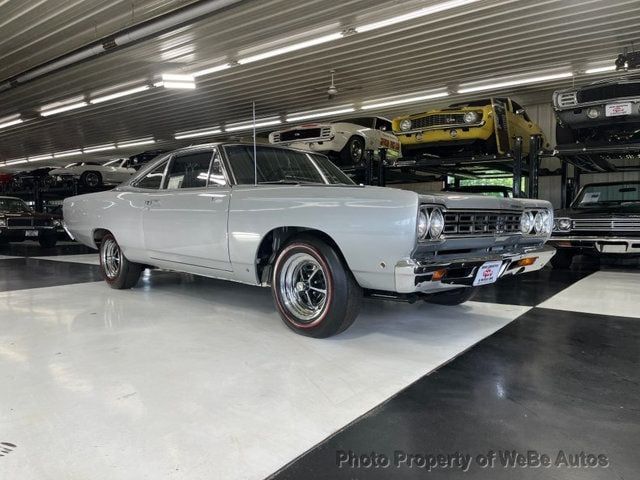
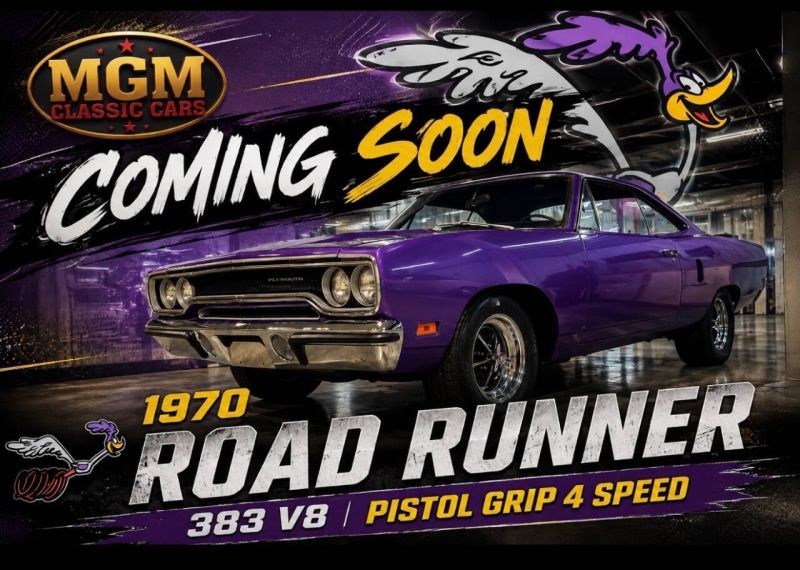
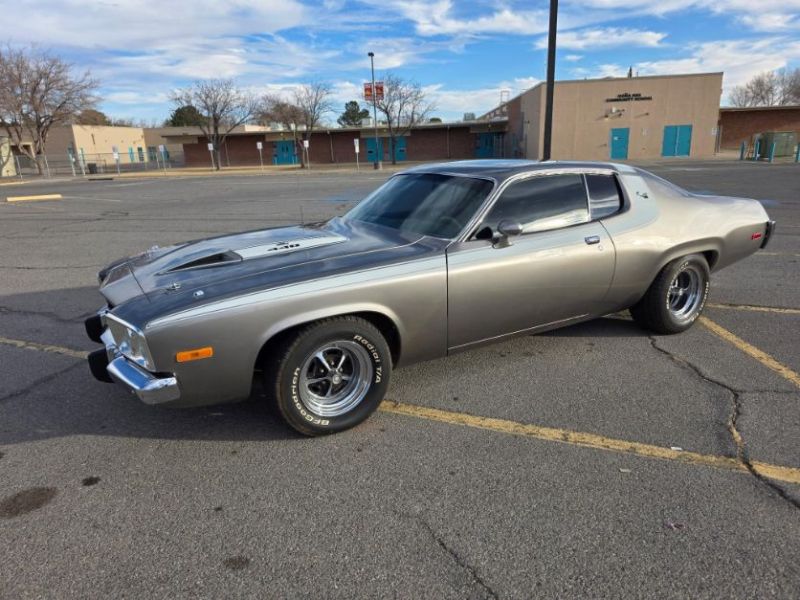
The broader Road Runner nameplate tells a similar story of a car built for one audience finding a completely different one over time. the full story of how the model went from budget performance car to collector icon runs through many of the same forces that stranded Superbirds on dealer lots in the first place. If that history has you curious about what is out there now, classic Runners on the market is worth a look, wing or no wing, discount sticker long gone.