What separates streamline moderne from the rest of art deco
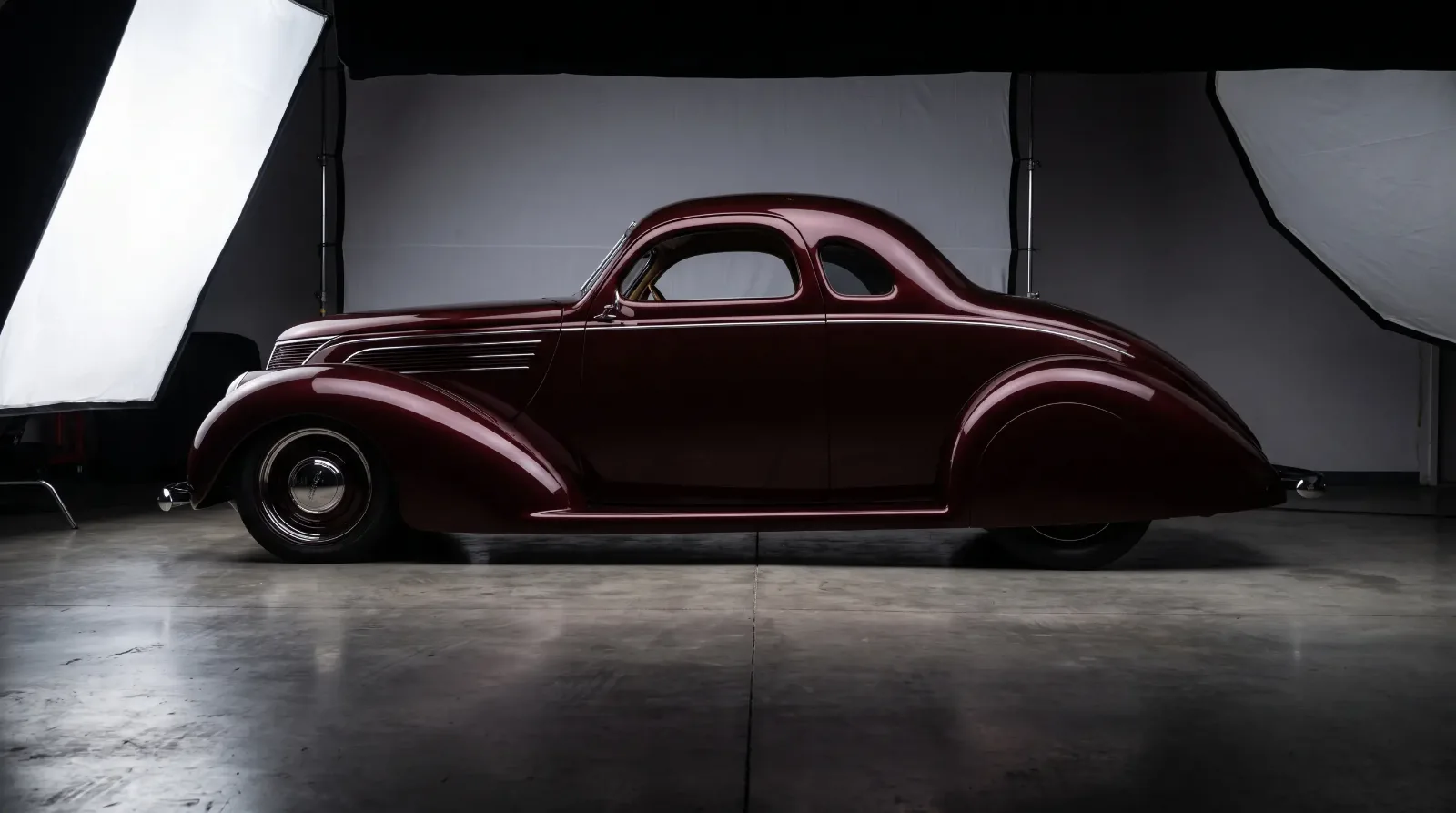
I have spent enough hours running my hand along fenders in garages and swap meets to know the difference between a car that looks fast and a car that looks like it's still figuring out what it wants to be. Streamline moderne cars are the ones that figured it out. Where earlier art deco styling still leaned on geometric ornament, stepped grilles, sharp creases, ribbed trim, streamline moderne stripped most of that away and chased a single idea: one continuous, unbroken curve from the nose to the tail. Less jewelry, more sculpture. For the broader context on how this movement fits into the decade, more on streamline moderne cars covers the full arc.
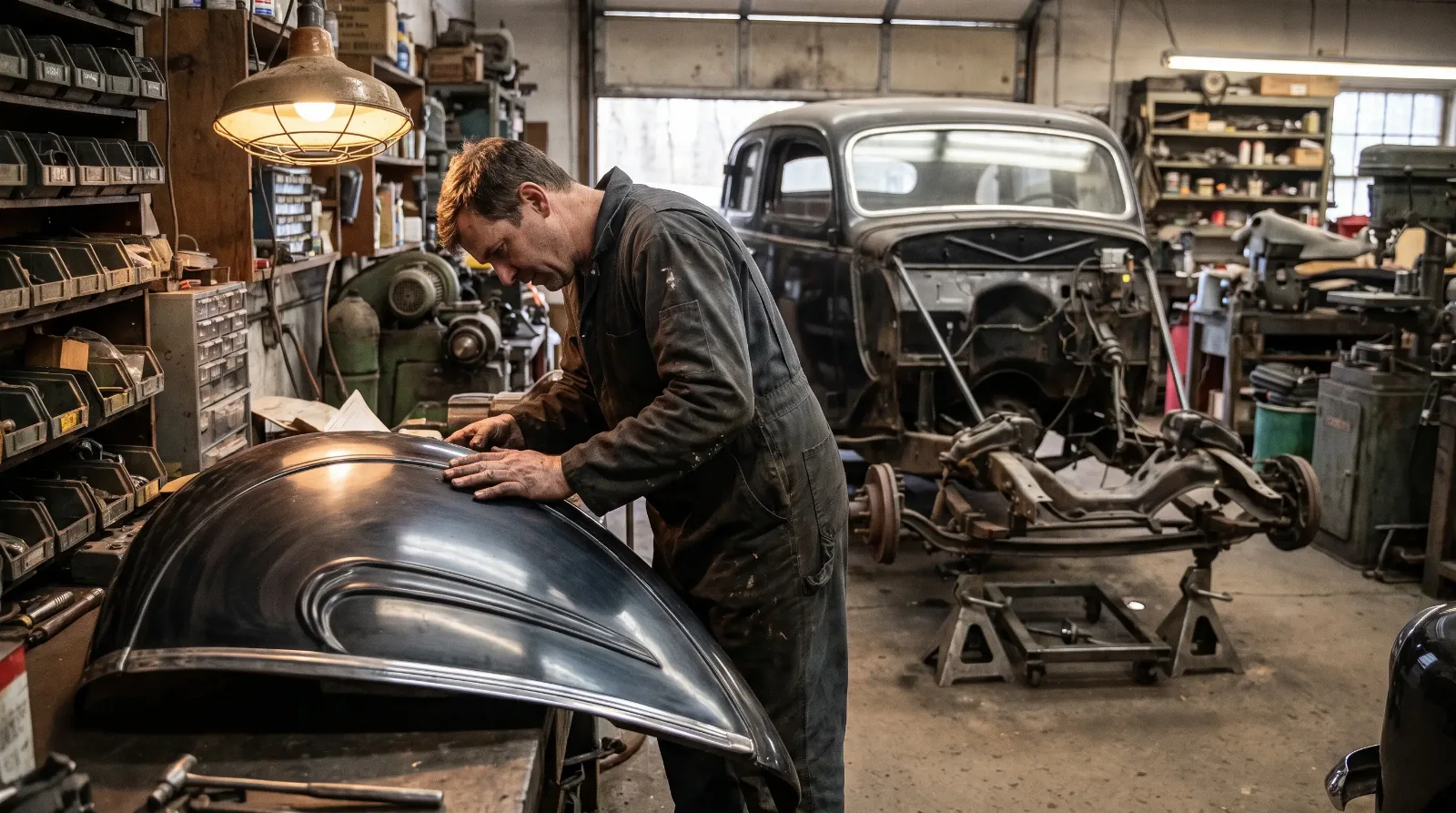
You see it most clearly in the fenders. Early 1930s cars still had fenders that read as separate pieces bolted to a body. By the back half of the decade, the best streamline moderne designs blended fender, running board, and body into a single flowing shape, so the whole car looked like it was poured rather than assembled.
The cars that actually got it right
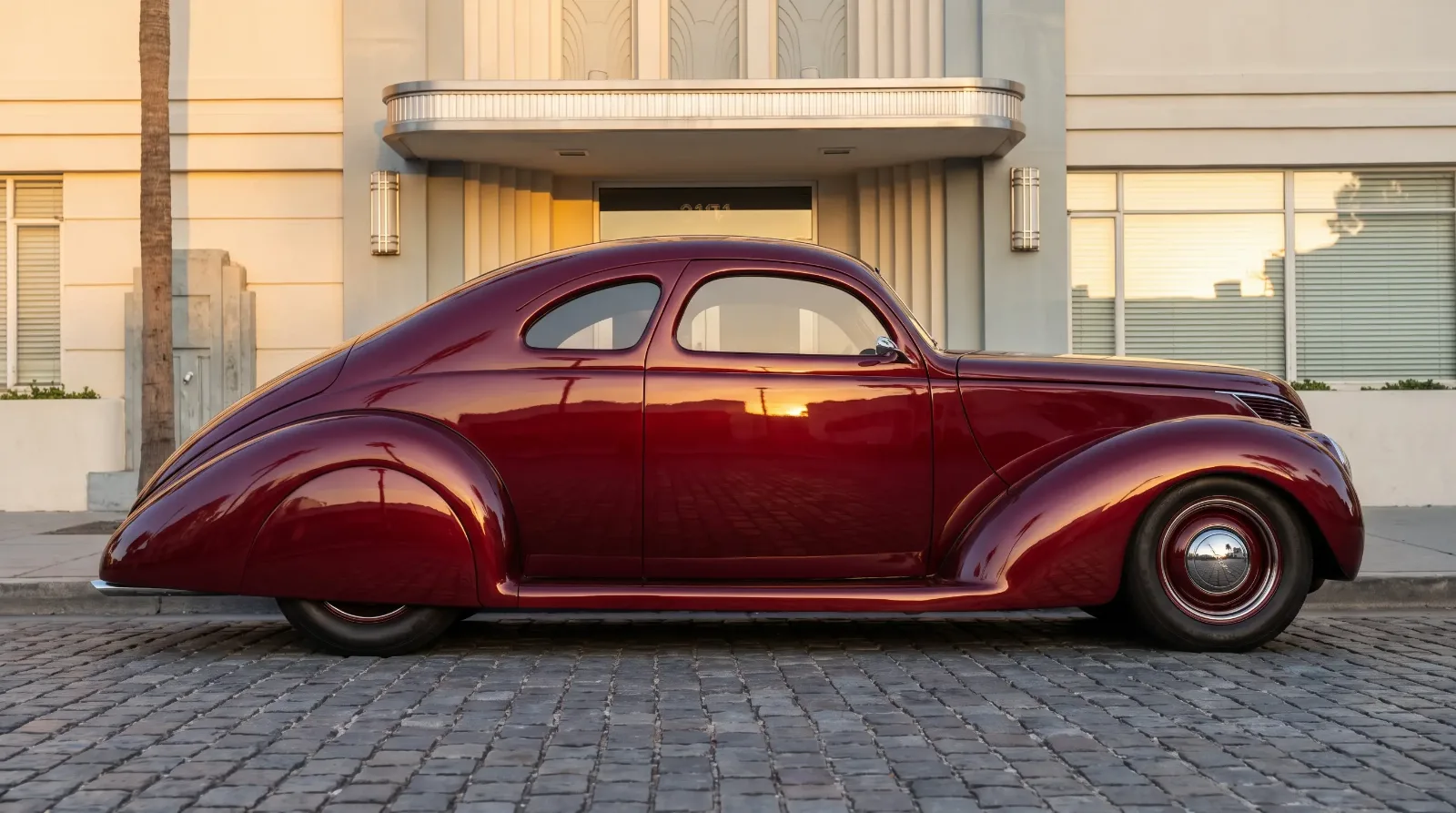
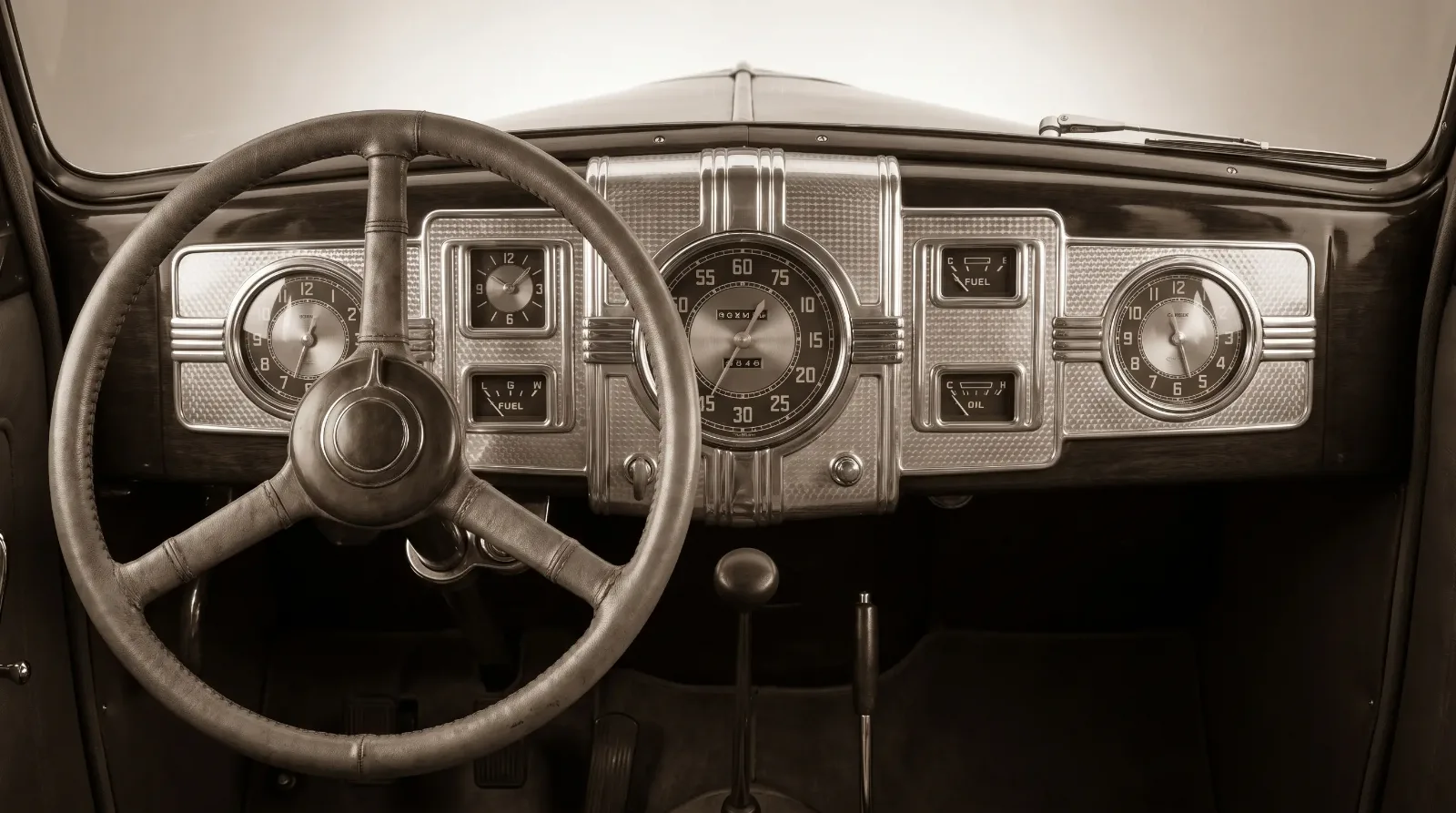
A handful of production and semi-custom cars from the mid-to-late 1930s are usually held up as the clearest examples of the look: fully skirted rear fenders, faired-in headlamps, and a beltline that drops smoothly from windshield to trunk without a hard break. What made these designs work wasn't just the individual shapes, it was restraint. The best streamline moderne bodies used chrome sparingly, as a highlight along a body crease rather than as a border around every panel. Overdo the brightwork and you lose the sense of a single continuous surface, which is the whole point of the style.
Paint mattered just as much as sheet metal. A lot of these cars wore deep, saturated single colors or restrained two-tones that followed the body's horizontal lines instead of fighting them. I've seen restorers put a loud three-tone scheme on a car from this era because it looks period-adjacent in photos, and it's wrong every time. Check original brochures and factory paint codes before you commit a repaint to anything more complicated than the body was designed to wear.
"A streamline moderne body only works if every panel agrees with the one next to it. Chase one flashy detail and you break the whole shape."
Jim Vasquez
Spotting a poseur versus the real thing
Plenty of cars from this era get dressed up to look more streamlined than they actually were on the showroom floor. Aftermarket fender skirts get added to cars that never had them from the factory. Reproduction hood ornaments get swapped in that are close but not correct for the model. None of that is a crime if the seller is honest about it, but it changes the value and the history you're actually buying. If you're serious about originality, pull the factory build sheet or period brochure and compare panel by panel before you assume what you're looking at rolled off the line that way.
Why this style still gets copied today
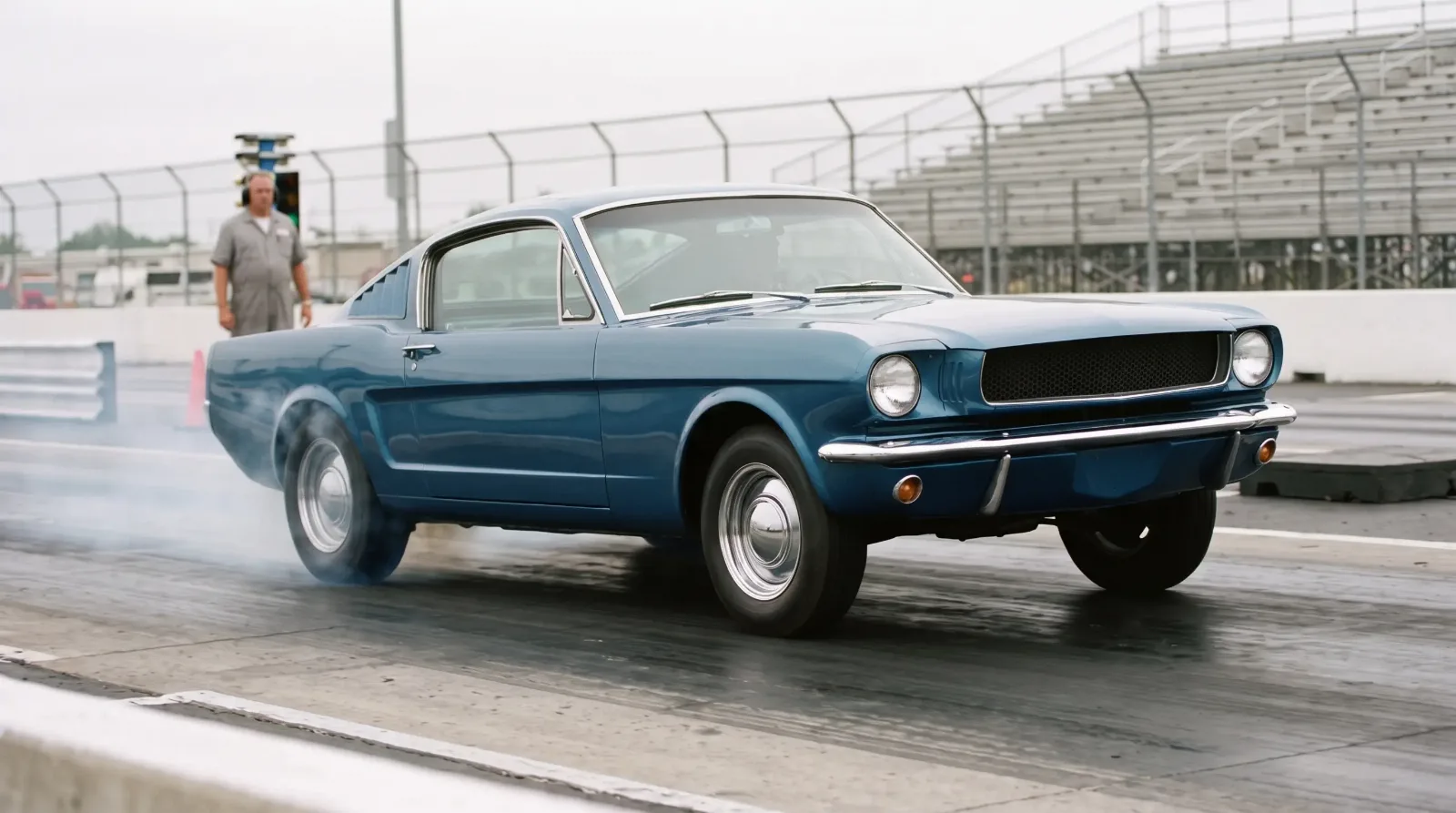
Custom builders and hot rodders have been borrowing streamline moderne cues for decades, smoothing fenders, frenching headlights, shaving trim, because the underlying idea still reads as clean and confident on a modern build. That's a compliment to the original designers, but it also means a lot of "streamlined" custom work floating around today has nothing to do with the actual 1930s cars that started it. If you're chasing the real thing for a collection, stick with documented, unmodified examples or restorations backed by period photography.
The coachbuilders who shaped this look deserve their own space, since a good number of the era's most refined streamline moderne bodies came out of custom shops rather than factory styling departments. Read on for a closer look at who was actually drawing these panels and why their work still sets the standard.
What holds up structurally after ninety years
Fully skirted rear fenders look great in photos and cause real headaches for owners today. That extra sheet metal traps moisture against the wheel well, and I've pulled skirts off more than one "solid" streamline moderne car to find rust damage the seller either didn't know about or didn't mention. If you're shopping this category, always ask to see the fenders with the skirts removed, not just bolted on and photographed from a flattering angle. A shop that's done this kind of restoration before will tell you the same thing: what you can't see is usually more important than what you can.
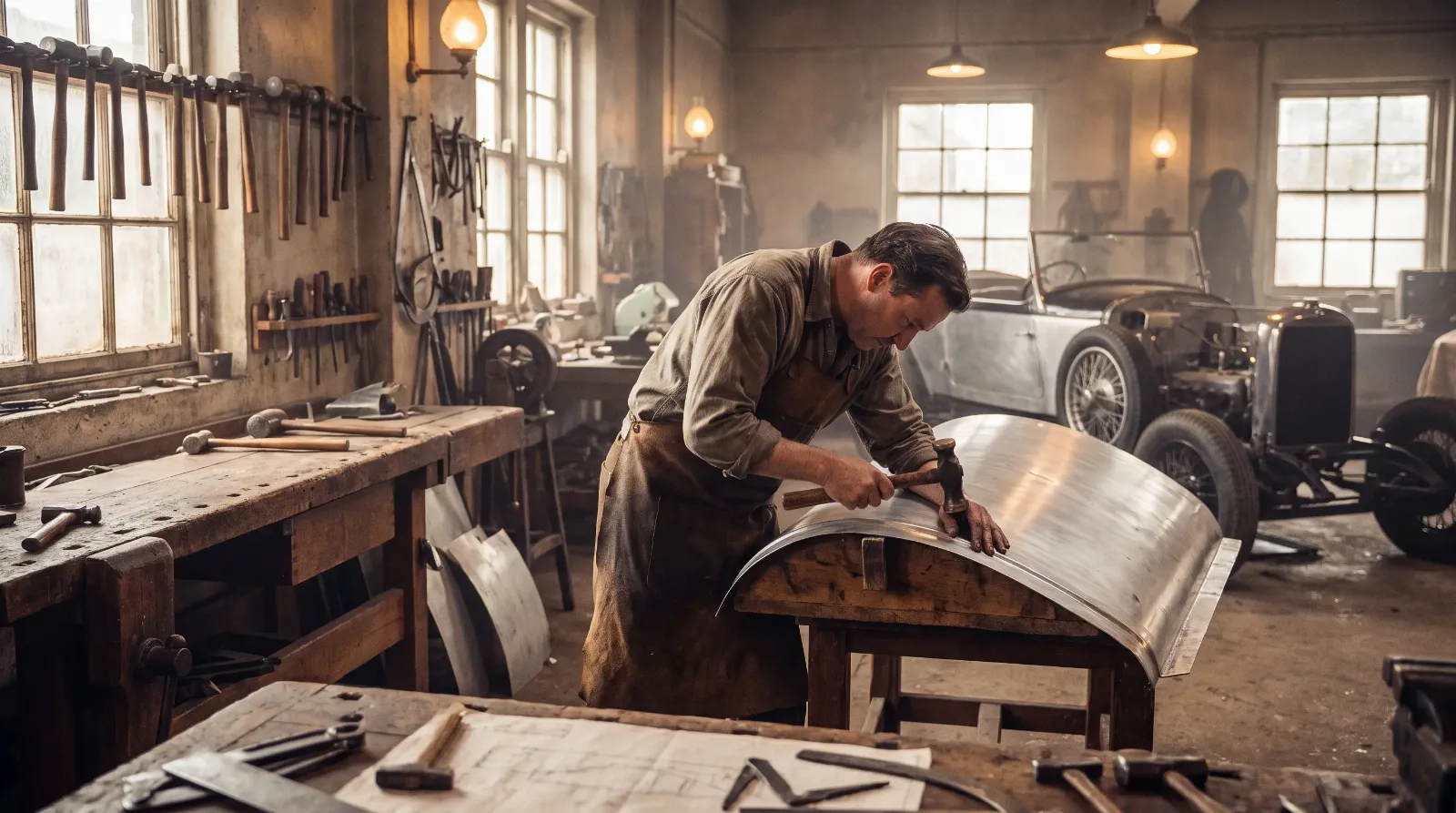
The hand-formed aluminum panels common on the higher-end examples bring their own maintenance reality. Aluminum doesn't rust the way steel does, but it work-hardens and cracks along stress points after decades of thermal cycling and vibration, especially around wheel arches and where panels were gas-welded rather than riveted. A car that's spent its life in a dry climate with careful storage will show far less of this than one that bounced around in daily use. None of it is a reason to walk away from a good example, but it's a reason to budget for a proper structural inspection before you assume a smooth-looking panel is a sound one underneath.
Glass is another spot where these cars quietly punish neglect. Wraparound and curved windshield glass, when a car used it, was often custom-cut for that specific body, and replacement stock for a lot of these models simply doesn't exist off the shelf anymore. A cracked piece of curved glass can mean months of searching or a costly custom fabrication job, which is worth knowing before you fall for a car based on its silhouette alone. I always ask to see the glass up close, in good light, before I get excited about anything else on a streamline moderne car. The body can be perfect and the car still be a headache if the glass is compromised.