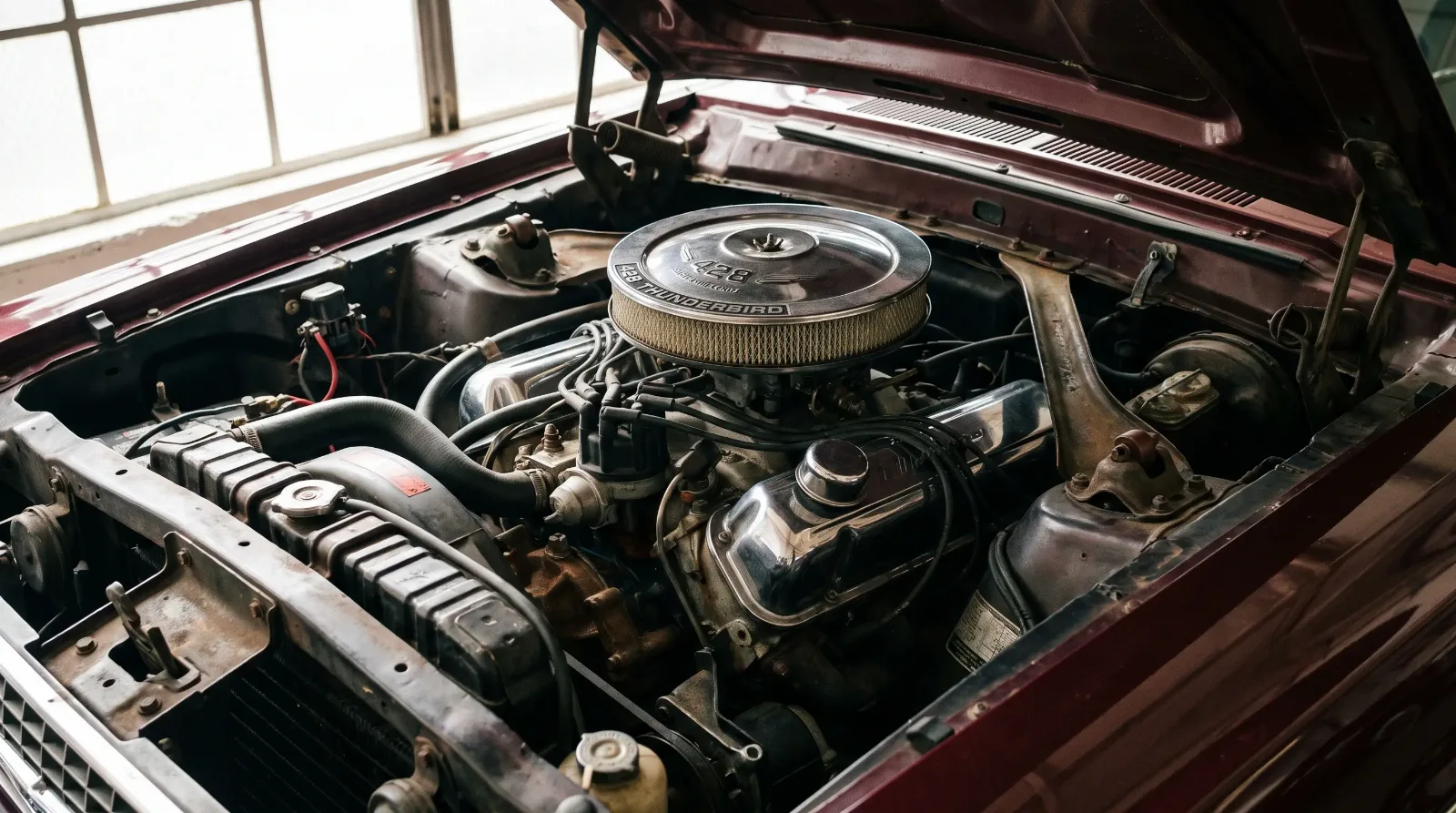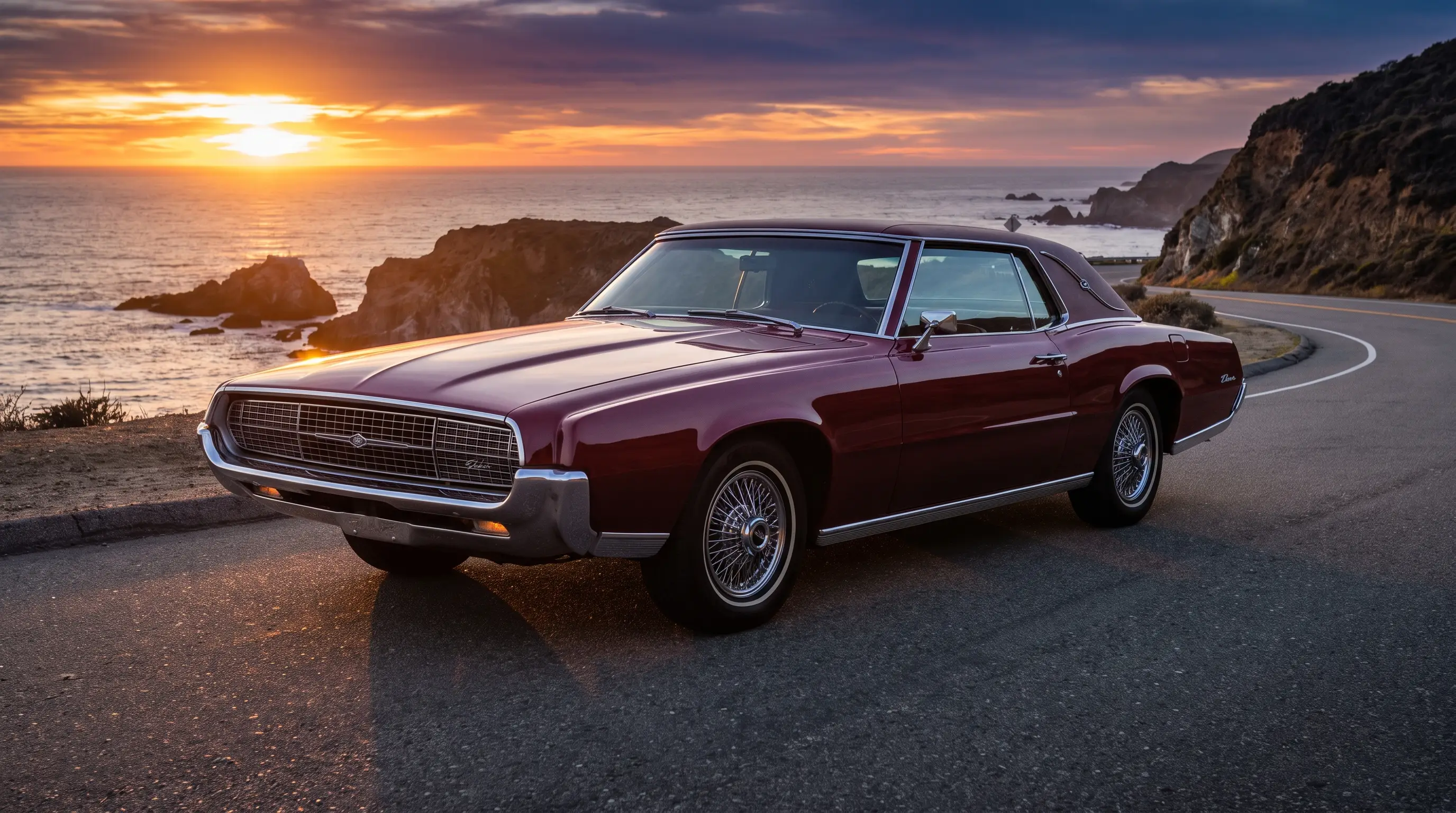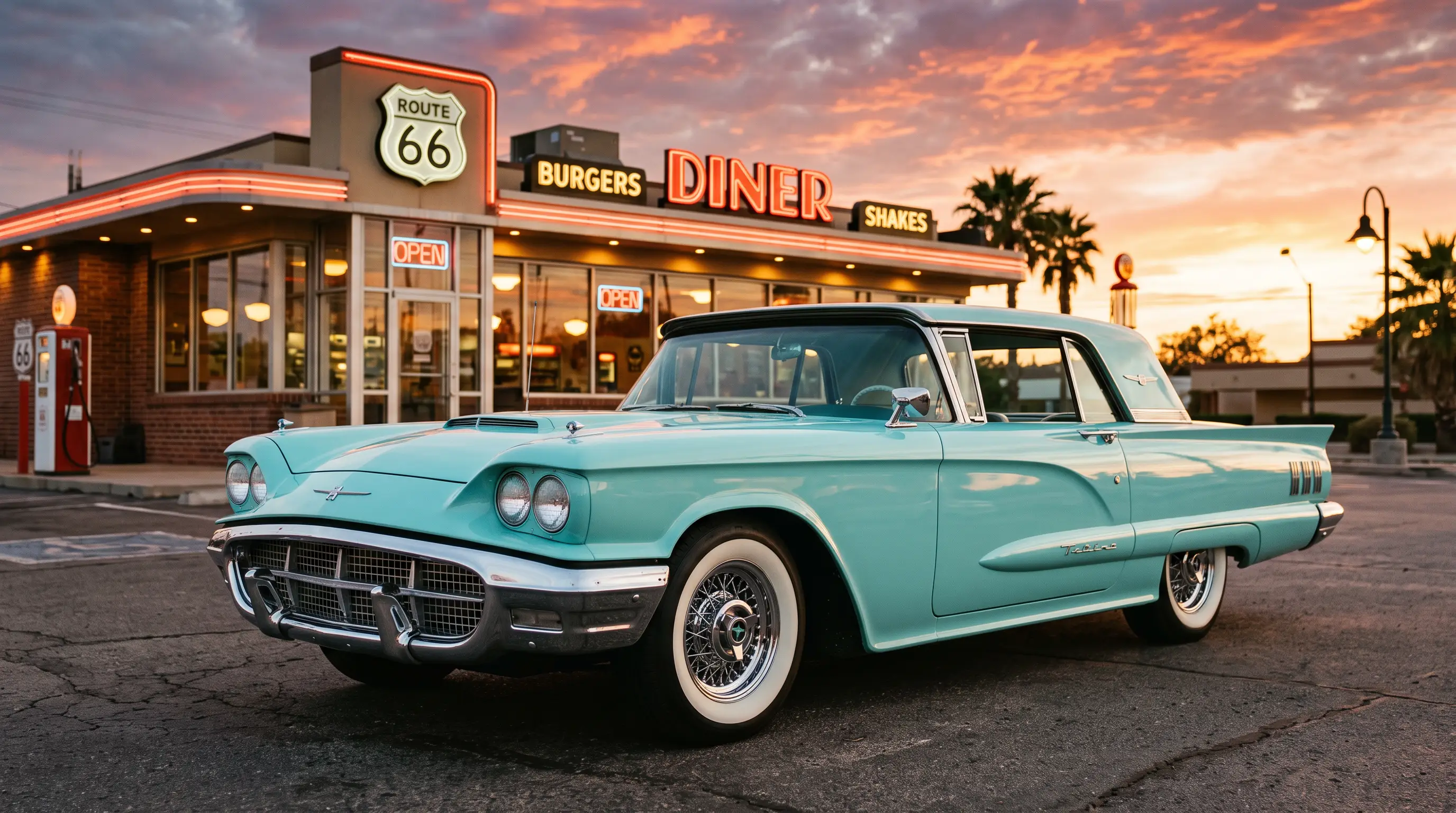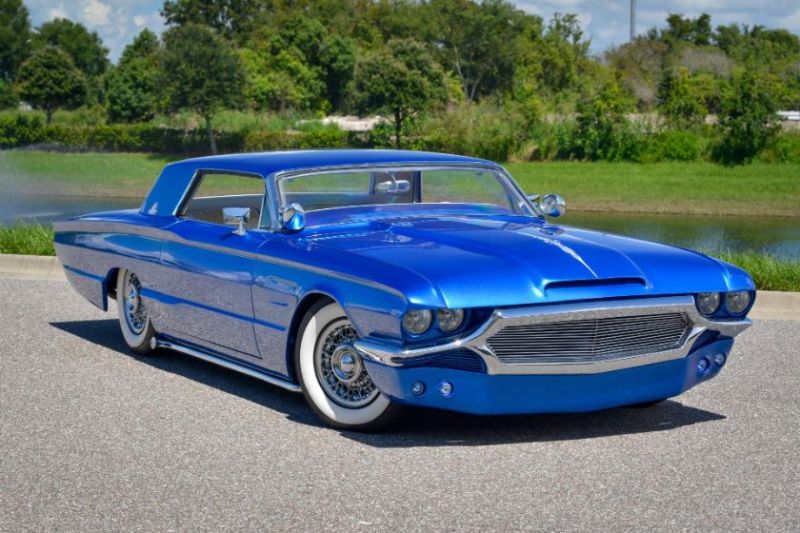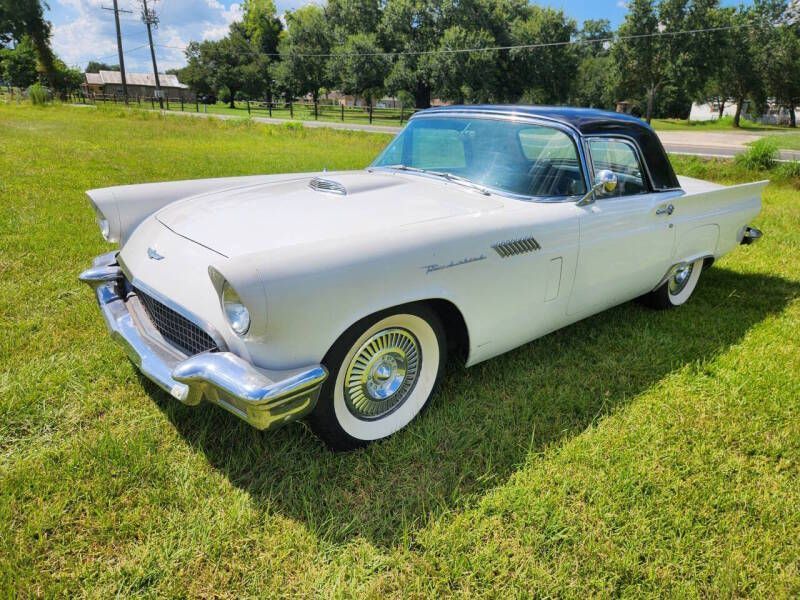
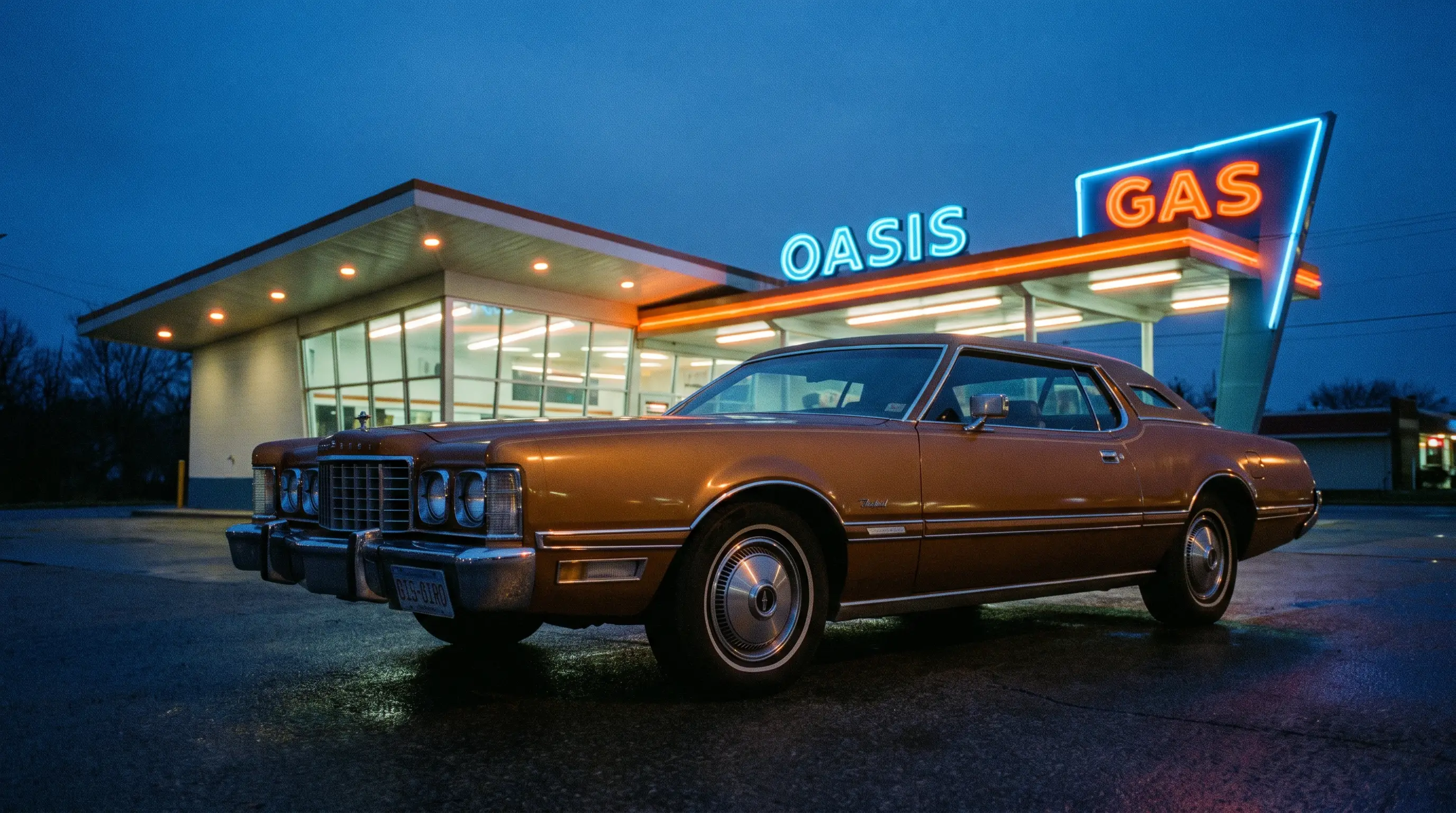
Ford retired the FE big block for Thunderbird duty at the end of the 1960s and replaced it with something newer, cleaner-breathing, and eventually bigger still. The thunderbird 429 460 story covers two engines from Ford's 385-series family, a modern big block architecture that traded the FE's older thin-wall casting techniques for thicker decks and better breathing, and that carried the Thunderbird through the enormous, chrome-heavy "Big Bird" years of the early to mid 1970s.
A new big block for a new decade
Ford introduced the 385-series big block in 1968, named for the 3.85 inch stroke shared across the family's various displacements. The 429 cubic inch version became the Thunderbird's standard engine starting with the 1968 model year, replacing the FE 428 and offering improved thermal efficiency and easier emissions tuning as regulations tightened through the early 1970s. Where the FE family traced its roots back to the late 1950s, the 385-series was built with a cleaner sheet, thicker cylinder walls, and a design intended to scale up in displacement more gracefully as Ford's cars kept growing heavier through the decade.
The 429 years
From 1968 through 1971, the 429 was the sole engine offered in the Thunderbird, continuing the pattern set by the outgoing 428 of giving buyers one confident answer rather than an option sheet. Output figures shifted across these years as Ford adjusted compression ratios and carburetion in response to tightening emissions requirements, with the 429 Thunder Jet conservatively rated at 360 horsepower (SAE gross) through the late 1960s and into the early 1970s, before the industry moved toward the more conservative net horsepower ratings adopted in 1972. The 429 delivered exactly the low-rpm torque a Thunderbird this size needed, matched to Ford's automatic transmissions and tuned for smooth, confident cruising rather than any pretense of sportiness.
The 460 takes over
Ford stretched the 385-series further out to 460 cubic inches for Lincoln applications starting in 1968, and that larger displacement eventually made its way into the Thunderbird lineup as the car grew even larger for the 1972 through 1976 generation, commonly nicknamed the "Big Bird" for its considerable size and weight. The 460 became the Thunderbird's standard, and for a period its only, engine through the mid-1970s, continuing the same logic that had guided Ford's Thunderbird engine strategy since the late 1960s. Bigger car, bigger engine, one choice, no complications for the buyer. Net horsepower ratings for the 460 in this era typically sat in the low 200s, a figure that looks unimpressive next to 1960s gross ratings but reflects both the new net measurement standard and the real power reductions emissions equipment demanded through the decade.
What changed for owners and mechanics
The 385-series engines are generally regarded as more modern and, in some respects, more forgiving to work on than the older FE family, with improved oiling and a cylinder head design that breathes better at a given valve size. That said, both the 429 and 460 arrived in the Thunderbird during an era of shrinking horsepower and increasing emissions hardware, meaning these are not the engines to chase if raw period-correct performance numbers are the goal. What they deliver instead is smooth, quiet, effortless cruising in a very large car, which was precisely the brief Ford was working from during the Big Bird years. Parts availability is strong given the 460's decades-long service life in Ford trucks, making these engines relatively approachable to maintain even today.
For the earlier chapters in Ford's Thunderbird engine story, including the FE big block years that preceded the 385-series switch, where this started lays out the full sequence from the original Y-block through the Big Bird era.
"The 429 and 460 get overlooked because they landed during the worst years for horsepower numbers on paper. Drive one and the story changes. These are relaxed, torquey engines built for a car that had gotten genuinely enormous, and they do that job well."
- Dan Reeves
Emissions equipment and the net horsepower shift
The years the 385-series big block spent under a Thunderbird hood coincided almost exactly with the industry's most disruptive regulatory stretch. Compression ratios dropped across the board starting around 1971 to accommodate lower-octane unleaded fuel, exhaust gas recirculation systems appeared to control emissions, and by 1972 the entire American auto industry switched from optimistic gross horsepower ratings, measured on a stripped test engine, to more honest net ratings measured with all accessories installed. A 429 rated at 360 gross horsepower in 1968 and a 460 rated at 220 net horsepower a few years later were not nearly as far apart in real-world output as the numbers on paper suggest, but explaining that nuance to a buyer comparing spec sheets side by side is exactly the kind of context this era needs and rarely gets.
Size, weight, and what the Big Bird actually needed
By the time the 460 became the Thunderbird's standard engine, the car itself had grown to dimensions that would have been unrecognizable to a 1955 buyer, stretching well over 225 inches long and weighing in excess of two tons in some configurations. An engine this large was not excess for its own sake. It was the minimum displacement Ford's engineers judged necessary to move a car of this size with anything resembling the effortless character Thunderbird buyers expected. Critics who dismiss the Big Bird years as bloated often miss that the engine and the body were sized in direct proportion to each other, a consistent thread running through every Thunderbird generation regardless of era.
Comparing the 429 to the 460 in practice
Shoppers occasionally treat the 429 and 460 as interchangeable simply because they share the 385-series architecture, but the two engines represent slightly different chapters of the same story. The 429 was Ford's answer to the FE family's aging design, offered from 1968 through 1971 in a Thunderbird that, while large, had not yet reached the extremes of the following generation. The 460 arrived alongside the redesigned, considerably larger 1972 Thunderbird and represents Ford's response to a car that had grown again, this time dramatically. A 429-powered Thunderbird from the earlier span and a 460-powered example from the Big Bird years will feel different behind the wheel, not because one engine is meaningfully better engineered than the other, but because each was matched to a genuinely different car underneath it.
Buying into the 429 and 460 era
Documentation matters here just as it does with any earlier Thunderbird engine, and casting numbers, tag information, and any surviving build sheets remain the best way to confirm a car still carries its original 429 or 460 rather than a later replacement drawn from the same engine family, which was common enough during decades of Ford service department work that undocumented swaps are not unusual to find.
A Thunderbird from the 1968 through 1976 span offers a different kind of ownership experience than the earlier, smaller-bodied cars, one built around comfort, size, and effortless highway cruising rather than outright quickness. Both the 429 and 460 are well-documented, easy to source parts for, and simple to maintain by classic big block standards, which makes this generation a reasonable entry point for buyers who want genuine Thunderbird presence without chasing rare, hard-to-verify factory options. If that sounds like the right fit, take a look at classic Thunderbird for sale listings and ask specifically which of the two 385-series displacements sits under the hood, since both were offered across overlapping model years depending on trim and generation.