
The Ford Thunderbird engine story is simple to summarize. It starts small, gets big, gets bigger, then hits a wall. In 1955 the car launched with a 292 cubic inch V8. By the early 1970s you could order 429 cubic inches, and Ford's largest big-block would land soon after. That is a lot of extra displacement for a car that never once pretended to be a race car. Here is how it happened, engine by engine, without the usual hype about how any of it made the Thunderbird a muscle car. It did not.
Car Features
9 min read
Thunderbird Engines: From the Y-Block to the 428 Big Block
Every classic Ford Thunderbird engine, from the 1955 Y-block to the 428 and 429 big blocks, and why none of them made it a muscle car.
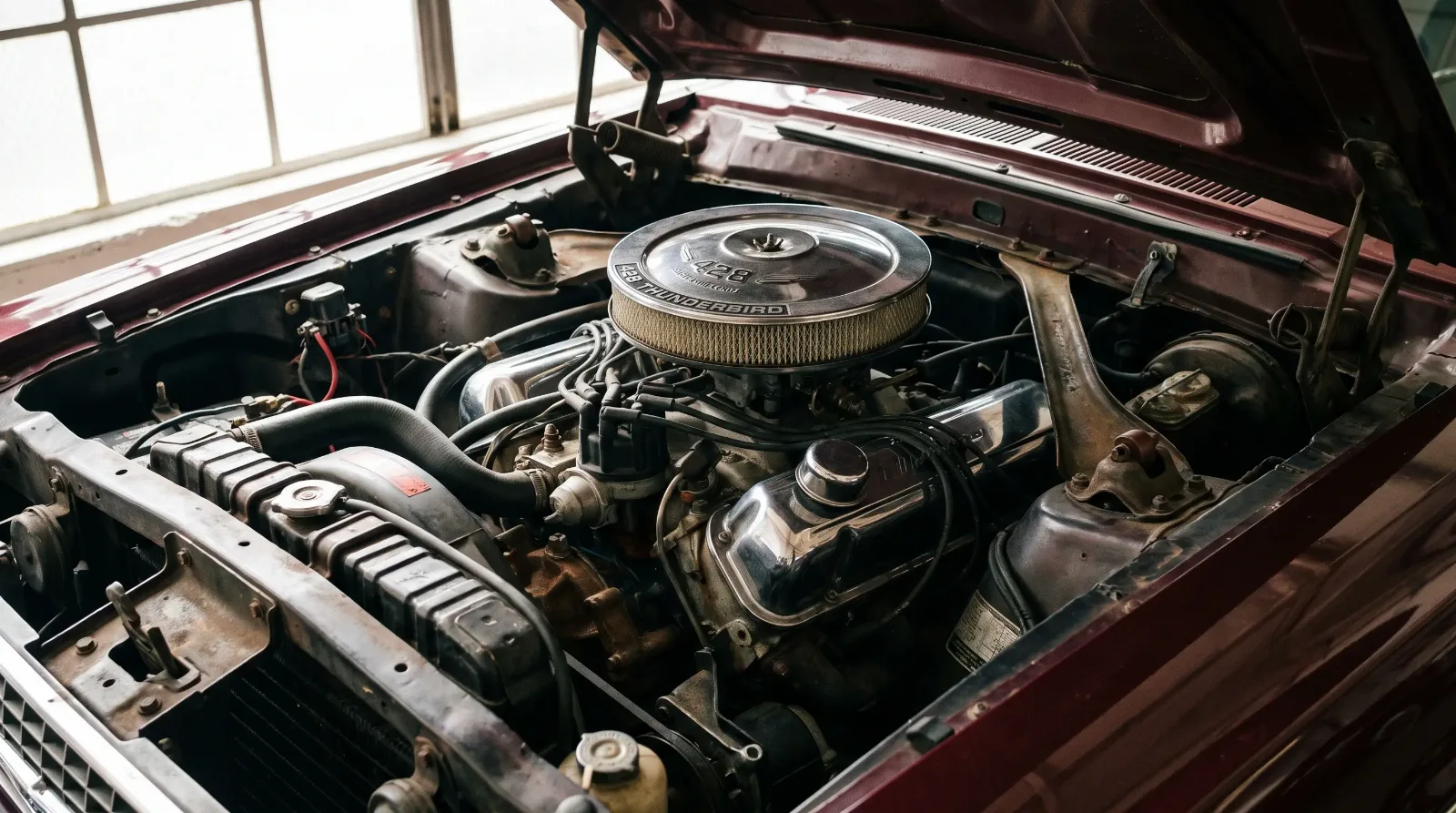
1955 to 1957: the Y-block does the job
The first Thunderbird ran the Y-block V8. In 1955 that meant 292 cubic inches and about 193 hp with the manual transmission (198 hp with the automatic). It was enough. The car weighed roughly 2,900 to 3,000 pounds depending on options and the point was style, not speed.
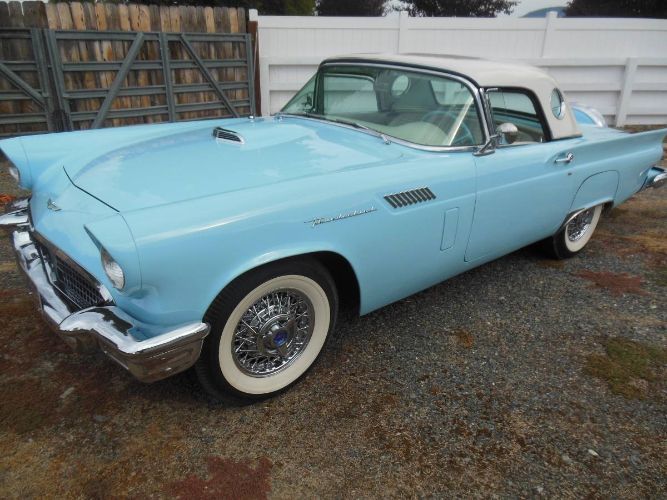
1956 brought the 312 cubic inch Y-block. Output climbed to around 225 hp on the top version. 1957 pushed harder. The 312 stayed, with the base D-code rated at 245 hp and a dual-quad E-code at 270 hp, but Ford also offered a supercharged F-code variant rated at 300 hp. That one is rare and it is the exception that proves the rule. Ford built only around 211 F-code cars, and most 1957 buyers took the ordinary carbureted engine and drove to the country club.
The Y-block was a solid engine with a known weakness. Oiling to the top end was marginal, and neglected examples wear rocker shafts. That is the honest footnote. It does not stop these cars from being the most valuable Thunderbirds on the market, because scarcity and shape drive that price, not horsepower.
1958 to 1960: the Square Bird goes FE
The 1958 redesign changed the car and the engine at the same time. The two-seater was gone. The four-seat Square Bird arrived, heavier and roomier, and it needed more engine. Ford answered with the FE-series big-block.
Standard was the 352 cubic inch FE, rated at 300 hp. That is a clean, round number and Ford liked quoting it. For 1959 you could step up to the 430 cubic inch MEL V8, borrowed from Lincoln, making around 350 hp. Big engine, big torque, big weight over the nose. The 430 was about moving a heavy car without drama, not about quarter-mile times.
This is the generation where the Thunderbird's engine philosophy locked in. Displacement for effortless cruising. Not revs. Not lightness. The full arc of how the model kept redefining itself is worth reading in the ford thunderbird story, because the engines only make sense against that bigger picture.
1961 to 1966: the 390 era, and the 428 arrives
The Bullet Bird landed for 1961 with the 390 cubic inch FE as standard, and it was the only engine offered. Rating was about 300 hp. The 390 would carry the Thunderbird for years. It was the default answer to the question of what moves this car.
There was a hotter version. For 1962 and 1963 Ford offered an M-code 390 with three two-barrel carburetors, tri-power, rated at 340 hp. It mostly went into the Sports Roadster, the fiberglass tonneau car with the wire wheels, and only about 145 M-code cars were built in 1962 and 55 in 1963. Good story, small numbers. Do not let anyone tell you tri-power Thunderbirds were common. They were not.
For 1966 the 428 cubic inch FE appeared on the option sheet, rated around 345 hp. More cubes, more torque, same mission. The 428 is the big-block people remember from this stretch, and it is the one buyers chase now. It did not turn the Thunderbird into a stoplight terror. It made a heavy luxury coupe feel unbothered.
| Years | Headline engine | Displacement | Approx. rating |
|---|---|---|---|
| 1955 | Y-block V8 | 292 cid | 193 hp |
| 1956 to 1957 | Y-block V8 | 312 cid | up to 245 hp (300 hp supercharged F-code) |
| 1958 to 1960 | FE V8 | 352 cid | 300 hp |
| 1959 option | MEL V8 | 430 cid | 350 hp |
| 1961 to 1966 | FE V8 | 390 cid | 300 hp |
| 1966 option | FE V8 | 428 cid | 345 hp |
| 1968 to 1971 | 385-series V8 | 429 cid | 360 hp |
1967 to 1971: 390 standard, 428, then the 429
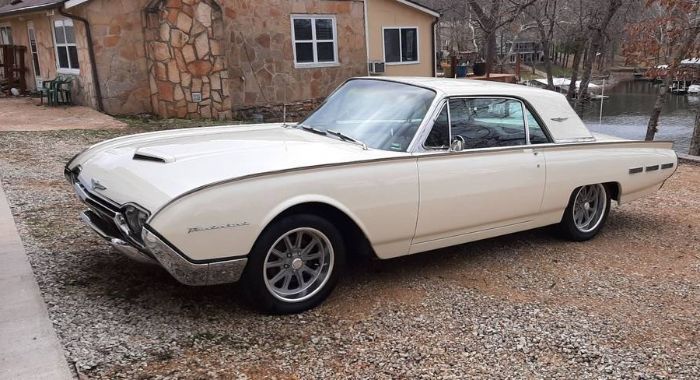
The Glamour Bird generation kept the 390 as the base V8 for 1967 and offered the 428 above it. Then Ford switched families, introducing the 429 cubic inch 385-series Thunder Jet V8 in 1968, rated around 360 hp before the industry moved to net figures. It remained the headline engine through the 1970 and 1971 restyle, when the smaller 390 briefly returned as a lower-cost option.
The 429 mattered for one reason. It was the future. The old FE family was on its way out. The 385-series would carry Ford's big cars into the next chapter, and the Thunderbird went with it. This is also the heaviest the car had ever been, so the extra displacement was not about aggression. It was about keeping a two-and-a-half-ton coupe from feeling slow.
"People want the Thunderbird to be a muscle car because it has a big-block. It is not. It is a heavy luxury coupe with enough torque to hide the weight. Buy it for what it is and you will be happy. Buy it expecting a Mustang and you will be annoyed."
- Dan Reeves
1972 to 1979: bigger, then the wall
For 1972 the Thunderbird got bigger again and the engines followed. The 429 stayed early, then the 460 cubic inch 385-series became the big number. That is 7.5 liters. It is the largest engine the classic-era Thunderbird ever carried, and it arrived exactly as the reasons to have it were disappearing.
Then came the wall. Emissions rules, the 1973 fuel shock, and the switch from gross to net horsepower ratings gutted the figures on paper. A 460 that once read like a monster now quoted a modest net number. By the late 1970s the downsized Thunderbird had moved to smaller V8s. The displacement race was over. The 460 was the peak, and it was a short one.
Look at the trajectory and the shape is obvious. Ford spent fifteen years adding cubic inches to a car that kept getting heavier, chasing effortless speed with brute size instead of engineering finesse. It worked until it did not. The moment gas got expensive and Washington got serious, a 7.5-liter V8 in a personal luxury coupe stopped being an asset and became a liability. The engines did not fail. The world they were built for did.
That is why the late big-block cars are a strange value proposition today. The 460 Thunderbirds are cheap, they are torquey, and they are the most engine you can buy for the least money in this whole story. They are also thirsty and heavy and unloved by the market. If you want maximum displacement and do not care about the badge snobbery, the mid-1970s cars are the bargain nobody talks about. The honest read is that they are more fun than their reputation and worse on fuel than you expect.
What the collectors actually pay for
Here is the part that annoys people who think horsepower sets the price. It does not. The most valuable classic Thunderbird engine is the smallest interesting one, the supercharged 312 in a 1957. After that the market rewards the two-seat cars almost regardless of what is under the hood, because a 1955 with the base 292 still outsells a big-block sedan from a decade later. Scarcity and shape write the check. Displacement barely signs it.
The FE big-blocks do carry a premium inside their own generations. A documented 428 in a 1966 is worth more than the base 390 car next to it. A verified 429 in a 1970 or 1971 does the same. But the jump is measured, not wild, because nobody buys a two-ton Thunderbird as a performance investment. They buy the FE because it is correct, it is torquey, and it makes the right noise. That is the whole appeal, and it is enough.
There is one honest warning. Engine codes get faked. The F-code 312 and the hotter M-code 390 are exactly the engines someone would fabricate paperwork to claim, because the money is real. If a seller wants a premium for a rare code, the burden is on the paperwork to prove it. No documentation means you are buying a standard car with an optimistic story attached, and you should pay the standard-car number.
The engines also age in predictable ways. The Y-block wants oil changes and hates neglect at the top end. The FE family is tough and parts are easy, which is a quiet reason the 390 and 428 cars are relaxing to own. The 385-series 429 and 460 are stout truck-and-luxury engines that will run forever if fed. None of that is a how-to. It is just the reputation each engine earned over sixty years, and reputations move prices.
The verdict on Thunderbird power
Across twenty-five years the Ford Thunderbird engine went from 292 cubic inches to 460, and the mission never changed once. Move a stylish, heavy car without fuss. The horsepower figures climbed, then the rules cut them down, and the whole thing ended without the Thunderbird ever being a genuine performance car. That is not a criticism. It is the point. These engines were built to make weight disappear, and the good ones still do. What the car did with all that quiet torque, in the movies and the driveways and the culture around it, is the next chapter. If you want to hear one run before you read further, there are usually a few classic Thunderbirds on the market worth a phone call.
Sources and notes
- A Rare Factory-Supercharged Ford Thunderbird F-Code - Silodrome
- 1957 Ford Thunderbird E-Code - Bonhams Cars
- Rare M-Code Roadster: 1962 Ford Thunderbird - Carscoops
- Ford Thunderbird (fourth generation) - Wikipedia
- Ford Thunderbird (fifth generation) - Wikipedia
- Gaudy but Glamorous: 1958-1966 Ford Thunderbird - Ate Up With Motor
Related Reading
Article
The Ford Thunderbird Story: How Ford Invented the Personal Luxury Car
Article
The Glamour Bird (1967-1971): When the Thunderbird Grew Four Doors
Article
Thunderbird in American Culture: Movies, Music and Color
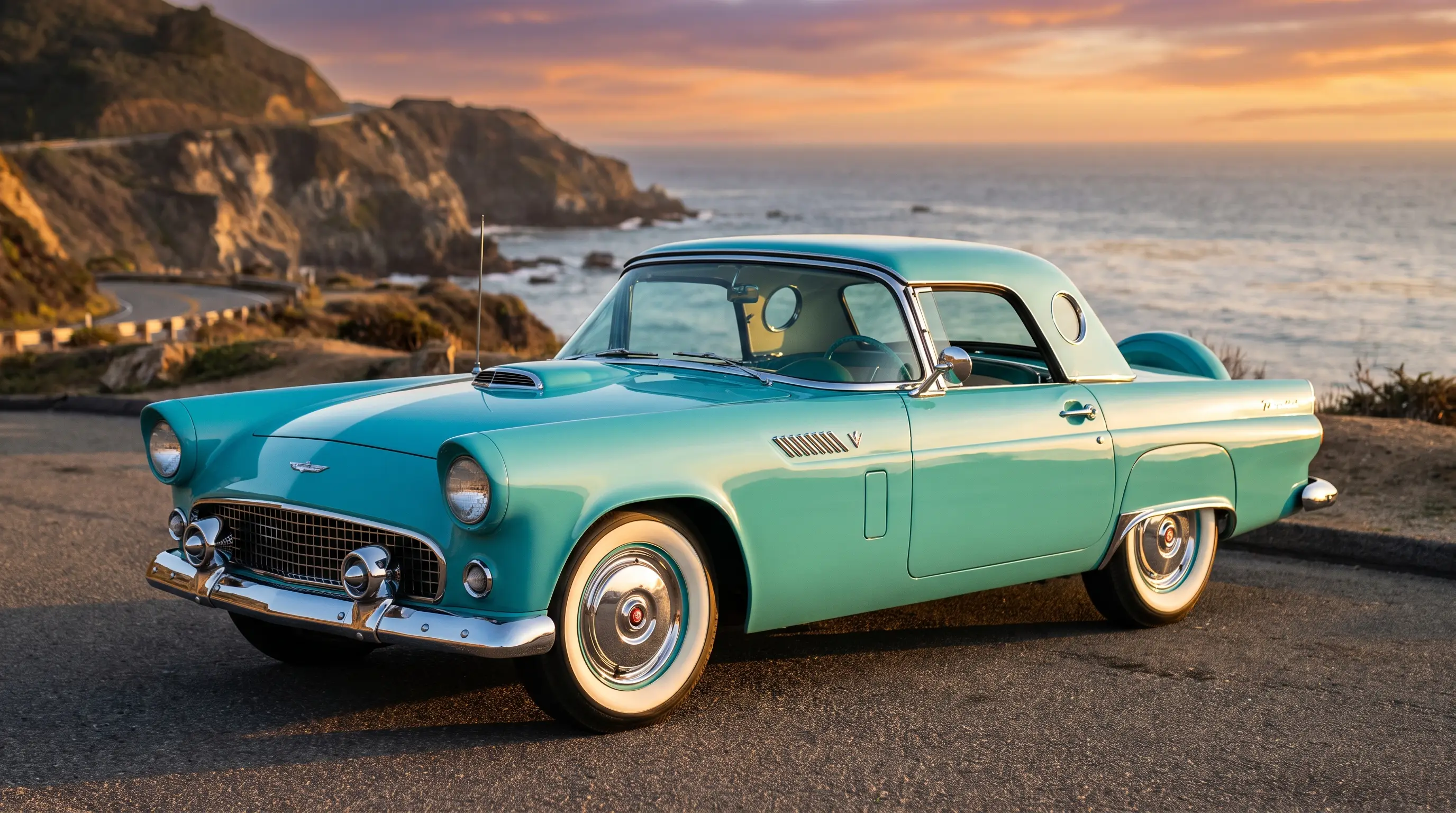
Article
The Y-Block V8: The Heart of the First Thunderbird
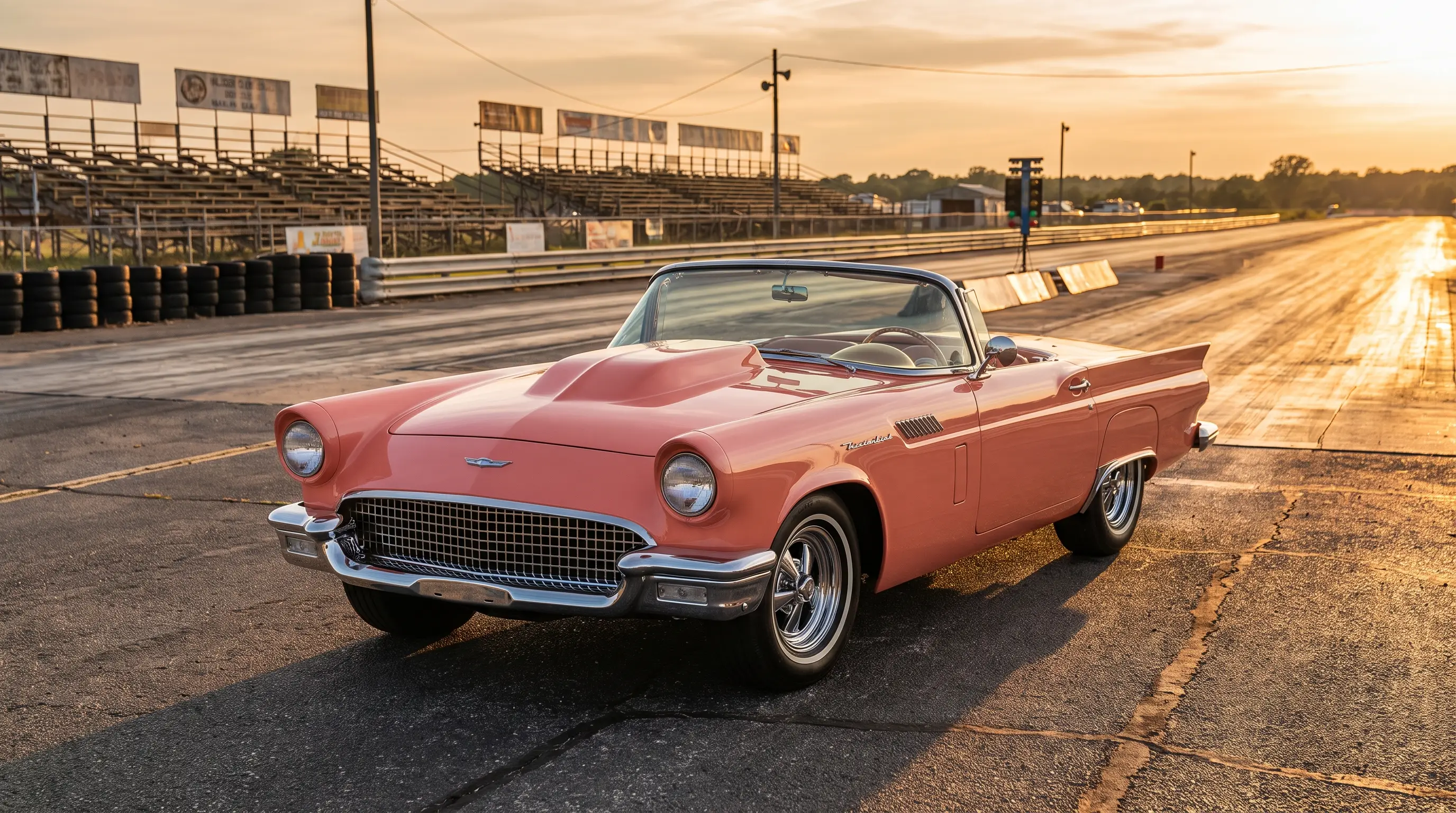
Article
The Supercharged F-Code 312
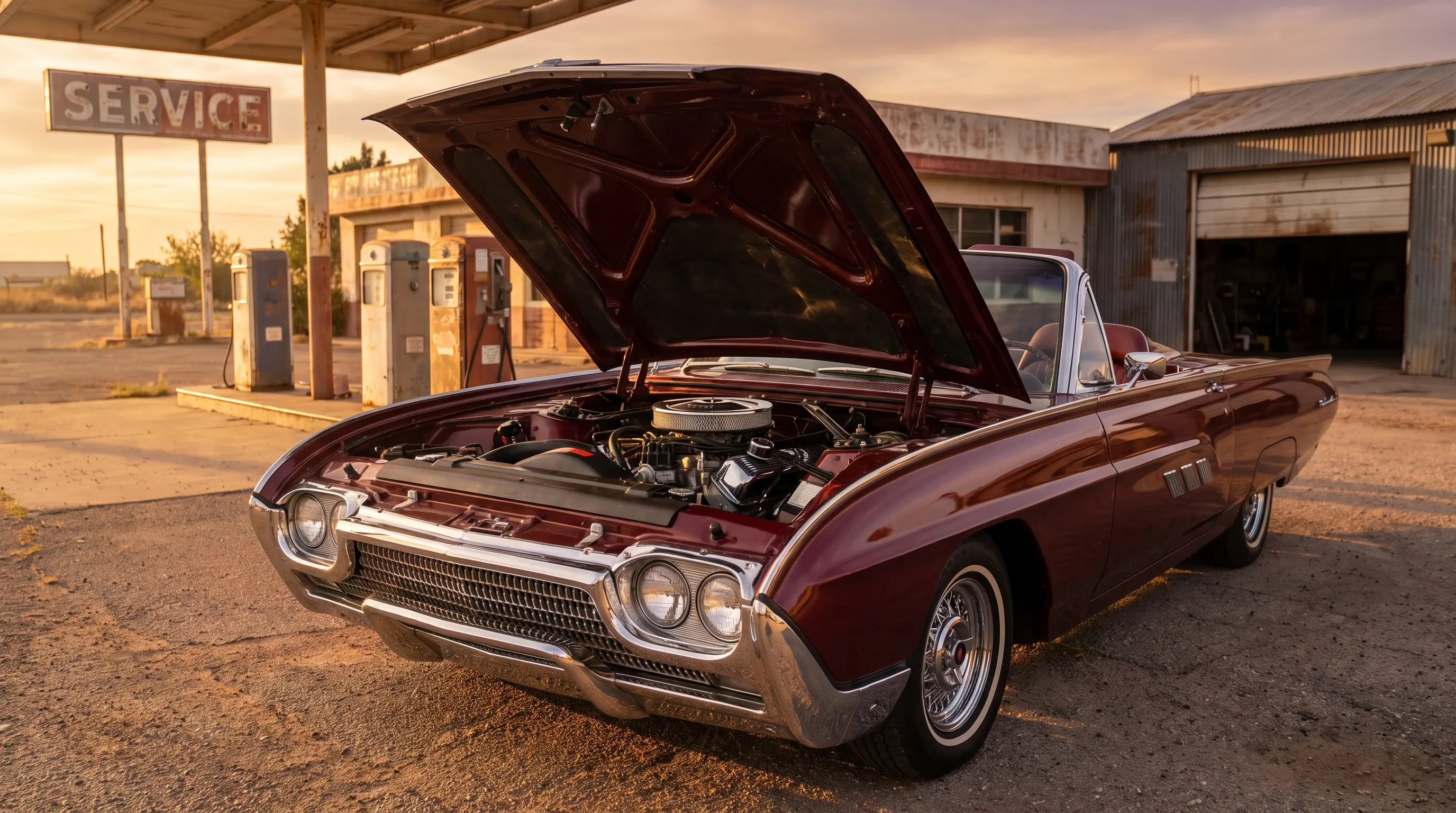
Article
The FE 390: The Big-Block Thunderbird Era
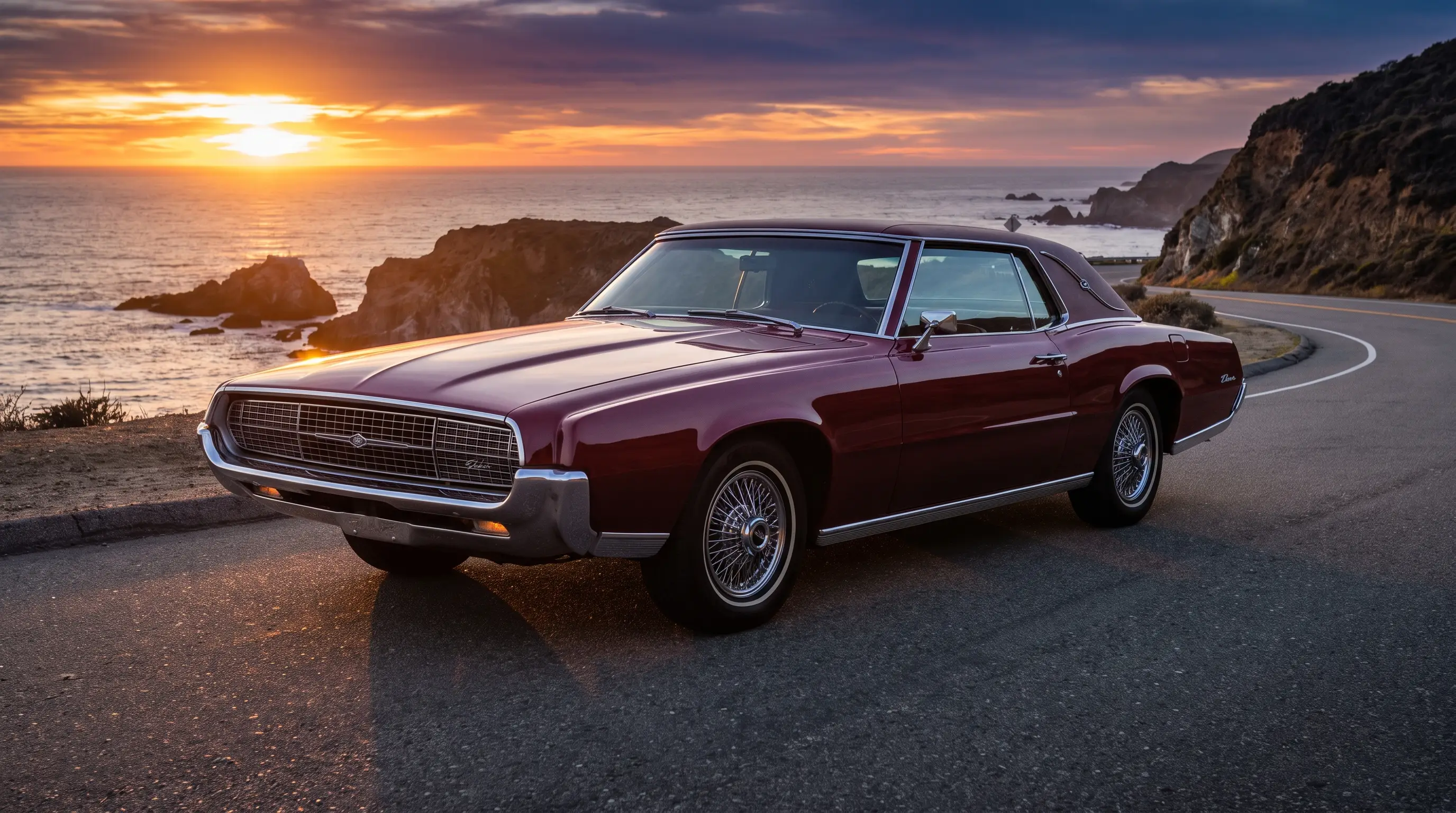
Article
The 428 Thunderbird: Flair Bird Muscle
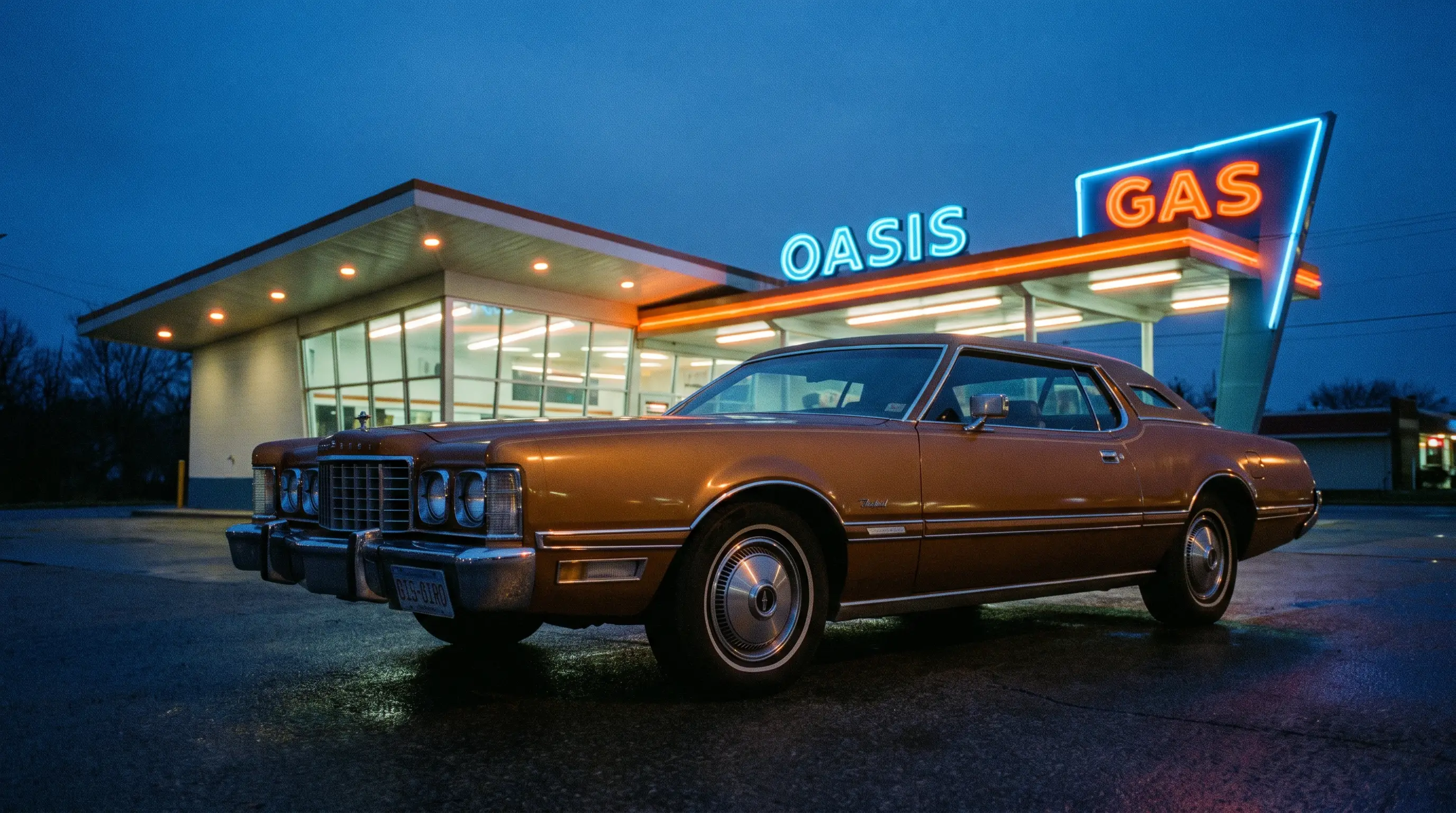
Article
The 429 and 460 385-Series
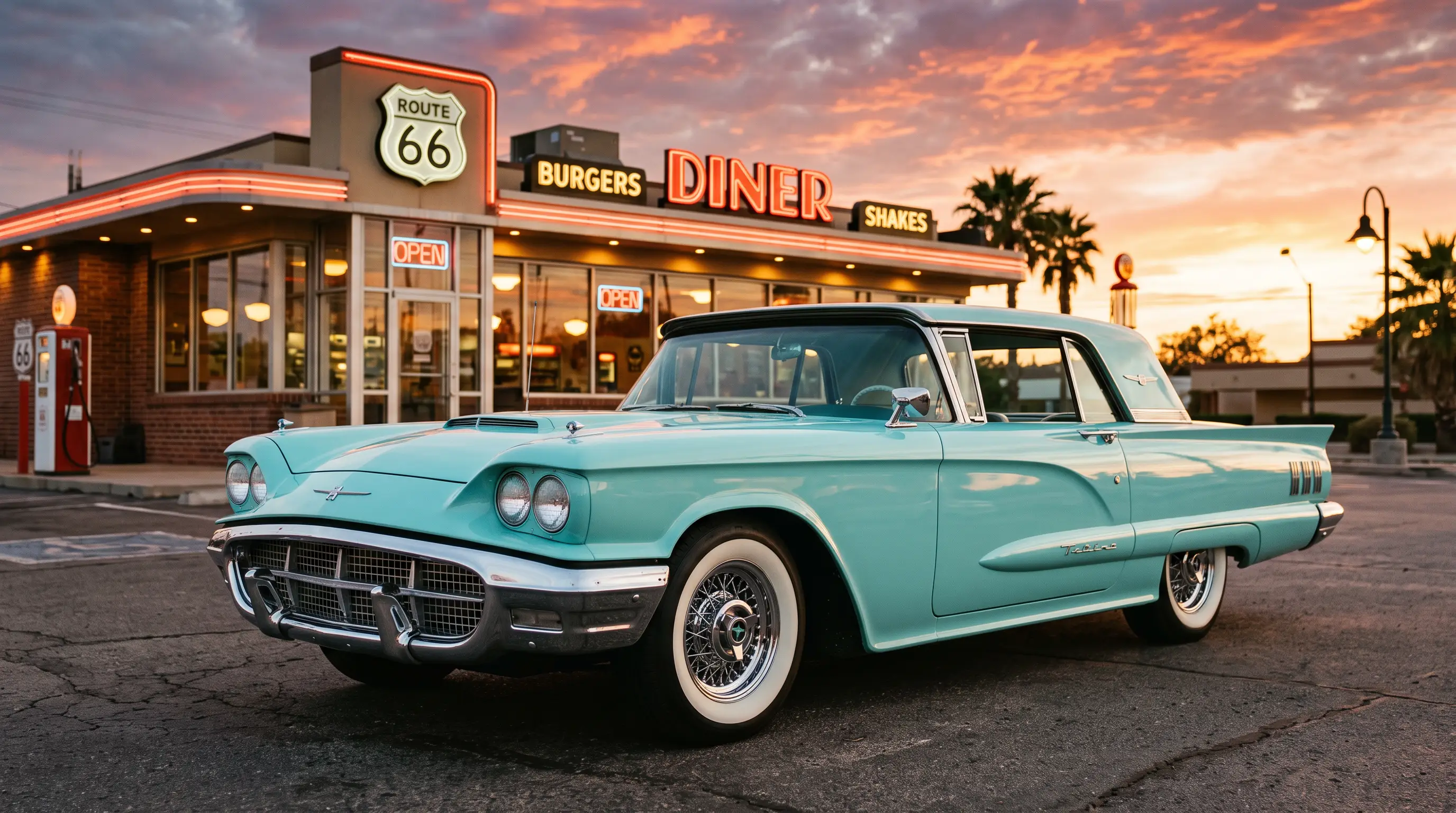
Article
The 430 MEL: The Square Bird's Lincoln V8
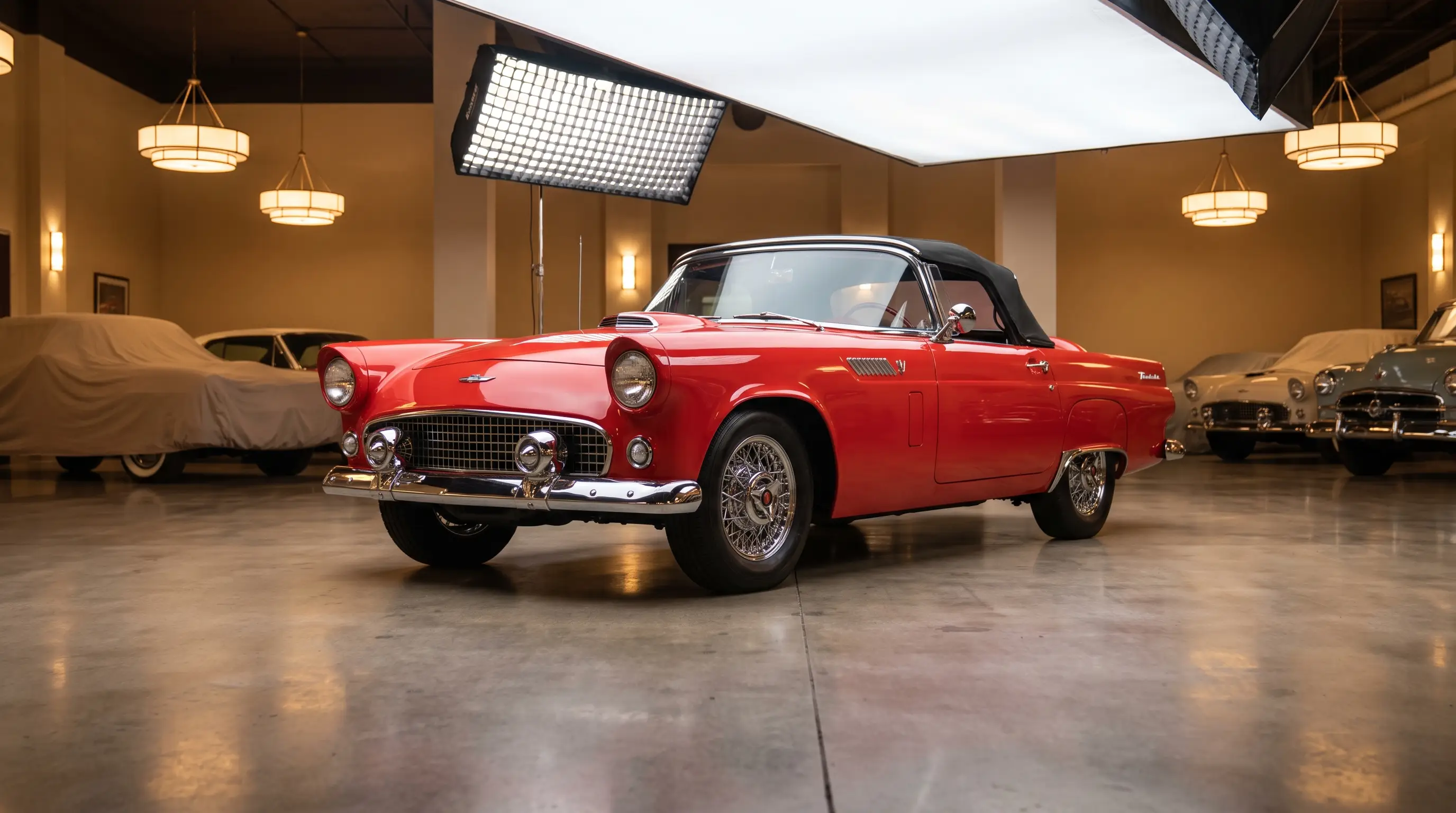
Article
Thunderbird Engine Evolution: Two Decades of Power
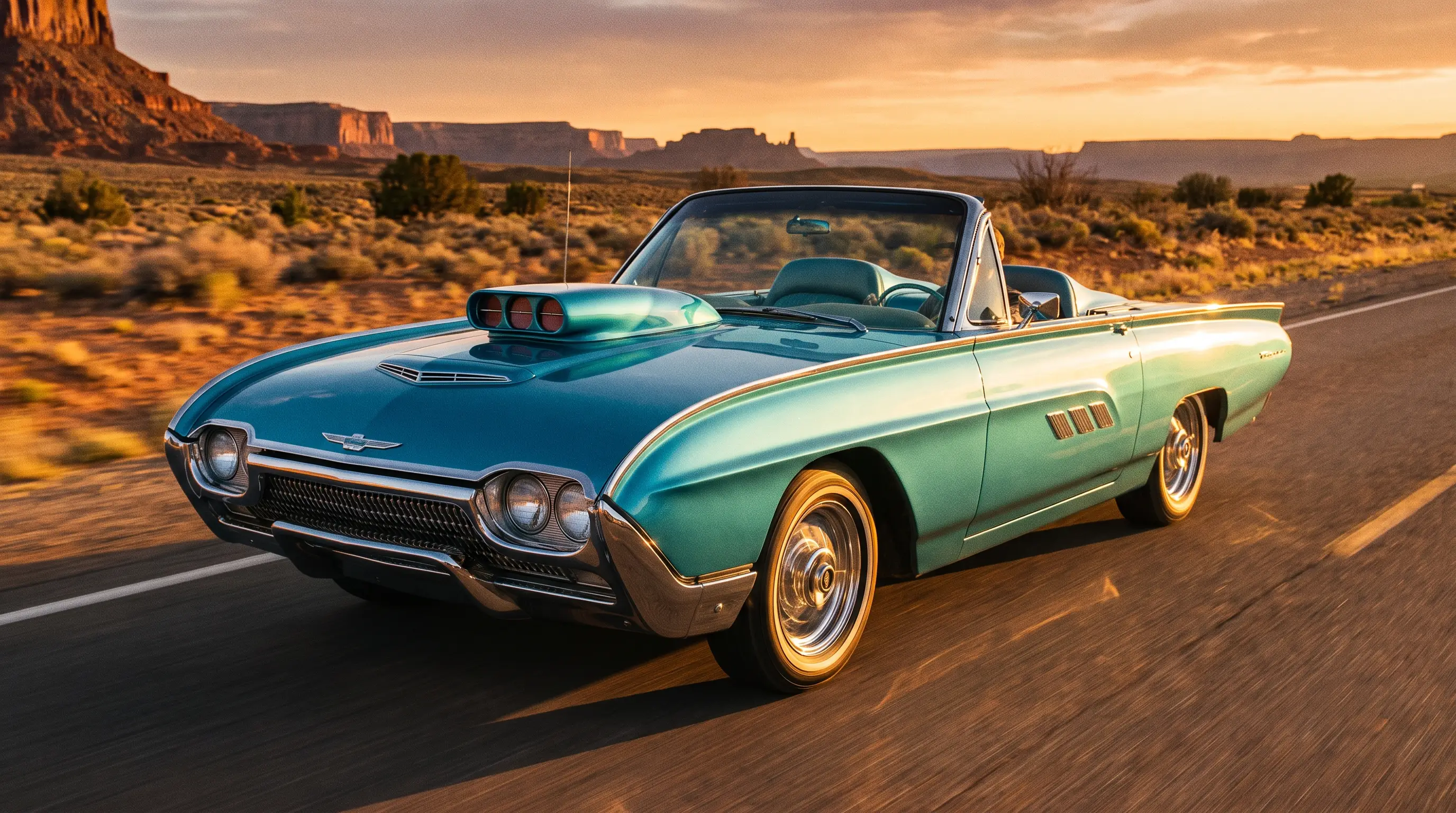
Article
The Tri-Power 390 M-Code
Article
How Thunderbird Engines Differed From the Mustang and Galaxie
Article
Thunderbird Horsepower Through the Years
Article
Why the Thunderbird Was Never a Muscle Car
Have a
Ford Thunderbird
for Sale?
Reach thousands of serious classic car collectors across the US.
Sell It Here →
Are You a Classic Car Dealer?
List your full inventory and connect with targeted classic car buyers.
Join as a Dealer →

About the author
Dan Reeves
Performance engine builder from North Carolina's motorsports corridor, focused on swaps, forced induction and making real, repeatable power.
Related Listings - Ford Thunderbird
Comments (1)
S
Steve Macaluso
2 months ago
Good article for someone doing research. Keeps newer buyers from making the same expensive mistakes experienced buyers already made.