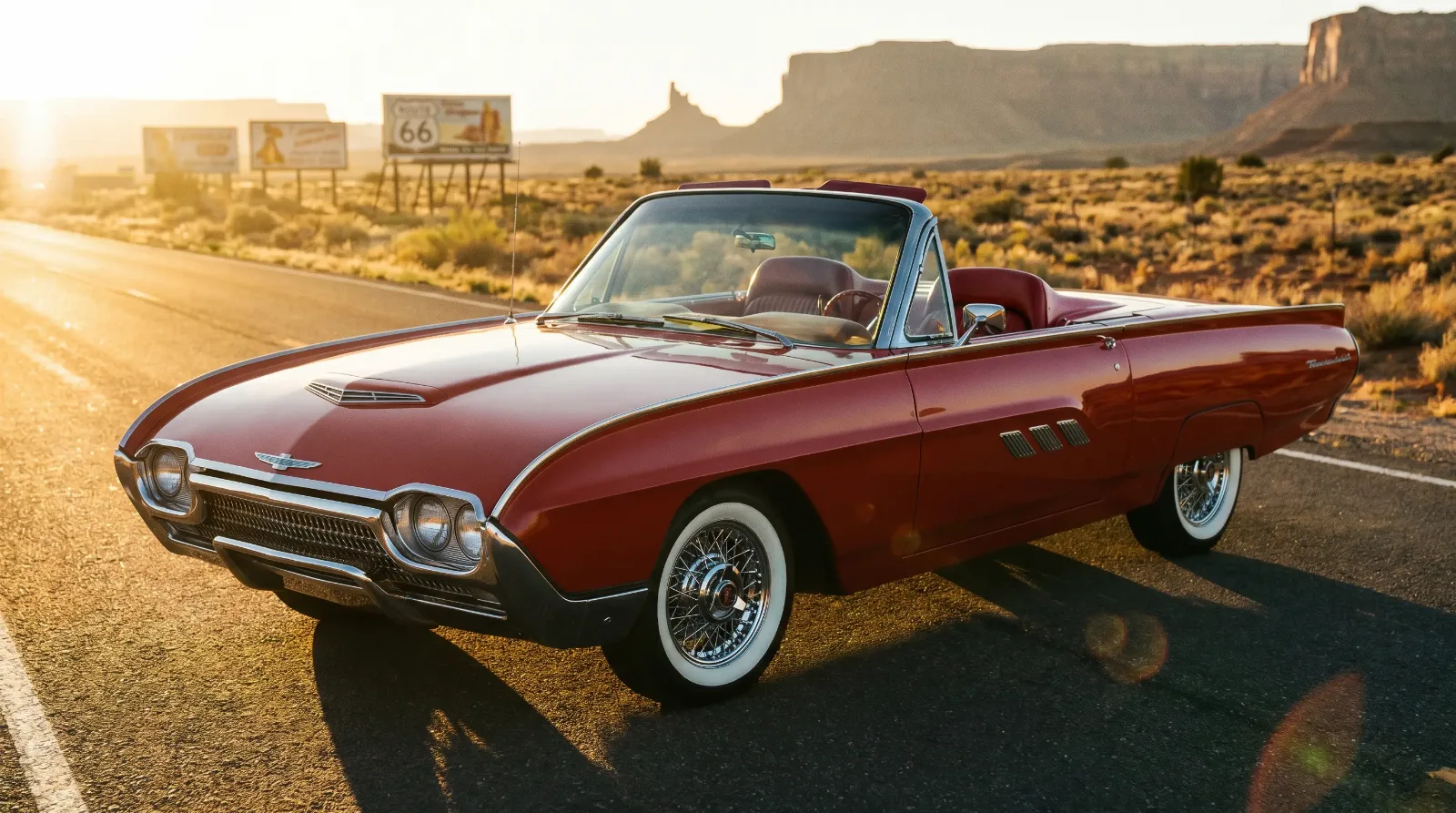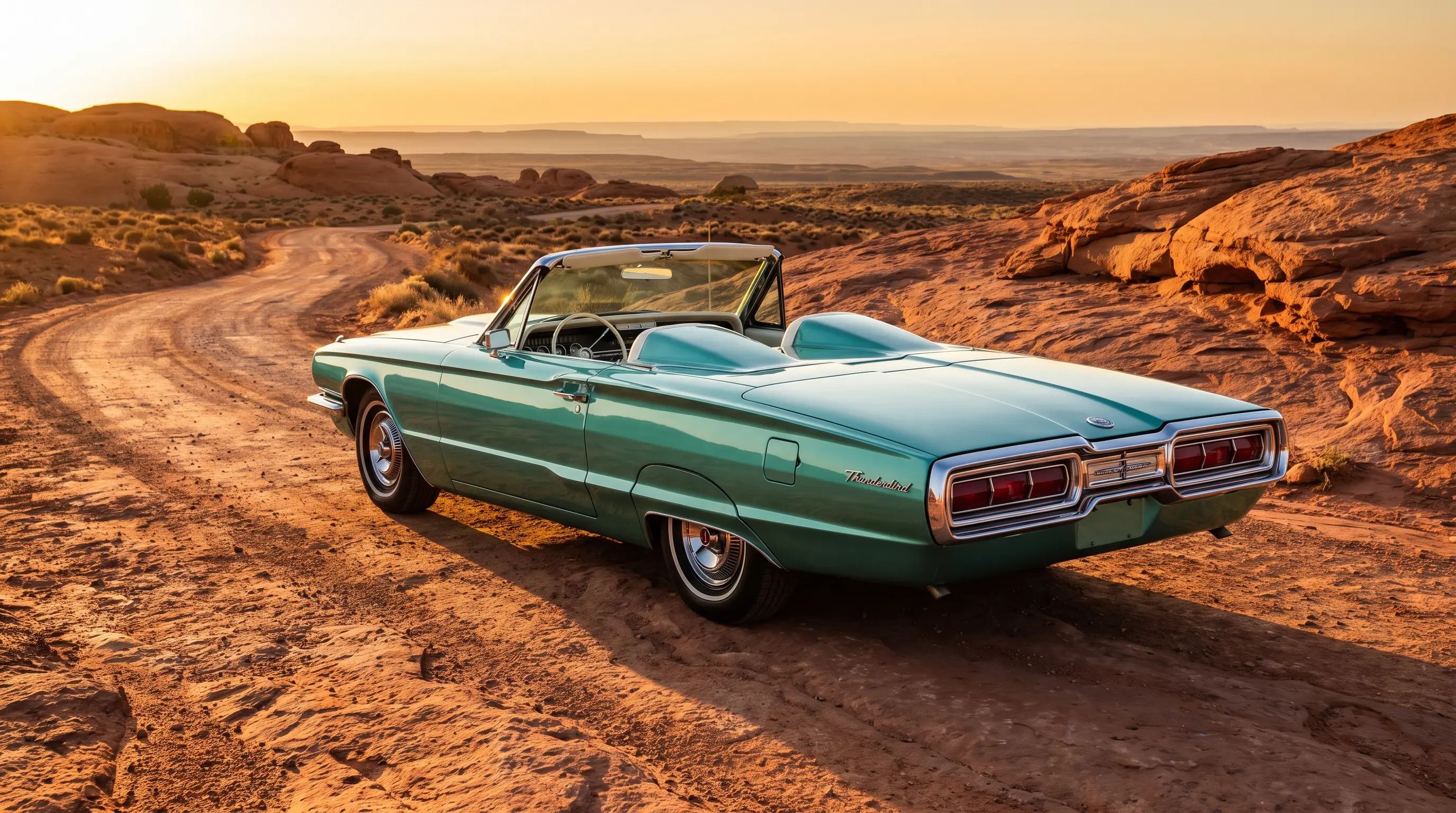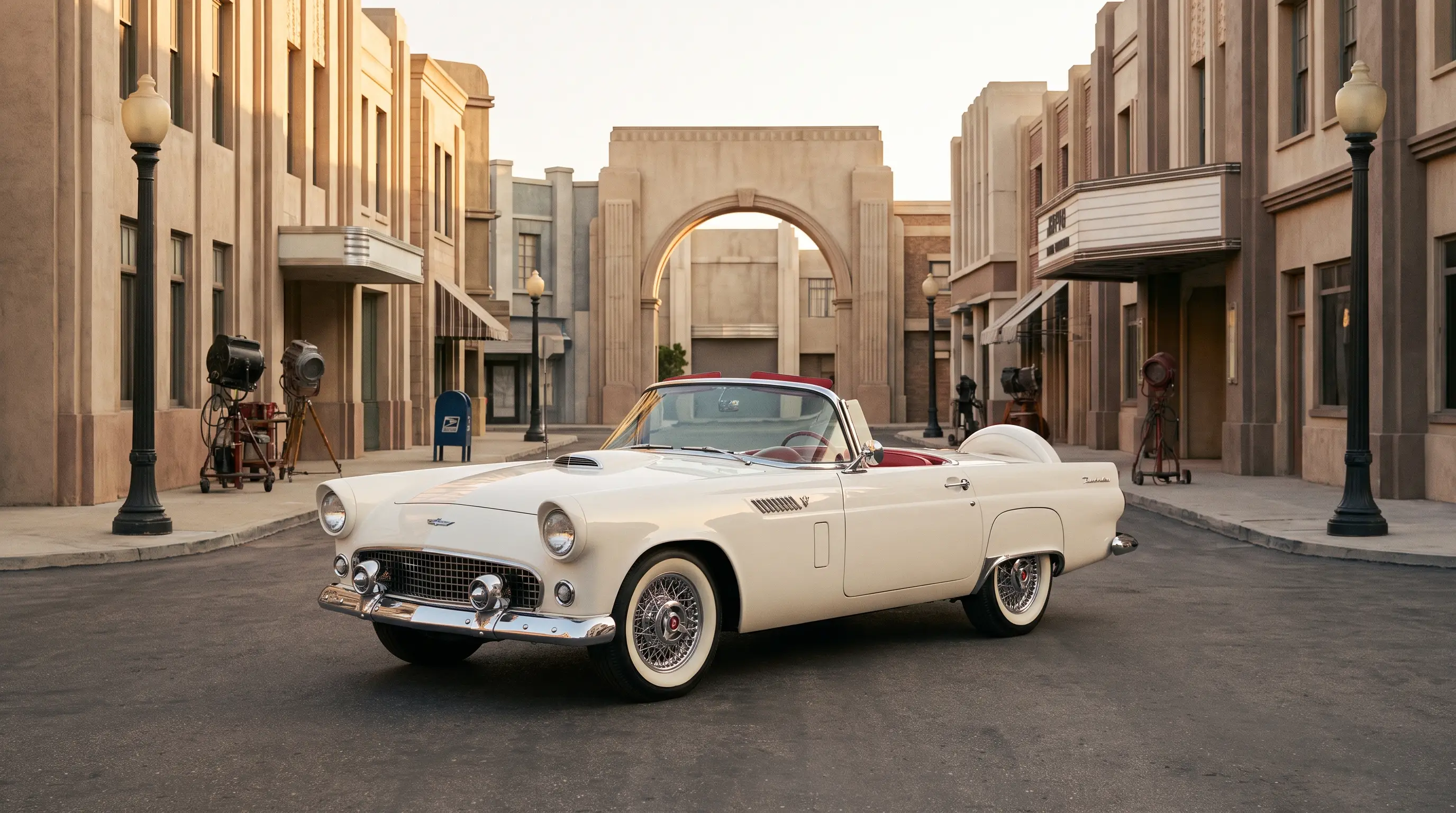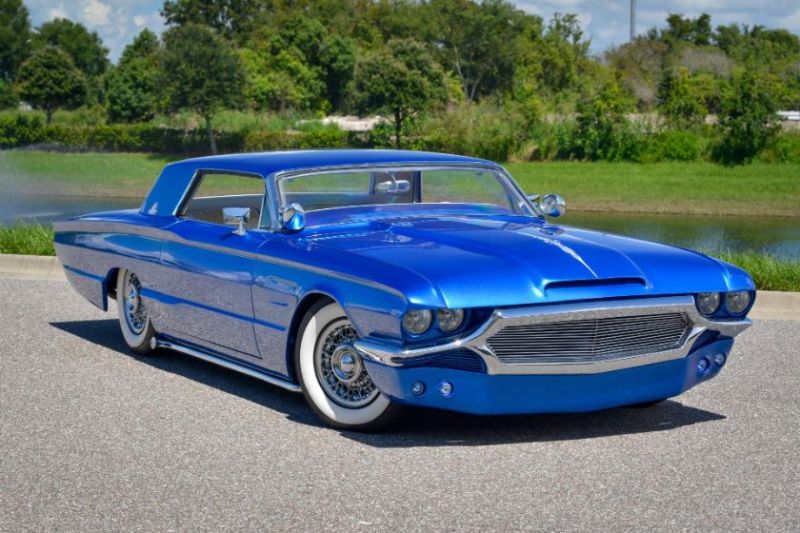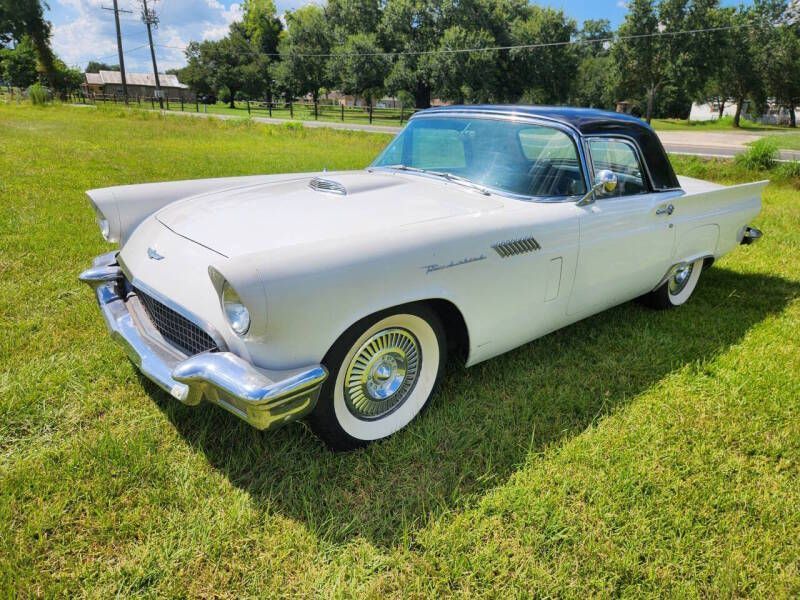
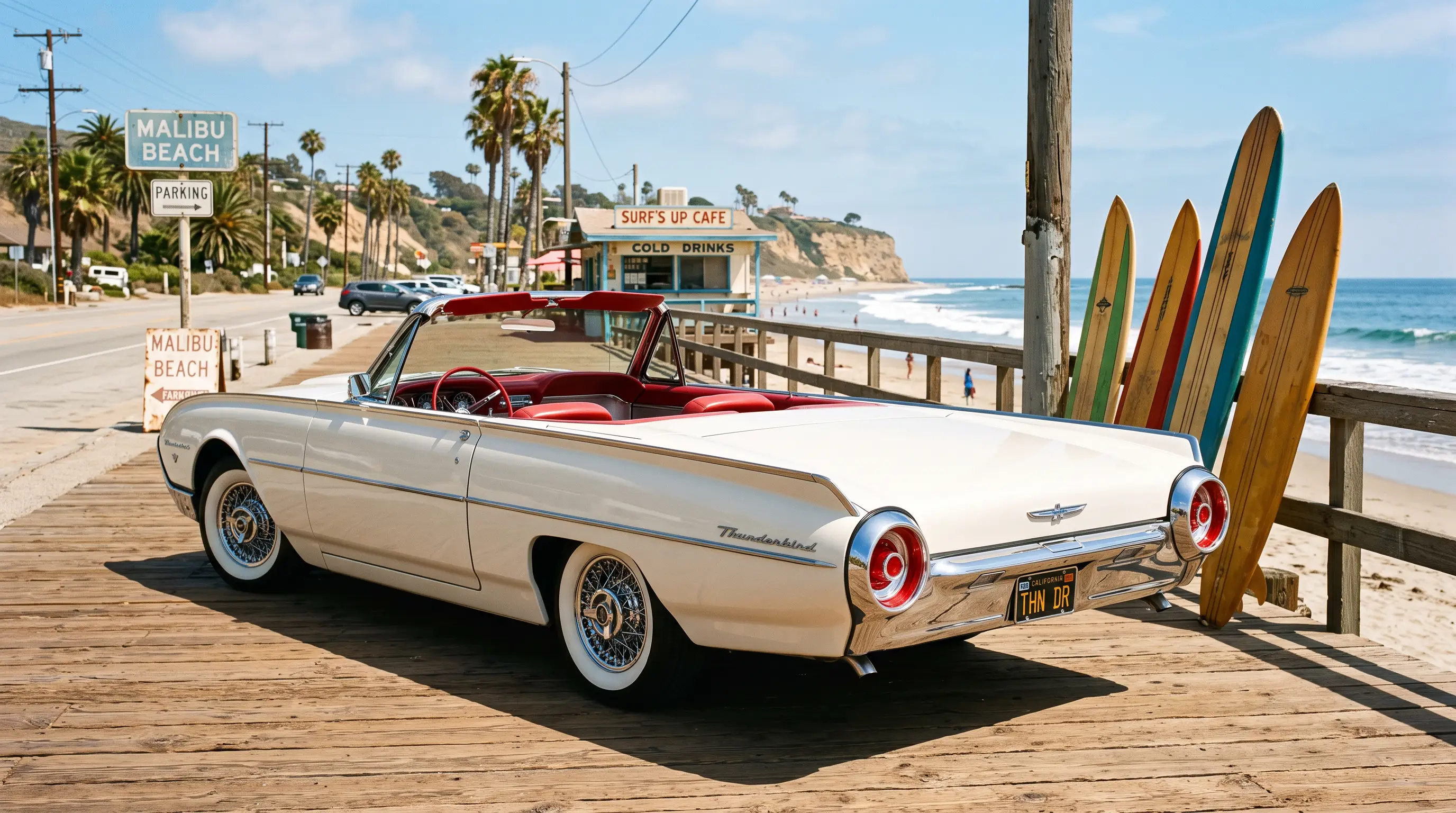
A father's Thunderbird, borrowed without permission, a stretch of road with nowhere particular to be, and a song that turned a small act of teenage rebellion into one of the defining sounds of early 1960s California. The beach boys thunderbird song, "Fun, Fun, Fun," released in 1964, put the Ford Thunderbird at the center of a story that felt true to an entire generation even though it was, on its surface, about one girl and one car.
The story inside the song
"Fun, Fun, Fun" opens with a girl telling her father she is headed to the library, then taking his Thunderbird out cruising instead, T-bird in hand, radio on, looking for whatever the night has to offer. Brian Wilson wrote the melody after hearing a Chuck Berry riff and reworking it into something distinctly his own, while Mike Love's lyrics built a small, specific narrative around a specific car rather than settling for a generic hot rod anthem. That specificity is part of why the song has aged so well. It is not about cars in the abstract. It is about one particular Thunderbird and the particular kind of freedom it represented to someone who was not, technically, supposed to have the keys.
The narrative arc of the song, freedom followed by consequence, her father eventually taking the T-bird away, gives the track a shape that a lot of surf rock singles from the same period never bothered with. Most car songs of the era simply celebrated speed and style without much of a story attached. The Beach Boys built an actual small drama around the Thunderbird, complete with a reversal in the final verse, and that structure is a large part of why the song still gets covered, sampled, and referenced sixty years later.
Brian Wilson has spoken in later interviews about pulling the song's opening riff from Chuck Berry's catalog, a debt the band acknowledged rather than hid from. What Wilson and the rest of the group added was the vocal architecture, those layered harmonies that turned a simple guitar riff into something closer to a small choral piece about teenage freedom. The Thunderbird sits at the center of that arrangement the same way it sits at the center of the lyric, the fixed object everything else circles around while the harmonies build and release verse by verse.
"The genius of that song is how ordinary the setup is. A girl borrows her dad's car. That is the whole plot, and somehow it became one of the most joyful three minutes in American pop music."
- Nora Beckett
Why a Thunderbird and not another car
By 1964 the Thunderbird carried a specific cultural weight that a more common family sedan simply did not have. It was aspirational, a car associated with success and a certain kind of glamour, which made it the ideal object for a story about a young person briefly living a life bigger than her actual circumstances allowed. Putting the girl behind the wheel of her father's Thunderbird rather than his station wagon changes the entire emotional register of the song. A station wagon borrowed without permission is a minor prank. A Thunderbird borrowed without permission is a taste of a whole different life, however brief, and the song's energy reflects that difference in every verse.
The choice also reflected the real cultural position the Thunderbird held in Southern California at the time, where the Beach Boys were writing from direct observation of the car culture around them. Personal luxury coupes like the Thunderbird were visible symbols of the postwar prosperity that shaped the whole surf rock aesthetic, sun, cars, freedom, and just enough money to enjoy all three. A song built around a Corvette might have leaned harder into pure speed. Built around a Thunderbird, the song leans instead into status and borrowed glamour, which fits its actual lyrics far better.
A song that outlived its own era
Unlike many singles from the same period, "Fun, Fun, Fun" never really faded from rotation. It became a fixture of oldies radio, appeared in numerous films and commercials, and remains a staple of the Beach Boys' live catalog decades after the band's commercial peak. Each time it plays, it reintroduces a new listener to the idea of the Thunderbird as a specific kind of American object, not just a car but a stand-in for a certain freedom that felt just barely out of reach for an ordinary teenager in 1964.
That cultural persistence matters for how collectors and historians talk about the Thunderbird today. A car does not need a starring film role to become iconic. Three minutes of pop music, repeated on the radio for six decades, did just as much to cement the Thunderbird's place in the American imagination as any single screen appearance managed to do. For readers curious how this fits into the model's wider cultural footprint across film, music, and public life, read the background on how the Thunderbird became shorthand for a specific kind of aspirational freedom across multiple decades of American pop culture.
A related detour worth taking
Readers who enjoyed this particular slice of Thunderbird pop culture history might also find the story behind another famous screen appearance of the car worth a look too, since it involves an entirely different decade, an entirely different medium, and yet the same basic idea, a Thunderbird as a symbol of something just out of reach.
Sixty years after the song's release, the specific model year of Thunderbird referenced in the lyrics is left deliberately vague, part of what makes the song feel timeless rather than tied to one exact car. That vagueness has not stopped generations of fans and collectors from imagining their own version of the song's T-bird, and anyone chasing that particular daydream can shop classic Thunderbird listings and find a real one to borrow, this time with permission.
What makes the song's staying power interesting from a cultural standpoint is how little the actual car itself has to do with any technical detail. No engine size gets mentioned. No trim level gets named. The lyrics never describe the Thunderbird's color, its options, or even its generation, and yet the image it conjures is instantly specific to anyone who grew up hearing it. That says something about how thoroughly the Thunderbird's reputation had already been established by 1964, requiring no elaboration to land the emotional point of the song. Mention the name and the picture forms itself, chrome and confidence and a girl who was not supposed to have the keys.
Radio programmers still reach for "Fun, Fun, Fun" whenever a scene calls for California sunshine and a little mischief, and each time it plays, a car built two generations before most of its current listeners were born gets another few minutes of cultural relevance it never had to work particularly hard to earn.