
Every class in drag racing runs on a rulebook, and every rulebook is an invitation. Tell a builder his engine has to measure a certain displacement, that his car has to weigh a certain number of pounds, that his body has to sit at a certain wheelbase, and you have just handed him a list of things to beat. That is not cynicism. That is how the sport got fast. The tech inspection line at the front gate exists because the guys behind it are relentless, and the great cheating stories of the factory muscle era come straight out of that push and pull.
Car Features
6 min read
Tech Inspection and the Great Cheating Scandals
How tech inspection sparked the great drag racing cheating scandals, from acid-dipped bodies and altered wheelbases to post-win engine teardowns.
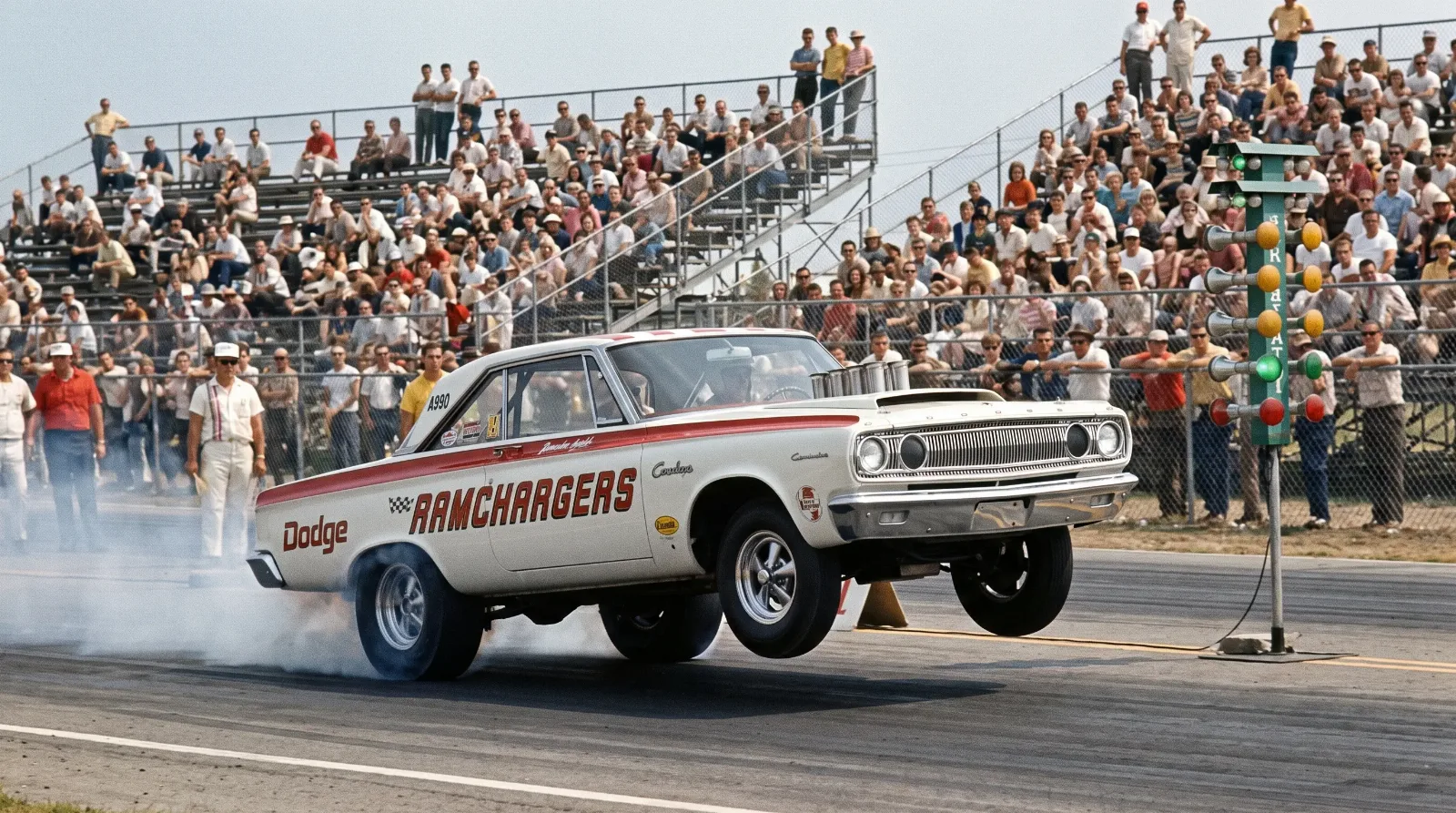
I have spent enough time around cars that live and die by a tape measure to know the truth of it. The rules never stopped anybody from being clever. They just decided which kind of clever counted as legal and which kind got you thrown out. The line between a smart build and a disqualification was often a sixteenth of an inch, and the men who worked that line knew every trick because they had all seen them tried.
Why the tech line exists at all
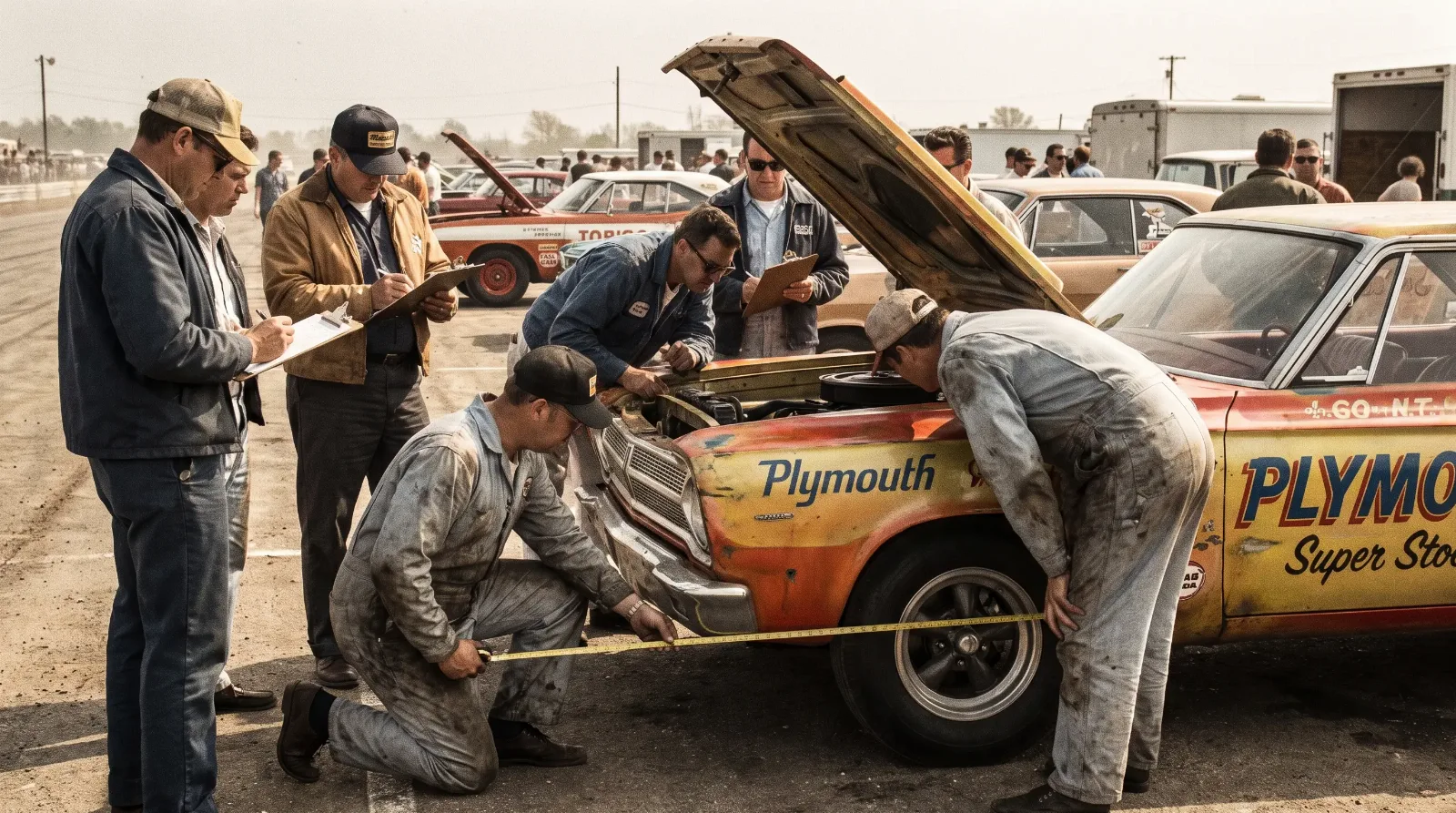
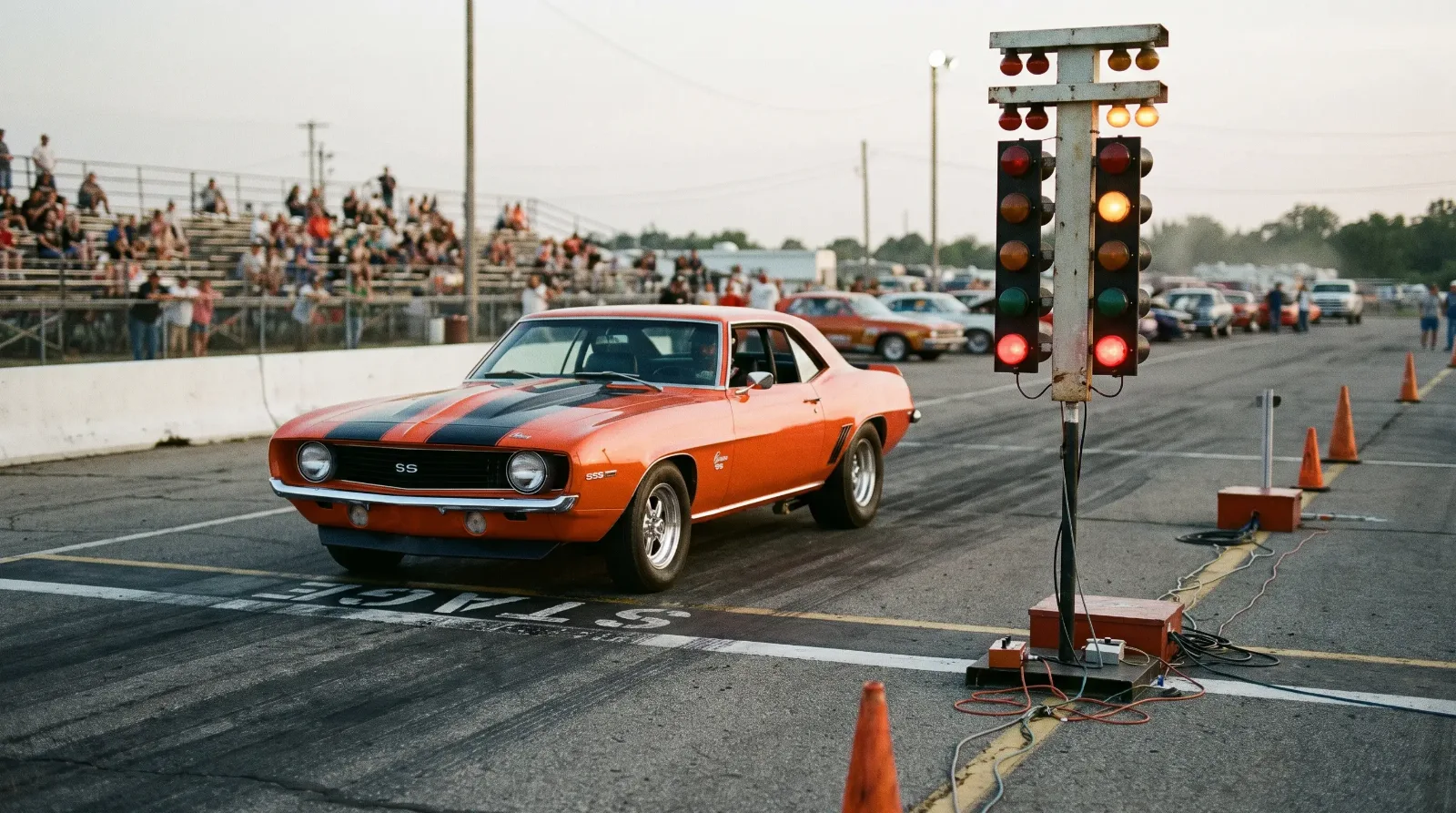
Stock and Super Stock were built on a simple promise. The car on the strip is supposed to be the car the factory sold, held to blueprint specifications. Bore, stroke, valve size, carburetor, compression, shipping weight, all of it written down. If your class says the engine displaces a set number of cubic inches and carries a set advertised horsepower, then that is what tech expects to find. The whole appeal of those classes was that a spectator could look at a car and believe it was close to what sat in a showroom. Break that promise and the class means nothing. If you want the wider picture of how the classes grew up alongside the rules, it lives in the story of drag racing history, and it explains why tech inspection turned into an arms race of its own.
The inspectors had a checklist and a lot of experience with liars. They weighed cars. They measured wheelbase. They pulled valve covers. And after a big win, they could tear the engine down right there to confirm it measured what the class allowed. That last part is what made cheating a gamble instead of a sure thing.
The acid dip and the featherweight body
Weight is the enemy of elapsed time, so weight was the first thing people went after. The factory lightweight programs did it out in the open with aluminum panels and thin glass and deleted heaters. The cheaters did it in the dark. The famous one was acid dipping, where a body shell or individual panels got soaked in an acid bath that ate the steel down thinner than it left the stamping plant. The car looked identical. It just weighed less than the factory ever built it.
Trouble was, a dipped panel is a weaker panel, and a car that comes in under its class minimum weight gives itself away on the scale. Racers answered that by hiding ballast where tech would not look, then yanking it before the run. It became a shell game. Tech got wise, started re-weighing after a pass, and the game moved somewhere else.
| The trick | How it worked | How tech fought back |
|---|---|---|
| Acid dipping | Body panels soaked to thin the steel and shed pounds | Scale checks against class minimum weight |
| Removable ballast | Weight added for the scale, pulled before racing | Re-weighing cars after the run |
| Altered wheelbase | Axles moved forward for better weight transfer | Wheelbase measured against factory spec |
| Oversize displacement | Overbored or stroked past the class limit | Post-win engine teardown and cubic-inch check |
| Hidden nitrous | Concealed bottle and plumbing for a power hit | Visual inspection, plumbing traced to the intake |
Moving the metal
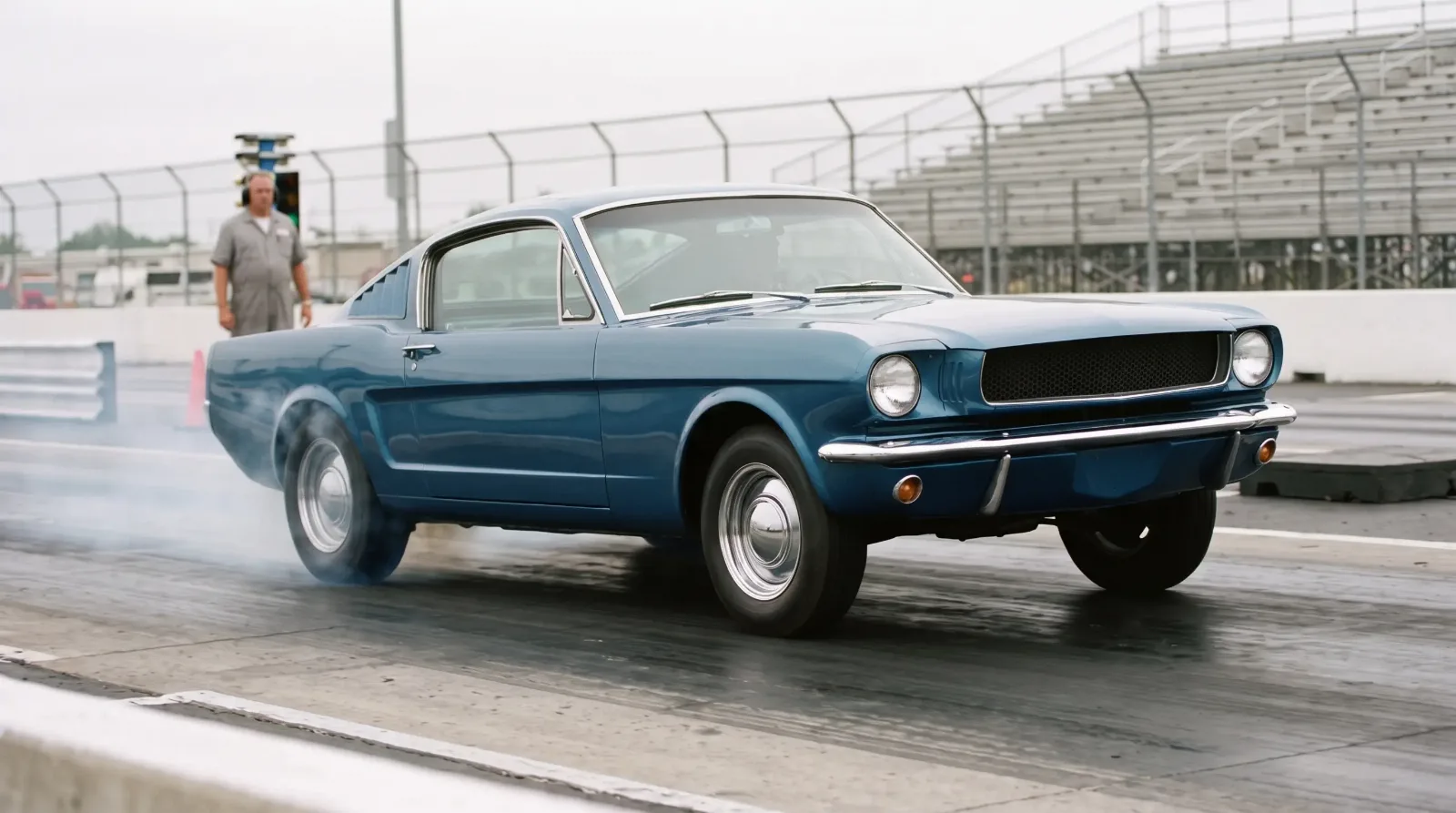
The most famous body trick of the era turned into a whole category of race car. In 1965 the factory Mopar teams started moving the wheels, shoving the rear axle forward and the front axle forward with it to plant more weight over the back tires off the line. It looked wrong because it was wrong, and the cars got the nickname that stuck to a class of racing forever. When the sanctioning bodies decided the altered cars no longer fit Super Stock, the racers did not quit. They leaned all the way in, and the Funny Car grew out of exactly that argument over what a stock wheelbase was supposed to be. Cheating, in that case, invented an entire form of the sport.
The teardown and how they got caught
Here is the part people forget. The cheaters were not dumb, and neither were the inspectors. Tech knew the tricks because tech had watched them all fail. An oversize bore leaves evidence. A stroked crank changes numbers a caliper can read. Nitrous plumbing has to go somewhere, and a trained eye follows a line to the intake. The teardown after a win was the great equalizer, because it took the gamble out of the shadows and put it on a bench where a measurement settled the argument.
What separated the legends from the disqualified was rarely the willingness to bend a rule. It was knowing which rules had real teeth. A builder who understood the tech process cold could find legal speed in places nobody else looked, and that knowledge held up when the valve covers came off. If you want the mechanical side of what actually happens once a car stages and launches, from the lights down to elapsed time, you can read the full story and see why every one of these tricks was aimed at the same thing, a lower number on the clock.
"Cheating in this sport was never about being sneaky for its own sake. It was about finding the pound or the cubic inch the other guy missed, and the ones who lasted knew tech would find it too."
Jim Vasquez
What it means for the cars today
The scandal cars carry a strange kind of value now. A documented factory lightweight or an honest altered-wheelbase survivor tells a story that a clean restoration cannot, because it is a physical record of an era when the rulebook and the racer were at war. Provenance matters more here than paint. A body that was dipped in 1965, or an engine that got torn down and passed, is history you can measure. The collectors who chase these cars are not buying the cheating. They are buying the proof that somebody once tried to beat the system and left the evidence behind.
That is the honest legacy of the tech line. It did not stamp out the cleverness. It aimed it. And the cars that came out the other side, legal or not, are the ones we still argue about at the show.
Related Reading
Have a
Classic Car
for Sale?
Reach thousands of serious classic car collectors across the US.
Sell It Here →
Are You a Classic Car Dealer?
List your full inventory and connect with targeted classic car buyers.
Join as a Dealer →

About the author
Jim Vasquez
Southern California hot rod and custom car builder with roots in the traditional kustom kulture scene.

Comments
Be the first to comment on this article.