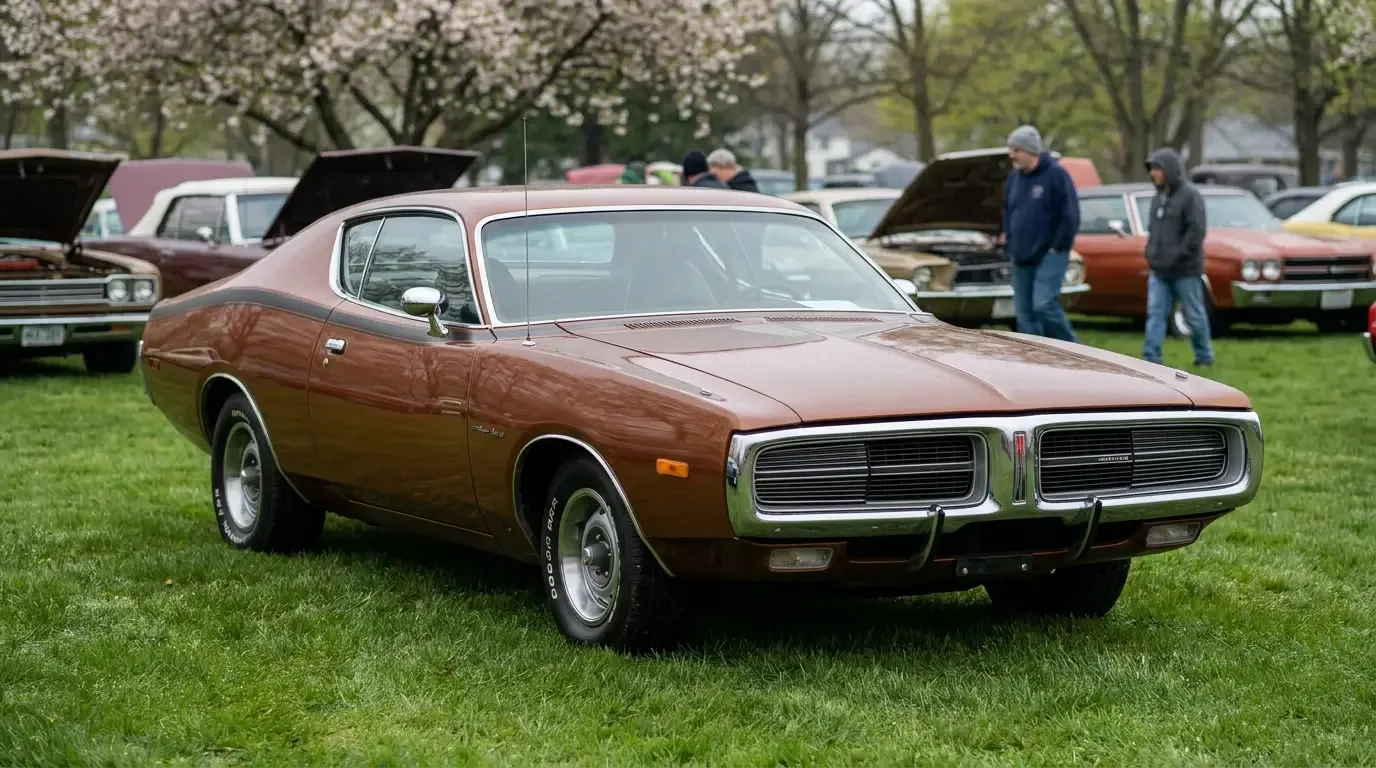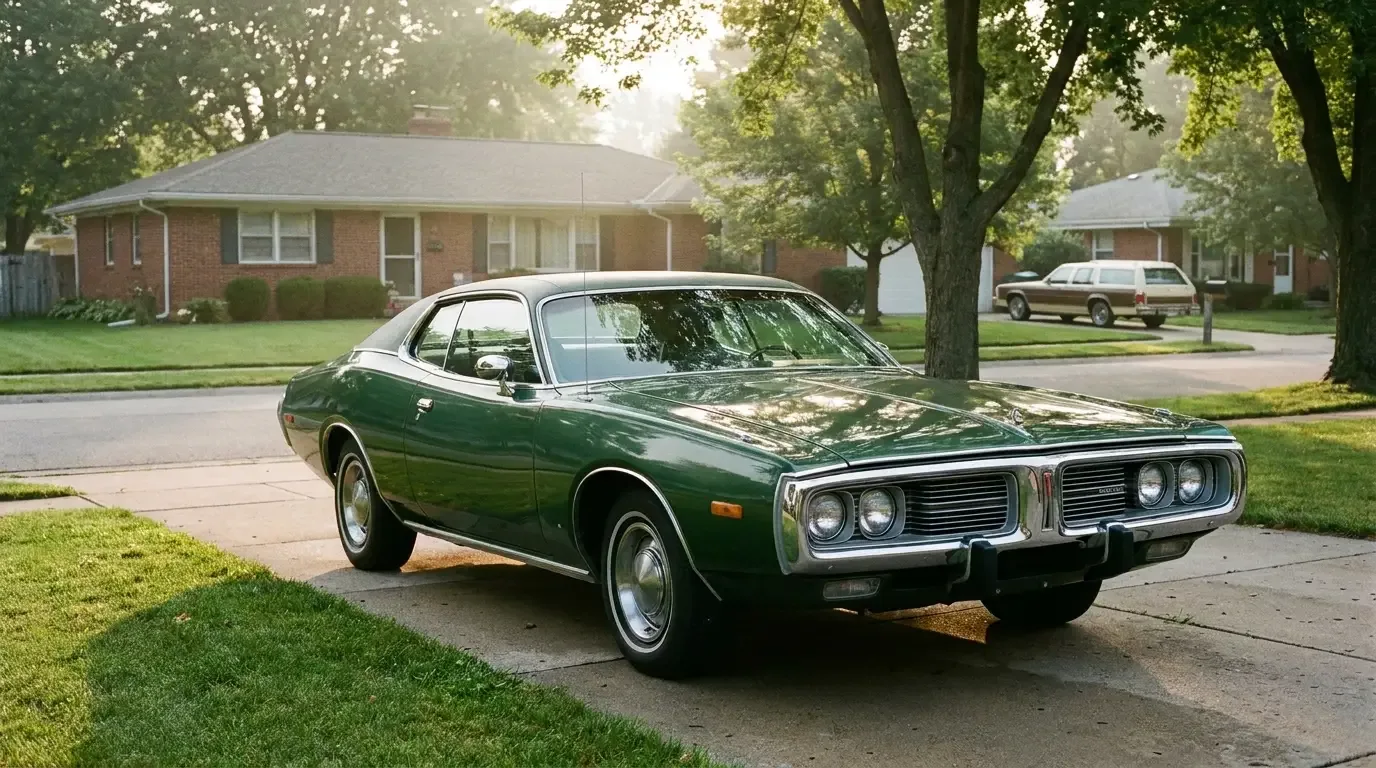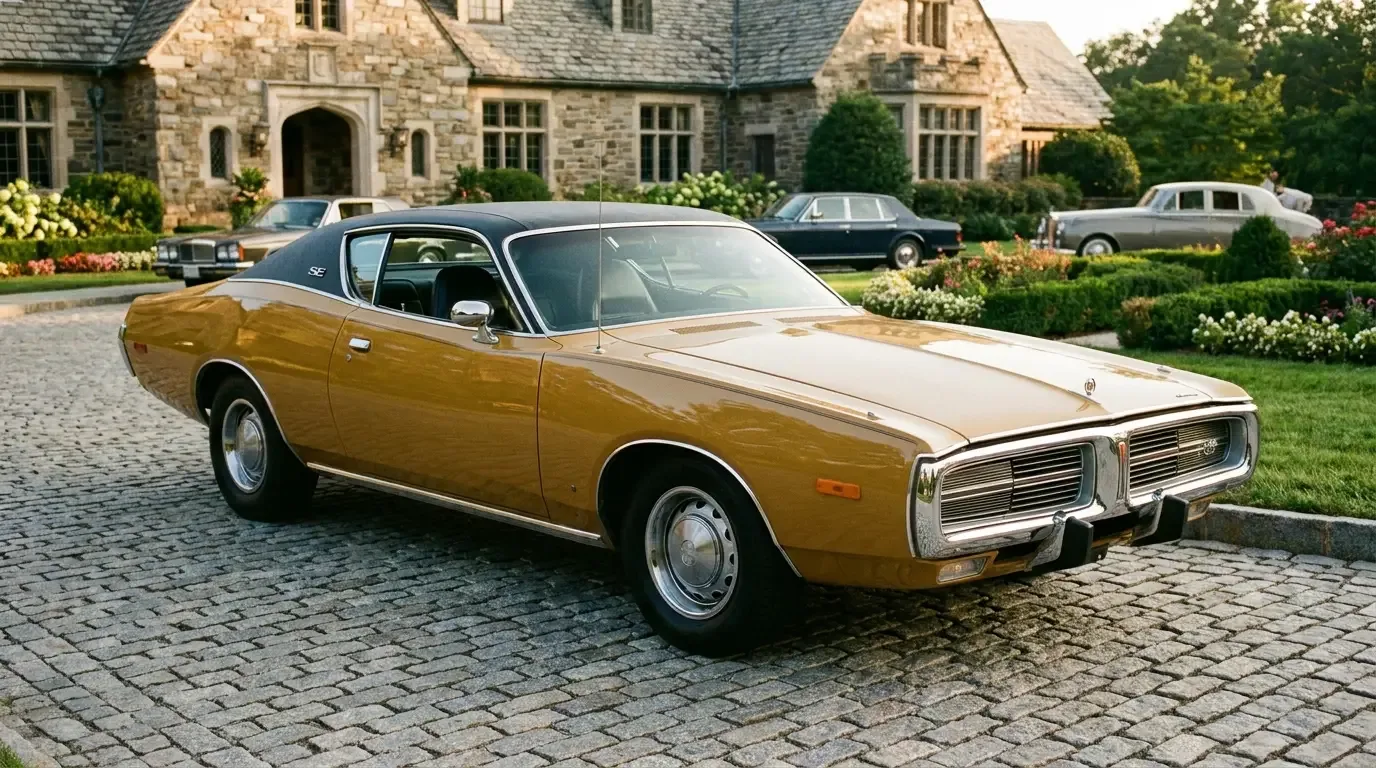
The 440 made the third-generation Charger what it was, more than the Hemi ever did in practical terms. The Hemi gets the magazine covers, but the 440 is the engine most of these cars actually left the factory with, and it's the number that decides whether a fuselage Charger is quick or just quick-looking. Three different versions of this engine appeared across 1971 to 1974, and they are not interchangeable in performance or in value.
The three 440 configurations that matter
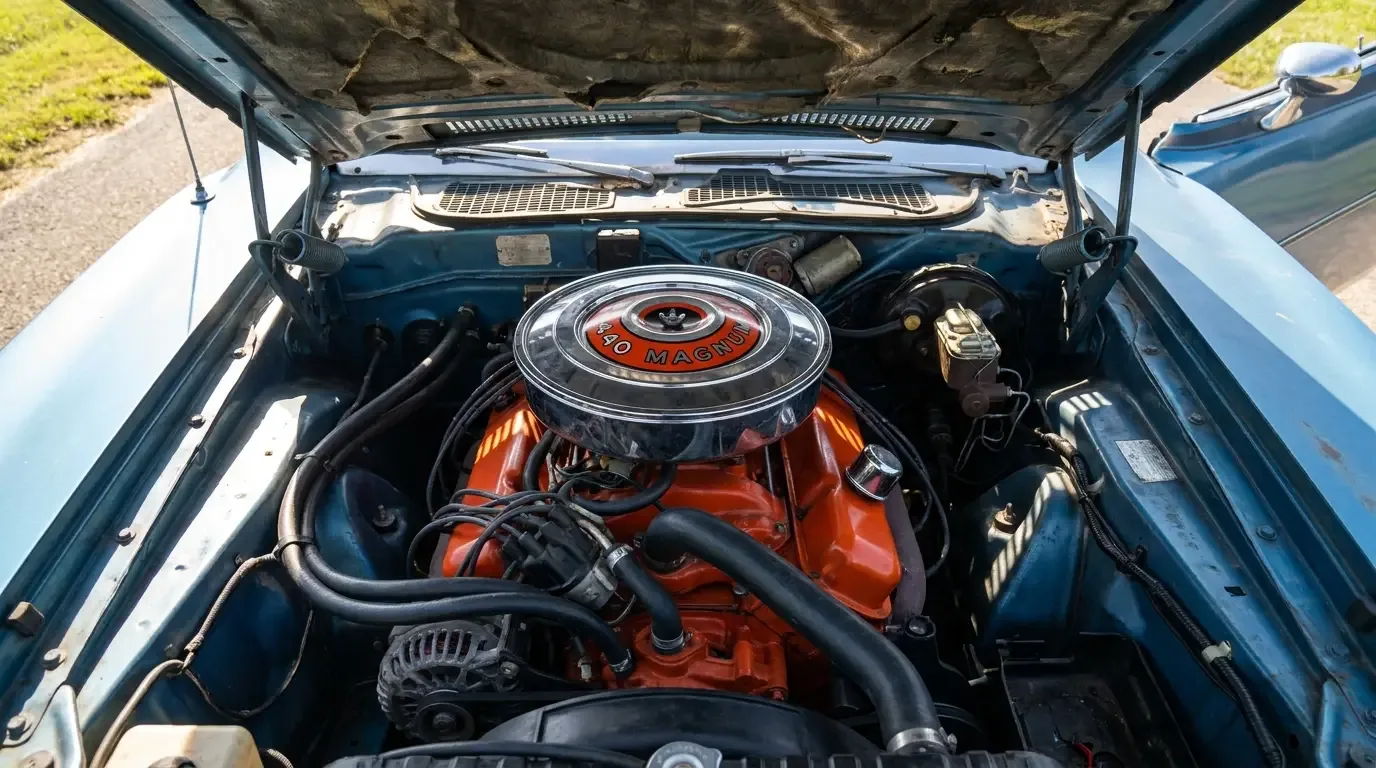
The base 440 Magnum used a single four-barrel carburetor and made 370 hp gross for 1971, dropping to a lower net-rated figure by 1972 and 1973 as measurement standards and emissions equipment changed. This was the standard engine on the R/T for 1971 and remained available through the Rallye package in later years.
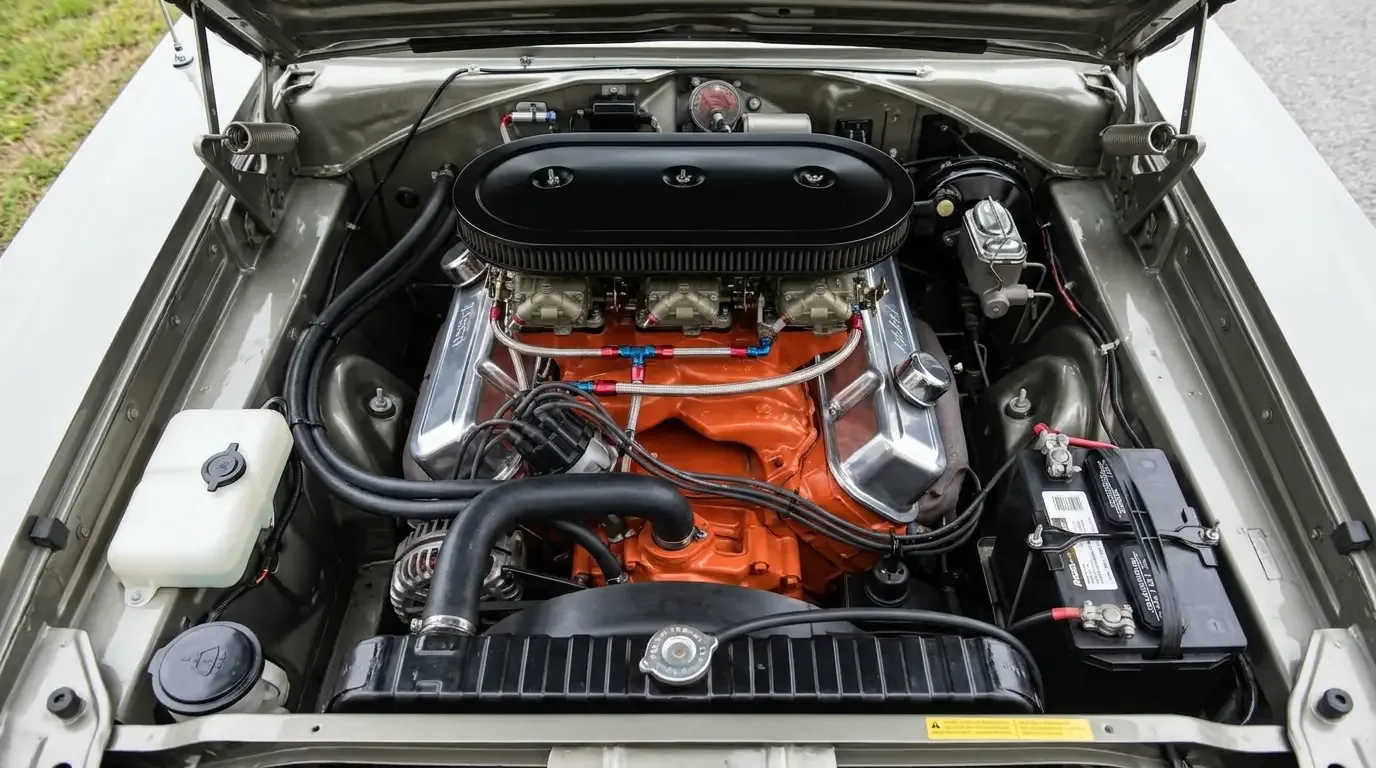
The 440 Six Pack ran three two-barrel carburetors instead of one four-barrel, and it's the version with the reputation that outpaces its actual production numbers. Rated at 385 hp gross for 1971, the real-world gain over a well-tuned single four-barrel 440 is smaller than the aftermarket mythology suggests. It's a genuinely stronger engine, but the gap isn't the gulf some sellers imply when pricing a Six Pack car well above a comparable Magnum.
The 440 was dropped in Six Pack form after 1971, meaning 1972 through 1974 Chargers with a 440 came with the single four-barrel Magnum only, at progressively lower net ratings as emissions controls tightened. A buyer expecting a Six Pack option on a 1973 order sheet is looking for something that didn't exist that year.
| Configuration | Years Available | Approx. Horsepower |
|---|---|---|
| 440 Magnum (4bbl) | 1971 to 1974 | 370 hp gross (1971), declining net ratings after (280 hp net by 1972) |
| 440 Six Pack (3x2bbl) | 1971 only | 385 hp gross |
Why the number on paper doesn't tell the whole story
Horsepower ratings changed methodology from gross to net between 1971 and 1972, and that shift makes raw number comparisons across model years misleading without context. A 1972 440 rated in the low 200s net isn't necessarily weaker in absolute terms than the same displacement engine rated higher under the old gross standard the year before. But buyers reading window stickers at the time drew conclusions from the smaller number, and that perception shaped resale values for decades afterward.
"The blower looks great on the invoice. On the dyno it made twelve more horsepower than the combo that cost a third as much. That's the number that matters."
— Dan Reeves
What a 440 does for the car in practice
A properly maintained 440 Magnum moves a Charger with real authority, enough torque low in the rev range to make the car feel quick even without chasing high RPM. It's not a peaky engine built for the drag strip exclusively. It's a big torque motor that suits a two-ton car well, and that's part of why it remained Dodge's flagship performance option even as the Hemi's take rate collapsed toward nothing by 1972.
Fuel economy with a 440 was never good, even by the standards of the day, and buyers considering one as a daily driver today should plan around single-digit to low-teens mileage depending on driving style and gearing. That's the honest tradeoff for the torque, and it hasn't changed just because gas is more expensive now than it was in 1972.
Verifying a real 440 car
Casting numbers on the block, the fender tag's engine code, and a surviving broadcast sheet are the three pieces of evidence that actually settle whether a car is a numbers-matching 440 or a replacement engine of the correct type. Given how commonly 440s were swapped between Mopar B-bodies over the decades, sometimes for performance reasons and sometimes just because a running engine was cheaper than a rebuild, I wouldn't take a seller's word alone on this. The paperwork exists for a reason.
For more on how the 440 fit into the Charger's overall lineup during this period, the fuselage Charger era covers the styling and model changes that surrounded these engine options. The SE trim, which prioritized comfort over the Magnum's raw torque, is covered separately, and read more here if that side of the lineup interests you more than the performance angle. And the R/T badge that originally carried this engine as standard equipment gets its own full treatment in dodge charger rt.
Transmission and rear gear pairings worth knowing
Most 440-equipped third-generation Chargers left the factory paired with either the TorqueFlite 727 automatic or, less commonly by this point, a four-speed manual. The 727 was the stronger transmission choice for the torque these engines produced, and it's the pairing you'll find on the majority of surviving cars. A correctly documented four-speed 440 car is a genuine rarity worth a real premium, since take rates for manual transmissions had already declined sharply by 1971 in favor of the automatic most buyers actually wanted.
Rear axle ratios also matter more than people give them credit for when judging how a 440 car actually drives. A numerically higher ratio, something in the 3.55 to 3.91 range, makes the car feel considerably quicker off the line than the same engine paired with a taller highway gear closer to 2.94 or 3.23. Two otherwise identical 440 Chargers can feel like completely different cars depending purely on what's in the differential, and that's worth checking before assuming a car is underperforming for its engine.
The engine that actually defined this generation
The Hemi gets the attention, but the 440 is the number that mattered to most buyers who actually wrote a check for a third-generation Charger. It's the engine that shows up most often in the survivor population, the one most commonly documented in surviving build sheets, and the one that decides, more than any other single spec, whether a fuselage Charger earns its reputation or just borrows one from its rarer siblings.
Sources and notes
- Wikipedia - Chrysler B/RB engine - confirmed the 1971 440 Magnum (370 hp gross) and 440 Six Pack (385 hp gross) ratings.
- automobile-catalog - 1972 Charger 440 - confirmed the 440 dropped to 280 hp net for 1972 under the new standard.
- Silodrome - 440 Six Pack Charger R/T - confirmed the Six Pack was a 1971-only Charger option and its scarcity.
- Wikipedia - Dodge Charger (B-body) - background on TorqueFlite 727 pairing and the gross-to-net change.
- Muscle Car Facts - 1972 Charger - confirmed the Six Pack was gone after 1971, leaving the single four-barrel 440.