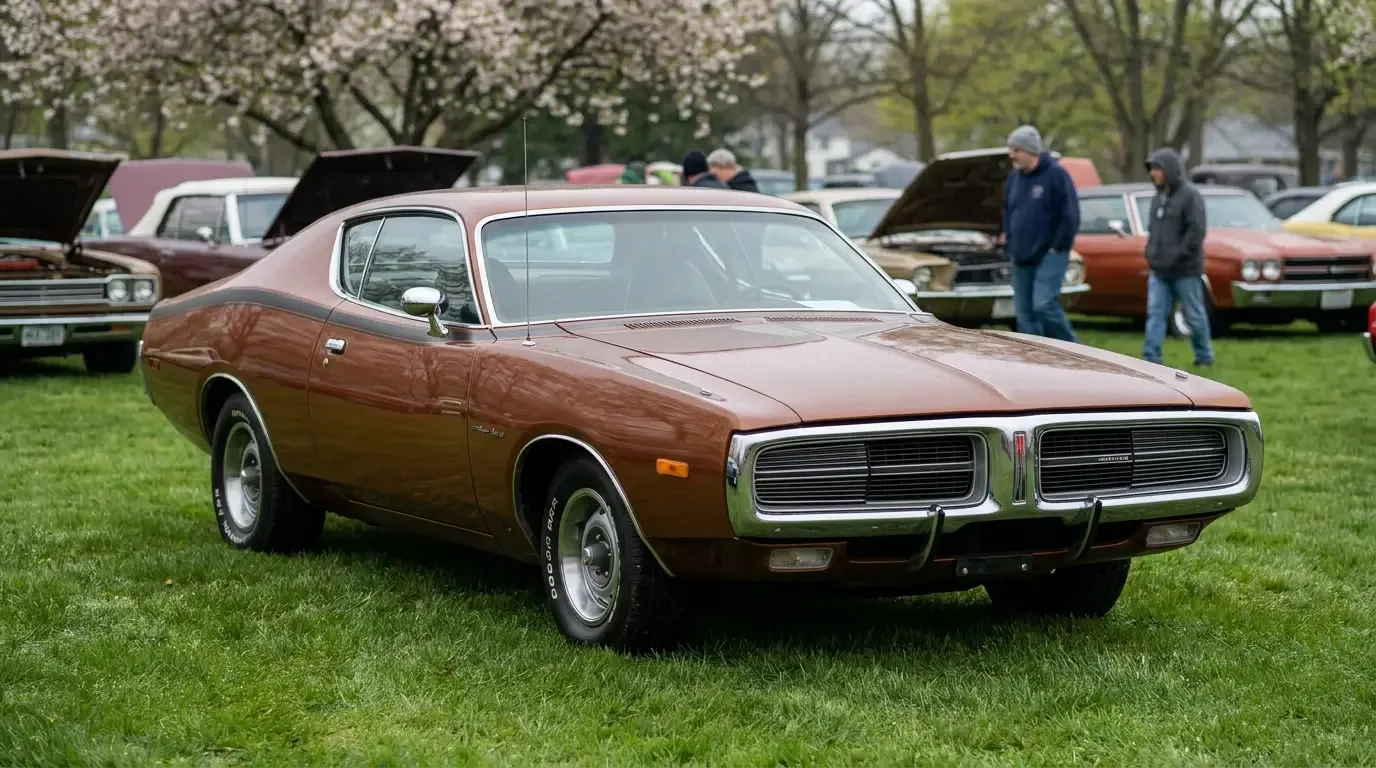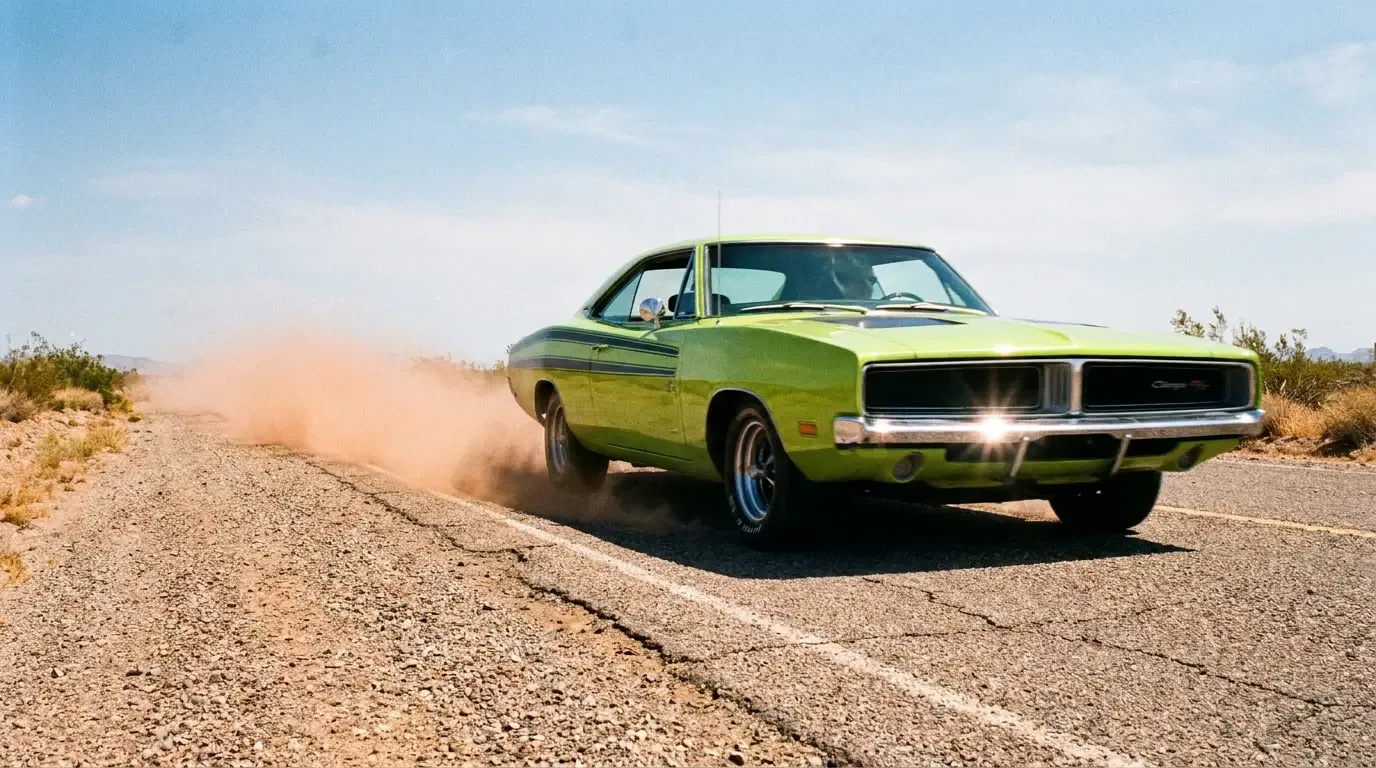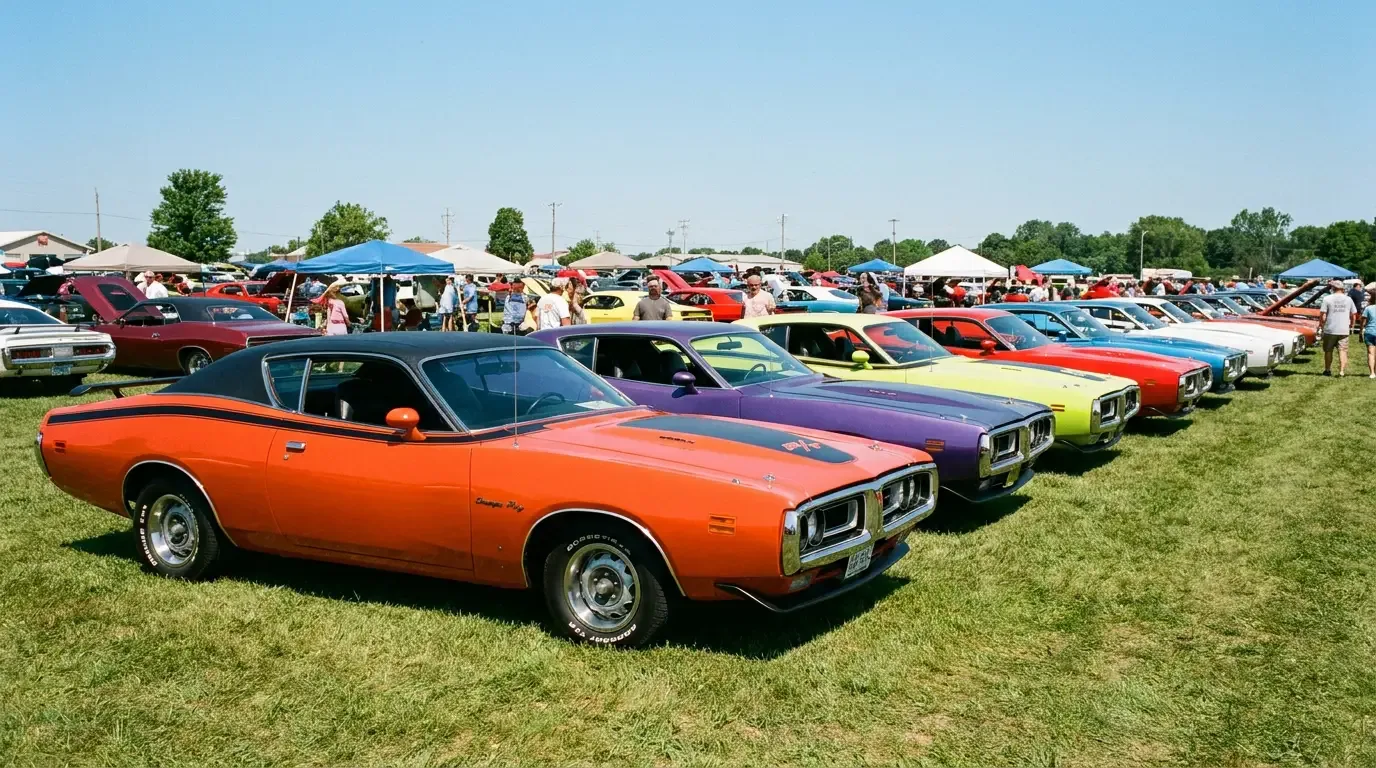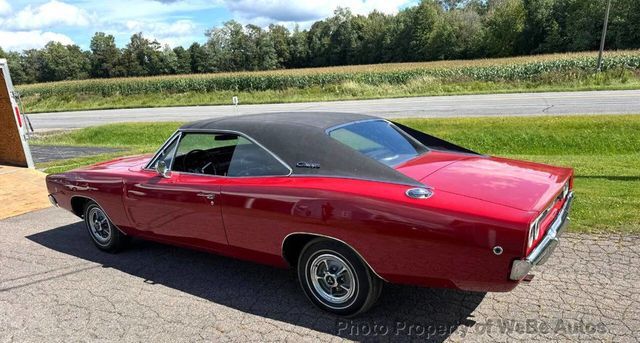
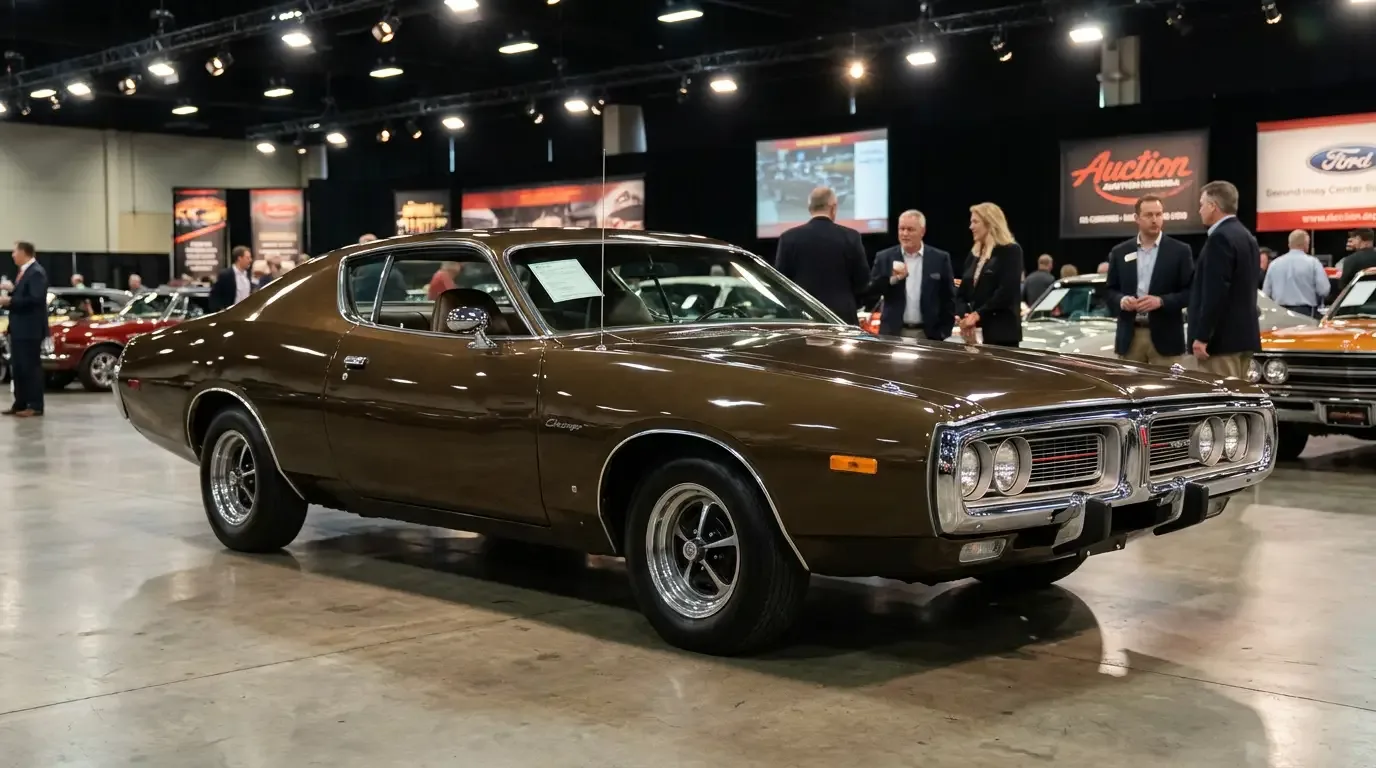
A #2 condition 1971 Charger R/T with a 440 sells for a fraction of what a comparable 1969 Charger R/T brings at the same auction, often on the same weekend, sometimes from the same consignor. The difference isn't build quality. It isn't rarity, not in every case. It's reputation, and reputation in this market moves slower than facts do.
The gap between price and substance
Every appraisal starts with the same four factors: condition, documentation, liquidity, and downside risk. Run a third generation Charger, the fuselage bodied cars built from 1971 through 1974, through that framework and the numbers don't support the discount these cars still trade at relative to the earlier coke bottle body cars. A well documented 1971 or 1972 car with a big block and factory records checks nearly every box a 1969 does. It just doesn't check the box marked "General Lee," and that box has been worth real money at auction for going on two decades.
You can read on about the styling and engineering that defined this generation, because the case for undervaluation starts with understanding what these cars actually were, not what the market has assumed about them.
Where the discount comes from
Three things have kept prices soft. First, the styling itself split opinion when new and still does. The fuselage look was a significant departure from the sharper 1968-1970 body, and some buyers who came up idolizing the earlier cars never warmed to the rounder shape. Second, the 1972 model year lost the 426 Hemi from the option sheet, and a chunk of collector attention chases that specific engine regardless of chassis generation. Third, production numbers on certain trims and engine combinations from 1971 to 1974 were higher than equivalent packages from 1968 to 1970, which feeds a perception of lower scarcity even where actual survivor counts tell a different story. For the real figures behind that perception, 1971 charger production data is worth reviewing before assuming these cars are common.
| Value factor | 1968-1970 Charger | 1971-1974 Charger |
|---|---|---|
| Cultural association | Strong (screen, TV) | Weaker, growing |
| Peak engine availability | 426 Hemi through 1971 | 440 Magnum only after 1971 |
| Documented survivors | Well tracked by clubs | Less consistently tracked |
| Current price trend | Flat to declining at top end | Gradual increase |
What condition and documentation change
A #2 car with a thin paper trail isn't a #2 car when the check clears. It's a #3 with a good story, and the appraisal has to say so regardless of which generation the car belongs to. This matters more for third generation cars right now because the market hasn't fully priced in the documentation premium yet. Buyers who do the legwork, pulling a fender tag, matching a broadcast sheet, confirming an engine code against the VIN, are buying at a discount relative to what an equally documented 1969 car costs, simply because the wider market hasn't caught up to what good paperwork should be worth on these years.
That gap won't last indefinitely. Markets correct once enough transaction data accumulates showing that a documented, numbers matching 1972 440 car performs at auction, and once major auction houses start featuring these cars in marquee lots rather than mid-day filler slots, prices tend to move quickly. I've watched this pattern play out with other underappreciated model years across multiple marques, and the third generation Charger has most of the ingredients already in place.
Liquidity and downside, honestly assessed
Liquidity on third generation cars is genuinely improving. Five years ago, a clean 1972 Charger sat on a dealer lot for months. Today, well presented examples move faster, particularly in desirable colors with a big block engine. That's a meaningful shift, because liquidity risk is often the hidden cost buyers underweight when they focus purely on purchase price. A car that's hard to sell later carries a real cost even if you never intend to sell it, since it affects insurance decisions, loan terms, and estate planning down the line.
Downside risk is where I'd caution buyers against overconfidence. These cars are undervalued relative to their substance, not guaranteed to appreciate on a fixed schedule. A soft economy, a shift in collector demographics, or a simple change in what's fashionable at auction can flatten any recovery in price. Buy a third generation Charger because you want the car and the numbers make sense today, not purely as a bet on a correction that hasn't fully arrived yet.
"I've told clients the same thing for years. Buy the paperwork as much as the car. A 1972 Charger with a clean build sheet and matching numbers is a better bet right now than a 1969 with a murky history, even though the 1969 still commands the higher price. The market will figure that out eventually. Better to be early than to pay the premium after everyone else notices."
— Marcus Feld
How I'd approach a purchase right now
Start with the documentation, not the color or the options list. A fender tag and broadcast sheet that agree with the VIN are worth more to long term value than an extra thousand dollars spent chasing a slightly rarer paint code. Next, weigh condition honestly against a real restoration budget rather than an optimistic one, since undervalued cars often carry deferred maintenance that a seller hasn't priced into the ask. Finally, treat liquidity as a real cost, not an afterthought. A car you can sell easily in five years is worth more to most buyers than a marginally rarer car that sits on the market for eighteen months when the time comes to move it.
Where this leaves a buyer today
For a buyer with patience and an eye for documentation, the case is straightforward. Third generation Chargers offer more car per dollar right now than their earlier siblings, provided the paperwork holds up under scrutiny. That's not a guarantee prices will double next year. It's an observation that the discount currently applied to these cars isn't well supported by the underlying facts of condition, rarity, or engineering. For anyone weighing a purchase, the complete Charger history is worth reading start to finish before deciding which model year fits a given budget and collecting goal, and browsing classic 1972 Chargers currently listed is a reasonable way to see where real asking prices sit today against everything laid out here.
Sources and notes
- Classic Industries: Mopar Production Numbers - confirmed 1968-1974 Charger output year by year, the basis for the scarcity comparison between generations.
- Dodge Charger (1966) - Wikipedia - confirmed the 426 Hemi ended after 1971 and the 440 became the top engine, plus generation body-style history.
- Indie Auto: 1971-74 Dodge Charger - background on how the fuselage restyle split buyer opinion, a factor in soft values.
- Automobile-Catalog: Charger 3rd-gen production - corroborated third-generation model-year production totals.
- 1971-1974 Dodge Charger registry: production numbers - club-level survivor and trim-breakdown discussion referenced for documentation premiums.