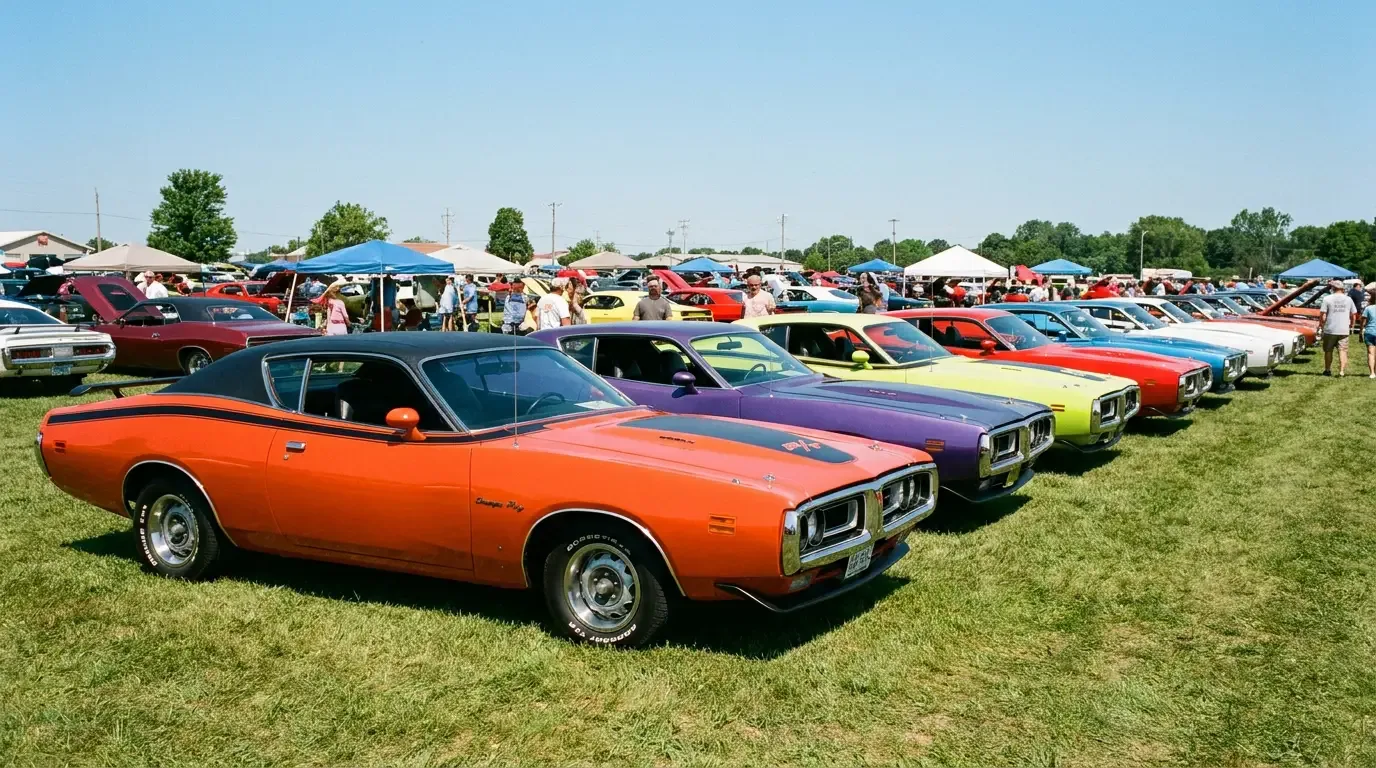
Every regional club meeting eventually gets to this argument. Somebody says their 1972 Charger is rare because "not many were built," and somebody else pulls out a phone with a different number on it, and the whole parking lot ends up debating production figures instead of looking at the cars in front of them. I've sat through that argument more times than I can count, and here's what the actual numbers say, as best as club researchers and Chrysler historians have been able to pin them down.
Total Charger output across 1971 to 1974
Chrysler built the fuselage bodied Charger in substantial numbers across this generation, roughly 328,000 cars total across the four model years combined. That total dwarfs some of the more romanticized earlier years when broken down by individual trim and engine combination, but total production alone doesn't tell you what actually survived, which is the number that matters more to anyone shopping today.
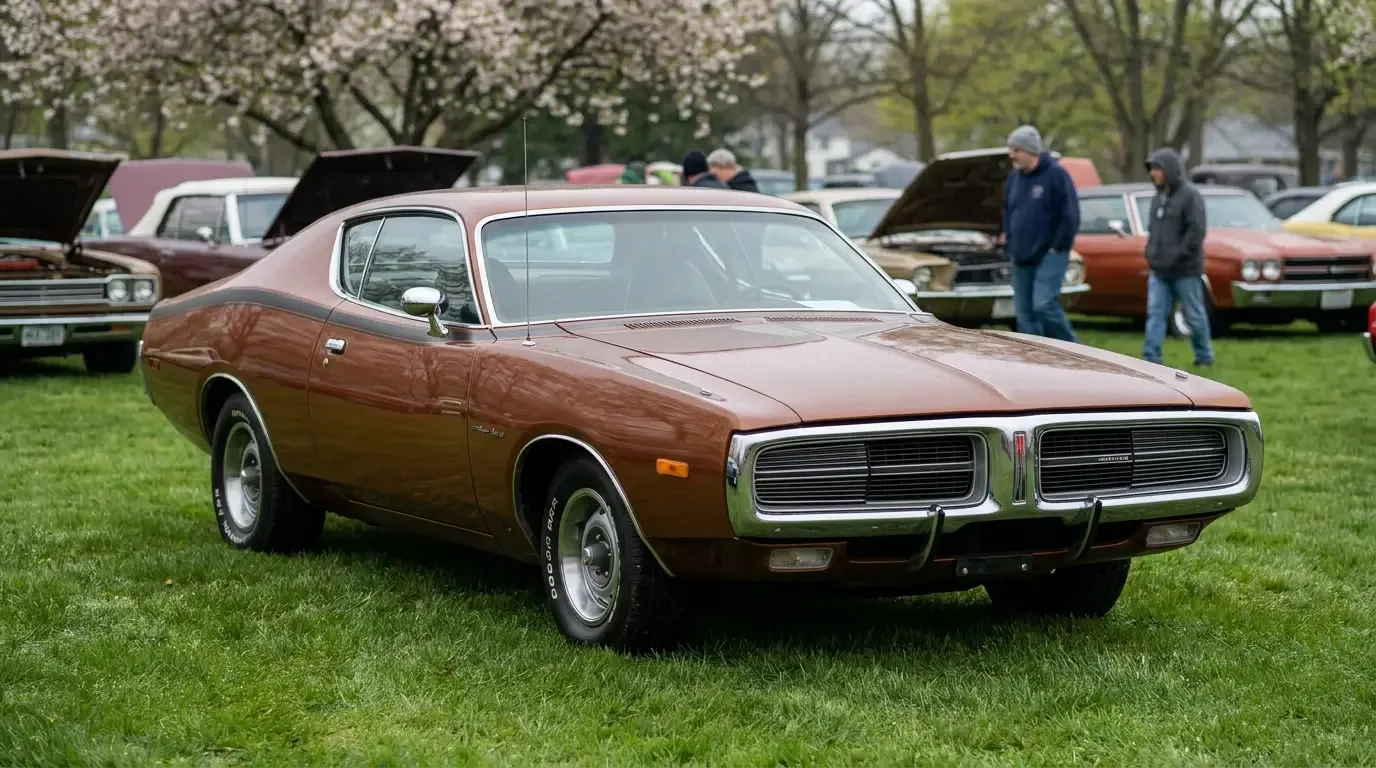
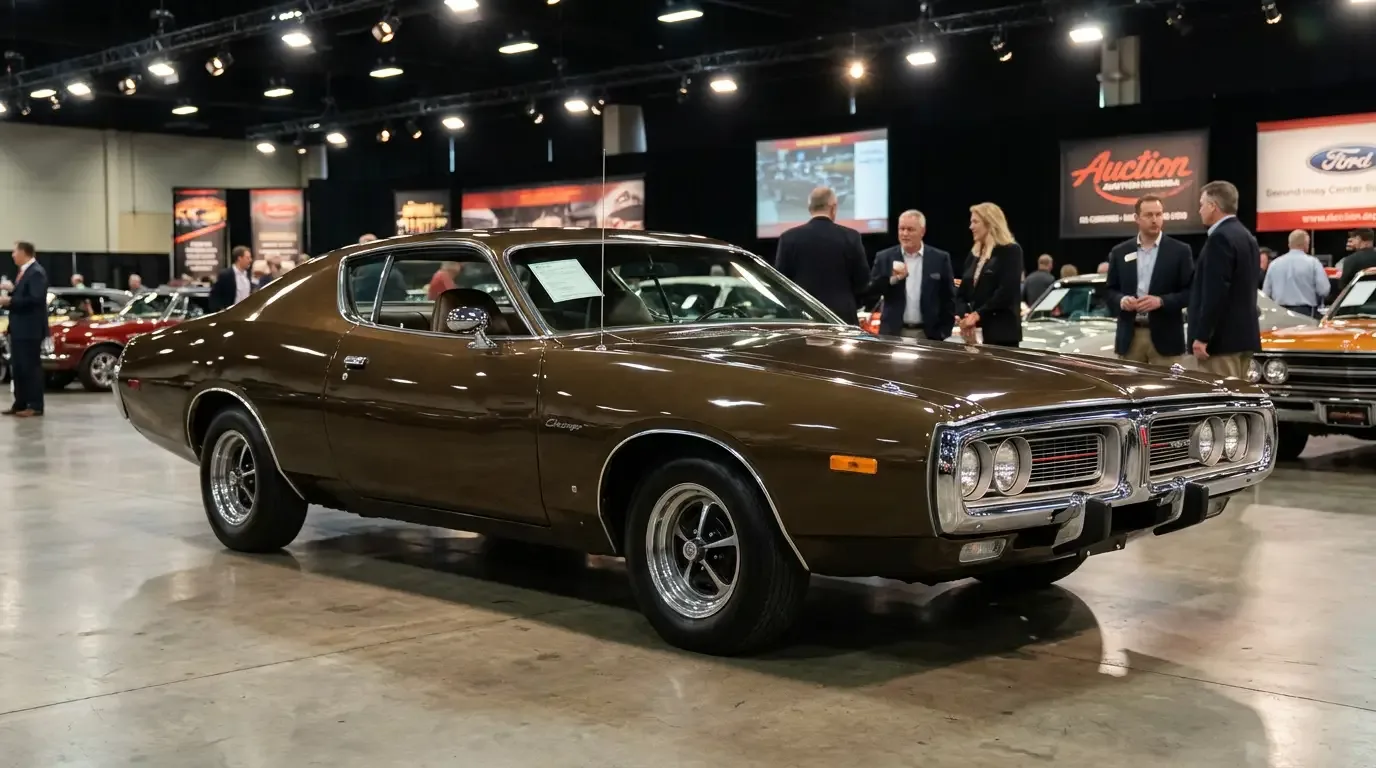
The year by year pattern surprises people who assume the launch year was the peak. Model year 1971 was actually the lowest of the generation at roughly 58,600 cars as the new fuselage body found its footing. Output then climbed to about 75,600 in 1972, and jumped again to around 119,300 in 1973, the high water mark for the whole generation, driven largely by strong personal luxury and SE sales. It fell back to roughly 74,400 in 1974, the final year of the two door B-body Charger before Dodge retired the body style. You can see the details on how the body and trim changed across these years, which helps explain some of the swings in what buyers were ordering.
| Model year | Approximate total Charger production | Notes |
|---|---|---|
| 1971 | ~58,600 (lowest of the generation) | New fuselage body launch |
| 1972 | ~75,600 | Hemi dropped, net HP ratings begin |
| 1973 | ~119,300 (highest of the generation) | Peak year, strong SE/luxury sales |
| 1974 | ~74,400 | Final year of this body style |
Why trim level breakdowns matter more than the total
The overall production figure hides more than it reveals. What club members actually care about is how many R/T versus SE versus base cars were built each year, and how many of those carried a big block engine versus a six cylinder. A base six cylinder Charger built in huge numbers tells you nothing about how many 440 SE cars with factory air and a console left the plant that same year. Those breakdowns exist in varying degrees of completeness depending on the year, since Chrysler's own record keeping wasn't always consistent, and a lot of what clubs know today comes from painstaking work cross referencing broadcast sheets, dealer invoices, and surviving registry data rather than a single clean factory document.
That's part of why club registries matter so much for this generation specifically. Individual members who've spent years tracking known surviving cars by VIN have built a better picture of real scarcity than the raw production totals ever could on their own.
Survivor counts versus original production
Original production numbers only tell half the story anyway. What matters more to a buyer today is how many of those original cars still exist in driveable, restorable, or original condition. Salt, neglect, and the simple fact that these were daily drivers for decades before anyone thought to preserve them took a real toll. A model year with a modest original production run but a poor survival rate can end up rarer today than a year with lower total output but better documented survivors, and club registries are usually the only place tracking that gap with any accuracy.
I've watched this play out at swap meets more times than I can count. A guy shows up convinced his car is common because the model year had decent total output, and then someone from the registry committee points out that the specific combination he's got, say a four speed car with factory air and the right rear gear, has fewer than a dozen confirmed survivors nationwide. Total production tells you what Chrysler built. It doesn't tell you what's still on the road, still in a barn, or still worth saving after fifty some years of weather, wrecks, and neglect.
That's also why club membership matters more than a lot of newer owners realize. The registry data doesn't exist anywhere else in usable form. It lives in the notebooks and spreadsheets of people who've spent years cross checking VINs against known production records, and that work only gets more valuable as more original cars disappear each year to rust, parting out, or simple attrition.
"Everybody at the club had a theory about which year was rarest until somebody actually pulled the broadcast sheets and started counting. Turned out the year everybody assumed was common had fewer documented big block survivors than the year everybody assumed was rare. Paperwork settles arguments a lot faster than opinions do."
— Wayne Coburn
What this means when you're shopping
If a seller tells you their car is rare because of the model year alone, ask a follow up question about the specific engine, transmission, and trim combination. That's where real rarity lives in this generation, not in the broad model year totals. A 1973 Charger isn't automatically common or rare, it depends entirely on what was ordered with it, and the surviving population of that exact combination.
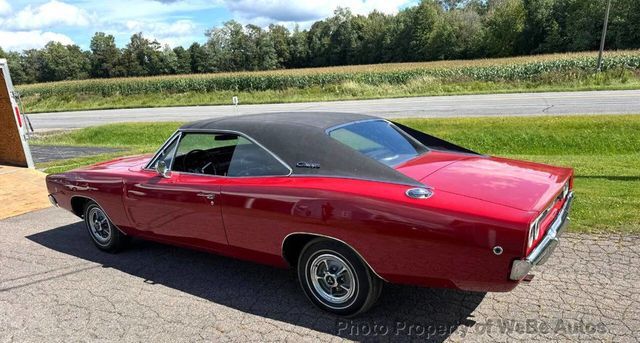
Roof and trim options are part of that same picture, since certain roof treatments were ordered far less often in some years than others, which affects how a given car should be valued against its siblings. That's covered in more depth in the Charger feature on Classic Cars Arena, which walks through the vinyl roof and canopy top choices Dodge offered across this same production span.
Where club research goes from here
The honest answer is that nobody has a perfect, fully reconciled production database for this generation, and anyone who claims otherwise is overstating what actually survives in Chrysler's own records. What exists is a patchwork built by dedicated club members over decades, cross checking broadcast sheets against surviving cars, correcting old assumptions as better documentation surfaces. It's slow work, and it's the reason serious buyers lean on club registries rather than casual online claims when a rarity argument actually matters to a purchase decision.
Sources and notes
- Classic Industries: Mopar Production Numbers - source for the model-year totals: 1971 ~58,560, 1972 ~75,594, 1973 ~119,318, 1974 ~74,376.
- Automobile-Catalog: Charger 3rd-gen production - corroborated the year-by-year totals and generation total near 328,000.
- 1971-1974 Dodge Charger registry: production numbers - club-level breakdowns by trim and engine behind the scarcity discussion.
- 1971-1974 Charger registry: 1973 production - confirmed 1973 as the generation's peak production year.
- Dodge Charger (1966) - Wikipedia - confirmed 1974 as the final year of the two-door B-body Charger.