
Every hobby has that one term everybody uses and half the people never really got explained to them. In the old car world, "brass era" is that term. Guys nod along at a show when somebody says "that's a nice brass era piece," and plenty of them are just going along with it. So let us actually pin the thing down.
Car Features
6 min read
What Was the Brass Era? Years & Meaning
Everybody says brass era at car shows, but few can explain what it means. Here is the real timeline, and why the name has nothing to do with engines.
What the brass era actually covers
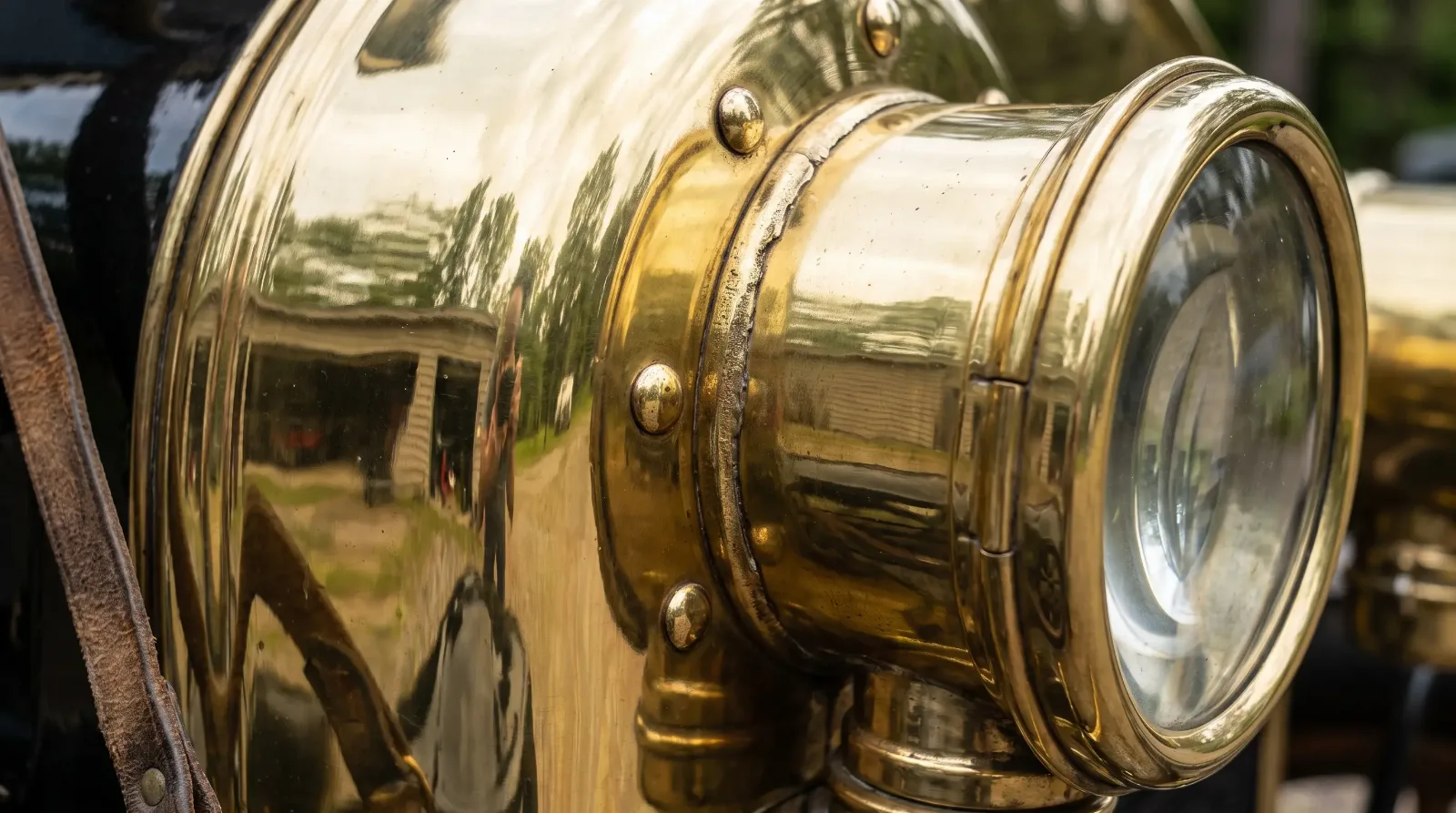
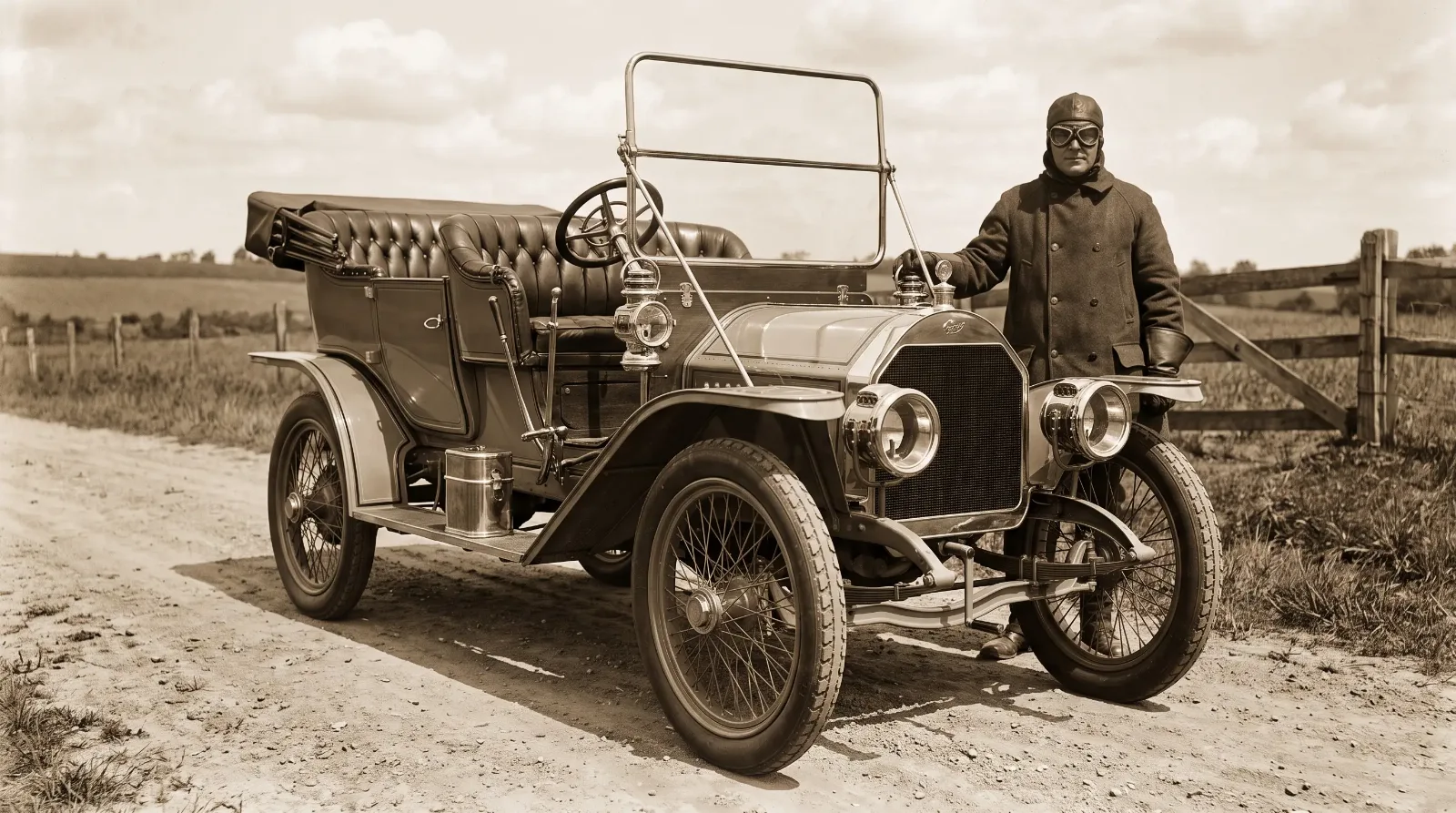
The brass era runs from roughly 1896 to about 1915, give or take a couple years depending who you ask. That is the window when cars wore exposed brass hardware, polished bright, before the industry switched over to painted radiator shells and nickel or chrome trim. Headlamps, horns, radiator shells, even the little detail work on the dashboard, a lot of it was brass because that is what metalworking shops of the day knew how to cast and finish well.
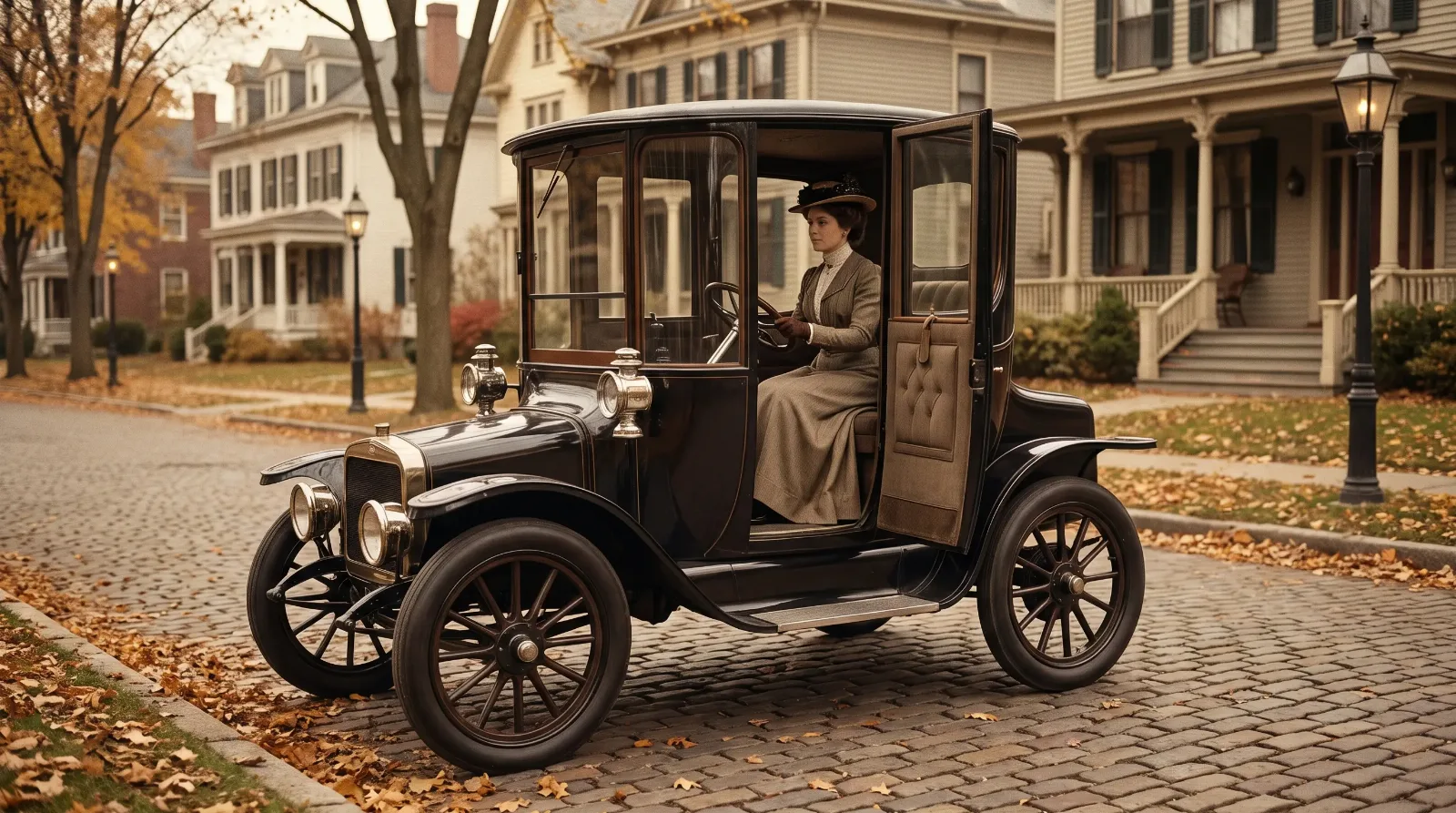
Here is the thing that trips people up. The name is about the trim, not about the engine or the technology underneath. A brass era car could run on gasoline, steam, or electricity, and all three were on the road at the same time during this window, genuinely competing for buyers. So when somebody calls a car "brass era," they are telling you when it was built, not how it moves.
Why brass, and why it stopped
Brass was the practical choice early on because it cast well, it did not rust the way plain steel does, and a shop that already knew how to work brass for lamps and fittings in other industries could turn out car parts without reinventing their whole process. It also looked sharp when polished, which mattered to buyers who were paying serious money for what was still a rich man's machine in most of this period.
The switch away from brass happened for a couple reasons stacked together. Nickel plating got cheaper and held up better without constant polishing, which was a real selling point once cars started reaching buyers who did not employ a full-time driver to keep the brass shined. And painted radiator shells, which started showing up more once Cadillac and others pushed the look, gave designers more freedom than a fixed brass casting did. By the time you hit the years around the First World War, the brass look was basically gone from new cars.
For the full rundown of everything that fits under this label, from the three power sources to what daily driving one was actually like, more on what is the brass era covers the whole story in one place.
What ended it
Two things closed out the brass era at roughly the same time, and they are worth knowing separately because people mix them up. The trim change, brass to nickel to eventually chrome, was mostly a styling and cost decision. The bigger technical shift was the electric self-starter, which showed up on the 1912 Cadillac and spread across the industry over the next few years, ending the hand-crank-or-nothing era for gasoline cars.
Once you put those two changes together, roughly 1915 is a fair line in the sand. Cars built after that point generally do not get called brass era anymore, even if a few stragglers kept some brass details a little longer here and there. History is not always a clean cutoff, but this one is cleaner than most.
"Every regular at a car show has had this conversation at least once. Somebody points at an old touring car and says brass era like it explains the whole thing, and half the time they mean pre-war generally. I always tell folks, if it has got exposed polished brass on the outside and it was built before about 1915, that is the real thing. Anything after that, you are probably talking pre-war more broadly, not brass era specifically."
Gary Nowak
Why it still matters to collectors
Knowing the actual window matters if you are shopping or just trying to talk shop without getting corrected. A genuine brass era survivor is a different animal from a 1920s or 1930s pre-war classic, both in what it takes to keep running and in what it is worth. These cars are simpler mechanically in some ways, tiller steering, exposed engines, hand-built everything, but they are also further from anything a modern mechanic has training on, so parts and expertise get scarcer the older the car gets.
The London to Brighton Veteran Car Run, which only allows cars built before the end of 1904, is a good reference point for just how narrow the true earliest slice of this era actually is. Most of what gets called brass era at American shows falls later in that 1896 to 1915 window, and that is fine, but it is worth knowing where your particular car sits inside it.
The short version
Brass era means roughly 1896 to 1915, named for the exposed brass trim, spanning gasoline, steam, and electric power all competing for the same buyers, and ending once nickel trim and the electric starter reshaped what a car looked like and how it started. That is the whole definition in one sentence, and now you have got it straight.
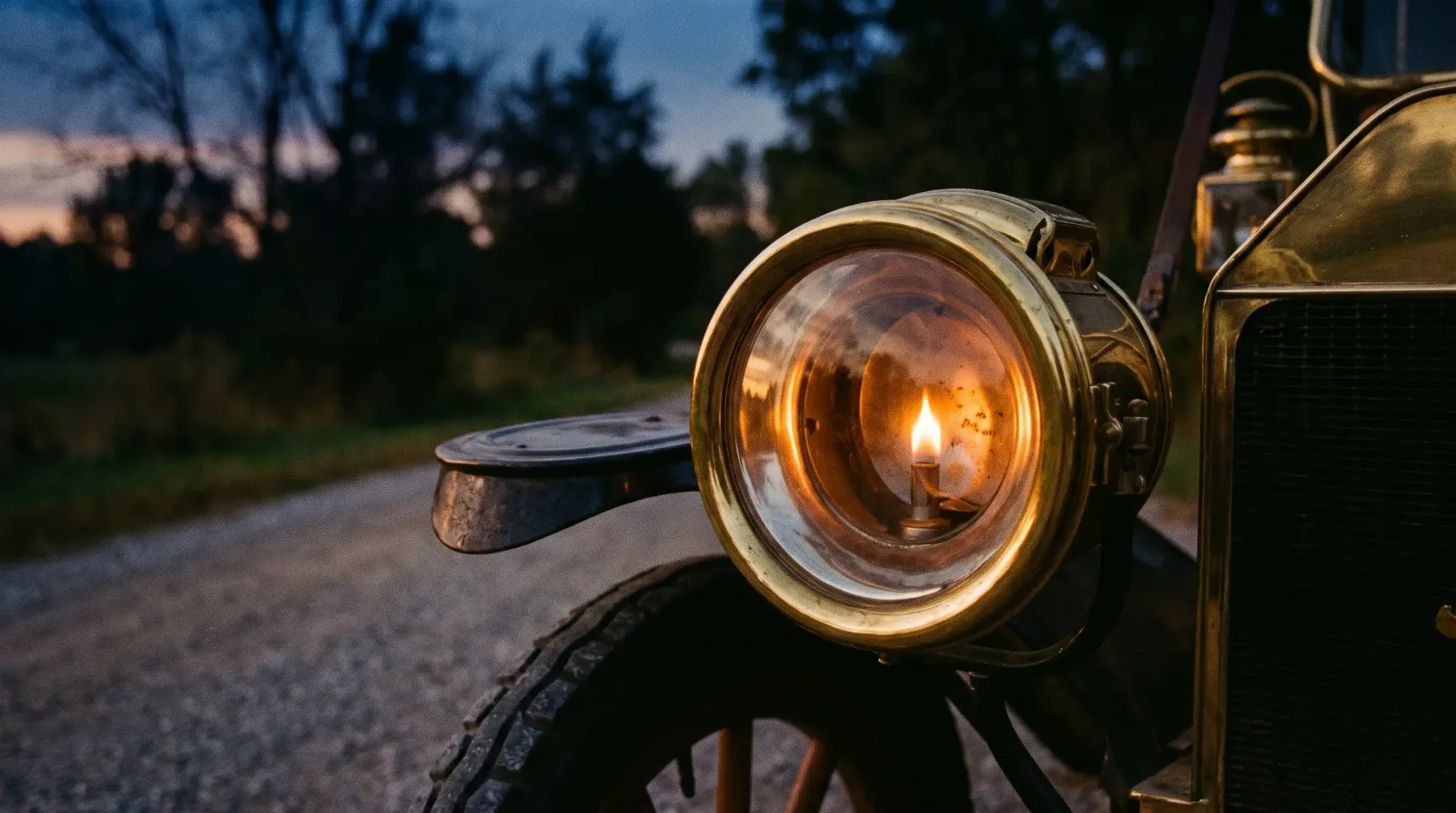
Once you have the trim sorted out, the lighting on these cars is its own story worth knowing, since acetylene lamps were standard gear before electric headlights took over. The next installment covers exactly how those brass headlamps worked and why they mattered so much to a driver after dark.
And if you want to see where all this leads once the brass gives way to the styling of the 1920s and 1930s, the pre-war classics story picks up the thread from here.
Sources and notes
Related Reading
Have a
Classic Car
for Sale?
Reach thousands of serious classic car collectors across the US.
Sell It Here →
Are You a Classic Car Dealer?
List your full inventory and connect with targeted classic car buyers.
Join as a Dealer →

About the author
Gary Nowak
Lifelong Midwest rodder who has been building and driving traditional pre-war hot rods since the 1970s.




Comments
Be the first to comment on this article.