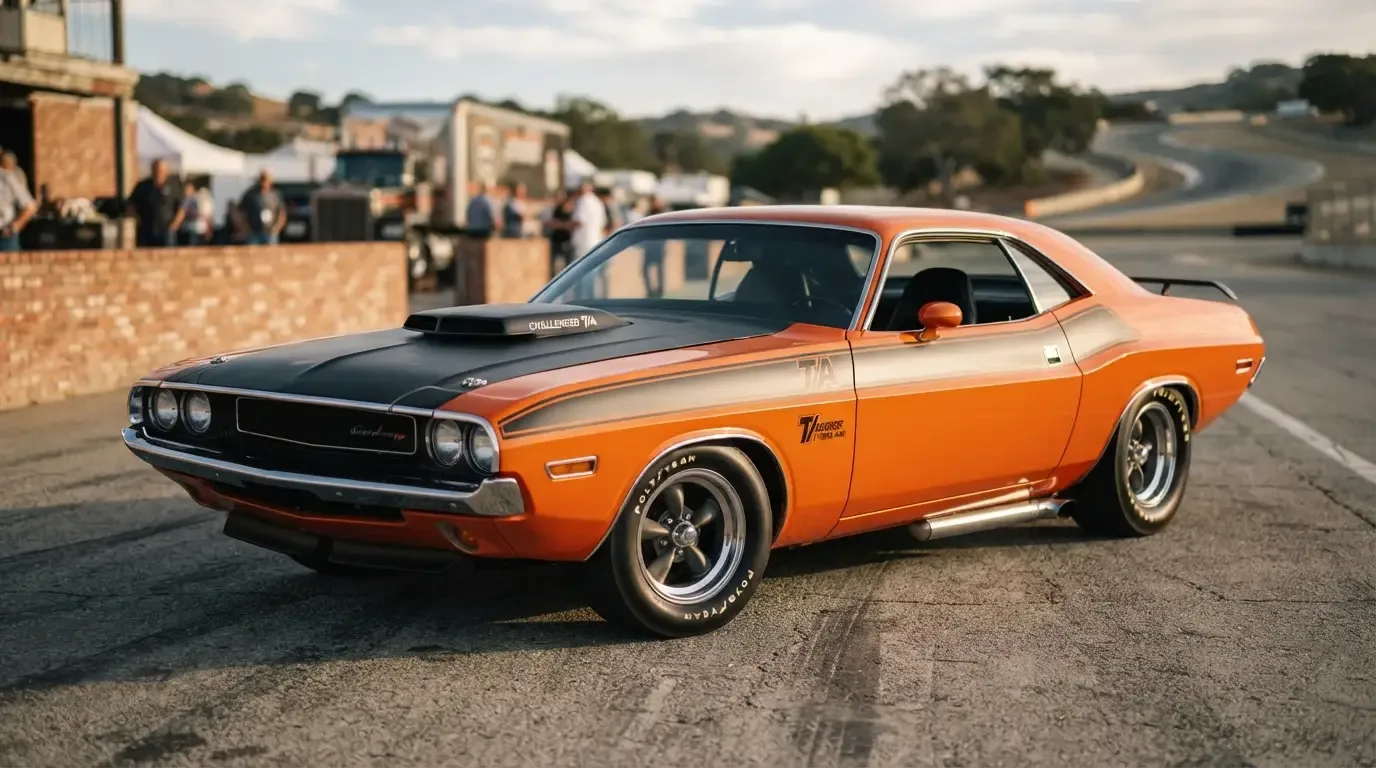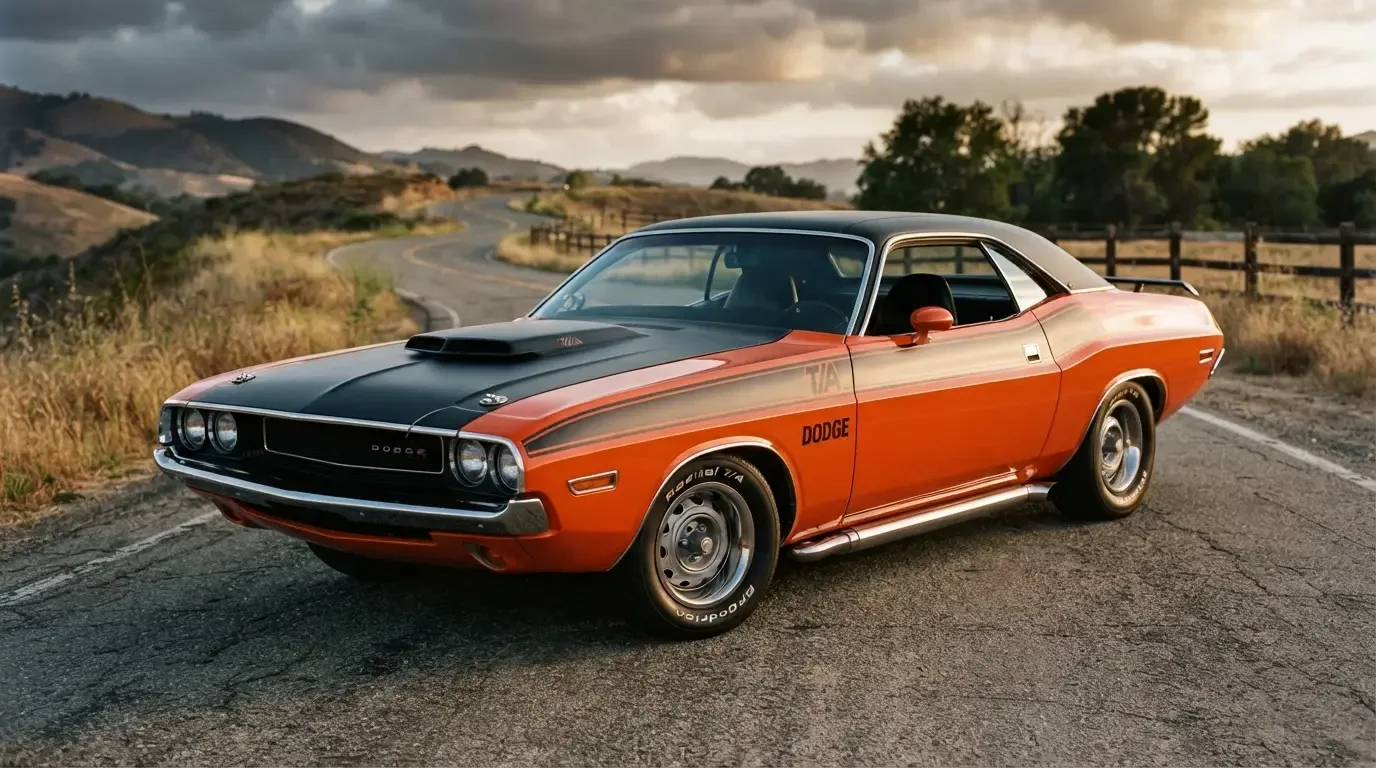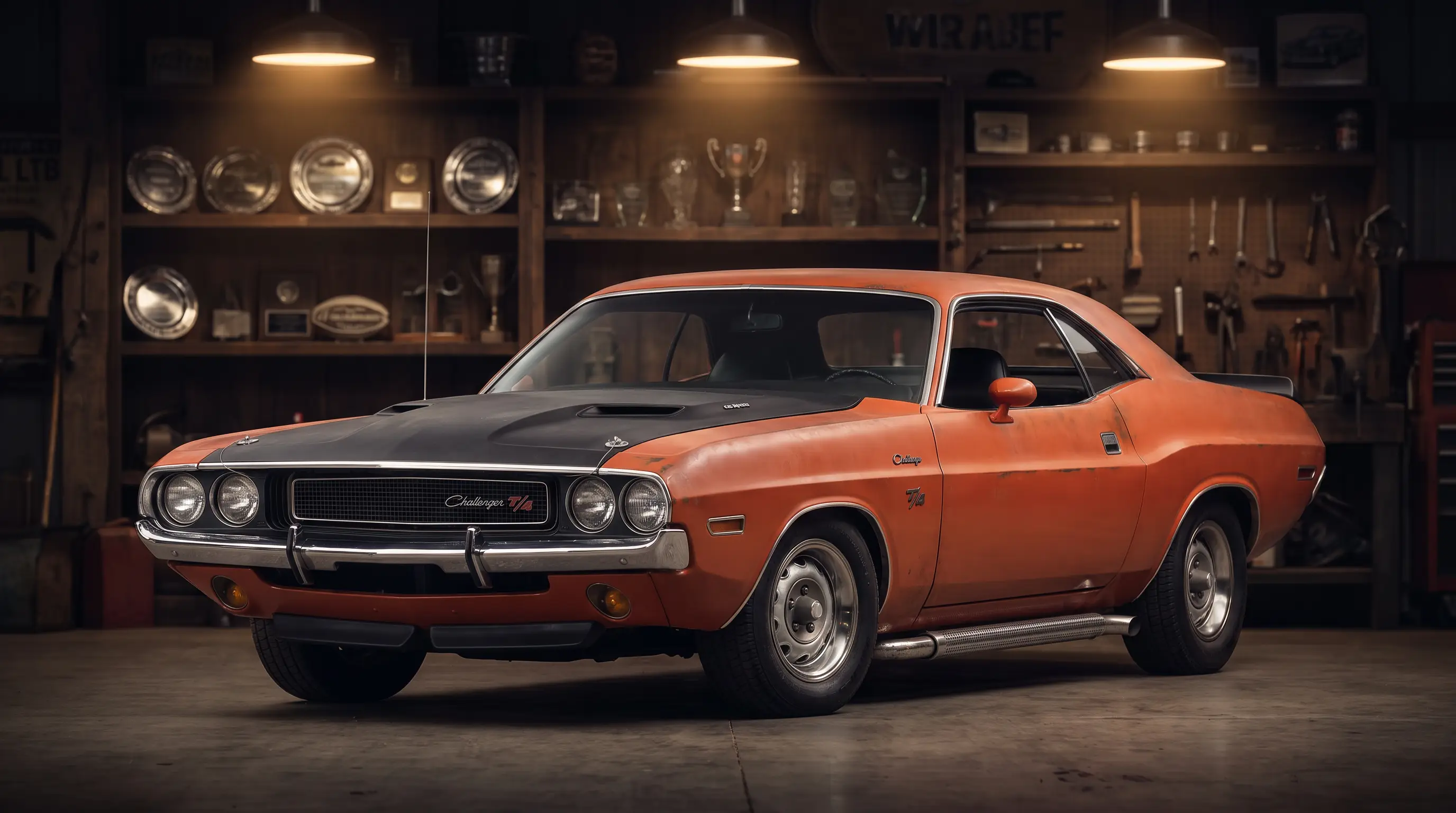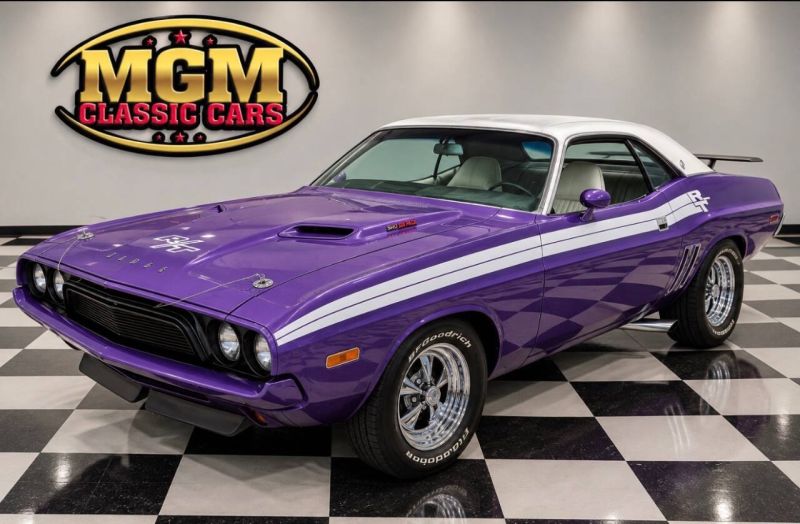
People confuse rarity with low production numbers constantly, and it costs them money on both sides of a deal. The Challenger T/A was not a tiny production run in the way a handful of Hemi convertibles were. What makes challenger ta rarity a real and defensible market factor is survivorship, originality, and documentation, stacked on top of a genuinely short one year production window. Understanding that stack is the difference between overpaying for a common car dressed up as special and correctly recognizing a car that actually deserves the premium.
One model year, and nothing else
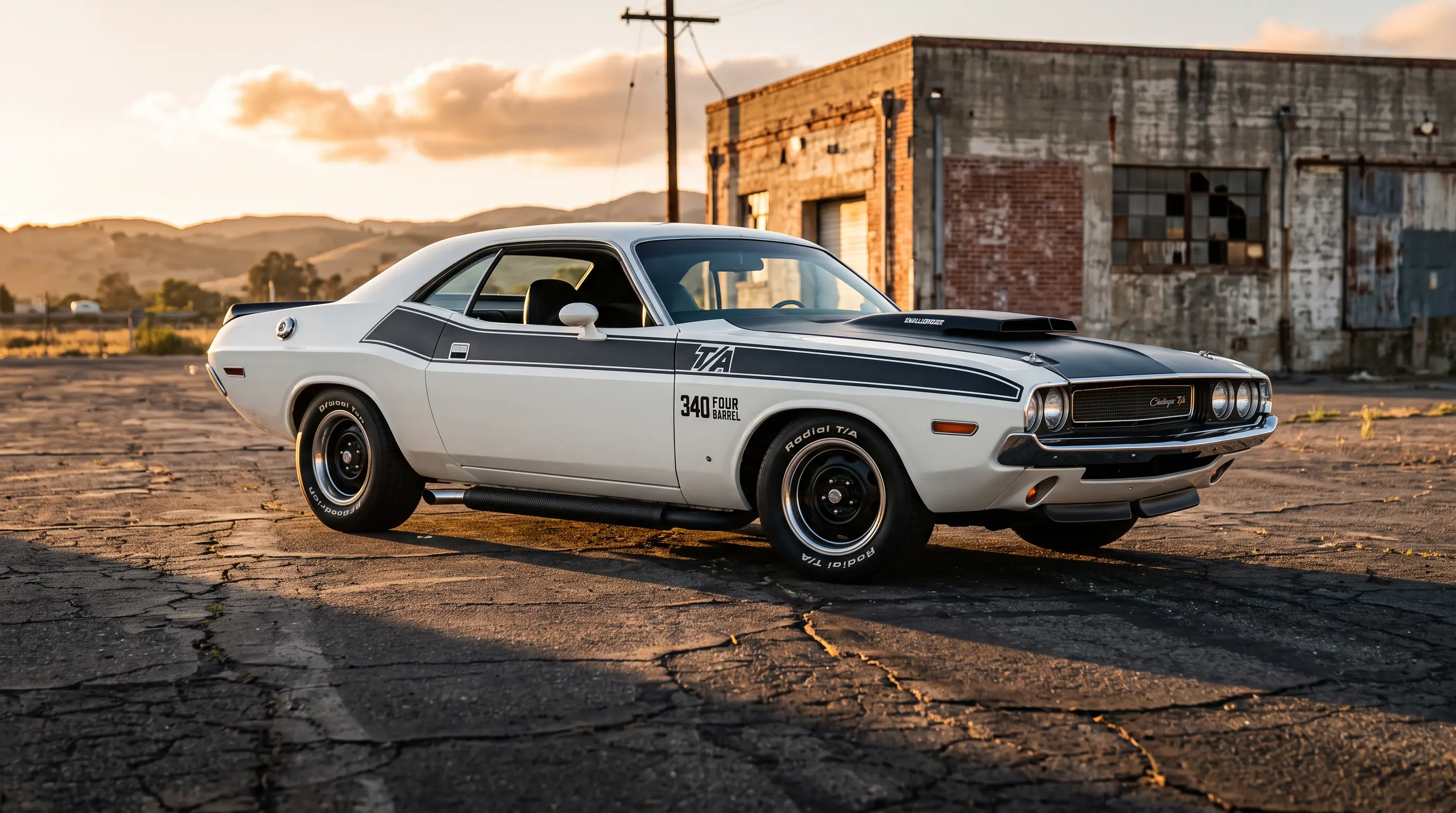
Dodge built the T/A for 1970 only, as a homologation special required to legalize the Challenger for SCCA Trans Am competition. When the factory racing effort ended, the T/A badge went with it. That single fact sets a hard ceiling on total production that will never grow, which is a meaningfully different kind of scarcity than a car built across several years where survivor counts can still be debated. Anyone wanting the background on why the car existed in the first place should start with where this started, since the racing mandate explains the production cutoff directly.
That said, a one year production run is not automatically a rare car in the collector sense. Plenty of one year specials from this era survive in reasonable numbers precisely because they were desirable enough to be preserved rather than driven into the ground. The T/A's actual rarity today is a function of what has been lost since 1970, not just what left the factory.
What actually got lost
Muscle cars from this era suffered a rough middle age. Insurance costs climbed through the 1970s, fuel prices spiked, and a lot of these cars were driven hard, wrecked, or simply parted out once they stopped being fashionable and started being expensive to insure as a daily driver. The T/A's Six Pack induction system, in particular, was expensive and finicky to maintain, and a meaningful number of surviving cars had that system swapped for simpler, cheaper induction at some point in their history. A car that no longer wears its original induction setup is a different rarity proposition entirely than one that does, even if both left the factory identically equipped.
| Rarity Factor | Why It Matters |
|---|---|
| Single model year production | Hard ceiling, cannot increase |
| Original Six Pack induction intact | Frequently swapped out over decades |
| Four speed manual | Fewer built than automatic equivalents |
| Documented matching numbers | Separates verified survivors from clones |
| Unmolested fiberglass hood | Prone to damage, hard to source correctly |
💡 Did You Know?
Because the T/A shared a great deal of sheet metal and trim with other 1970 Challenger models, a meaningful number of clones and tribute cars have been built over the decades using standard Challengers, which is exactly why documentation matters as much as the physical car itself.
The clone problem, addressed directly
I do not enjoy being the appraiser who tells a proud owner their car is not what they think it is, but it happens more with this model than most. Because the T/A shared its basic body with other 1970 Challenger trims, building a convincing tribute car has always been mechanically straightforward for someone with the right parts and patience. That accessibility is a real problem for anyone assessing challenger ta rarity from a photo or a casual walkaround. The fender tag, the broadcast sheet if it exists, and the casting numbers on the block are what separate a real T/A from a well built copy, and none of those things are visible from across a parking lot.
This is not a reason for pessimism. It is a reason for diligence. A properly documented, verified T/A is not devalued by the existence of clones, it is actually made more valuable, since buyers who understand the market will pay a real premium for the certainty that a clone simply cannot offer no matter how good the fabrication work is.
"Scarcity without proof is just a story. The market pays for scarcity it can verify, and that gap is where most of the real value sits."
- Marcus Feld
How rarity gets misjudged at the curb
I have watched buyers walk away from genuinely rare, well documented cars because the seller could not tell a compelling story on the spot, and I have watched other buyers get talked into overpaying for a common car because the seller had a confident pitch and a clean looking fender tag that turned out, on closer inspection, to have been reproduced rather than original. Rarity as a concept sells itself poorly in a five minute conversation at a car show. It requires the kind of patient documentation review that most casual buyers are not prepared to do on the spot, which is exactly why so many purchase decisions in this segment go wrong.
The pattern I see most often is a buyer anchoring on a single detail, a stripe combination or an engine badge, and treating that one visual cue as proof of the whole rarity claim. A correct stripe combination is easy to reproduce. A correct fender tag is harder but not impossible to fake convincingly. The things that are genuinely difficult to fabricate, casting numbers cross referenced against factory records and a broadcast sheet that matches the car's actual build sequence, are also the things most buyers never bother to check before writing a check of their own.
What this means for a buyer today
If rarity is the reason you are drawn to this car, treat it as a research project before it becomes a purchase. Pull whatever documentation the seller has and have it checked against known reference points rather than taking a listing description at face value. A genuinely rare, well documented T/A is out there and worth chasing, but the market has enough well disguised tribute cars circulating that casual shopping is a real risk. Buyers ready to look seriously can shop classic Challenger listings with these verification steps already in mind, which puts them well ahead of the buyer who falls for a good looking car with a thin paper trail.
A few practical checks are worth naming directly. Cross reference the fender tag color and trim codes against a published decode chart rather than trusting a seller's own translation of it. Ask specifically whether a broadcast sheet exists, and if the seller says it does, ask to see a photograph of the actual document rather than a verbal description of what it supposedly says. Compare casting numbers on the block and heads against known correct references for the claimed production date, since this is one of the harder details to fake convincingly and one of the easier ones for a buyer to check independently with a flashlight and a reference guide. None of these checks take more than an afternoon, and every one of them has saved a client from a bad purchase at some point in my career.
The honest takeaway is that challenger ta rarity is not a single fixed number anyone can quote you. It is a moving target shaped by decades of attrition, restoration decisions, and an active market for tribute builds, and the collectors who do best in this space are the ones who treat every claim of rarity as something to be proven, not assumed.