
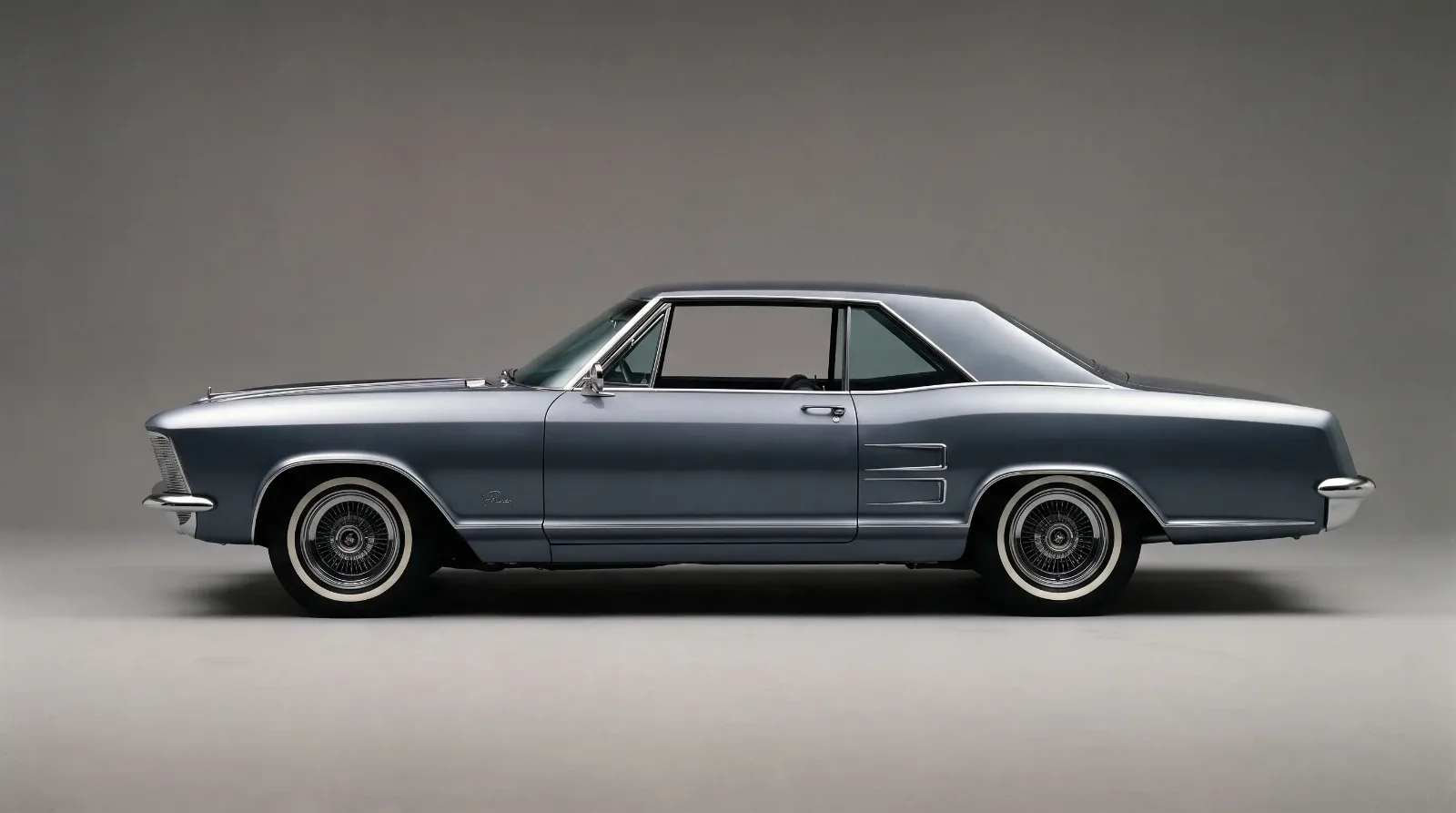
Walk any classic car show and your eye lands on the corners first. Not the grille, not the hood ornament, the corners. A fat whitewall wrapped around a proper wire wheel does something to a car that no amount of chrome up front can fix if the wheels are wrong. I have built enough customs to know that the stance and the rolling stock set the whole tone, and on a luxury car the rules were stricter than most people remember. Whitewalls and wire wheels were not accessories. They were the signature, the thing that told you the car cost real money before you ever read the badge.
Car Features
6 min read
Whitewalls and Wire Wheels: The Styling Signatures of Luxury Cars
How whitewall tires and wire wheels became the styling signatures of classic luxury cars, and how to tell real wires from wheel-cover fakes.
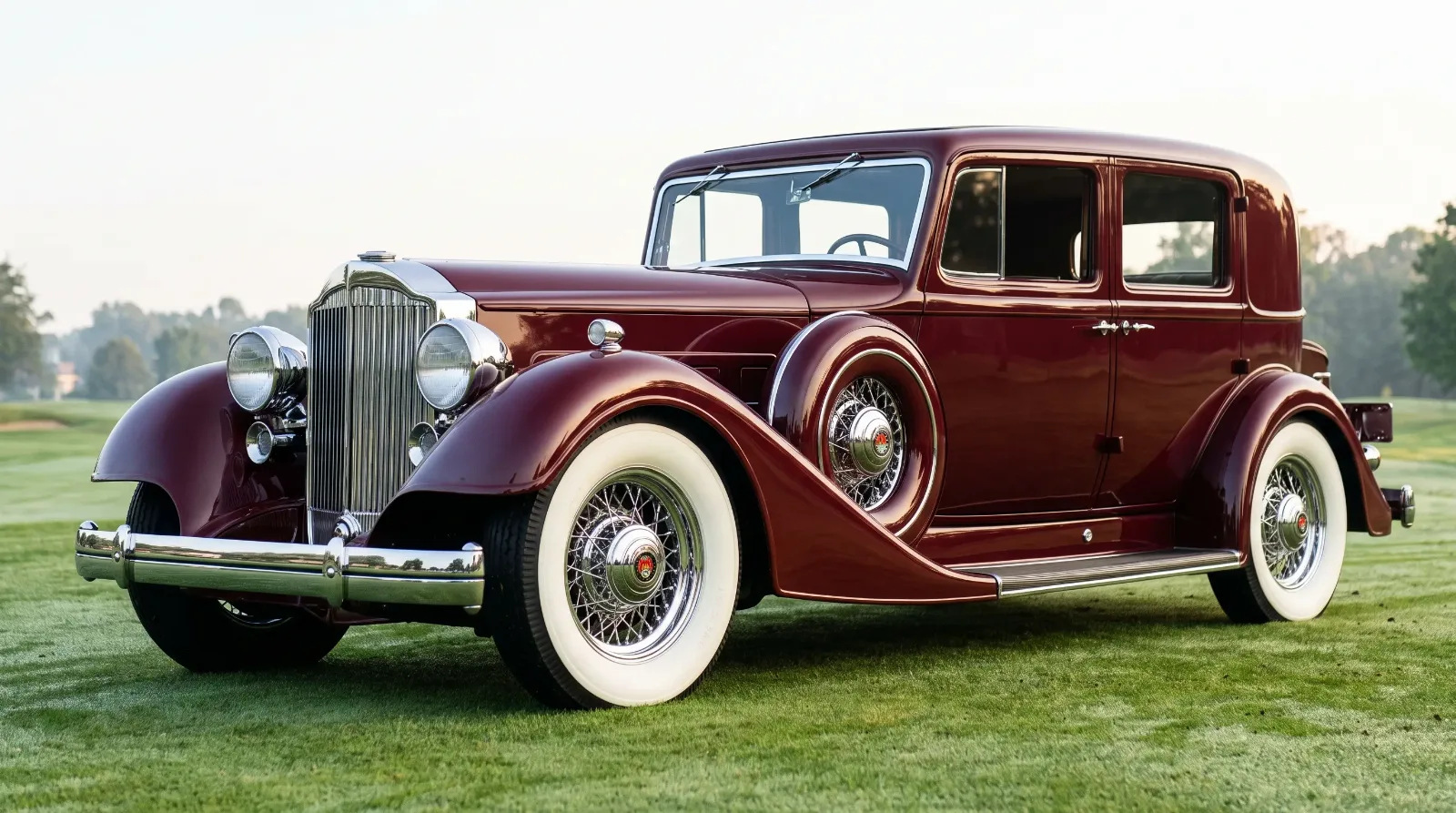
The interesting part is how much both of these came from function before they turned into pure style. Neither one started as a fashion statement. They earned their looks the hard way, and then the stylists took over.
Where the whitewall actually came from
People think the white sidewall was a decorator's idea. It was not. Early tire rubber was naturally a pale gray, close to off-white, because the compound used zinc oxide. When tire makers started adding carbon black in the 1910s for strength and wear resistance, that additive went into the tread where the abuse happened. The sidewalls on some tires stayed light. So you ended up with a black tread and a white wall almost by accident, and buyers decided they liked the contrast. By the 1920s the whitewall was a deliberate choice you paid extra for.
Through the 1930s and into the postwar years the walls got wide. Really wide, three inches and more of bright white against a dark fender, the kind of proportion that reads as pure prewar elegance now. On a Packard or a big Cadillac that broad band balanced the tall, heavy bodywork. Then the cars got lower through the late 1950s, and the wide whitewall started to look old-fashioned against the leaner sheet metal. The band narrowed. By the mid 1960s you were looking at a thin white pinstripe, sometimes just a quarter inch, and by the 1970s the wide whitewall was a nostalgia item. If you want to date a luxury car from across a parking lot, the width of the whitewall gets you close before you read anything else. That evolution is part of the full design story that ran through every luxury make of the era, and you can read about it in the full design story.
Wire wheels and why they meant money
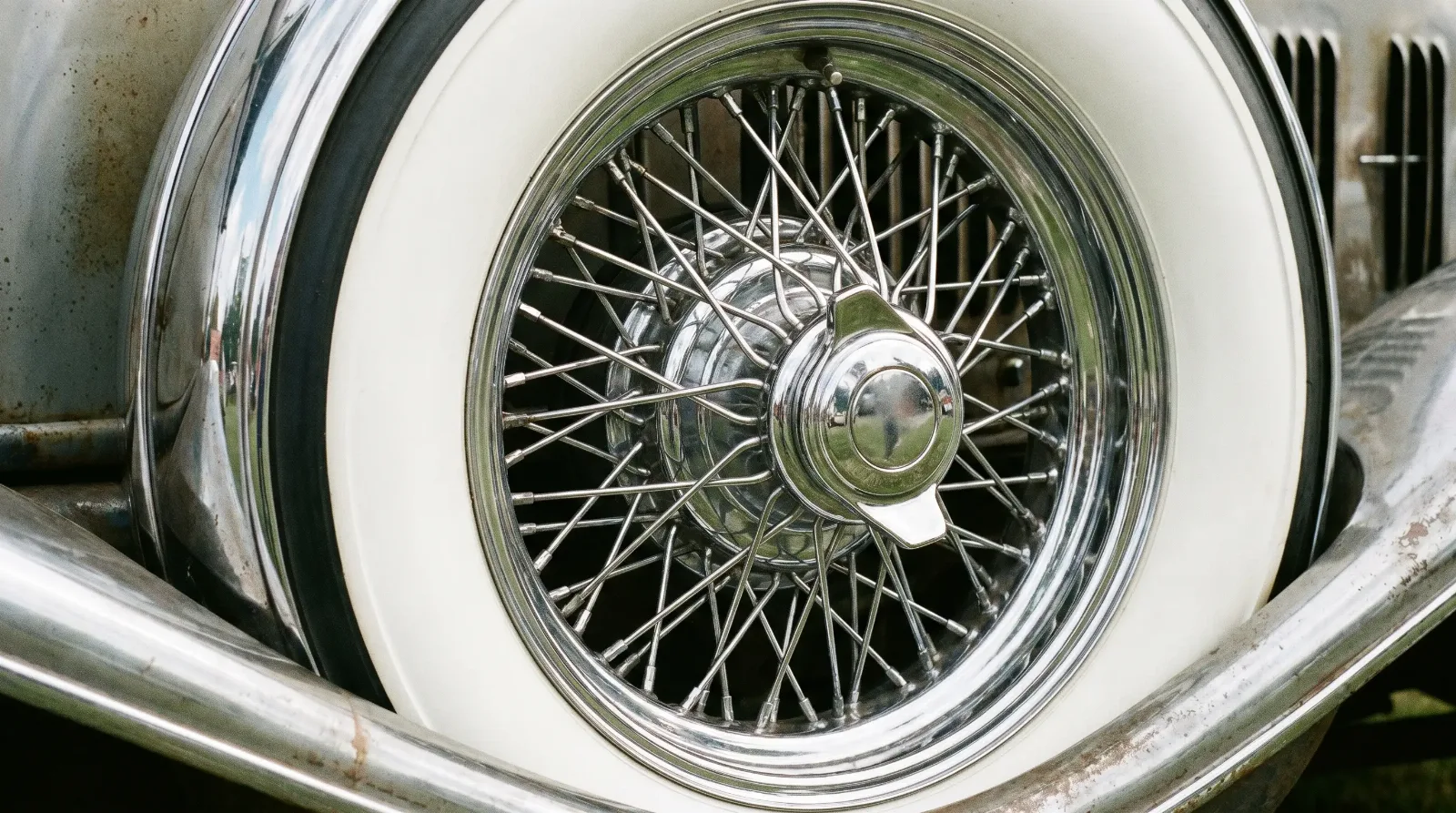
The wire wheel came off the racing and carriage world. Spokes under tension make a wheel that is light and strong for its weight, and in the early days that mattered for performance. Companies like Dayton and Kelsey-Hayes in the States built them, and in Europe Borrani wires ended up under the fastest exotics. But building a wire wheel takes labor. Every spoke gets laced and trued by hand, and a wheel that is out of true shows up fast at speed. That labor cost is exactly why the wire wheel read as expensive. You were paying for hours of skilled work at each corner.
On American luxury cars the wire wheel became an option that separated the well-optioned car from the base one. A Buick or a Chrysler with real chrome wires sat differently, both in stance and in price. The catch is that the industry knew a good look sells, so they gave you a shortcut. The wire wheel cover, a stamped and chromed disc that imitated the spokes over a plain steel wheel, showed up so buyers could get the appearance without the cost of true wires. From ten feet you could barely tell. Up close, and to anyone who knew, the difference was obvious. This is the same tension you see all over midcentury luxury cars, where the look of coachbuilt quality got faked in stamped metal for the mass market. I have strong feelings about the fakes, and so does anybody who has actually laced a wheel.
"A real wire wheel earns its shine. You feel it when you true one up, every spoke pulling its share. The stamped cover was a costume, and there is nothing wrong with a good costume, but do not tell me it is the same car."
Jim Vasquez
How to tell the real thing from the costume
If you are shopping a classic luxury car and the wheels matter to you, and they should because correct wheels are getting hard to find, learn to read them. This trips up more buyers than it should.
None of this is meant to scare you off. It is meant to keep you from paying wire-wheel money for wheel covers. The market rewards correctness, and a luxury car sitting on the right rolling stock, wide whites and true chrome wires done properly, holds attention and value in a way a mismatched set never will. If you are hunting for the genuine article, there are plenty of classic luxury cars for sale where the wheels alone tell you how seriously the previous owner took the car.
Why the signature still reads today
Design language is a set of shortcuts your eye learns without being taught. Whitewalls and wire wheels are two of the oldest shortcuts in the book. They say slow down, this car was built to be looked at, somebody spent money here. That is why customizers still reach for them and why a restoration that gets the wheels wrong feels off even to people who cannot say why. The corners set the tone. Get them right and the rest of the car has permission to be as elaborate as it wants. Get them wrong and no grille or ornament saves you.
If you want to see how these details fit into the bigger picture of postwar styling, the next stop is next: The Personal Luxury Coupe Silhouette, Explained, where the whole shape of the luxury coupe comes together, wheels and all.
Related Reading
Have a
Classic Car
for Sale?
Reach thousands of serious classic car collectors across the US.
Sell It Here →
Are You a Classic Car Dealer?
List your full inventory and connect with targeted classic car buyers.
Join as a Dealer →

About the author
Jim Vasquez
Southern California hot rod and custom car builder with roots in the traditional kustom kulture scene.
Comments
Be the first to comment on this article.