A lot of cars from the muscle era were fast. A lot of them looked good in a driveway. Very few of them became the kind of shape you can silhouette on a t-shirt and have strangers recognize it from across a parking lot. The classic Dodge Charger managed that, and it's worth asking why, because the answer isn't just "it was in a popular TV show." That's part of it, but the groundwork was laid years before any of that happened, in decisions Dodge made about styling and marketing that had nothing to do with entertainment at all.
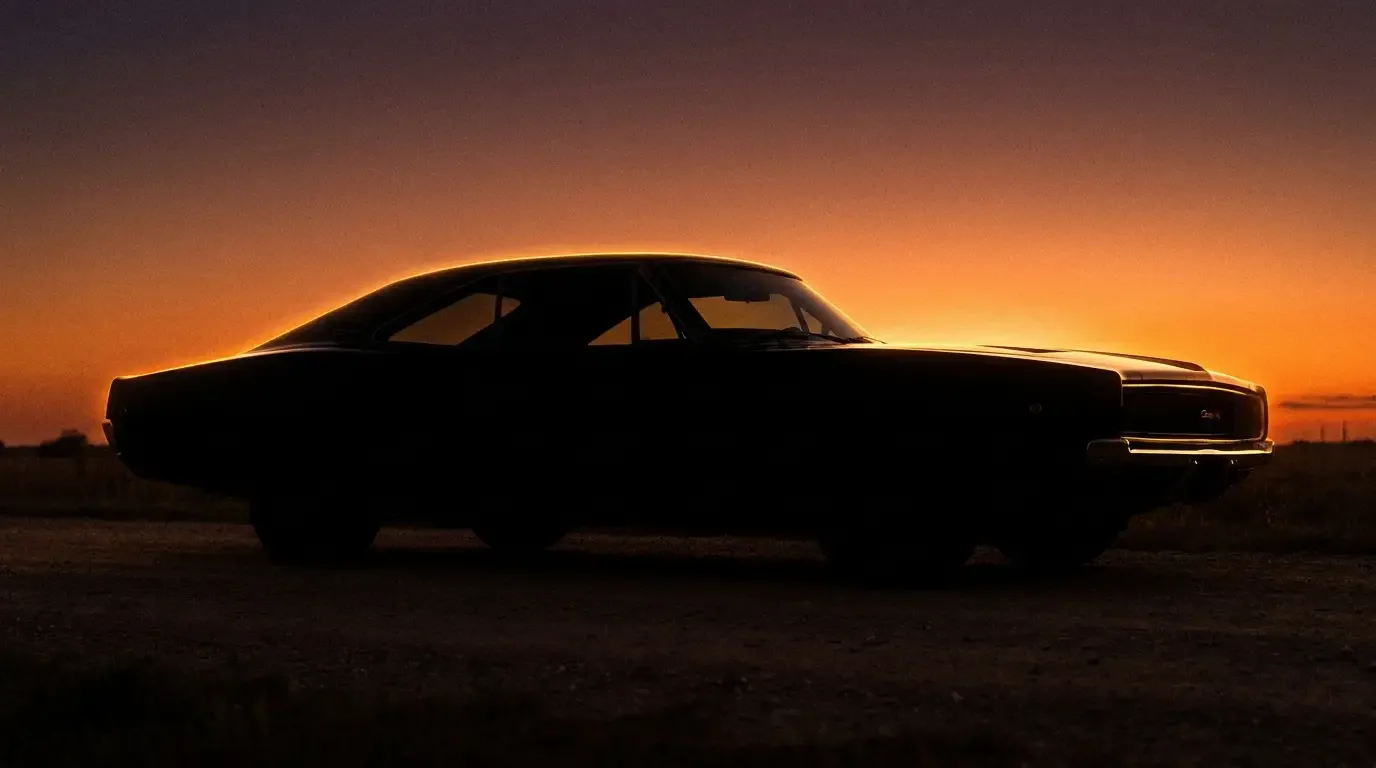
A silhouette built to be recognized, not just admired
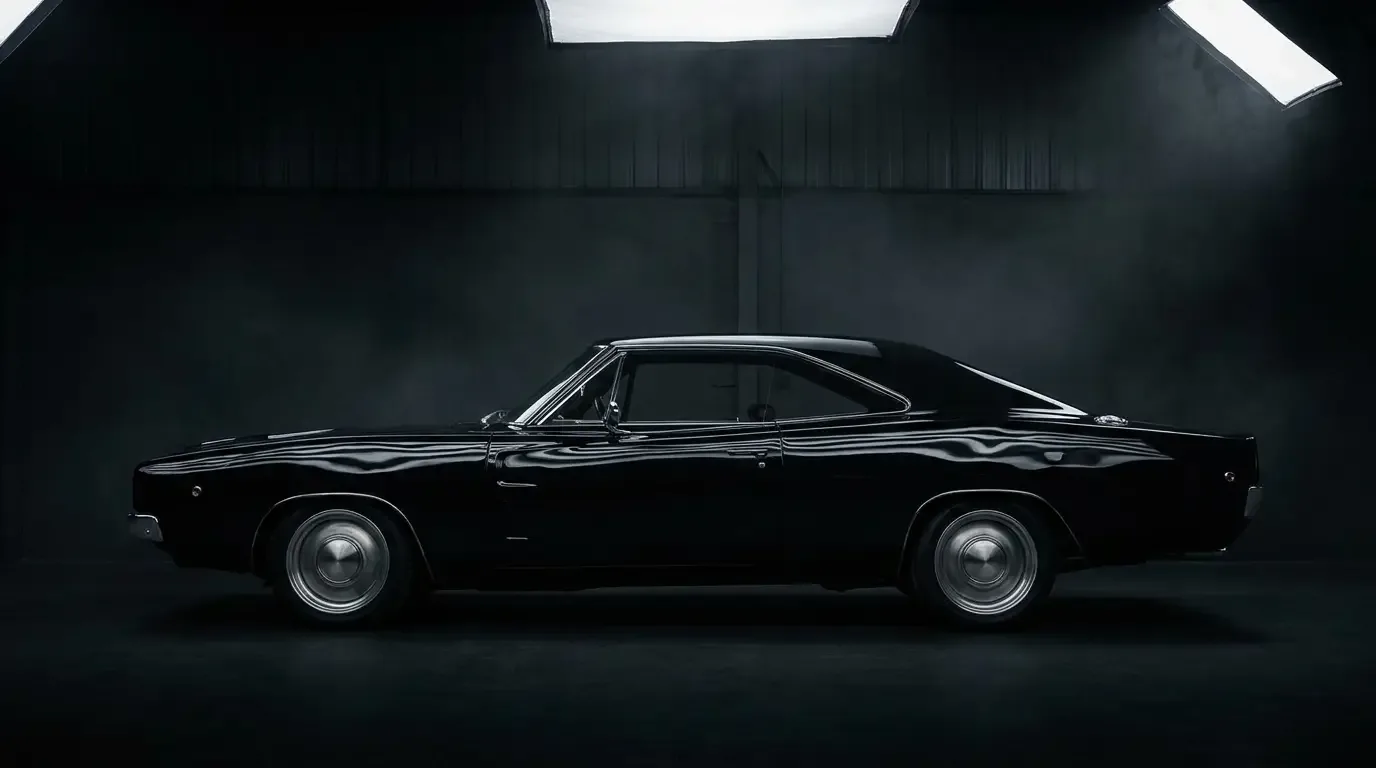
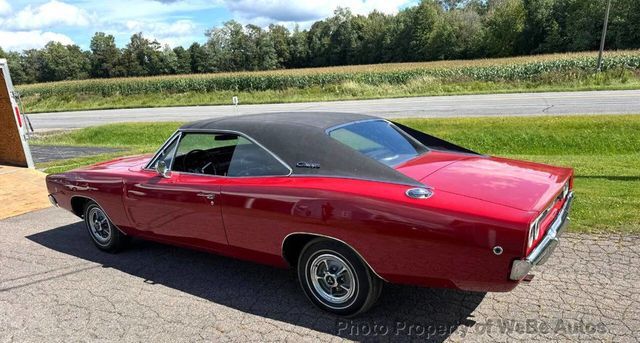
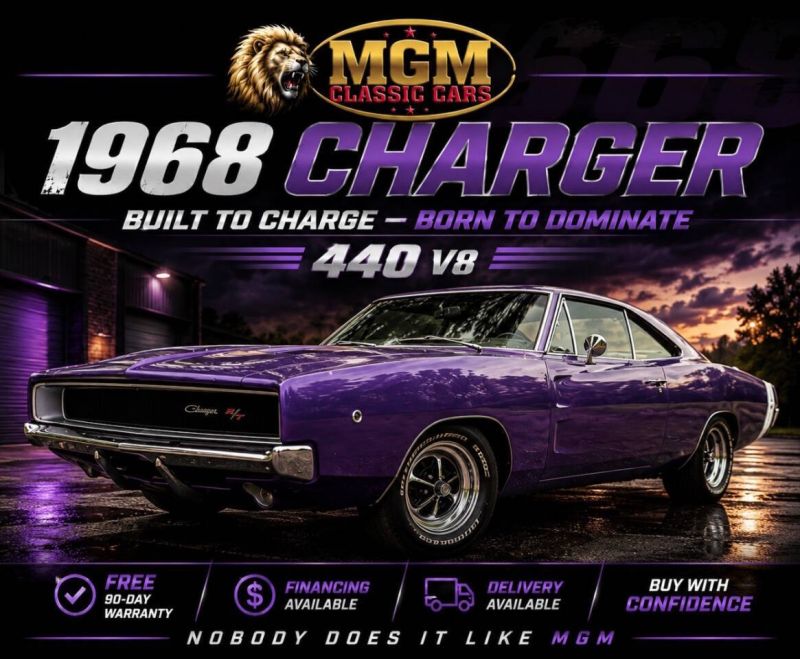
The Charger's design language, especially from the 1968 redesign onward, favored bold, simplified shapes over the fussier ornamentation some competitors carried into the era. The hidden headlights, the recessed grille, the full-width taillight treatment on certain years, these weren't just styling flourishes. They created a car that reads clearly even at a distance, in low light, or in a single freeze-frame, which happens to be exactly the conditions under which film and television capture a vehicle. A car designed to be dramatic in a driveway photo doesn't automatically translate to being dramatic on a movie screen at twenty-four frames a second. The Charger's shapes did that translation almost effortlessly, and that's a design accident, or a design gift, that a lot of equally quick contemporaries simply didn't have.
Cinematographers and directors gravitated toward the car for exactly this reason. A silhouette that reads instantly is valuable in a medium where you often only get a few seconds to establish what a viewer is looking at before the scene moves on.
The chase scene that started the reputation
Long before a bright orange second-generation Charger became a television fixture, a black 1968 model built its reputation in feature film car chase work that's still cited today as a benchmark for how to shoot a car chase. That single film role did more to establish the Charger as a "movie car" in the industry's own eyes than any factory advertising campaign managed, and it opened the door for the car to be cast repeatedly in the years that followed. more on the Charger in pop culture covers that specific chapter in detail, but the short version is that Hollywood noticed the car could do more than look good parked. It could carry an entire sequence of action on camera without needing much help.
Television did what film couldn't: repetition
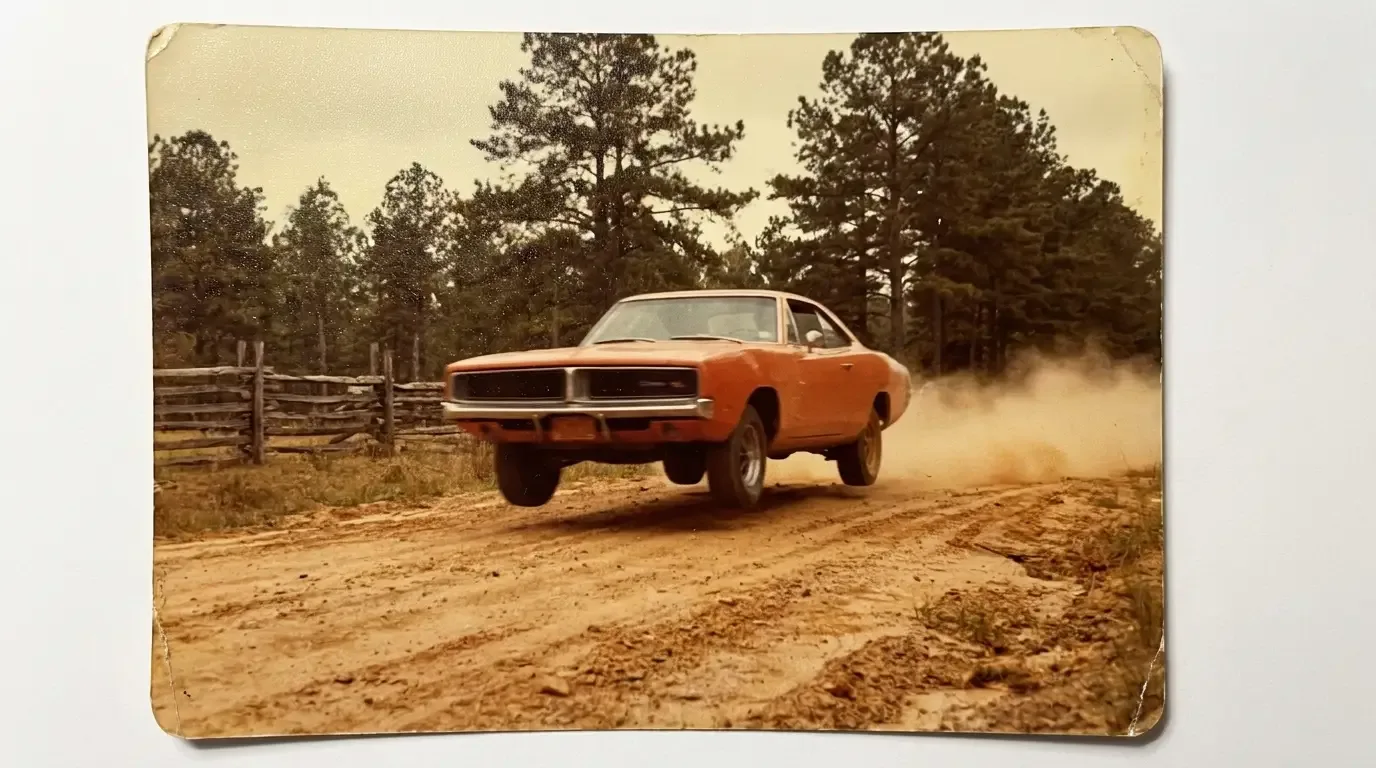
Film gives a car one big moment, maybe a handful across a career if it's cast repeatedly. Television, especially a weekly series running for years, gives a car dozens upon dozens of repeated exposures to the same audience, week after week, season after season. That repetition is what actually built the Charger's icon status into something closer to permanent cultural furniture rather than a memorable but ultimately singular film cameo. Audiences who watched a Charger clear a jump every Friday night for years developed a familiarity with the car that a single movie role, however good, simply can't produce on its own.
"A friend of mine who never cared about cars growing up could still describe a Charger's grille from memory, purely from a television show he watched as a kid decades ago. That's not marketing. That's just repetition doing what repetition does. Show people the same striking shape often enough and it moves into permanent memory whether they meant for it to or not."
— Patrick Walsh
Paint, badges, and the visual language of villainy and heroism
Part of what made the Charger so adaptable across so many roles, hero car in one production, villain's ride in another, is how neutrally its design could be read depending purely on paint and context. A matte black Charger reads as menacing. The same body in bright orange with a horn playing "Dixie" reads as folksy and heroic. That flexibility let the car be cast across a genuinely wide range of roles without ever feeling miscast, which is unusual. read more here for how specific paint choices shaped audience perception of the same underlying car across different productions.
Why the icon status has held up
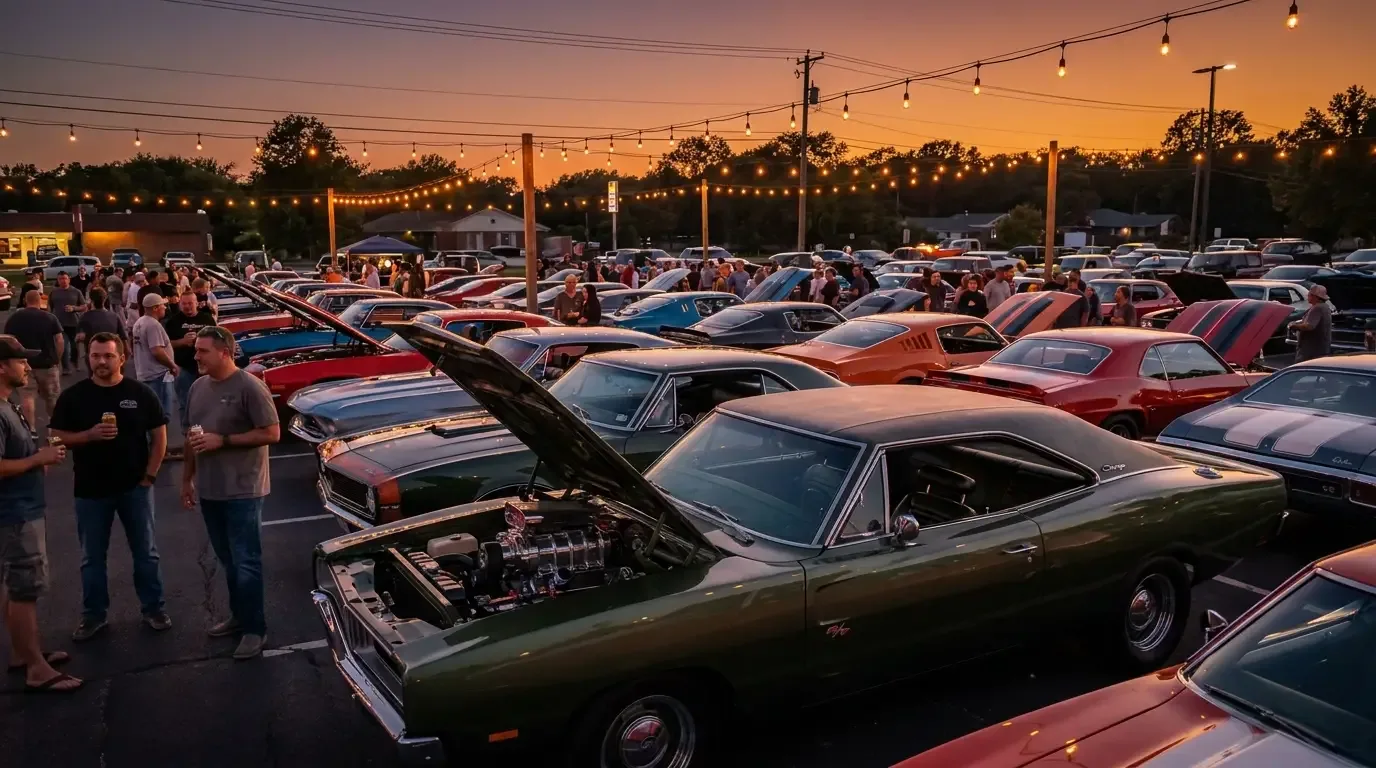
Plenty of cars had a moment in film or television and faded once that specific production left syndication rotation. The Charger's staying power comes down to the sheer volume and variety of its screen appearances across five decades now, spanning multiple film franchises and television eras, each introducing the car to a new generation that didn't necessarily know or care about the earlier appearances. A teenager discovering the car through a modern action franchise today has an entirely different entry point than someone who discovered it through 1980s television reruns, yet both end up recognizing the same basic shape and, often, developing the same affection for it.
That layered, repeated cultural exposure across generations is rare. Most cars get one shot at cultural relevance and either take it or don't. The Charger has had several, spaced out across decades, and it's converted almost every one of them into lasting recognition rather than a passing trend. For the full arc of how this car went from Dodge showroom flagship to genuine cultural fixture, Classic Cars Arena's Charger story traces that entire path from the beginning.
What separates an icon from a merely popular car
There's a useful distinction worth drawing between a car that was popular in its moment and a car that becomes an actual icon, and it comes down to whether the shape survives being separated from its original context. Plenty of cars sold well and even looked striking in period advertising, yet almost none of them can be reduced to a simple line drawing and still be instantly identified by someone who's never seen the actual vehicle. The Charger passes that test. Its silhouette has been reproduced on toys, video game box art, apparel, and countless amateur illustrations, each stripping away color, badging, and context, and the shape still reads correctly almost every time.
That's the real marker of icon status, and it's a higher bar than most people realize. A car can be famous without being iconic in this stricter sense, remembered fondly by people who owned or watched it but not instantly recognizable to someone encountering only its outline. The Charger cleared that bar decades ago, and every fresh screen appearance since has simply reinforced a recognition that was already, by any honest measure, cemented long before.
Sources and notes
- Dodge Charger (B-body), Wikipedia - confirmed the 1966 hidden-headlight grille, the 1968 coke-bottle redesign, and full-width taillight styling.
- Bullitt, Wikipedia - confirmed the black 1968 Charger's benchmark chase role that established the car as a Hollywood "movie car."
- The Dukes of Hazzard, Wikipedia - confirmed the years of weekly television repetition that turned the shape into permanent cultural memory.
- General Lee (car), Wikipedia - confirmed the orange-versus-black contrast in how the same body was read as hero or villain.
- Mental Floss, "What Happened to All Those Chargers?" - confirmed the sustained syndication exposure that kept renewing the car's recognition.