
On a warm night in 1965, a stretch of road north of Detroit turned into the most important test track in America, and nobody had to buy a ticket. Woodward Avenue ran from the city out through Ferndale, Royal Oak, Birmingham, and up toward Pontiac, and after dark it filled with the loudest, fastest cars Detroit could build. Some of them were driven by kids with a summer job and a used GTO. Some of them were driven by the engineers who designed the GTO, out to see what the competition was really doing. That mix is what made Woodward legendary.
Car Features
5 min read
Woodward Avenue: The Original Street Racing Scene
How Woodward Avenue became Detroit's unofficial proving ground. Royal Pontiac, the drive-ins, Jim Wangers and the street scene that built the muscle car.
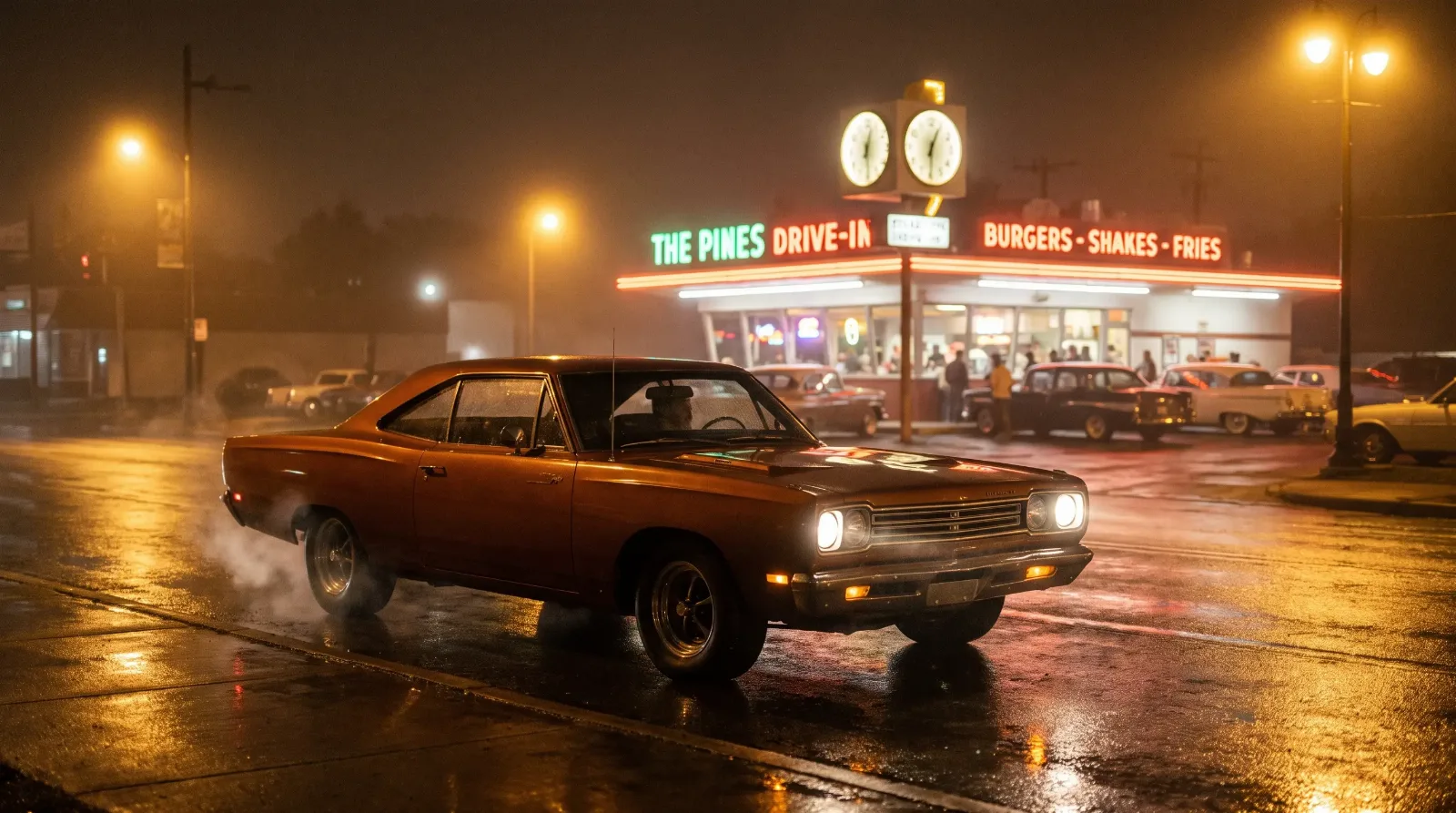
The story of American muscle usually gets told through drag strips and auction results. Woodward is the other half of it, the part that happened on public asphalt between stoplights. It was raw, it was illegal, and it shaped the cars in ways a sanctioned strip never could. If you want the organized side of the sport, the classic drag racing history pillar covers it. This is the street version.
A test track hiding in plain sight
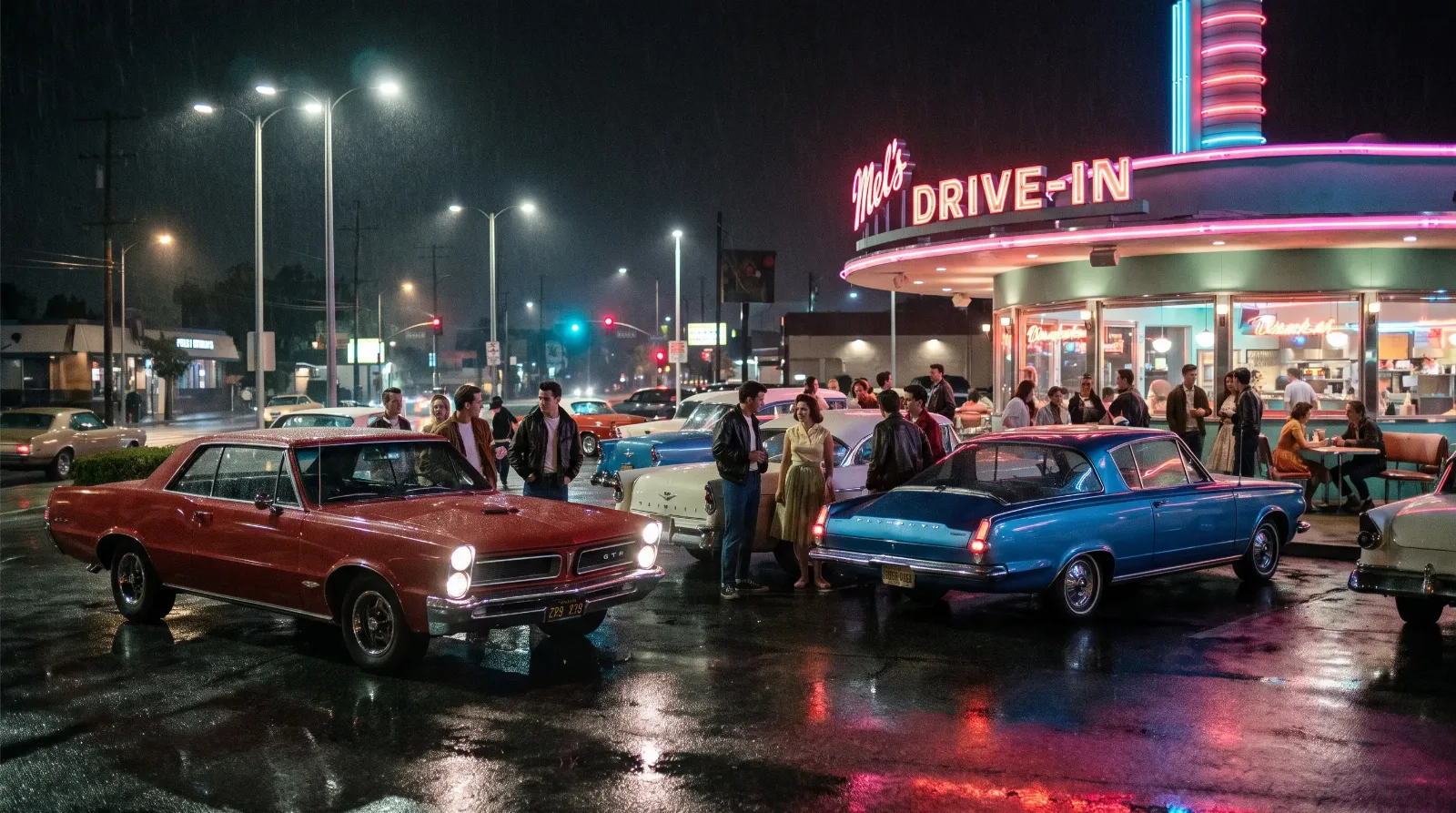
Woodward was not a secret. It was a main road, wide and flat, with long light-controlled stretches that happened to work perfectly for a short sprint between two cars. Drive-ins lined it, and the culture built up around them. The Totem Pole and Ted's became gathering points, places where a guy could pull in, let everybody see the car, and find somebody willing to run.
What made it different from anywhere else in the country was the geography. This was Detroit. The people building the cars lived here. An engineer from Pontiac or Ford could finish a shift, drive twenty minutes, and watch his product get run hard against a rival's. That feedback loop did not exist anywhere else, and it made Woodward the unofficial proving ground for the whole industry.
Royal Pontiac and the men behind the scenes
The best-known player on Woodward was Ace Wilson's Royal Pontiac, a dealership in Royal Oak that turned into a performance shop and a marketing machine. The man who ran the show there, Jim Wangers, understood something most executives missed. He knew a reputation earned on Woodward was worth more than any ad. Royal built tuned Pontiacs, the Royal Bobcat cars, and sent them out to be seen and to win.
The genius was that the line between factory and street was almost invisible here. A car that ran well on Woodward on Friday could shape a decision in a Pontiac meeting on Monday. That is how tightly the culture and the industry were wound together. Anybody who has read the muscle car explainer knows the GTO kicked off the segment. A good part of its swagger was built right here, one late-night run at a time.
The scene, the risk, and the reality
It would be easy to romanticize all of this, and plenty of people do. The truth is messier. Street racing on Woodward was against the law, the police pushed back hard, and the cars were fast enough to hurt people. The scene ran on a mix of genuine skill, youthful nerve, and a fair amount of luck. Not every story ended with a handshake at the drive-in.
Still, the culture had its own code. There were unwritten rules about where you ran, how you lined up, and what counted as a fair start. Talk to anyone who was there and they will tell you the same thing. It was a community as much as a contest. The cars were the excuse. The people were the point.
The men who lived it remember the small stuff more than the wins. The sound of a big-block idling in a drive-in lot. The way a crowd would gather when word spread that two known cars were about to run. The rivalries that lasted whole summers, settled and restarted every weekend. One older enthusiast I spoke with described it as the best part of his teenage years, and he was not talking about the trophies, because there were none. He was talking about belonging to something. That is the part of Woodward that no spec sheet or auction catalog will ever capture, and it is the reason the avenue still means something to the people who were there.
| Woodward landmark | Role in the scene |
|---|---|
| Ted's Drive-In | Northern gathering point and staging spot |
| The Totem Pole | Classic drive-in hangout on the strip |
| Royal Pontiac (Royal Oak) | Performance dealership behind the Royal Bobcat cars |
| Woodward Dream Cruise | Modern August event carrying the legacy forward |
Why Woodward still matters
Woodward matters because it is where the muscle car stopped being a spec sheet and became a way of life. The strip gave the cars their records. Woodward gave them their attitude. When people talk about the swagger of a 1960s Detroit performance car, they are talking about something that was forged in traffic, under streetlights, in front of a crowd that knew exactly what it was watching.
That spirit is why these cars still command a following, and why so many people chase one down decades later. If a slice of that era appeals to you, it is worth taking time to explore current muscle car listings and see which of the Woodward-era machines are out there today. The avenue built the myth. The cars carried it.
"The guys running Woodward weren't chasing a trophy. They were chasing a reputation on a road everybody drove past every day. Win there, and the whole neighborhood knew by morning."
Patrick Walsh
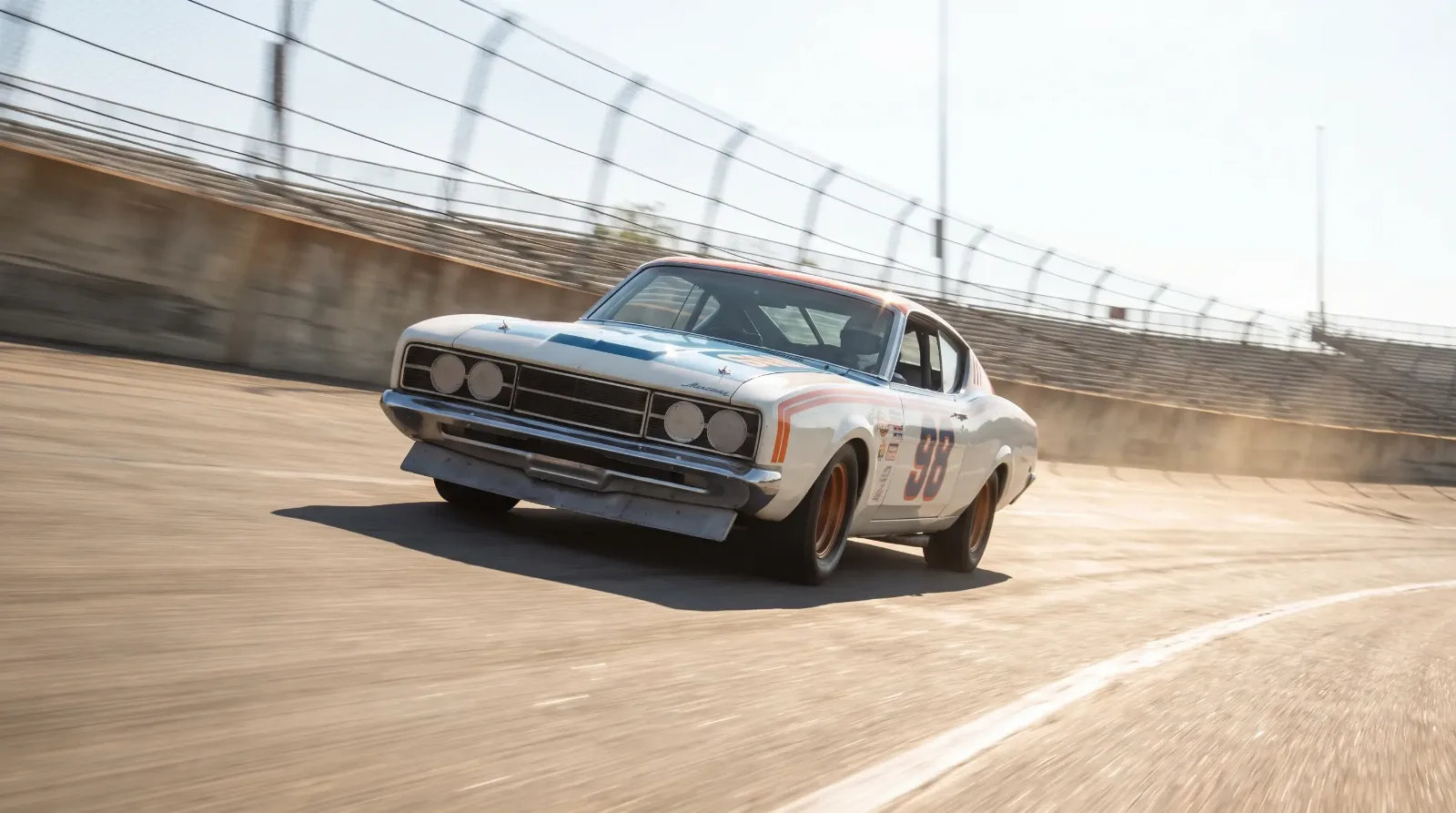
The horsepower war spilled off Woodward and onto the superspeedways, where the stakes and the speeds climbed higher than any street could hold. For where the factories took the fight next, read the full story.
Related Reading
Have a
Classic Car
for Sale?
Reach thousands of serious classic car collectors across the US.
Sell It Here →
Are You a Classic Car Dealer?
List your full inventory and connect with targeted classic car buyers.
Join as a Dealer →

About the author
Patrick Walsh
Automotive journalist covering classic car shows, events, and the enthusiast community across North America.
Comments
Be the first to comment on this article.