
Don Yenko wasn't the only dealer building hot Chevrolets in the sixties, but he's the name that stuck, and there's a reason for that. He raced the cars himself, understood exactly what a buyer wanted from a street machine that could also win at the strip, and he wasn't shy about pushing the factory's own performance parts further than Chevrolet officially intended.
Car Features
6 min read
Yenko and Other Dealer-Tuned Racing Chevelles
How Don Yenko and other performance dealers pushed the Chevelle beyond what Chevrolet officially offered, and what to look for in a real example today.
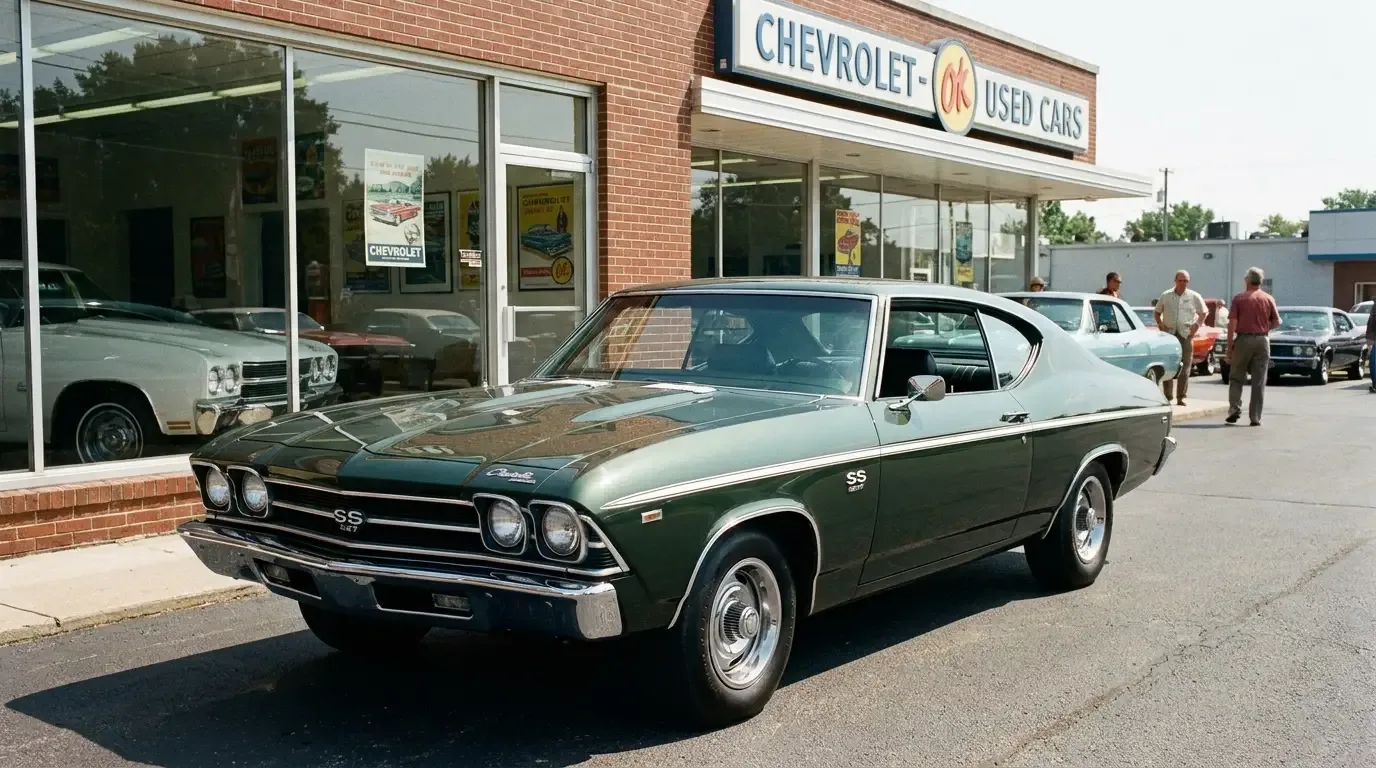
The Yenko name gets attached to Camaros most often in casual conversation, but the Chevelle got its share of dealer attention too, both from Yenko's own Canonsburg, Pennsylvania operation and from a handful of other performance-minded dealers around the country who saw the same opportunity. This chapter of the Chevelle's racing legacy is really a story about dealers who refused to just sell what the factory sent them.
Why dealers got into the tuning business
Chevrolet's corporate stance on performance shifted constantly through the sixties, caught between GM's internal restrictions on engine size and displacement in mid-size cars and the market's obvious appetite for exactly that kind of car. Dealers like Yenko found the gaps in those restrictions. A COPO order code, normally used for fleet and special-order vehicles, became the back door for getting big-block power into cars that weren't supposed to have it from the factory.
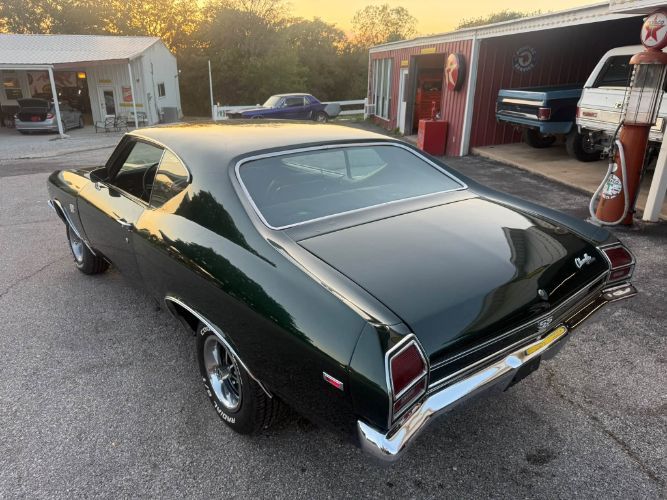
Yenko's most famous work went into the Camaro through the COPO 9561 and 9560 programs, putting the 427 into a car GM never officially offered with that engine. The Chevelle got its own version of the same trick for 1969 only, under a separate factory order code, COPO 9562. Yenko placed an order for 100 Chevelles with the L72 427, rated at 425 horsepower, and 99 were actually built, a small slice of the roughly 323 COPO 9562 Chevelles Chevrolet produced that year across every dealer who used the code. Beyond that one-year factory program, the dealer work on other Chevelles followed a similar logic on a smaller, less formal scale, dealers taking a car already available with strong big-block options and pushing the tune, the suspension, and occasionally the drivetrain further than a stock buyer's order sheet would get them.
What a dealer-tuned Chevelle actually got
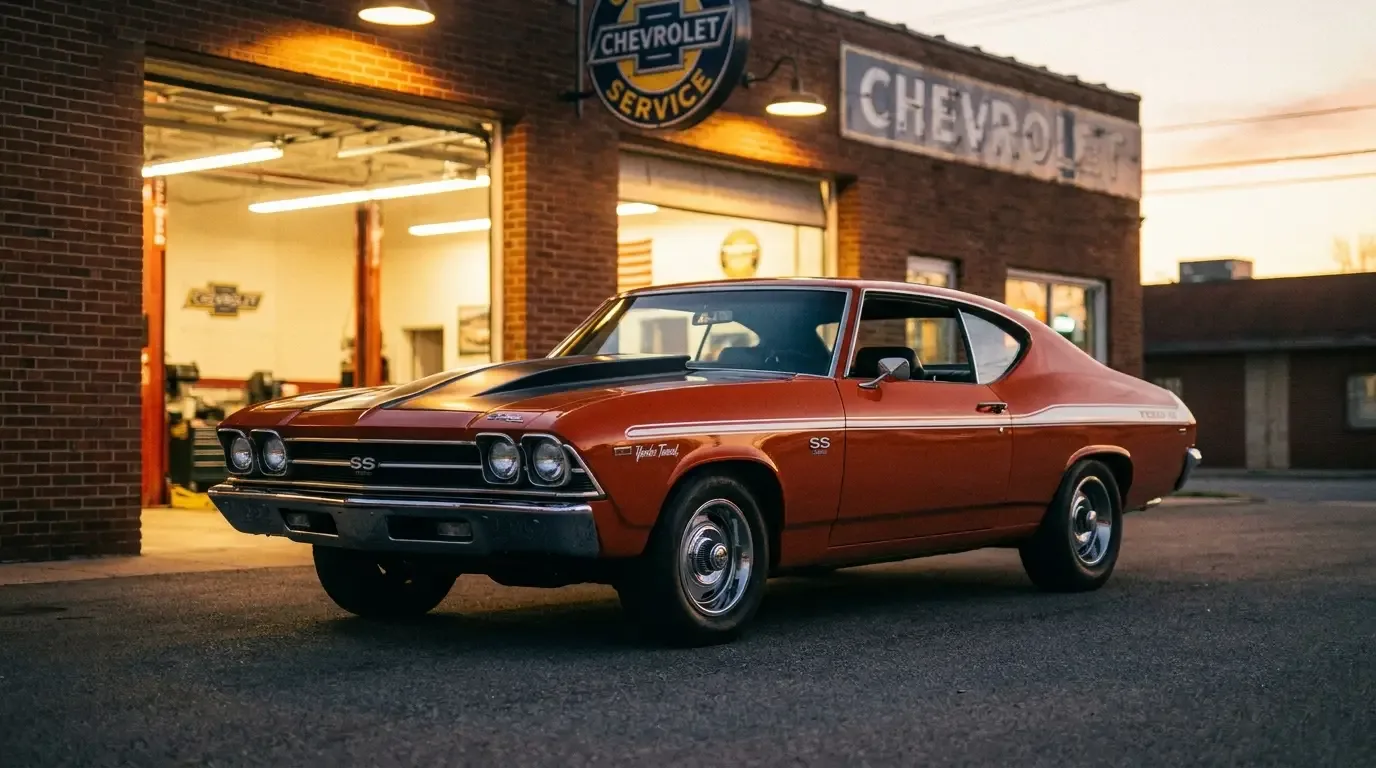
The specifics varied by dealer and by year, but the pattern was consistent. Start with a car already ordered with the heaviest factory big-block available, then work the details: blueprinted engines, headers in place of factory manifolds, upgraded ignition components, and suspension tweaks aimed at hooking up at the strip rather than riding comfortably on the street. Some dealers offered a genuine warranty on this work. Others sold it more informally, a handshake and a receipt rather than a factory-backed program.
What buyers were really paying for was expertise they couldn't easily get elsewhere. A guy who raced these cars every weekend knew which combinations actually worked and which ones just sounded good on paper. That's worth something, and it's worth remembering when you're looking at dealer-tuned performance Chevelles today, because the quality of the original work varies a lot depending on which shop actually did it.
🔧 Inspection Priorities
- Paper trail proving the dealer connection. Original invoices, warranty cards, or period documentation tying a car to a specific performance dealer are what separate a genuine example from a car with an aftermarket story attached decades later.
- Consistency between claimed work and physical evidence. If a car is sold as dealer-modified, the modifications described should match what's actually under the hood and in the drivetrain, not just a story that sounds good.
- Engine numbers and casting dates. Dealer work often meant swapped or blueprinted engines. Matching casting dates and stamped codes to the claimed history matters more here than on an otherwise stock car.
The other dealers doing similar work
Yenko wasn't operating in a vacuum. Dick Harrell in Kansas City, Baldwin Chevrolet paired with Motion Performance in New York, and Nickey Chevrolet in Chicago all ran comparable programs, each with a slightly different specialty and a slightly different regional following. Baldwin-Motion in particular built a reputation on drag-strip focused Chevelles that pushed engine swaps and tuning further than anyone else in the Northeast market.
These regional differences matter for anyone researching a specific car today. A dealer-tuned Chevelle sold through a Midwest performance dealer is going to have a different documentation trail, and often a different set of modifications, than one that came out of a Northeast shop. Knowing the region a car sold in narrows down which dealer likely touched it.
| Dealer | Location | Known specialty |
|---|---|---|
| Yenko Chevrolet | Canonsburg, Pennsylvania | COPO big-block programs, Camaro and Chevelle work |
| Dick Harrell Chevrolet | Kansas City, Missouri | Big-block conversions, drag-focused tuning |
| Baldwin Chevrolet / Motion Performance | Long Island, New York | Engine swaps, Phase III drag builds |
| Nickey Chevrolet | Chicago, Illinois | Big-block builds, regional performance sales |
"I talked to a guy at a swap meet once whose father bought a Yenko-tuned Chevelle new, and he still had the original invoice folded up in a drawer, yellowed at the edges. He said that piece of paper was worth more to him than the engine rebuild. Without it, nobody would believe the car's story, and with it, nobody had to ask."
Patrick Walsh
Why this matters for today's buyers
The dealer-tuned Chevelle market is smaller and quieter than the Camaro equivalent, which means less scrutiny but also less certainty. Buyers researching one of these cars need to lean harder on documentation because the population of experts who can eyeball a car and confirm its history is shrinking every year. That's not a reason to avoid these cars. It's a reason to do the homework before you write a check.
Values on genuine dealer-tuned Chevelles have climbed steadily as buyers who grew up around these shops age into serious purchasing power, and a car with a verifiable Yenko or Baldwin-Motion connection now commands a real premium over an otherwise identical stock big-block Chevelle. That premium only holds up under scrutiny, though, which is exactly why the paperwork matters more than the paint at this point in the market.
These stories are a reminder that the factory built a strong platform and independent dealers, not always with corporate blessing, found ways to make it faster. That tension between what Detroit officially sanctioned and what dealers actually built is a big part of why these cars still generate real interest decades later.
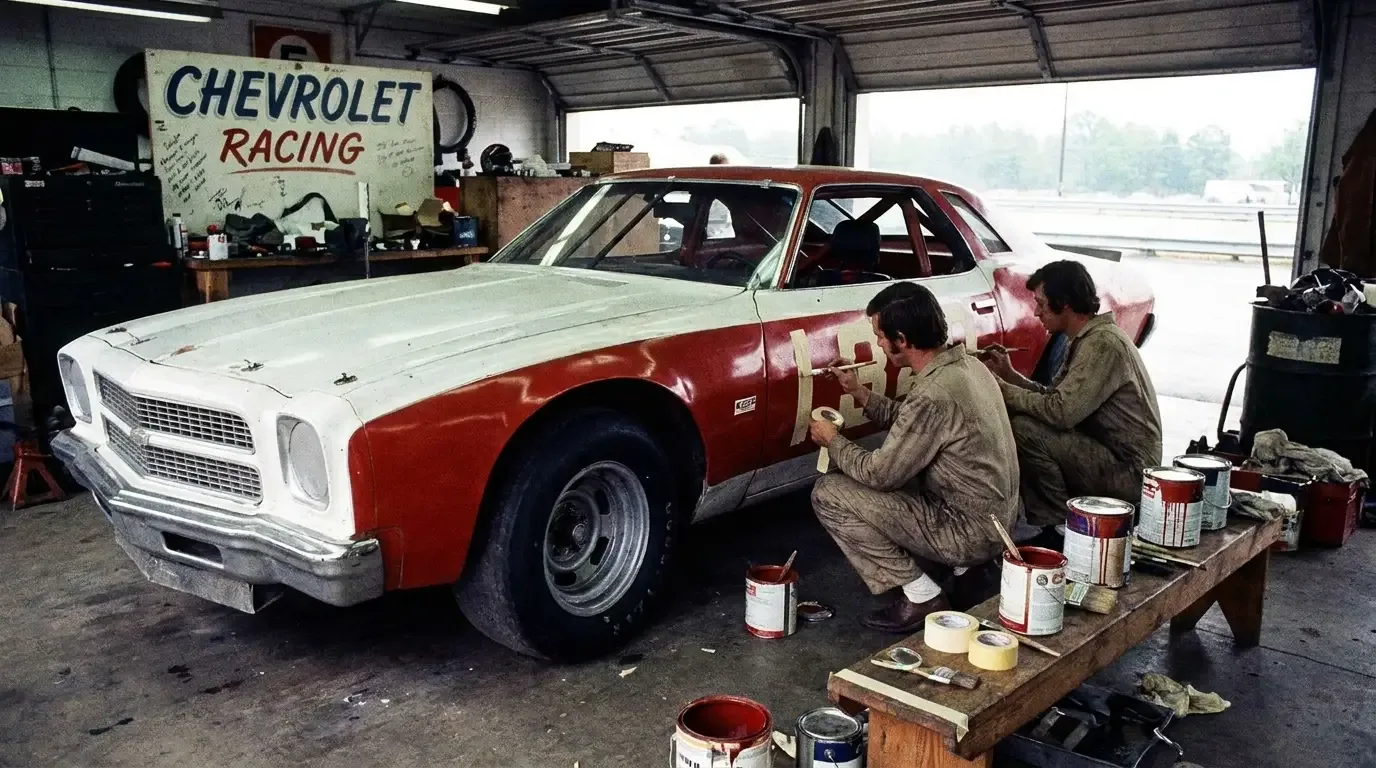
Once a Chevelle left the dealer's shop with new paint and a fresh tune, it needed a look to match the performance underneath. Read next: Chevelle Racing Liveries and Paint Schemes for how these cars announced themselves on the track and in the pits.
Sources and notes
Related Reading
Have a
Chevrolet Chevelle
for Sale?
Reach thousands of serious classic car collectors across the US.
Sell It Here →
Are You a Classic Car Dealer?
List your full inventory and connect with targeted classic car buyers.
Join as a Dealer →
About the author
Patrick Walsh
Automotive journalist covering classic car shows, events, and the enthusiast community across North America.
Related Listings - Chevrolet Chevelle
Comments (1)
G
Gary Tompkins
1 month ago
Found mine through a marque club contact rather than a public listing. Paid fair value and knew exactly what I was getting. Worth the connections.