
The rivalry that defined American luxury for most of the twentieth century began with a coincidence that no novelist would dare invent. The same man founded both Cadillac and Lincoln. Henry Martyn Leland, a precision machinist trained in the New England arms trade, gave his name to neither company, yet his standards shaped both, and the fact that he built one marque and then walked out to build its direct competitor is the true origin of the feud.
History & Heritage
6 min read
Cadillac vs Lincoln: The Origins of the Rivalry
The Cadillac vs Lincoln rivalry origins trace to one man: Henry Leland founded both marques, then left to build Cadillac's arch-rival. The full story.
Understanding that shared parentage changes how you read every later chapter of the Cadillac vs Lincoln luxury war. This was never two strangers competing. It was a family argument, and the man at the center of it cared about one thing above marketing or fashion: parts that fit.
The machinist who set the standard
Leland came to automobiles late and from an unusual direction. He had worked at Colt and at Brown & Sharpe, shops where a tolerance of a thousandth of an inch was a moral position rather than a convenience. When the failing Detroit Automobile Company collapsed and its backers called Leland in to appraise the assets, he did not recommend liquidation. He recommended building a car around a precise single-cylinder engine of his own design. That company, reorganized in 1902, became Cadillac.
The name honored Antoine de la Mothe Cadillac, the French officer who founded Detroit in 1701. The badge borrowed his supposed coat of arms. But the substance of the marque was Leland's obsession with interchangeability, the idea that any part from the bin would fit any car without hand-filing. In an era of bespoke assembly that was close to radical.
Standard of the World, earned in London
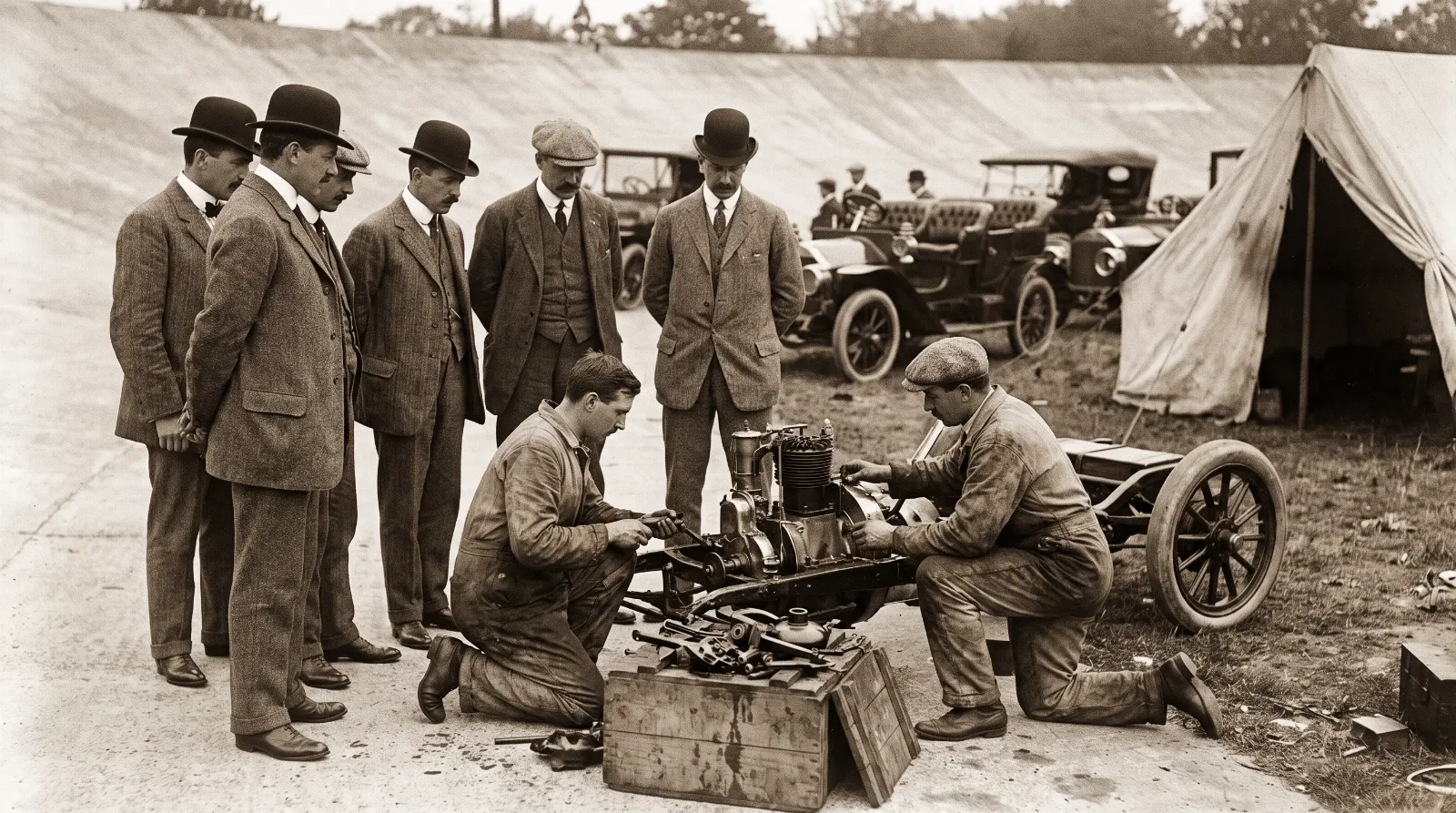
Cadillac proved the point in 1908 at the Brooklands circuit in England. Under the observation of the Royal Automobile Club, three cars were disassembled, their parts scrambled together, and the cars rebuilt from the mixed components. All three ran. The Dewar Trophy followed, and with it the slogan that Cadillac would carry for decades, Standard of the World. The claim was not about speed or size. It was about the almost invisible discipline of manufacturing that Leland had brought from the gun trade.
General Motors absorbed Cadillac in 1909, and William Durant left Leland in charge. For nearly a decade the arrangement held. Cadillac became the yardstick every other American maker measured itself against, and its position as the premium division of a growing corporation gave it resources that independent luxury builders could not match.
The break, and the birth of Lincoln
The split came over an aircraft engine, not a car. When the United States entered the First World War, Leland wanted Cadillac to build Liberty V12 aviation engines. Durant, a pacifist by conviction, resisted. Leland, then in his seventies, resigned in 1917 and formed a new company to build the Liberty engines the government needed. He called it the Lincoln Motor Company.
When the war ended the engine contracts evaporated, and Leland turned Lincoln to what he knew best, a luxury automobile built to the same uncompromising tolerances that had made Cadillac famous. The Lincoln Model L of 1920 was mechanically superb. It was also, by most accounts, dowdy. Leland the engineer had no instinct for the coachwork and proportion that luxury buyers increasingly demanded, and the company slid toward insolvency within two years.
Ford's rescue and Edsel's eye
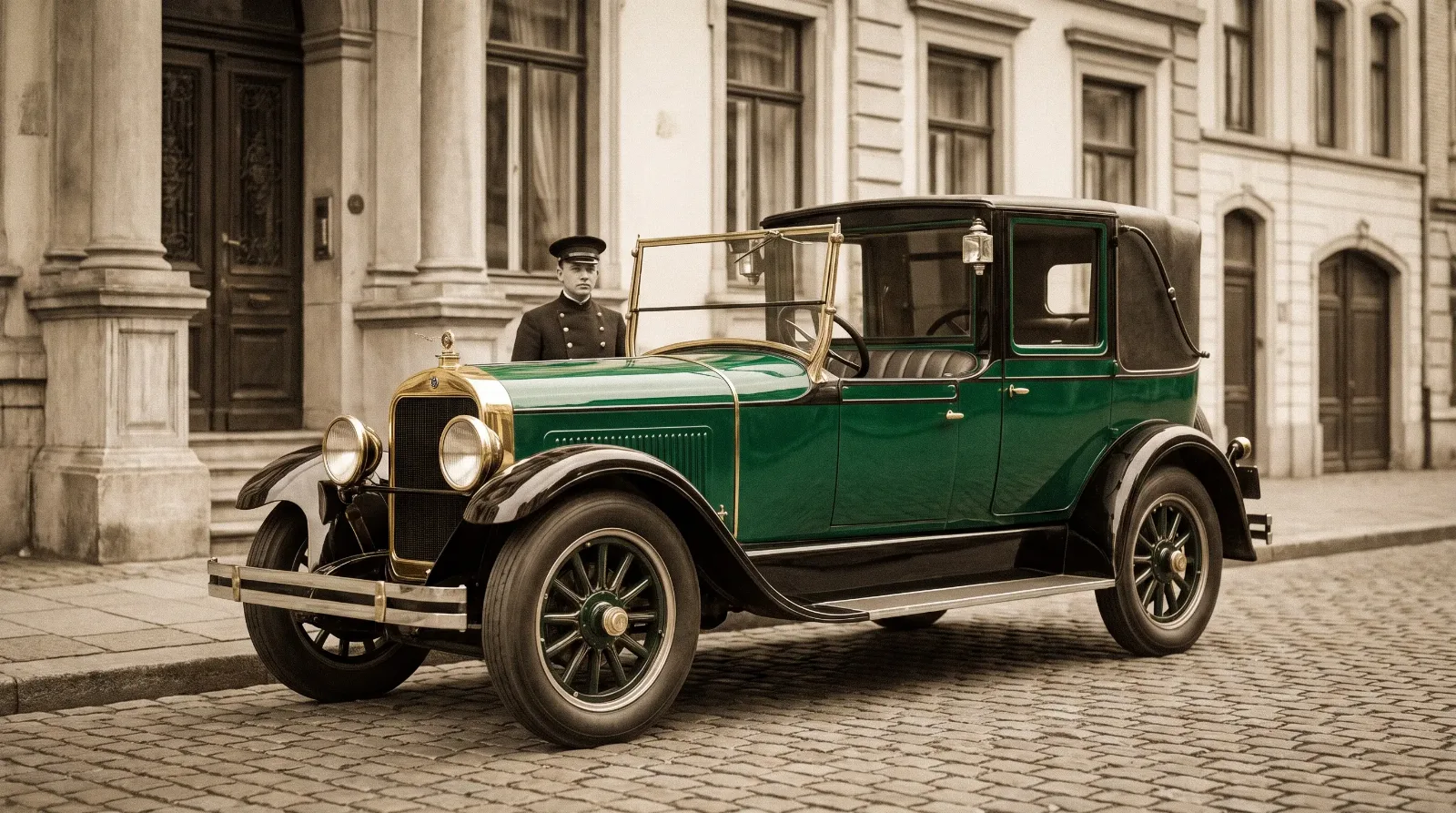
Henry Ford bought the bankrupt Lincoln in 1922, a purchase colored by old grievances, since Leland had once been brought in to appraise a Ford venture that failed. The elder Ford got his engineering marvel. What saved the marque, though, was his son. Edsel Ford took the mechanically excellent, visually plain Lincoln and gave it what it lacked, commissioning bodies from the finest American coachbuilders and pushing the styling toward elegance.
Edsel turned to the great custom houses of the period, Brunn, Judkins, Willoughby, and LeBaron among them, commissioning formal sedans, town cars, and convertible bodies that gave the sound Lincoln chassis the visual authority it had lacked. The mechanical excellence stayed. The plainness went.
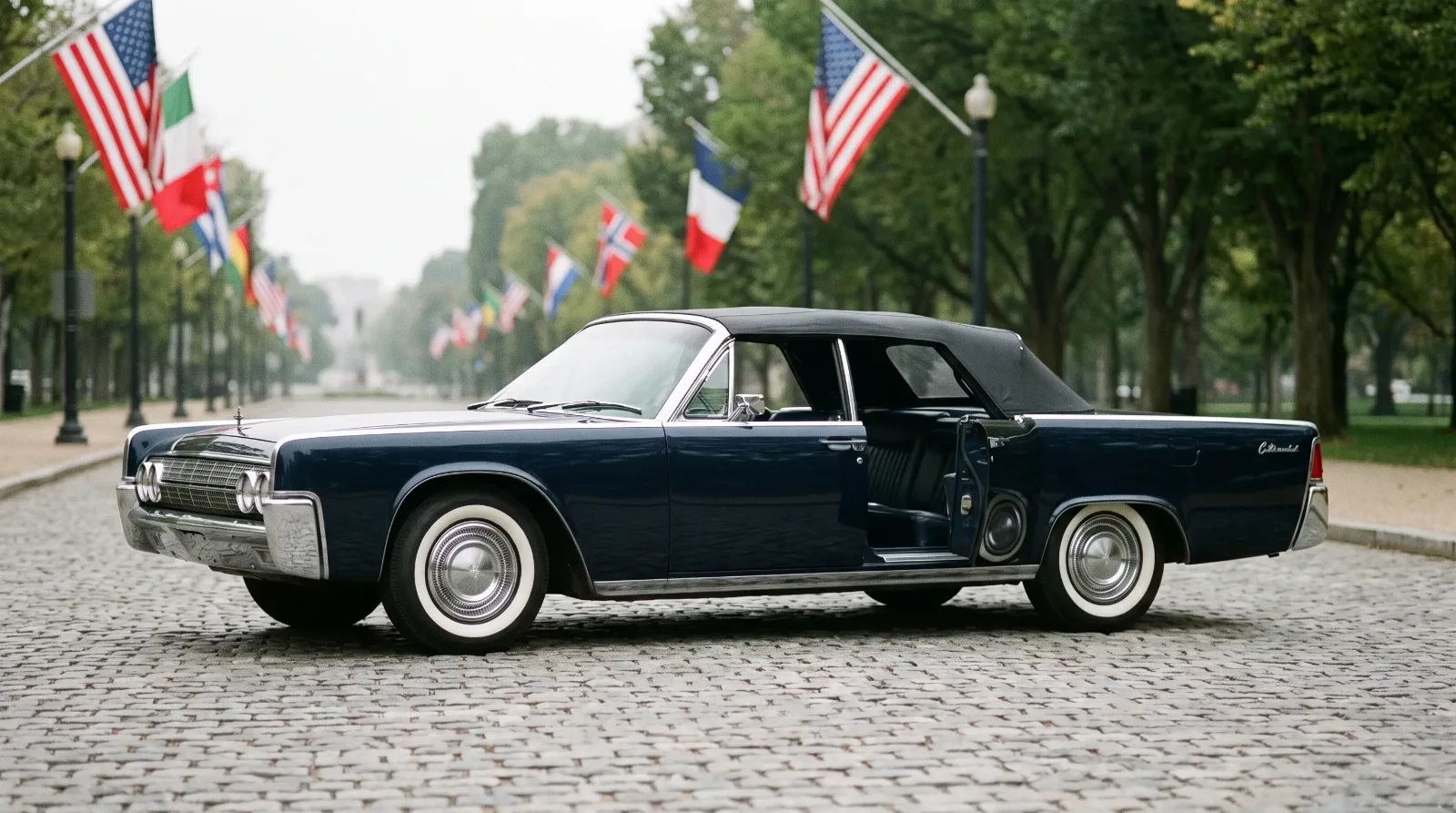
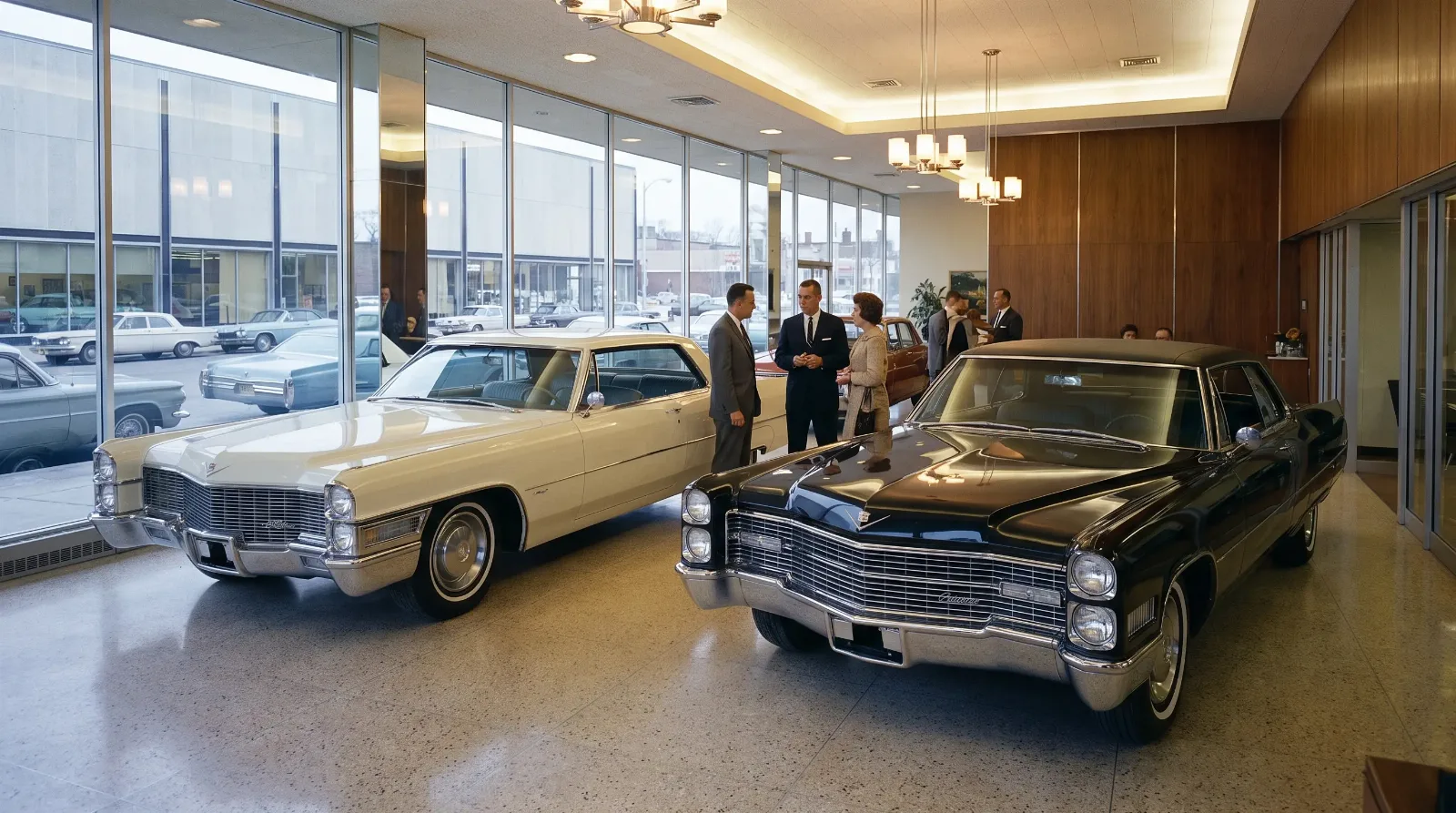
That division of labor set the terms of the rivalry for the next generation. Cadillac carried the prestige of General Motors and the Standard of the World reputation. Lincoln carried Ford's resources and, under Edsel, a growing reputation for design courage that would later produce the Continental. Anyone tracing the classic luxury car story finds these two marques circling each other from this point forward, each defining itself partly against the other.
| Milestone | Cadillac | Lincoln |
|---|---|---|
| Founded | 1902, by Henry Leland | 1917, by Henry Leland |
| Corporate parent | General Motors, from 1909 | Ford Motor Company, from 1922 |
| Early reputation | Precision, interchangeable parts | Engineering, then design under Edsel |
| Signature early claim | Standard of the World, 1908 Dewar Trophy | Coachbuilt elegance on a superb chassis |
Why the rivalry ran so deep
Most brand rivalries are marketing constructions. This one had a bloodline. The same hands that built Cadillac's reputation for precision walked across town and built the company that would spend the century trying to unseat it. Leland himself was pushed out of Lincoln by the Fords within a year of the sale, a bitter end for a man in his eighties who had founded two of the country's finest marques, so he lived to see both his creations continue without him, competing for the same buyers. The precision standards he carried from the arms trade outlasted him at both companies, which is why an old Cadillac and an old Lincoln, for all their surface differences, share a certain seriousness under the skin.
"You cannot understand these two marques as separate stories. They share a founder, a set of manufacturing values, and a city. The rivalry is really an argument between two halves of one man's legacy, and that is why it never felt like ordinary competition."
Sarah Whitfield
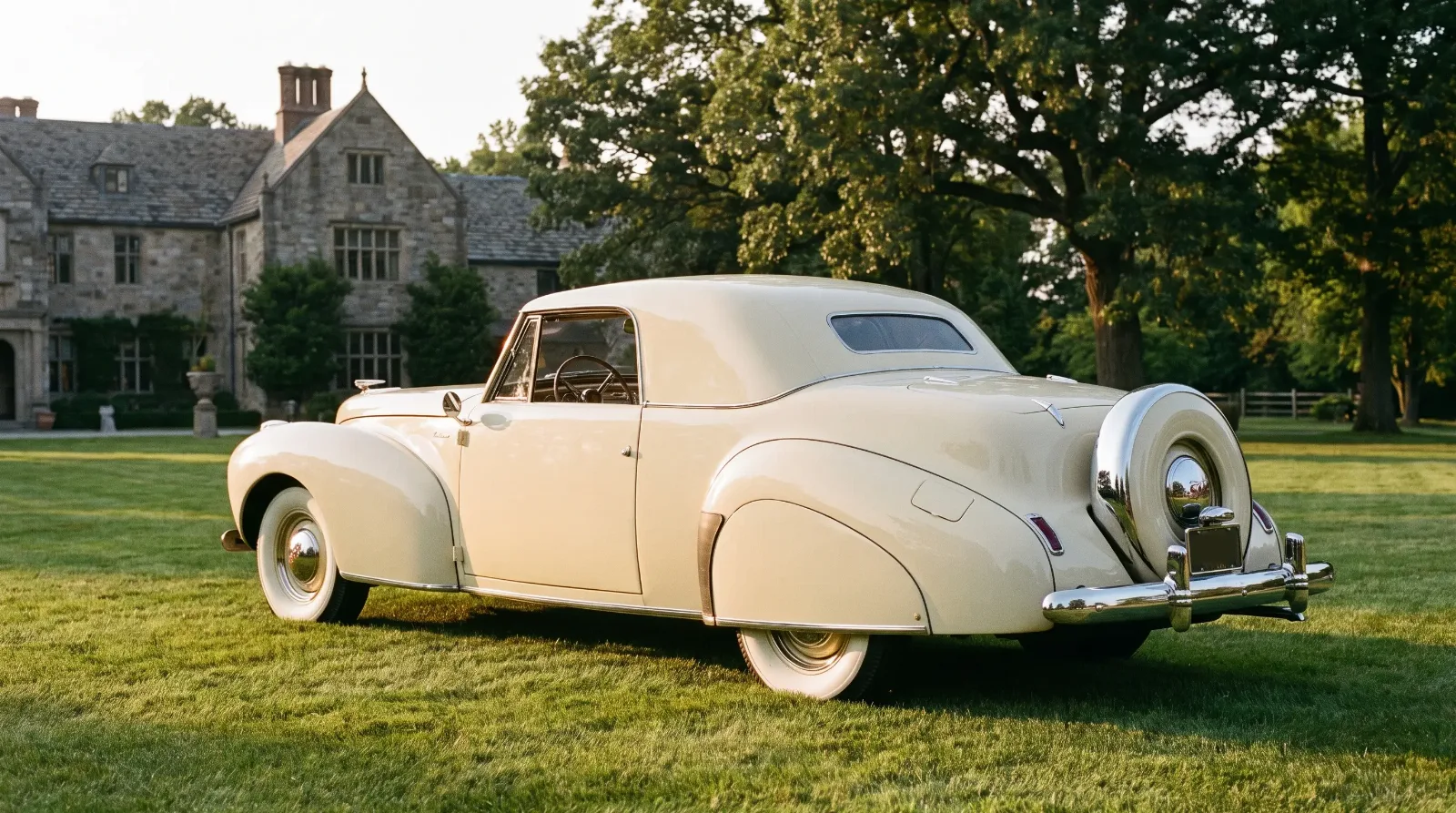
By the late 1930s the argument moved from boardrooms to the cars themselves, and no single automobile made Lincoln's case more eloquently than a personal machine built for Edsel Ford's own winters in Florida. Read on: next: The 1940 Lincoln Continental.
Related Reading
Have a
Classic Car
for Sale?
Reach thousands of serious classic car collectors across the US.
Sell It Here →
Are You a Classic Car Dealer?
List your full inventory and connect with targeted classic car buyers.
Join as a Dealer →

About the author
Sarah Whitfield
Third-generation classic car collector specializing in pre-war American and European coachbuilt automobiles. Researcher and concours enthusiast.
More in History & Heritage
Comments
Be the first to comment on this article.