
A new club tends to discover its insurance question the same way: a venue manager asks for a certificate, and nobody in the group knows what that is. Car club insurance is not complicated, but it has to be in place before the first event, not after the first claim. The risk a club carries is simple to state. Members and the public gather around running cars on someone else's property, and if a person is hurt or property is damaged, the club, its officers and the member who organized the day are the obvious names on a complaint.
Ownership & Lifestyle
8 min read
Car Club Insurance: What a Club Needs Before Its First Event
General liability, D&O, venue certificates and the exclusions that catch new clubs: what car club insurance covers and how clubs get it.
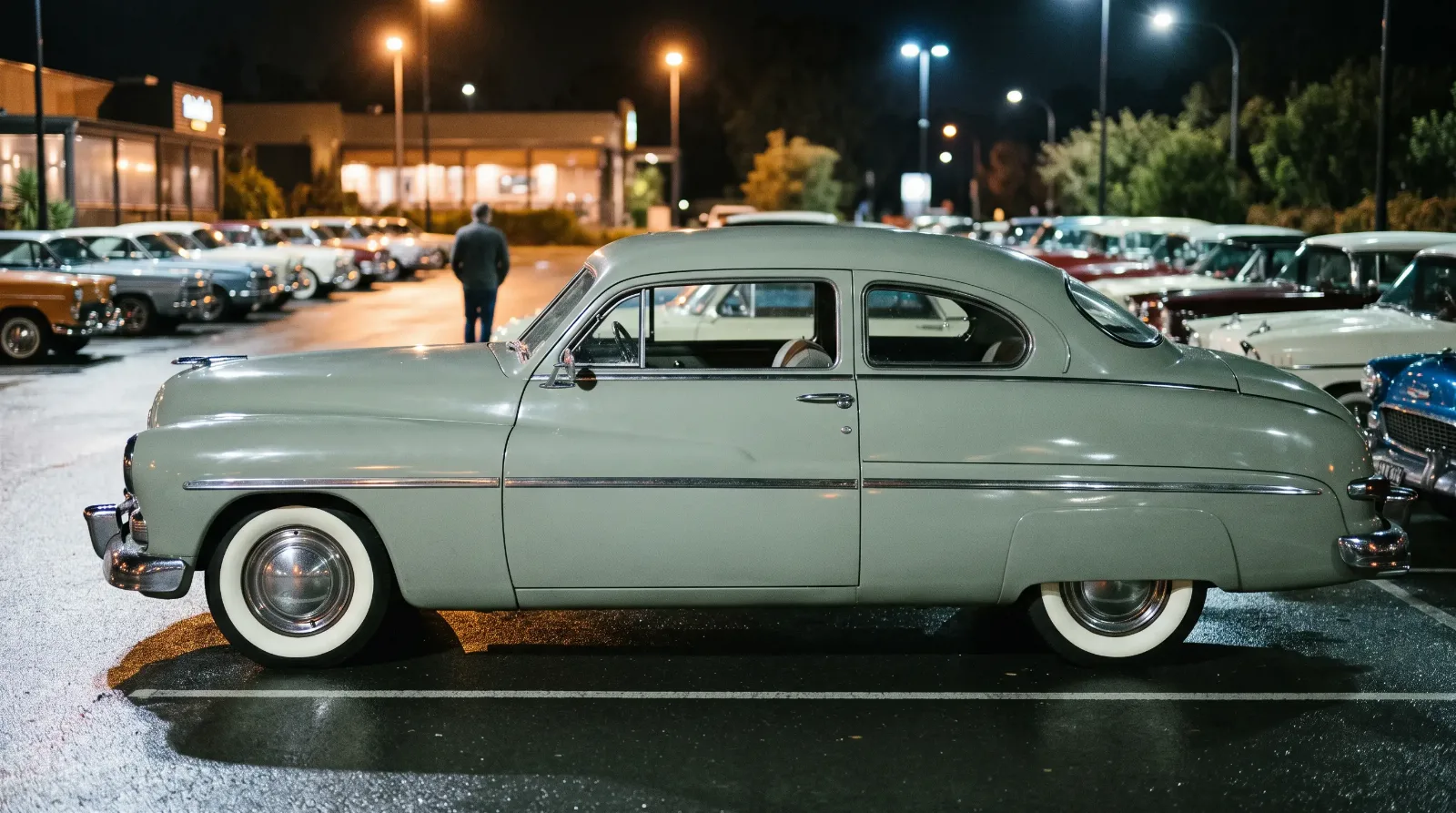
This piece covers what a club policy is meant to cover, the routes clubs use to get one, what venues and cities will ask for, and the gaps that catch new clubs. It assumes the club already exists; the groundwork of building a club from scratch is covered separately. Terms below were read on October 19, 2026, unless another date is given.
What car club insurance covers, and what it does not
The core of any club program is general liability: claims for bodily injury or property damage from an occurrence tied to club activities. The Model A Ford Club of America (MAFCA) is a useful example because it publishes the details of the cover it arranges for its chapters. It names the activities: meetings, dances, tours, picnics, flea markets, banquets, shows, shopping-center shows and parades, on property the club rents, leases or uses. It adds commercial general liability with contractual and products liability, non-owned auto liability, and fire legal liability up to $1,000,000 for rented buildings.
The second layer is directors and officers (D&O) cover, which protects the people who run the club against claims about their decisions as officers. MAFCA includes it for chapters in good standing; Hagerty's club program offers it as an add-on, with no limits listed on the page.
Then come the exclusions, and these are where clubs get hurt. MAFCA's own page makes three points worth copying into any club's rules:
- Members must keep their own auto liability and physical damage cover. The club policy does not insure the members' cars.
- Charging for rides in a car at a club function is discouraged, because most personal auto policies exclude it.
- Liquor liability is limited. It excludes clubs in the alcohol business and any serving to intoxicated people or minors.
The claim, then the caveat: a club policy covers the club's liability for the event. It does not cover the cars, and it does not cover a member who turns a parade lap into a paid ride. Policy wording varies by carrier and by state, so read the actual policy and confirm the gaps with the insurer or agent before relying on any of this.
Three routes to a club policy
Most clubs end up in one of three places. Which one fits depends on whether the club belongs to a national body, how many events it runs, and whether it needs cover all year or for one day.
| Route | Example | What the source says | Price published? |
|---|---|---|---|
| National club umbrella | MAFCA chapters; AACA regions and affiliate clubs | MAFCA: GL and D&O for chapters in good standing in the US and Canada. AACA: national provides liability insurance for region events; its Affiliate Club Program extends the club insurance package and D&O to smaller organizations and single-marque clubs (article updated May 22, 2026) | No |
| Specialty collector-club program | Hagerty car club program | Year-round GL for the club, members and those acting for it; static events (shows, cruise-ins, picnics, meetings) under one policy; limits up to $2 million per occurrence and $4 million aggregate per year; for non-profit collector car clubs; not available in all states | No |
| Short-term event policy | SECURA short-term general liability | Short-term general liability, premises and operations, and personal and advertising injury, the last extending to club members and volunteers organizing the show; written through a local independent agent in the 13 states where SECURA operates | No |
A fourth program also takes clubs that run autocross, rallies and tours. K&K Insurance's Independent Club Event Liability program, in its December 2024 application package, offers $1 million in general liability for a club's car shows, meetings, rallies and social functions, extending to officers, members and volunteers while they take part. Excess limits are available on request, host liquor liability is among the listed coverages, and wheel-to-wheel racing, hill climbs and drifting are ineligible.
None of these sources publishes a premium, and we found no reliable figure for what a small club pays a year. Treat any number you hear at a meeting as one club's quote, not a benchmark. "Up to $2 million" is also a ceiling, not a promise; the limit on a club's actual policy is whatever the insurer writes after reviewing the risk, and Hagerty states that it makes the final risk acceptance.
The venue and the city will ask for proof
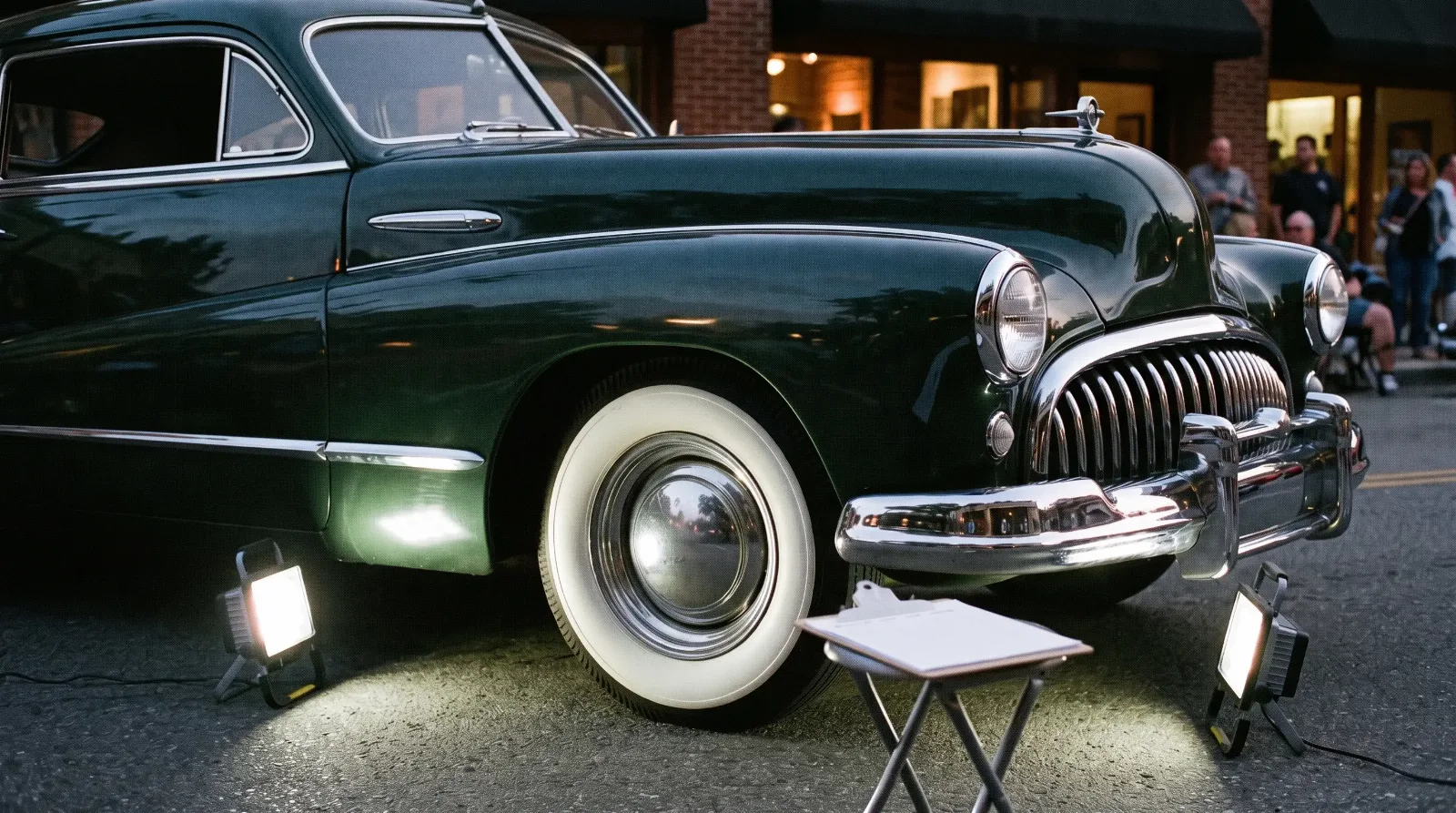
The first document a club produces is usually a certificate of insurance naming the venue as an additional insured. Hagerty's program says it can provide that certificate quickly on request, and MAFCA's cover names rented or leased property as covered locations. A restaurant lot, a fairground or a shopping center will ask for one before it lets the club in.
Public property raises the bar. Seattle's special event permit, as read October 19, 2026, requires $1,000,000 combined single limit general liability per occurrence, liquor liability of $2,000,000 per occurrence (non-profits may reduce it to $1,000,000), the City named as additional insured, and documents filed at least 30 days before the event. Las Vegas asks for $1 million per occurrence and $2 million aggregate, on an ACORD 25 certificate naming the City and LVMPD as additional insureds, with 30-day cancellation notice; its form dates from 2022. Both ask for $1,000,000 in auto liability only when vehicles are used for the event (Seattle words it as use beyond normal commuting).
Those are two cities, not a national rule. Requirements vary by city, county and state, so ask the permit office for its insurance sheet before booking anything. The heavier permit work for a public show, with a gate and a charity attached, belongs to the guide on running a charity car show.
"The policy is not the risk control. It is what pays when the risk control fails. A club that writes down what it does, keeps members on their own auto cover and refuses cash for rides has a smaller claim to insure, and an easier conversation with any underwriter."
Marcus Feld
Before the first event: a working checklist
The order matters. A club that plans its calendar first and buys cover second can match the policy to what it actually does. The usual mistake runs the other way: a policy bought for meetings, then a cruise-in, a tour and a swap meet added over the summer without anyone checking the wording. The calendar of events that keeps members active is its own topic, with more on that here; the insurance point is only that every new idea should be checked against the policy before it goes on the flyer.
How club structure changes the answer
Structure decides which route is open. A chapter of a national marque club may already sit under the national policy, provided it stays in good standing; MAFCA's charter rules, for instance, require chapter officers to be national members. An AACA region's own page puts it plainly: membership in the national is required to join a region, because national provides liability insurance for region events.
An independent regional club has no national umbrella by default. It buys its own cover, through a specialty program or an agent, or it looks for an umbrella it can join; AACA's affiliate program is aimed at exactly that kind of smaller organization. The trade-off between independence and access to group cover is part of the wider choice between a marque club or regional club.
Whichever route a club takes, the caveat stands. Coverage, limits and availability vary by carrier and state, and this is not legal or insurance advice. Confirm the details with the insurer or a licensed agent, and do it before the first event goes on the calendar.
Sources and notes
- Model A Ford Club of America: chapter insurance (read October 19, 2026)
- Hagerty: car club insurance, limits and eligibility (read October 19, 2026; no premiums published)
- Old Cars Weekly: AACA Affiliate Club Program (updated May 22, 2026)
- K&K Insurance: Independent Club Event Liability application package (December 2024, read October 19, 2026)
- City of Seattle Special Events Office: insurance requirements (read October 19, 2026)
- City of Las Vegas: special event insurance information (2022 form, read October 19, 2026)
Related Reading
Have a
Classic Car
for Sale?
Reach thousands of serious classic car collectors across the US.
Sell It Here →
Selling a classic? Here's how: the best sites to sell a classic car
Are You a Classic Car Dealer?
List your full inventory and connect with targeted classic car buyers.
Join as a Dealer →
#car clubs
#car club insurance
#general liability
#D&O insurance
#certificate of insurance
#club events

About the author
Marcus Feld
Accredited collector-car appraiser who reads the market through hammer prices, condition tiers and risk.
More in Ownership & Lifestyle

Comments
Be the first to comment on this article.