
Picture an empty lot at six on a Saturday morning. Dew on the asphalt, a folding table, one person with a clipboard and a box of placards, listening for the first engine to turn the corner. Every town show that now fills three blocks started like that, with somebody who decided the cars parked in garages all over town should spend one day in the same place. If you are wondering how to start a car show, this is the honest version: a lot, a yes, a date, a price, and enough helpers to carry the table. It is quiet work. Then it is not.
Ownership & Lifestyle
7 min read
How to Start a Car Show in Your Town
How to start a car show in your town: securing a lot, picking a date and size, pricing entries from real 2026 shows, and the paperwork to start early.
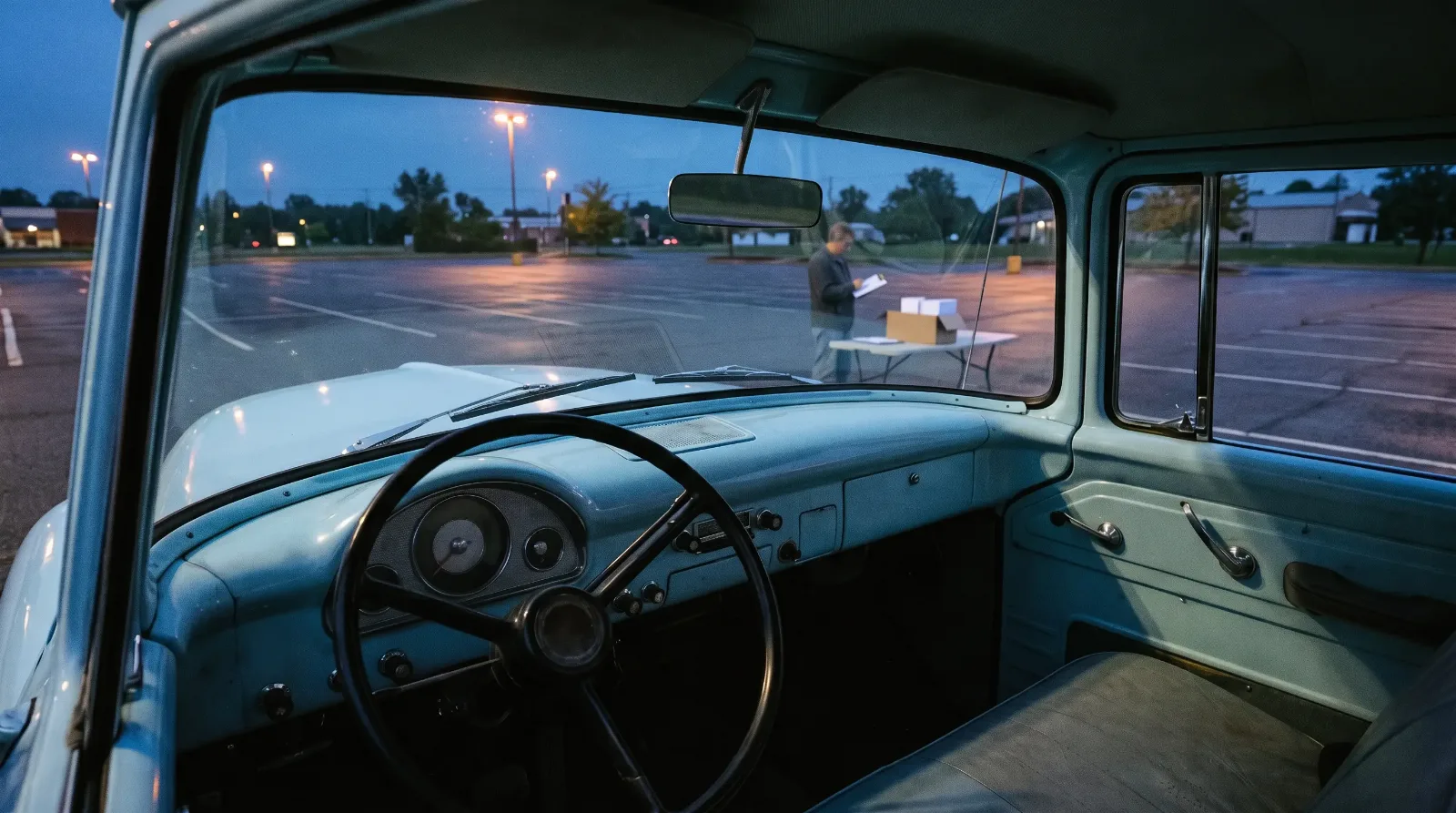
How to start a car show: a lot and a yes
Before the flyer, before the trophies, there is the ground. A dealership lot on a Sunday, a church parking area, a park, a stretch of downtown street. The owner has to say yes, and the yes has to be on paper. A first-time organizer writing for Jalopnik put it simply: get the venue owner's permission and keep proof of it. The same writer advised telling the local police about the show, which helps if anything goes wrong and also reveals whether another event has already claimed the same weekend.
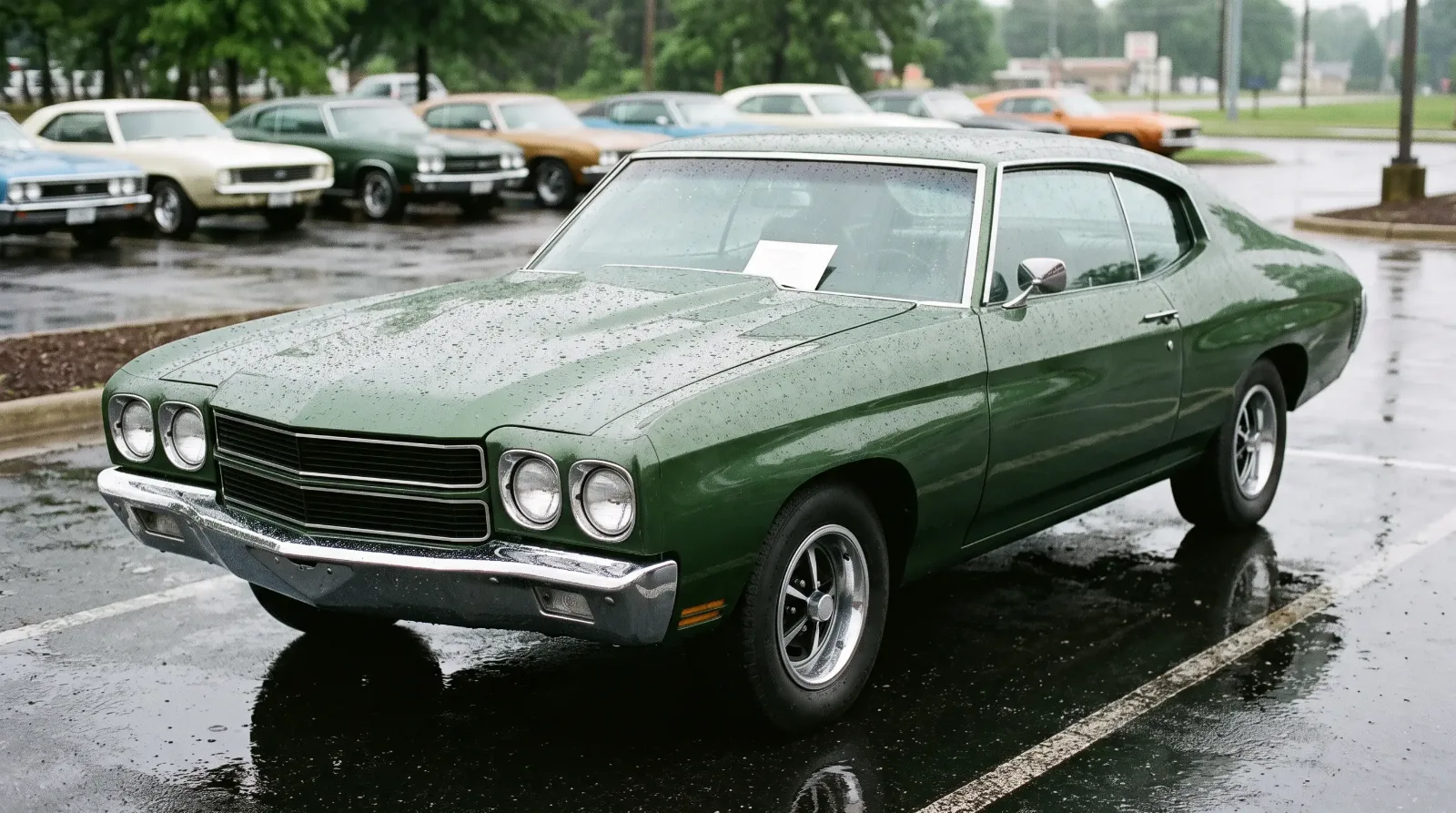
Private lots are the easier first step. A street closure brings in the city, and the city brings in forms. Many first shows happen at a business that likes the foot traffic, and plenty of clubs return to the same dealer for years. One Iowa club runs its show at a Chevrolet dealership, with about 60 members and their families doing the work.
That last detail matters. A show is easier with a group behind it, people who already trust each other and can split the jobs. If there is no club in town yet, it may be worth building one first; there is more on that here.
Pick a date and a size you can carry
Look at the calendar for your area and find the gaps. A free weekend in early summer or a holiday Monday draws people who already have nowhere to be. Fairfax, Virginia holds a Labor Day show that is open to the public and free, with a small donation encouraged. A holiday gives a small show a crowd it would not find on an ordinary Saturday.
Then decide how big. The R.E. Olds Car Capital Auto Show in downtown Lansing planned for 225 registered vehicles in 2026, and that is a museum with years of practice. A first show does better aiming small and filling every space than aiming large and staring at empty rows.
Pre-registration is how you learn the size before the day arrives. It tells you how many cars to expect and how to lay out the parking. SEMA's guidance for show producers suggested mailing pre-registration kits about two weeks out. Leave room for walk-ups anyway. There are always walk-ups.
Set the price of a parking space
Entry fees at small shows are modest, and they follow a pattern: a lower price for pre-registration, a few dollars more on the day. Here is what some 2026 shows charged.
| Show (2026) | Car entry | Spectators | Notes |
|---|---|---|---|
| Rockburn Open Car Show, Howard County MD | $10 pre / $15 on site | Free | County-run; cars-for-sale space $20 / $30 |
| Troop 6 Car Show, Peconic NY | $25 pre / $30 day of | $10, under 12 free | Pre-registered cars 1930 and older free |
| Lakes Region Rotary Charity Car Show, Weirs Beach NH | $20 pre / $25 day of | $5, under 12 free | Proceeds to local charities |
| Fairfax Labor Day Car Show, VA | Not listed | Free | Small donation encouraged |
Before you pick your number, add up what the day will cost: the lot, portable toilets if the venue has none, placards, trophies, printing, coffee for the volunteers. SEMA's advice was to work out a break-even car count while budgeting, the number of paid entries it takes to cover the bills. If that number looks out of reach, cut costs before you raise the fee.
If the show raises money for a cause, the pricing questions get sharper, and raffles and receipts bring their own rules. Our guide to running a car show fundraiser covers that side in detail.
The paperwork nobody mentions
This is the part that keeps organizers up at night. SEMA's producer guidance listed the permit types a show may need: street closure, selling, building and safety, health for food vendors, traffic control, fire, police, and charity solicitation. Its warning was blunt: "Don't expect anyone to tell you which permits are needed." A missing one can shut a show down on the morning itself.
Insurance follows close behind. Cities that issue event permits often set a minimum liability limit and want to be named on the certificate. Seattle, for example, asks for $1,000,000 per occurrence on its special event permits, with documents filed at least 30 days before the event. San Diego, as of October 2026, requires a special event application at least 60 days out, charges $341 to process it plus $80 per business day when it arrives later, and recommends applying 120 days ahead. Start these calls months ahead, not weeks. The details of the permits and insurance get their own walk-through, and every city and carrier sets its own terms, so confirm with your city office and your insurer.
"The first show is never about the trophies. It is the moment a stranger parks next to a stranger, pops the hood, and twenty minutes later they are still talking. Build the day around that moment and the rest follows."
Nora Beckett
The morning the cars arrive
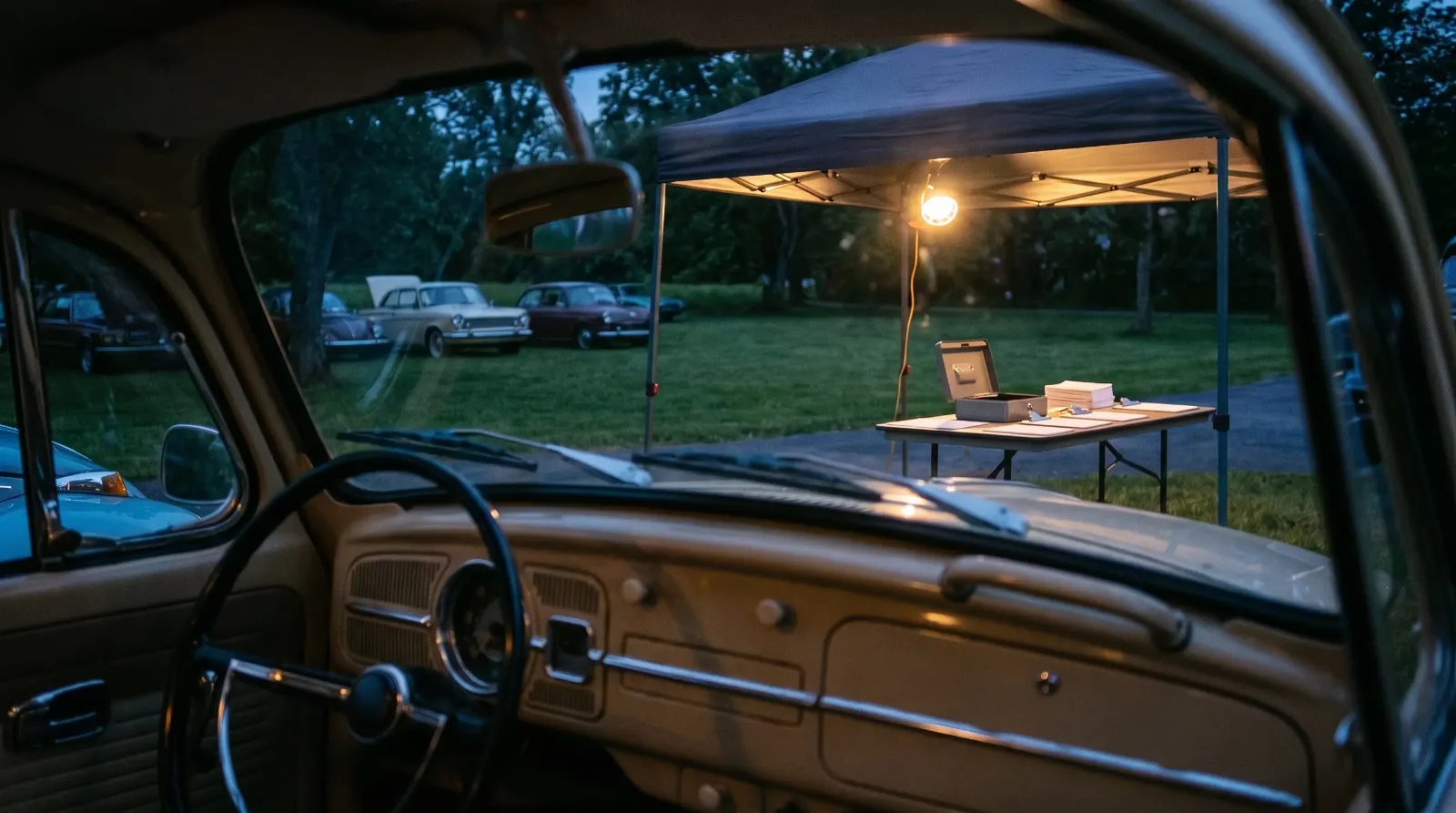
Set the registration table where every driver will see it from the entrance. Hand each car a placard with the year, make, model and owner's name, and a line for anything the owner wants people to know. Those placards do half the talking for shy owners. Put volunteers in bright shirts at the gate to wave cars into rows.
Keep the awards light the first year. The Rockburn show in Maryland runs with no formal classes at all, just a handful of awards such as Best American, Best Import, People's Choice and Best of Show. SEMA suggested a few large trophies for the top honors and more small ones, and the Jalopnik writer advised announcing the trophy time in advance and handing them out from one central spot. People wait for that moment. Give it to them on schedule.
Think about a corner for cars with for-sale signs. Rockburn charges for a cars-for-sale space, and those owners often want help reaching buyers after the show ends. Some organizers point them to an online listing through a referral link on the show page or in the follow-up email, and some referral programs pay a commission when a listing is bought through that link; the guide to automotive affiliate income explains how those programs work. If you share a link like that, disclose it clearly next to the link, as the FTC requires.
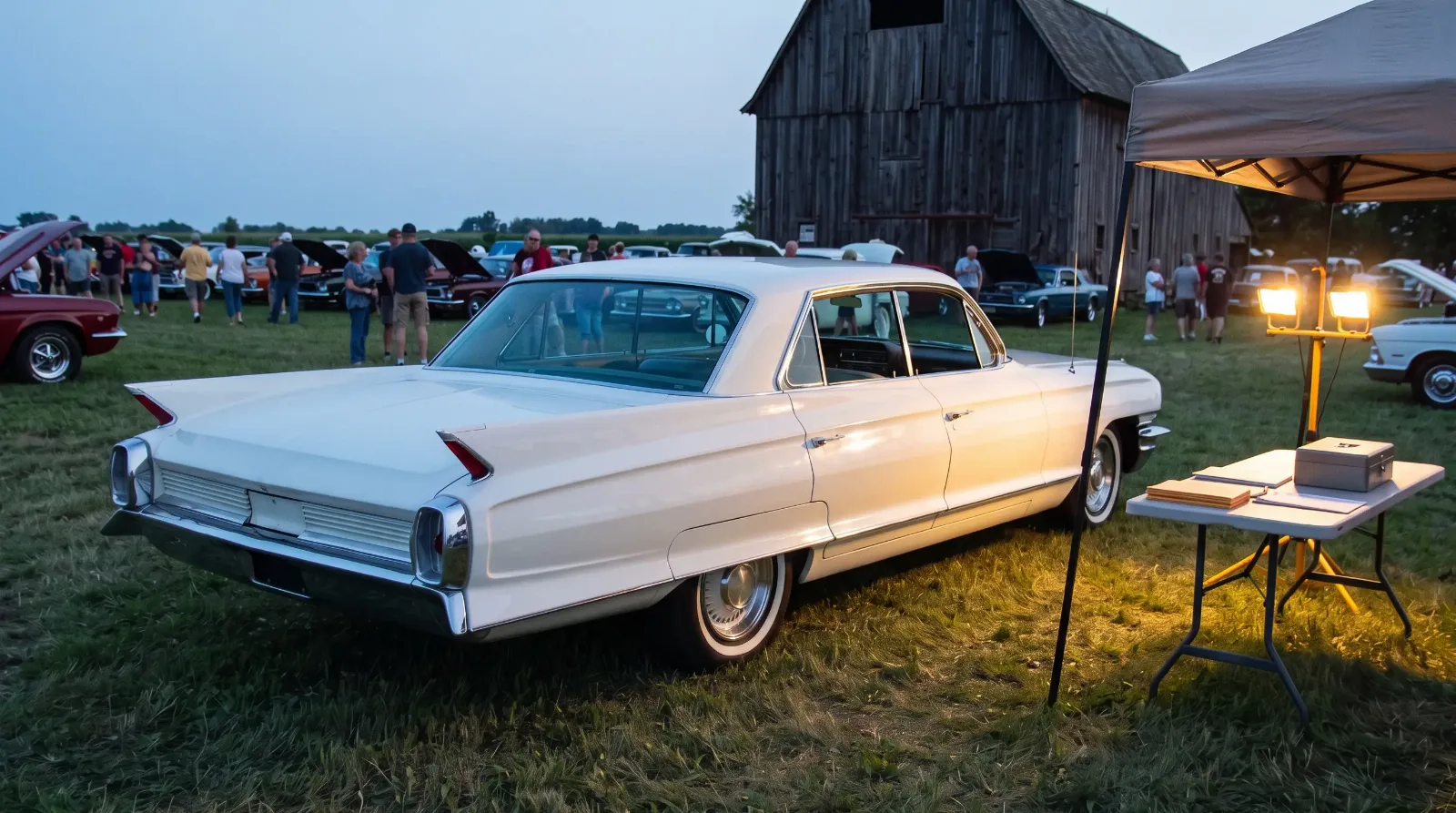
When the last car pulls out and the lot is empty again, take a minute. Count what came in, write down what went wrong, and thank the owner of the ground. A first show is the start of a habit, and in a lot of towns it grows into something steadier, the kind of weekly gathering with its own cruise night culture. It begins with one table and one clipboard.
Sources and notes
- Jalopnik: how to organize a car show (2013), venue permission, police notice, trophy timing
- SEMA eNews (2010): key tips for producing a successful car show, permits, break-even count, pre-registration
- Howard County, MD: Rockburn Open Car Show 2026, entry fees and awards
- Lakes Region Chamber: Lakes Region Rotary Charity Car Show 2026 listing
- City of Seattle Special Events Office: insurance requirements
- City of San Diego: special events permit timing and fees
Entry fees are the 2026 figures published by each show; Seattle and San Diego requirements as read on October 19, 2026. Other figures come from the Troop 6 (Peconic, NY), Fairfax (VA) and R.E. Olds Museum (Lansing, MI) event pages.
Related Reading
Have a
Classic Car
for Sale?
Reach thousands of serious classic car collectors across the US.
Sell It Here →
Are You a Classic Car Dealer?
List your full inventory and connect with targeted classic car buyers.
Join as a Dealer →
#car show
#how to start a car show
#local car show
#car show entry fees
#car show planning
#event permits

About the author
Nora Beckett
Automotive features writer and photographer who tells the human stories behind the cars, from show fields to cross-country road trips.
More in Ownership & Lifestyle
Comments
Be the first to comment on this article.