
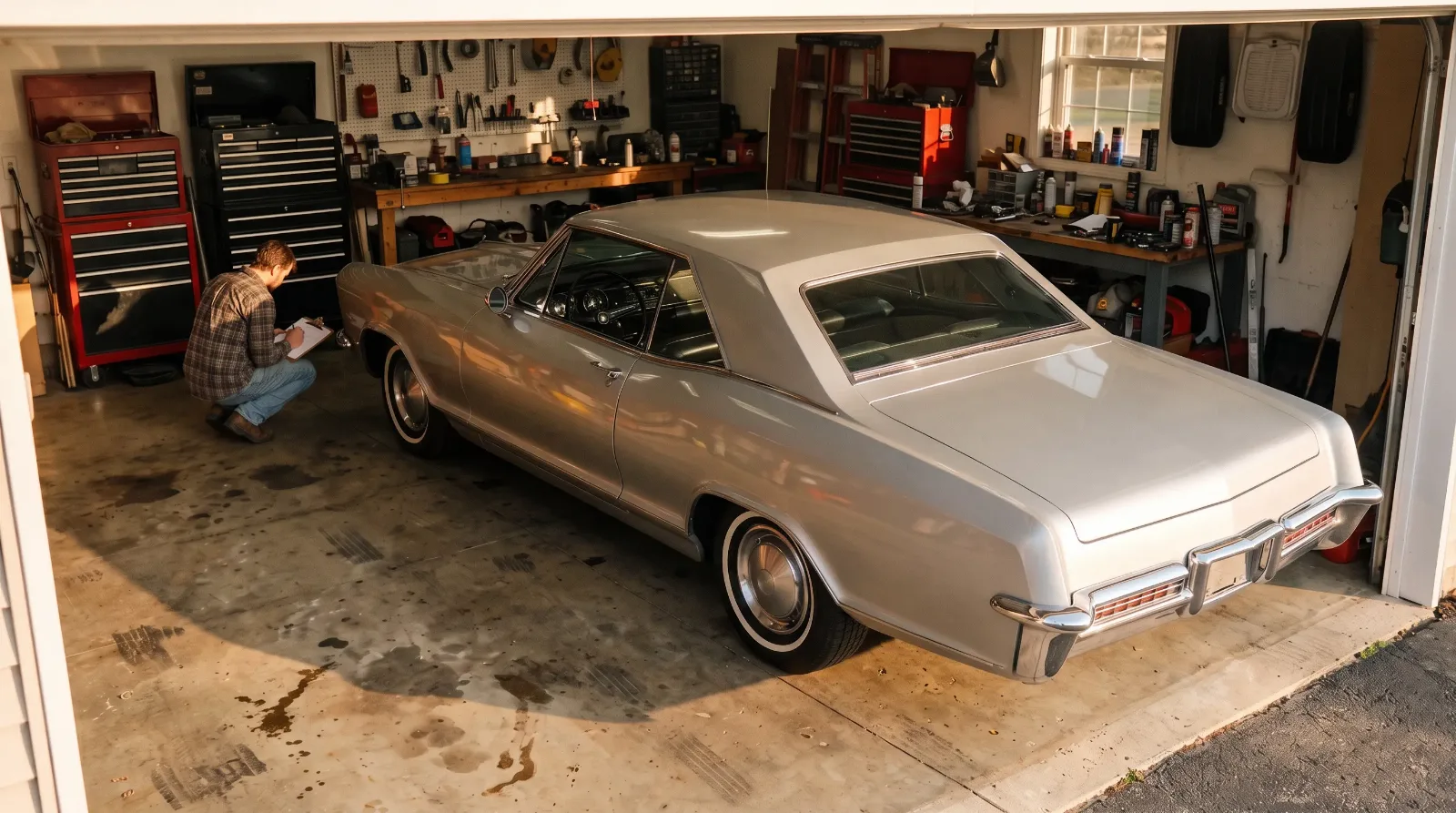
A pre-purchase inspection report is a set of observations about one car on one day, written by someone with no stake in the sale. That last part is the point. The seller's description tells you what the seller believes, or hopes, about the car. The inspection tells you what a trained person found with a lift, a light, a paint gauge and a test drive. For a classic, where rust hides under fresh paint and a rebuilt engine can mean anything, the report is often the only independent evidence a buyer gets before money moves. This guide walks through what a good pre-purchase inspection report covers, what evidence it should contain, where its limits are and how to use it.
Ownership & Lifestyle
7 min read
What a Classic Car Pre-Purchase Inspection Report Covers
What a classic car pre-purchase inspection report covers, the evidence it should contain, where its limits are and what it costs as of 2026.
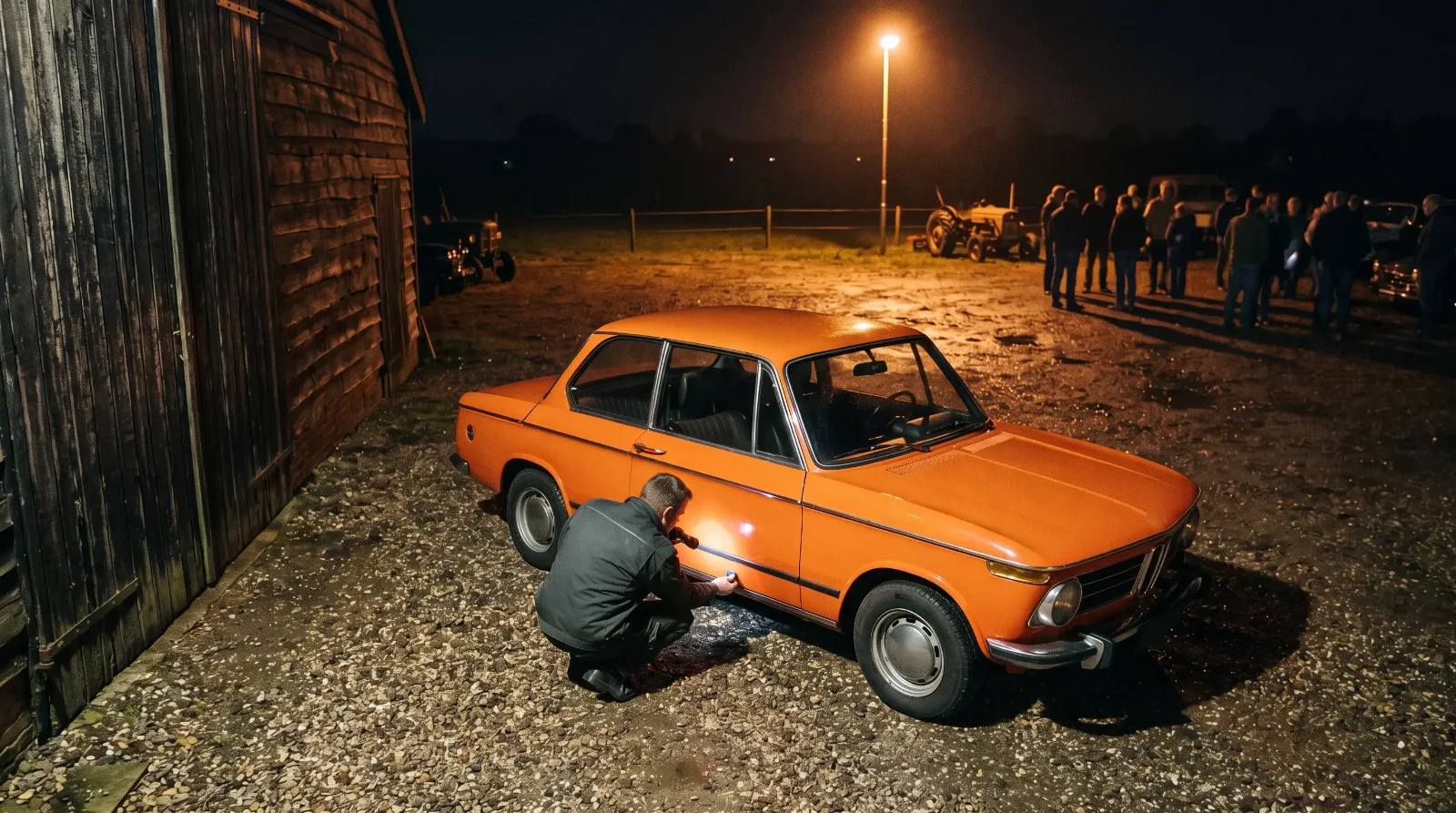
What a pre-purchase inspection report is for
A pre-purchase inspection, or PPI, answers one question: is this car what the listing says it is, and what will it need? It is not an appraisal, although some inspectors offer both and some reports include a market value. An appraisal is an opinion of value, prepared to a standard for a stated purpose. An inspection is a condition record. The two overlap, and the people who do them often overlap too; our appraiser career guide sorts out who does which job.
Independence matters more than any checklist. American Collectors Insurance advises using a neutral licensed mechanic and warns about the conflict of interest when a dealership inspects a car it is selling. A report from someone paid by the seller is a sales document with a different letterhead.
The line items a classic inspection covers
Inspectors use their own checklists, and the totals they advertise vary widely. One firm describes a 365-point evaluation, another an over 350-point condition report. The count says more about how a checklist is split than about how good the inspection is. What matters is whether the following areas are covered, and they recur across the providers and insurer guides on the subject:
| Area | What is checked | Why it matters on a classic |
|---|---|---|
| Body and paint | Panel gaps, fit and finish, paint condition, evidence of collision repair | Uneven gaps and paint differences point to past damage or panel replacement |
| Underbody and frame | Frame and sub-frames, floor pans, trunk pan, rocker panels, rust | Structural rust is the most expensive problem to fix and the easiest to hide |
| Engine and drivetrain | Fluids, leaks, hoses, transmission, steering, exhaust | Leaks and fluid condition show how the car has been kept |
| Suspension and brakes | Wear, function, condition of components | Safety items, and often neglected on cars that sit |
| Tires and wheels | Sidewalls, matching set, tread | Old or mismatched tires are a cost and a safety issue |
| Interior and trim | Seats, door panels, dash, headliner, chrome, stainless, lenses, emblems, glass | Correct trim can be hard to source |
| Electrical and controls | Switches, levers, lights, gauges | Electrical faults on old wiring can be slow to trace |
| Flood and water | Smell of mold or mildew, signs of water | Water damage spreads into wiring, floors and upholstery |
| Road test | How the car starts, drives, stops and shifts | Many faults only show under load |
| Documents | Title, VIN, repair receipts, identifying numbers | Confirms the car's identity matches its paper |
The smell check sounds unscientific. It is not. Mold and mildew have a distinct odor that survives a cleaning, and American Collectors lists it alongside panel gaps and fluids.
The evidence inside the report
A checklist with ticks is an opinion. A report with evidence is something you can check. The better reports carry four kinds of it.
Photographs. Advertised counts run from 30 to 50 high-resolution photos at one northern California appraiser to over 100 at other firms. More is not automatically better. What you want is a photo of every problem the text mentions, plus the underside, the engine bay and the identifying numbers.
Paint gauge readings. One provider includes a paint gauge reading schematic, a diagram of the car with a thickness reading at each panel. The principle is simple. Factory paint has a roughly consistent thickness across the body. A panel that reads much thicker than its neighbors has extra layers on it, which means a repaint, and possibly body filler underneath. A thin reading can mean the paint has been polished through. The schematic turns "the paint looks good" into numbers you can compare panel by panel.
Identifying numbers. Reports for classics should decode the VIN and the other identifying numbers, and some providers include that at no extra charge. Checking that every major component is the original one is a separate and bigger job: one dealer prices a "numbers correct" inspection, with components removed and reinstalled, as an extra on top of its standard package.
Video. Some inspectors add a walkaround and test-drive video. It lets you hear the engine and the gearbox for yourself, which no written description fully replaces.
"Read the photos before you read the conclusion. If the text says minor surface rust and the floor photo shows daylight, believe the photo. A report is only as good as the evidence it lets you check yourself."
Emily Chen
What a report does not tell you
An inspection records what can be seen and tested without taking the car apart. It cannot see inside an engine, behind a welded panel or under a fresh coat of undercoating. A good report says where it could not look. Read that section as carefully as the findings.
Compression and leak-down tests are the nearest an inspection gets to the inside of an engine, and they are often an option rather than part of the base job. One independent shop prices its PPI higher when leak-down and compression results are included. If the engine is the reason you want the car, ask before booking whether those tests are in the quote.
Market value is usually a separate service. Some inspectors include a fair market value in the report, one firm includes a value consultation at no extra charge, and others sell a certified appraisal certificate for insurance or lending as an add-on. If you need a value for a lender or insurer, confirm which document you are getting.
The report also reflects one inspector's judgment, and inspectors make mistakes. That is why professionals carry insurance against them; errors and omissions cover is the policy that responds when a client says a report missed something. For a buyer, the practical lesson is to read the report's scope and disclaimers before relying on it.
What it costs and how to use the findings
Prices are set by each firm, and the range is wide because the jobs differ. As read on the firms' own pages on 2026-10-19:
- Lemon Squad's classic inspection: $329.99, with 40 or more photos, for cars 2006 or older.
- A Kentucky-area firm: from $349, with over 100 photos, video and a buy, walk or renegotiate recommendation.
- A northern California appraiser: $399 base plus a mileage charge, with a written road-test and condition report.
- A Nevada dealer's full package: $1,500, including ground transport to the mechanic, a 10-page evaluation and a written appraisal valid for insurance.
American Collectors Insurance puts the typical cost at a few hundred dollars. Prices vary by region, travel distance and the car, so get a written quote for the specific car.
Once the report is in hand, the choices are simple: buy, renegotiate or walk away. Repairs the report identifies can be priced and used in the negotiation; structural rust or a mismatched identity is usually a reason to walk. If you buy a car far from home, the next call is to a transporter, and the trade behind that call is covered in hauling classics for a living.
For readers on the other side of the clipboard, the work of writing these reports is covered in the details of becoming an inspector. Either way, the standard is the same: a report you can check beats a report you have to trust.
Sources and notes
- American Collectors Insurance: pre-purchase inspections
- Lemon Squad: classic car inspection, price and scope as of 2026-10-19
- Auto Appraisal Group: classic car inspection report contents
- American Classic Appraisals: PPI price and inclusions as of 2026-10-19
- Nevada Classics: full-service collector car inspection as of 2026-10-19
- Rennsport KC: pre-purchase inspections with leak-down and compression testing
Related Reading
Have a
Classic Car
for Sale?
Reach thousands of serious classic car collectors across the US.
Sell It Here →
Selling a classic? Here's how: sell my classic car
Are You a Classic Car Dealer?
List your full inventory and connect with targeted classic car buyers.
Join as a Dealer →
#classic car inspection
#buying a classic car
#car inspector
#pre purchase inspection report
#PPI
#paint gauge

About the author
Emily Chen
Bay Area engineer with a deep focus on vintage Japanese and European performance cars. Approaches classic car research and restoration with an analytical eye.
More in Ownership & Lifestyle
Comments
Be the first to comment on this article.