
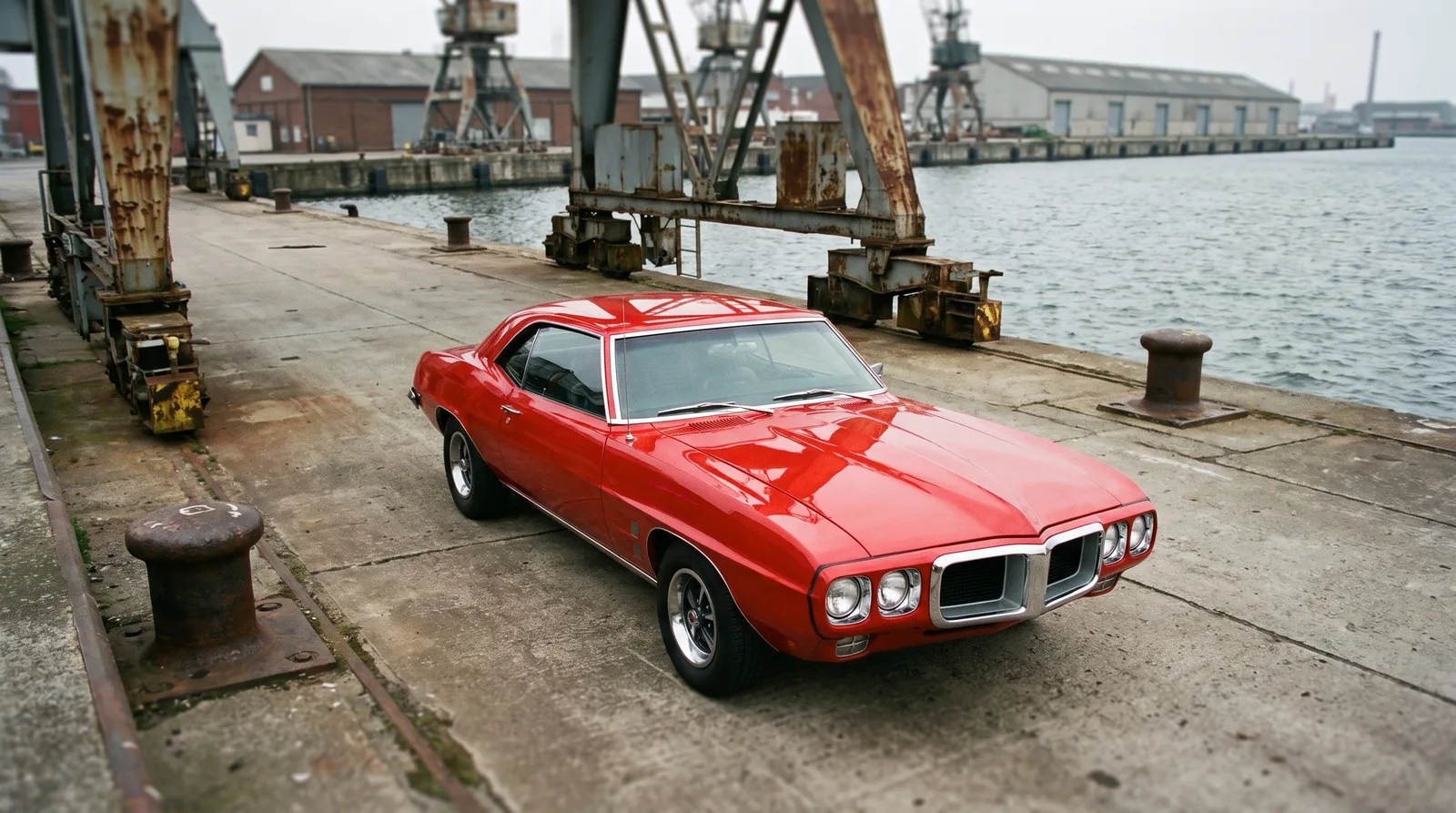
Ask ten dealers about the best time to sell classic car inventory and nine will say spring. They are mostly right, but "spring" is doing a lot of work in that answer. The real pattern is narrower and more useful than that: buyer attention builds from late winter, peaks around the first reliably warm weekends, and fades once people are busy driving what they already own. Sellers who understand the shape of that curve list early and sell into the peak. Sellers who wait for the first sunny Saturday to start taking photos usually arrive just as the competition does.
Market & Values
8 min read
Best Time of Year to Sell a Classic Car
When to list a classic for the best price: the spring window, the auction calendar, which cars sell best in fall, and when waiting costs too much.
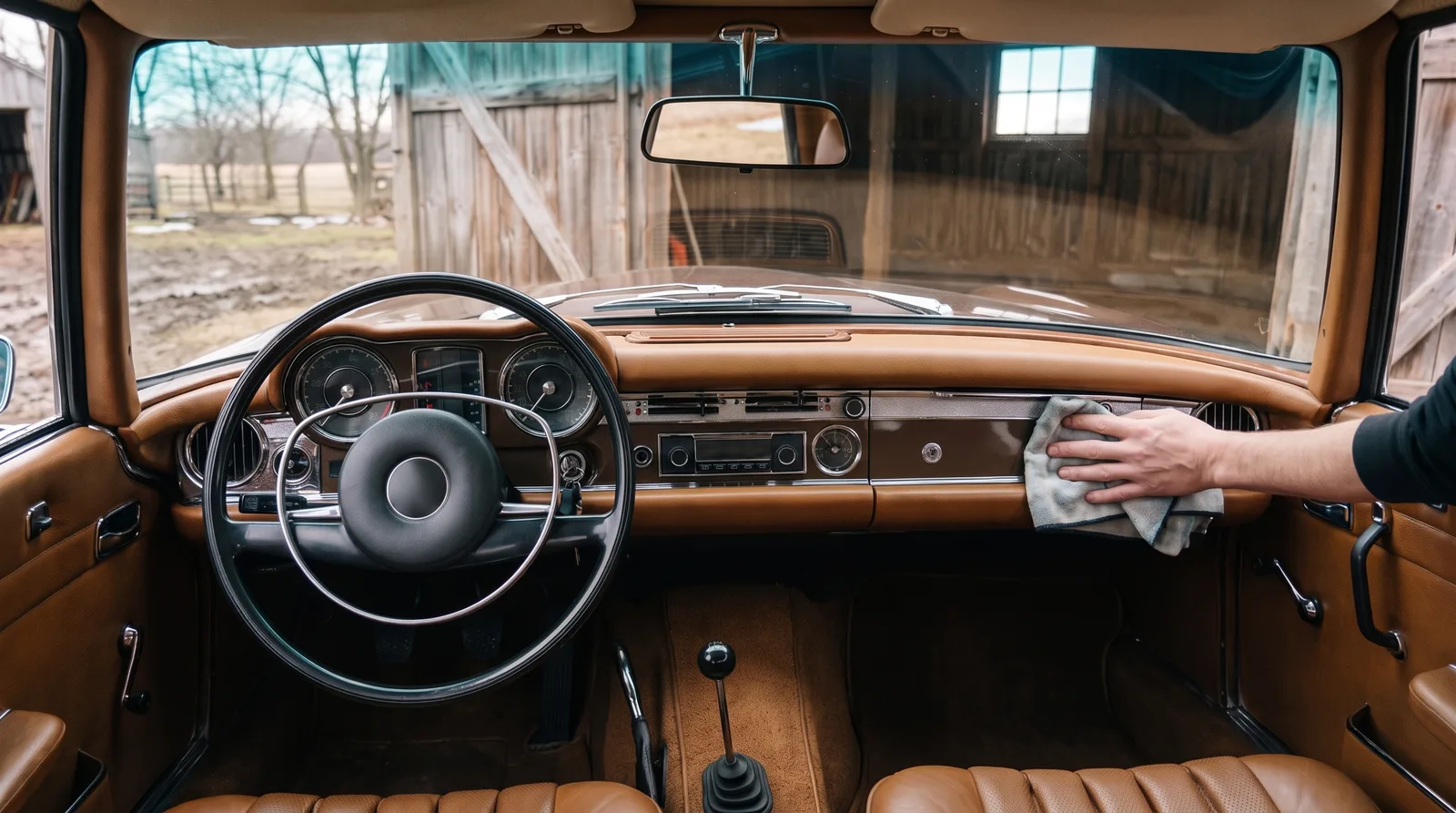
Timing is a second-order decision, though. The method you sell through sets most of your result, and the calendar adjusts it at the margin. If you haven't chosen a method yet, our private sale, auction or consignment guide lays out those trade-offs. What follows assumes you know how you are selling and want to know when.
Why the calendar moves the price
Collector cars are discretionary purchases tied to weather and leisure. That gives the market a seasonal rhythm that a commuter-car market doesn't have. Three forces drive it.
The first is use. A buyer in Ohio in January is buying a car to look at in a garage for three months. The same buyer in April is buying a car to drive this weekend. The second is cash flow. Year-end bonuses land in December and January, and tax refunds arrive through February and March, which puts discretionary money in buyers' hands right before driving season. The third is supply. Owners also think seasonally, so a good share of them list at the same time, and the extra buyers in spring are partly offset by extra cars.
Net, my estimate is that a well-presented driver-quality car listed into the spring window can bring something like 5 to 10 percent more than the same car offered in November or December. That is my estimate from watching asking and selling prices over many seasons, not a published statistic, and the effect shrinks for rare, top-condition cars whose buyers shop year round.
The selling year, season by season
Here is how I read the private-sale calendar for most of the US. Treat it as a pattern, not a rule. A rare car with a deep buyer pool can sell well in any month.
| Window | Buyer demand | Competing listings | What it means for sellers |
|---|---|---|---|
| January to February | Building, serious shoppers | Low | Best time to list, photograph and get the car ready ahead of the rush |
| March to May | Peak for convertibles, drivers, muscle cars | High and rising | Strongest pricing if you are already listed; crowded if you are late |
| June to August | Steady, softer by midsummer | Moderate | Buyers are out driving; fewer calls but motivated ones |
| September to October | Second, smaller bump; strong for projects | Rising as owners avoid storage | Good for project cars and trucks; more price competition on drivers |
| November to December | Thin, holiday-distracted | Low | Fewer buyers but little competition; patient sellers can still deal |
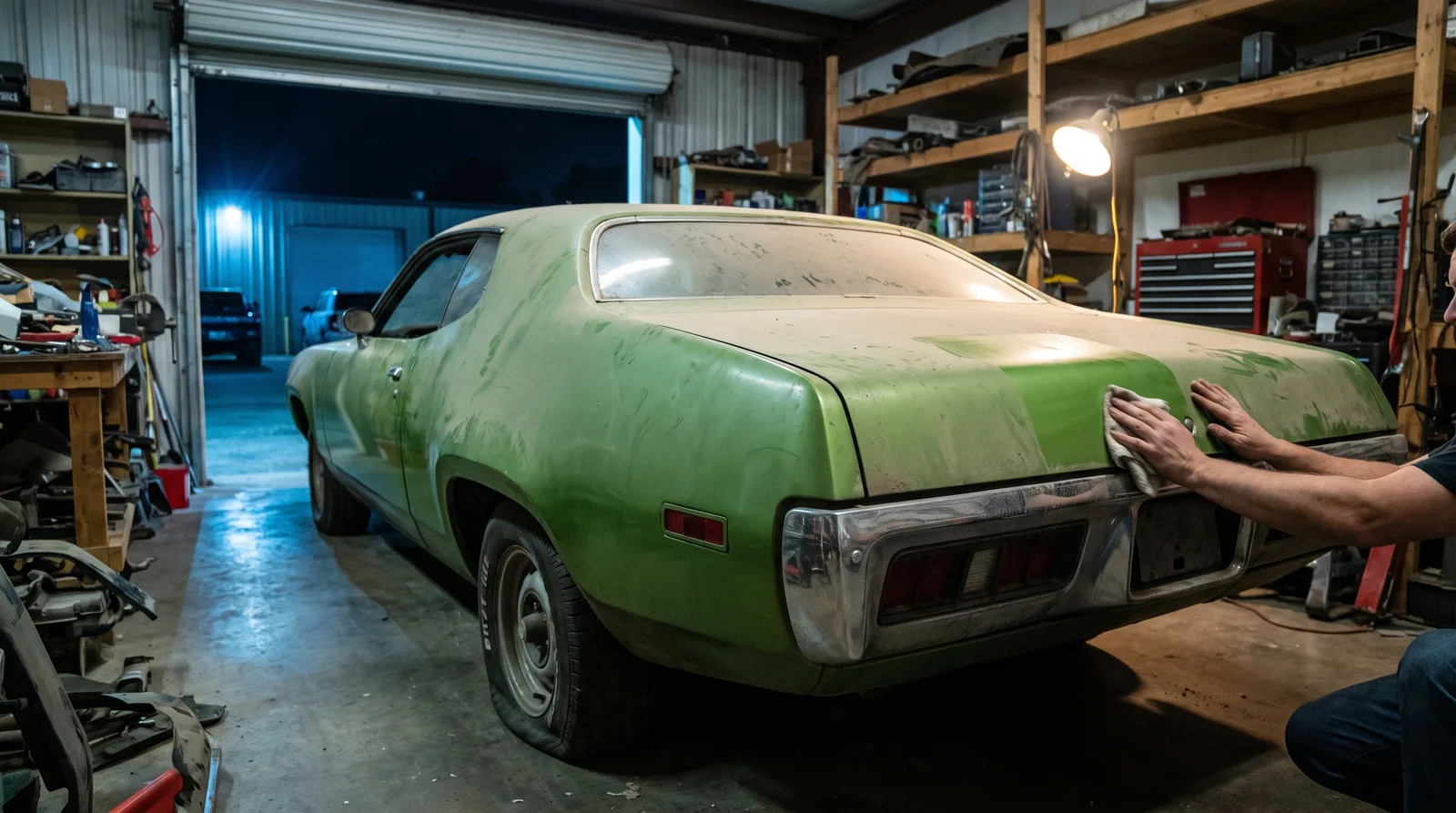
The practical takeaway is in the first row. Most sellers think of January and February as dead months. They are prep months. Photos taken in a heated shop in February look the same in a listing as photos taken in April, and a listing that has been live for six weeks when the weather turns has already collected its inquiries.
The auction calendar runs on its own clock
Live auctions don't follow the weather so much as their own schedule, and that schedule is concentrated. January brings Scottsdale, where Barrett-Jackson runs its flagship sale (nine days for 2027, January 23 to 31) alongside several other houses, and Mecum's Kissimmee sale, which Mecum bills as the world's largest collector car auction, with around 4,500 vehicles offered over nearly two weeks in January 2026. Amelia Island follows in early March, Mecum's Indianapolis Spring Classic in May (about 3,000 vehicles in 2026), and Monterey Car Week in mid-August, ending with the Pebble Beach Concours, where the high-end sales set the tone for the top of the market.
The catch is lead time. The big houses take consignments for months before a sale and give out lot numbers and run times as cars come in, so the best slots go early. If you want your car in front of the January bidders, you are making that decision in the fall. You also pay for the stage: Mecum charges an entry fee of $350 to $1,000, halved for no-reserve cars, plus a seller commission of 6 percent no-reserve or 10 percent with a reserve. Barrett-Jackson takes 8 percent from the seller. Buyers pay their own premium on top, which affects how high they will bid. Online auctions run every week of the year and are much less seasonal, though summer results can soften when bidders are away from their screens.
"The calendar won't rescue a car that is priced wrong. It adds a few points to a car that is priced right and presented properly. Get those two things done in February and let April do the rest."
David Mercer
Matching the month to the car
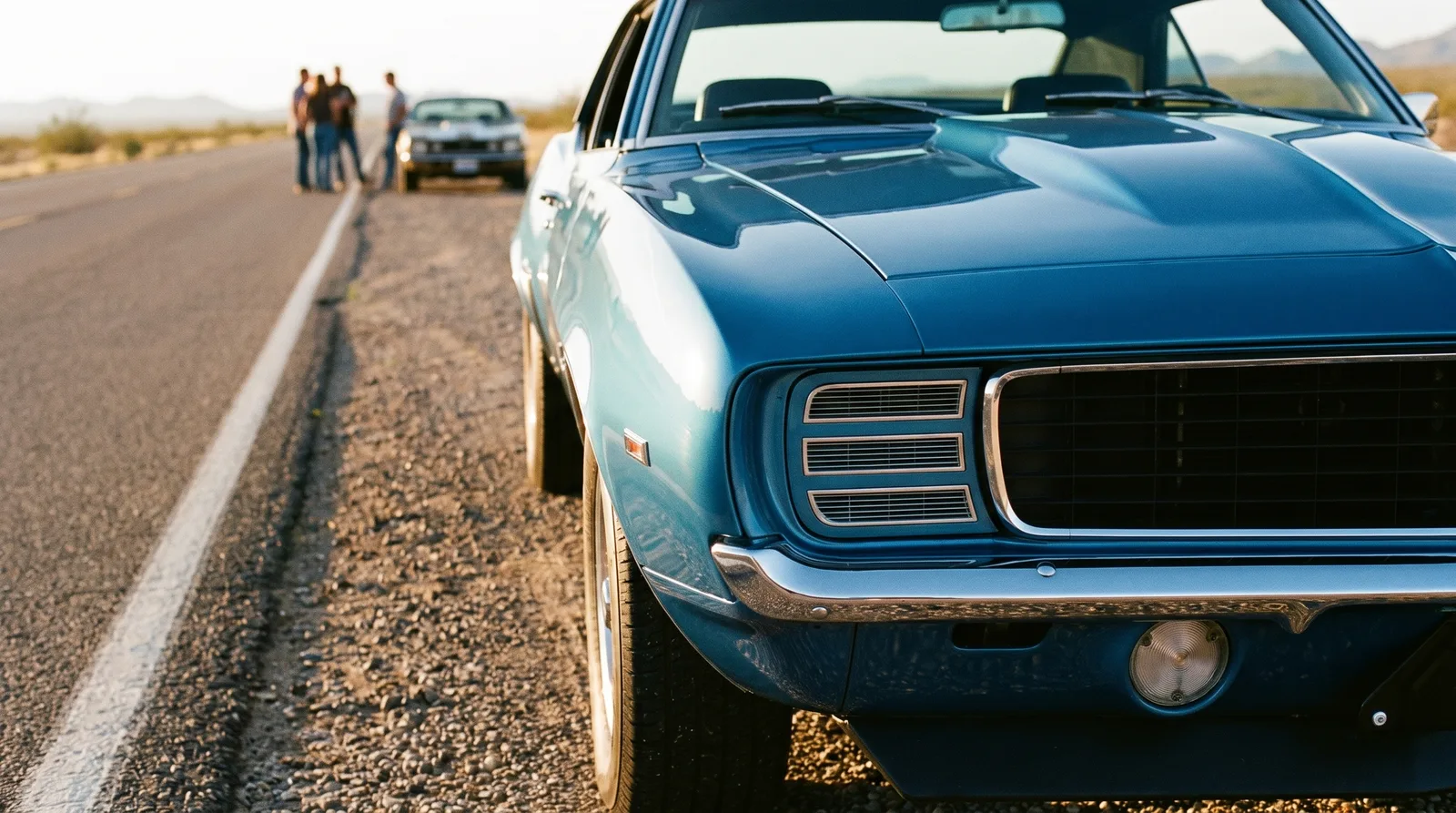
Segment matters more than the averages above suggest. Convertibles and open roadsters are the most seasonal cars in the hobby, and I would not list one in November unless I had to. Muscle cars and driver-quality cruisers follow the general spring curve. Four-wheel-drive trucks and Broncos often do better in the fall, when buyers in snow country start thinking about winter use and hunting season. Project cars sell well from September on, because the people who restore cars want something to work on through the cold months.
Geography shifts the curve too. In the Sun Belt, from Arizona to Florida, the season is flatter and winter can be a strong time to sell, since that is when people are outside and seasonal residents arrive. In the upper Midwest and Northeast, the spring jump is sharper and the winter gap deeper. If your buyer pool is national, as it is for anything listed online, those regional curves partly cancel out.
The buyer pool can also be international. Winter in Michigan is summer in Melbourne, and a European buyer looking at US cars doesn't care much about Ohio weather. In a cross-border deal, the exchange rate and the shipping schedule matter more than the season. If you plan to sell a classic overseas, payment, export paperwork and shipping change the deal far more than the month does.
When waiting costs more than it earns
Seasonality is real, but it is not free. Holding a car from October to April costs insurance, storage, a battery tender, and six more months of exposure to a market that can move against you. If you have to sell, or you already have a fair offer in hand, a modest spring premium rarely justifies the wait. A car listed honestly in December can sell in December.
Market direction matters more than season over a full year. In a softening segment, the November seller who takes a fair price often beats the April seller who waited for a premium that never came. If you aren't sure where your car sits, check recent comparable sales and private asking prices before you set a date. It is also the moment to weigh up the alternatives on where to list, because platforms differ on fees, reach and how long a listing stays live, and those differences matter more in a slow month than a busy one.
For a private sale, the approach I recommend is simple. Prepare and photograph in January or February, list by late February or early March, and price for the market you expect in April rather than the one outside your window. If you list with us, the flat fee starts at $49, there is no commission, and the listing stays up until the car sells, so an early listing doesn't expire in the middle of the busy weeks. The Featured and Premium tiers add newsletter sends to more than 15,000 subscribers who signed up to hear about new listings. When you're ready, you can sell your classic car on a timeline you set yourself.
Sources and notes
Related Reading
Have a
Classic Car
for Sale?
Reach thousands of serious classic car collectors across the US.
Sell It Here →
Are You a Classic Car Dealer?
List your full inventory and connect with targeted classic car buyers.
Join as a Dealer →
#classic car market
#classic car value
#private sale
#classic car auction
#sell a classic car
#seasonal pricing
#convertibles

About the author
David Mercer
Classic car market analyst with two decades of experience tracking collector car valuations, auction results, and investment trends.

Comments (1)
R
rustbelt_rob
3 days ago
One more thing from the collision side. Fall works for 4x4s, sure, but up here the salt trucks are out by mid-November. Buyers want to crawl under a Highboy and see the cab corners, rockers and cab mounts dry. Get it listed and inspected before the first brine run or every spot looks like fresh rot.