
Ask a Chevelle owner if their car is a "special edition" and you will usually get a pause before the answer. Chevrolet never ran a 25th anniversary Chevelle the way it later did with the Camaro, and there was no factory pace car tie-in like the one that put a Camaro on the front straight at Indy in 1969. What the Chevelle got instead was quieter: a string of trim packages and appearance options spread across a decade that, looked at together, tell you a lot about how Chevrolet tried to sell the same platform to five different kinds of buyers at once.
Market & Values
6 min read
Chevelle Anniversary and Special Editions
Chevrolet never built an anniversary Chevelle. Here is what actually counted as a special edition, from the Laguna S-3 to Malibu Classic trim.
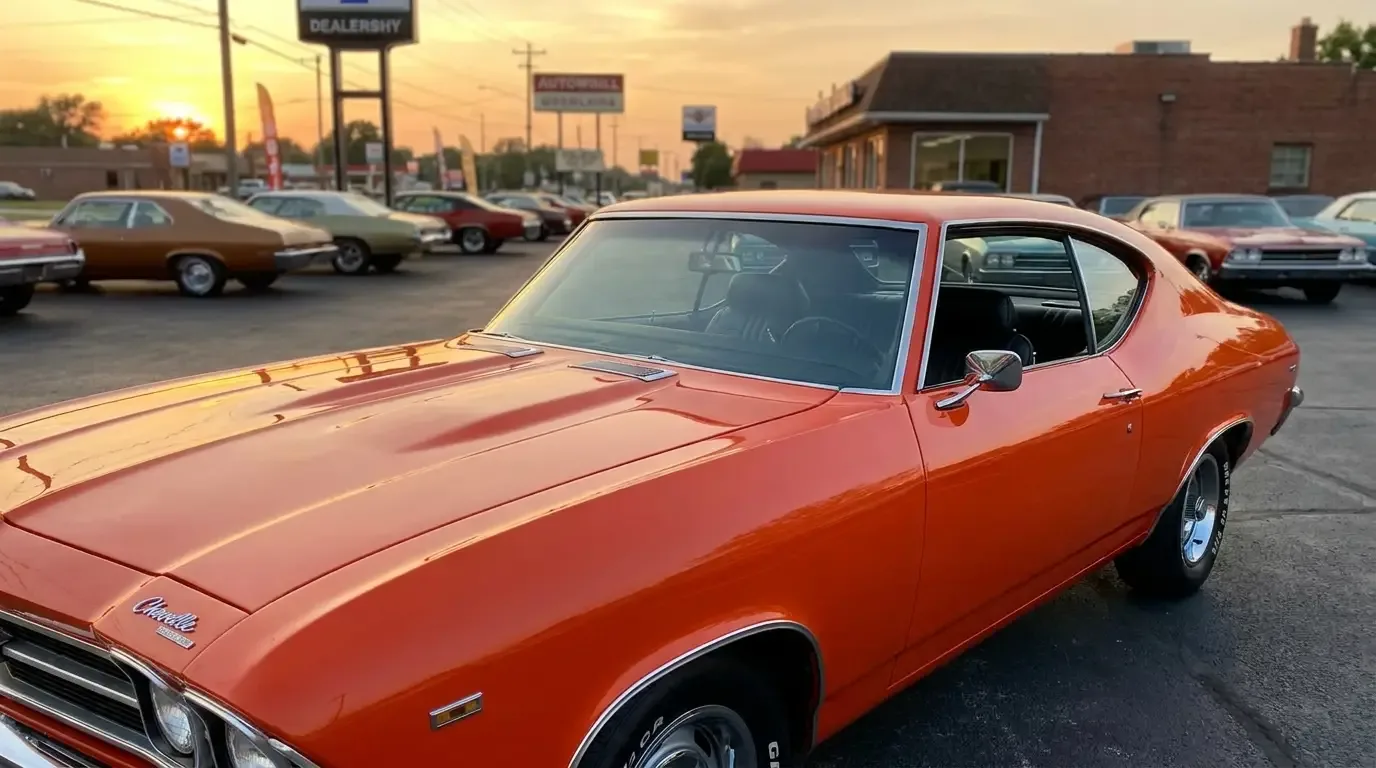
That is worth understanding before you go shopping, because "special edition Chevelle" gets used loosely on listing sites. Some of it is real factory content with an RPO code behind it. Some of it is a dealer sticker package that never touched a build sheet. The difference matters to anyone stepping into Chevelle's collector world for the first time.
Why there was never a proper anniversary Chevelle
The Chevelle arrived for the 1964 model year as a mid-size answer to the compact Chevy II and the full-size Impala, and its job was volume, not ceremony. Chevrolet's marketing energy in the muscle era went to the Corvette and, later, the Camaro, both of which carried nameplate prestige worth celebrating with a milestone package. The Chevelle was a workhorse line. It sold in huge numbers to families, fleets, and performance buyers all from the same body shell, and Chevrolet never built a business case for a limited anniversary run the way it did elsewhere.
That does not mean the Chevelle went without distinction. It means the distinction came through trim hierarchy and performance options instead of a marketing campaign built around a birthday. Understanding that hierarchy is the real way to find something genuinely uncommon.
The trim ladder that did the work of a special edition
From the mid 1960s on, Chevrolet stacked the Chevelle line from plain to plush: base Chevelle 300, then Malibu, then Malibu SS once the Super Sport package became its own thing in 1966, with the wagon-only Concours name riding alongside Malibu trim on the load haulers. The Malibu trim was where Chevrolet put the brightwork, the better cloth and vinyl interiors, and the options a buyer actually wanted to see on a showroom floor. A well-optioned Malibu hardtop from 1968 or 1969, loaded with the console, the gauge package, and the right wheel covers, reads today almost like a special edition even though it carried no unique nameplate.
Malibu Classic and the Laguna S-3: the closest things to a real special edition
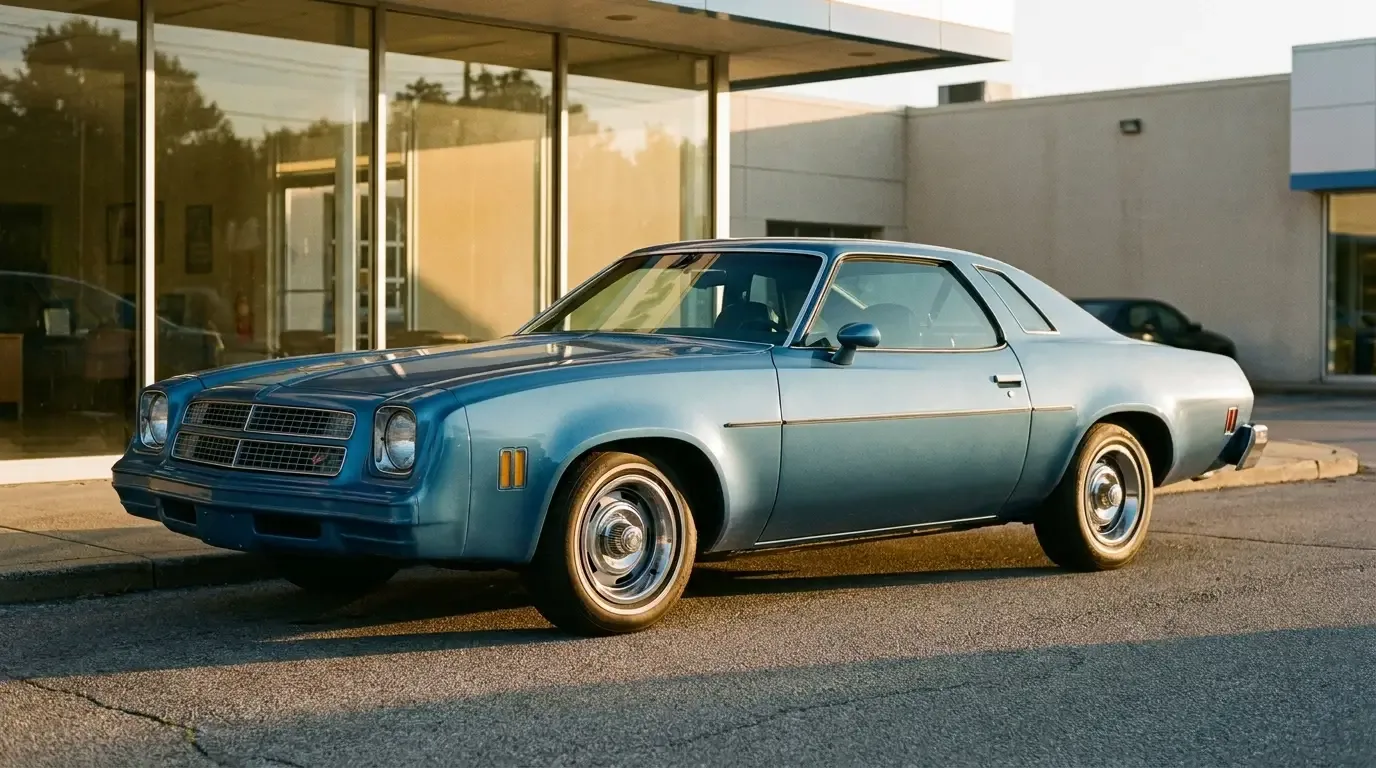
The 1973 restyle brought the biggest attempt at a distinct upmarket Chevelle. Malibu Classic became the plush trim, with a padded vinyl roof, wood-tone dash appliques, and a quieter ride tune aimed at buyers who had graduated out of muscle cars into something calmer. It sold well and it is common today, which keeps values modest, but a well-preserved Malibu Classic Estate wagon with the woodgrain sides is an honest piece of the era that collectors have started paying attention to.
The genuinely distinct model was the Laguna. Chevrolet introduced the Laguna nameplate for 1973 as a plush coupe, sedan, and wagon trim, and then narrowed it for 1974 into the single Laguna Type S-3 coupe, the car most people mean when they say "Laguna S-3." Chevrolet gave the S-3 a body-color urethane nose, most pronounced on the 1975 to 1976 cars, a firmer suspension tune, and real NASCAR ambitions behind it. The urethane nose cut drag well enough that Chevrolet's Cup teams ran S-3 bodies through the mid 1970s against Ford's Gran Torino on the superspeedways, and Cale Yarborough won back-to-back Winston Cup championships driving one. On the street, the S-3 was up against the Ford Gran Torino Sport, the Pontiac LeMans and Can Am, and the Oldsmobile Cutlass 442, and that racing connection is the reason a clean S-3 with the factory sport suspension option and a big-block under the hood commands real interest now. It is arguably the last Chevelle Chevrolet built with a genuine performance mandate behind the trim level rather than just an appearance package. Production tells the same story: 42,941 Laguna coupes for 1973 before the S-3 name existed, then 21,902 Laguna Type S-3 coupes in 1974, a low of 7,788 in 1975, and 9,200 in 1976 as the run wound down.
| Trim or package | Years | What made it distinct |
|---|---|---|
| Concours (wagon) | 1965 to early 1970s | Upgraded wagon trim, not a performance package |
| Malibu Classic | 1973 to 1977 | Top comfort trim, vinyl roof, wood-tone dash |
| Laguna S-3 | 1974 to 1976 (Laguna nameplate from 1973) | Body-color urethane nose, firmer suspension, NASCAR-linked development |
| SS package | 1964 to 1972 | Performance suspension, engine options, unique badging |
Where the SS package fits into the special edition question
The SS package is really its own conversation, one that intersects with rarer factory options covered elsewhere on this site, but it belongs in any honest look at Chevelle special editions because it is the one line that consistently got Chevrolet's attention. From the Z16-optioned 1965 SS396 through the 1970 SS454, the SS package meant real suspension work, real engine choices, and badging Chevrolet actually cared about getting right on the assembly line. If there is a Chevelle equivalent to a milestone edition, it lives inside SS build combinations rather than in a marketing-driven anniversary trim.
"I've talked to a lot of guys who bought their Chevelle new off a dealer lot in Ohio or Tennessee, not because it was some limited edition, but because the Malibu SS in the window looked right and the salesman knew how to option it. That's the real story of these cars. They weren't built for a birthday party. They were built for a Friday night and a Saturday morning, and that's still what makes people fall for one forty years later."
Patrick Walsh
What this means for a buyer today
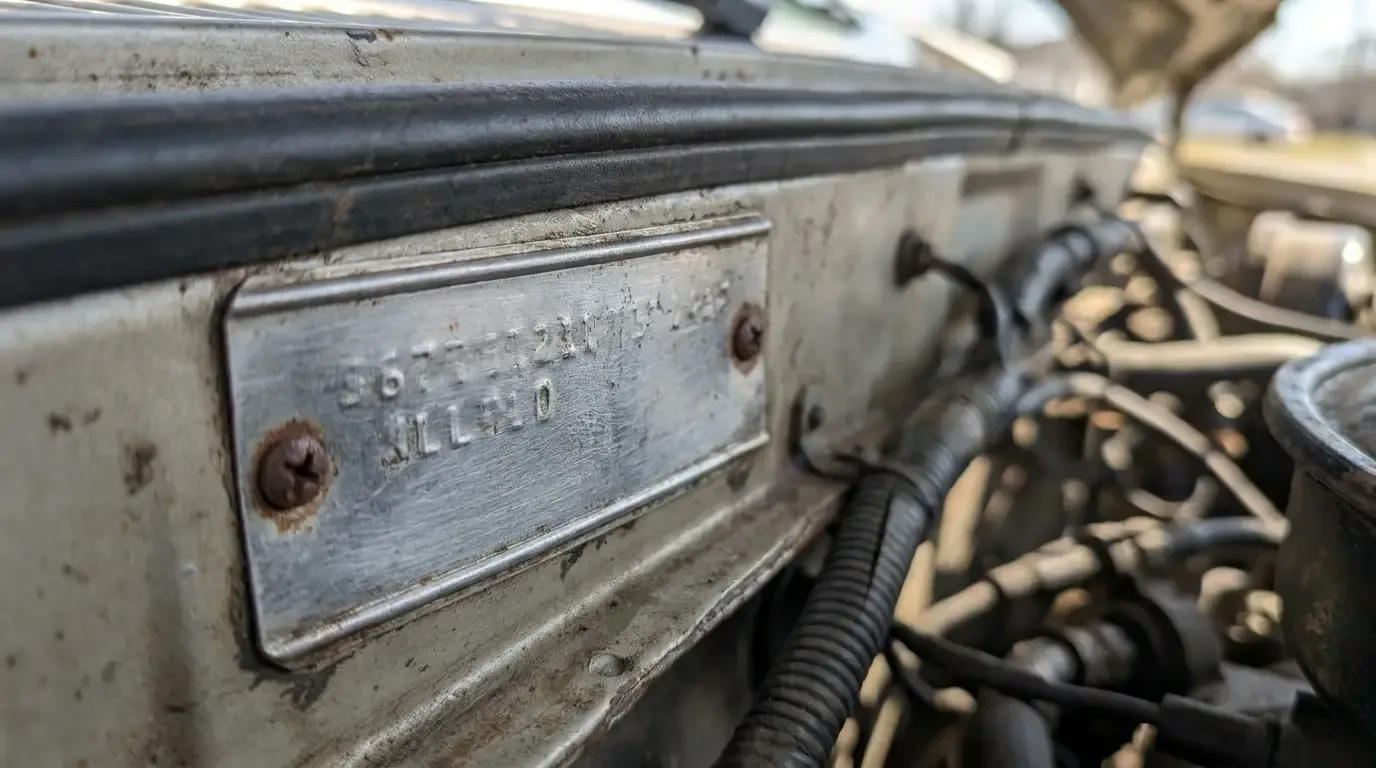
If you are hunting for a genuinely distinct Chevelle rather than a plain badge job, the Laguna S-3 and a documented, well-equipped SS combination are where the real story is. A Malibu Classic wagon has its charm and its own growing following, but it was never scarce. Whatever you find, get the trim tag and options decoded before you pay a premium for "special," because on this platform special was almost always earned through options and race-adjacent engineering, not a one-year anniversary badge. You can view Chevelle inventory here and cross-check any car claiming special-edition status against its actual build content, and if you want the paperwork side of that verification, next: The Build Sheet and Protect-O-Plate walks through exactly how that documentation works.
Sources and notes
Related Reading
Have a
Chevrolet Chevelle
for Sale?
Reach thousands of serious classic car collectors across the US.
Sell It Here →
Are You a Classic Car Dealer?
List your full inventory and connect with targeted classic car buyers.
Join as a Dealer →

About the author
Patrick Walsh
Automotive journalist covering classic car shows, events, and the enthusiast community across North America.
Related Listings - Chevrolet Chevelle
Comments (1)
J
Jimmy Borowski
1 month ago
The section on what a real restoration actually costs is something every buyer should read before deciding a project car is a bargain.