
The Chevelle has quietly become one of the stronger performers in the American muscle segment over the past several seasons, and the interesting part is why. It is not a single headline sale driving the story. It is a broad-based lift across multiple tiers of the model, from solid driver-quality SS396 cars up through documented LS6 convertibles, that suggests real demand growth rather than a speculative spike in one narrow category.
Market & Values
6 min read
The Chevelle Collector Market Surge: An Investment Story
Auction data shows broad-based Chevelle appreciation led by documented big-block SS cars. What's driving it and what buyers should watch.
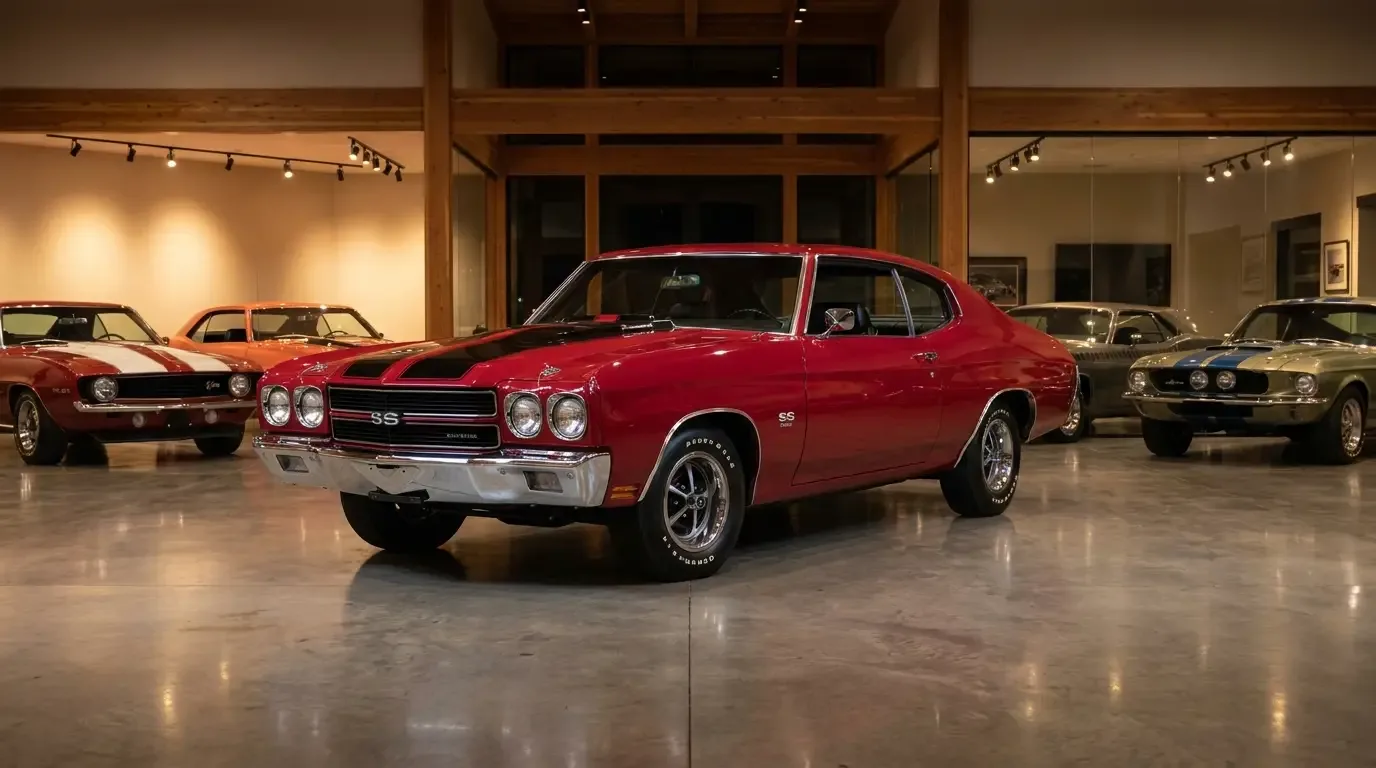
I track auction results across the major houses every season, and the pattern that stands out is consistency. A strong single sale can be a fluke, one determined bidder chasing one specific car. A trend line across dozens of transactions over multiple years, across different sellers and different auction houses, is something else. That is what the Chevelle data has been showing.
Where the growth is concentrated
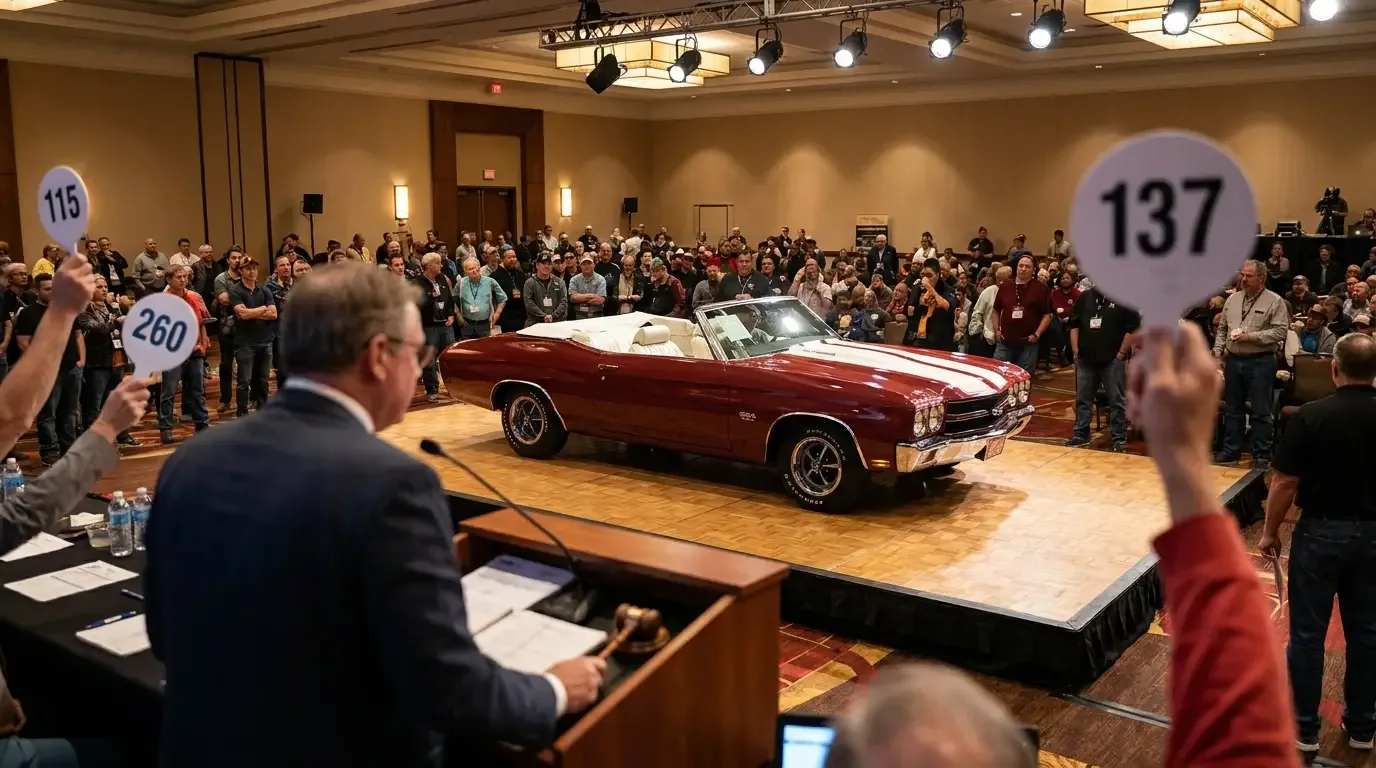
Big-block SS cars, particularly 396 and 454 combinations, have led the move, which tracks with broader muscle car buyer preference for visible, documented performance. Driver-quality examples of these configurations, cars that would have been considered unremarkable a decade ago, have moved up noticeably in the price ranges I see hammer at Mecum Kissimmee and Indianapolis, and at Barrett-Jackson Scottsdale. The broadest gains have come in that middle tier. The very top of the market has actually gotten choppier rather than steadily pulling away: a documented 1970 LS6 that hammered around $220,000 in 2023 went unsold at $130,000 at Mecum Dallas in late 2025, a reminder that six-figure grail cars can sit through a soft session even while the driver-quality tier underneath them keeps moving.
Six-cylinder and small-block base-model Chevelles have not seen comparable movement, and that is worth noting because it undercuts the simplistic "everything old is appreciating" narrative. Buyers are being selective. They are chasing specific configurations tied to performance history and documentation, not generic nostalgia for the body style.
Who is actually buying
The buyer pool has shifted generationally in a way that matters for anyone thinking about this as an investment rather than a purchase. Buyers who came up during the era these cars were new are aging out of active bidding, and the buyers replacing them at the podium are a mix of younger collectors chasing performance history they did not live through firsthand, and investment-minded buyers treating documented muscle cars as a tangible asset class alongside more traditional collectibles.
That second group matters more than people give it credit for. Investment-minded buyers behave differently than pure enthusiasts. They pay closer attention to documentation, condition tier, and comparable sales data, and they are less likely to overpay on sentiment. Their presence in the bidding pool has, if anything, made the market more rational and more dependent on provable facts, which circles back to why documented cars have separated so clearly from undocumented ones in recent results.
Convertibles are outrunning coupes
Body style has become its own variable in the current cycle. Convertible SS Chevelles, always the smaller-production body style relative to the hardtop and coupe, have separated from coupe pricing more sharply over the past few seasons than the historical spread between the two would predict. Part of that is straightforward scarcity, fewer convertibles were built to begin with across nearly every SS configuration. Part of it is a broader collector car pattern that shows up across multiple makes right now, where open-top cars are pulling premium bids at a rate that outpaces closed-body equivalents, likely tied to how buyers use these cars today, weekend driving and show appearances rather than daily transportation.
I would not chase a convertible purely because the spread has widened. A convertible with soft documentation is still a documentation problem first and a body-style opportunity second. But for buyers weighing a coupe against a convertible in similar condition and configuration, the data over the past several seasons supports the convertible as the stronger long-term hold, assuming the price premium at purchase does not erase the projected advantage.
Reading the trend without overreacting to it
Every market surge invites the same mistake: extrapolating a multi-year trend into an assumption of permanent, linear appreciation. That is not how collector car markets behave historically. They move in cycles tied to generational buyer interest, broader economic conditions, and occasionally a single high-profile sale that temporarily distorts expectations for an entire model. The Chevelle's current strength is real and broad-based, but it is not immune to a cooling phase if the broader collector car market softens, which it periodically does.
"I've watched enough of these cycles to know the difference between a fad and a structural shift. The Chevelle move looks structural to me, driven by documentation-literate buyers across multiple price tiers, not one hot niche. That doesn't mean it goes up forever. It means the floor is more solid than it was ten years ago."
David Mercer
What this means for buyers right now
| Segment | Recent trend |
|---|---|
| Documented LS6 / big-block SS, concours-level | Highest absolute prices, but choppier bidding at the very top in recent sessions |
| Driver-quality SS396 / SS454 | Solid, steady gains, broadest buyer participation, most consistent tier right now |
| Documented factory special orders / rare options | Highest premiums but thinnest, least liquid market |
| Base six-cylinder / small-block standard trim | Flat to modest movement, no comparable surge |
If you are buying with an eye toward long-term value, the data favors documented performance cars over base trims, and favors patience over chasing the most publicized headline sale of the season. The gap between driver-quality and concours pricing means there is still room to buy a solid, honest SS car without competing at the top of the market, and that middle tier has historically offered better risk-adjusted upside than chasing the rarest, thinnest-traded configurations at their current peak.
For context on how the Chevelle built the reputation now driving this demand, the Chevrolet Chevelle story covers the model's full run and why certain configurations became the ones collectors chase today. This surge sits squarely within the broader pattern covered in the rare Chevelle story, and if you want to see where current asking prices land relative to the trend data above, you can shop appreciating Chevelle models directly. For a look at how special model-year editions factor into this same appreciation story, see next: Chevelle Anniversary and Special Editions.
Sources and notes
- Autoevolution: 1970 Chevelle SS454 LS6, Mecum Dallas no-sale and price drop
- Hagerty Valuation Tools: Chevrolet Chevelle values
- HotCars: classic Chevrolet muscle cars still affordable in 2026
- Motorious: Chevrolet Chevelle market coverage and listings
- Mecum Auctions: Chevelle sale results by season
- Barrett-Jackson: Scottsdale muscle car auction results
Related Reading
Have a
Chevrolet Chevelle
for Sale?
Reach thousands of serious classic car collectors across the US.
Sell It Here →
Are You a Classic Car Dealer?
List your full inventory and connect with targeted classic car buyers.
Join as a Dealer →

About the author
David Mercer
Classic car market analyst with two decades of experience tracking collector car valuations, auction results, and investment trends.
Related Listings - Chevrolet Chevelle

Comments
Be the first to comment on this article.