
A marque registry is a form of collective memory. Before you buy a classic luxury car, before you restore one, sometimes before you can even establish what a car is, you turn to the people who have spent decades keeping records that no manufacturer bothered to preserve. Classic luxury car collector clubs are not social organizations that happen to know things. They are the primary source for chassis records, coachwork identification, and originality standards, and for many pre-war marques they are the only source that survives. Joining the right one is the least expensive and most useful thing a new owner can do.
Market & Values
6 min read
Collector Clubs and Marque Registries: CCCA, RROC, and the Packard Club
How the CCCA, RROC, and Packard Club registries verify cars, set restoration standards, and protect value, plus how to use them before you buy.
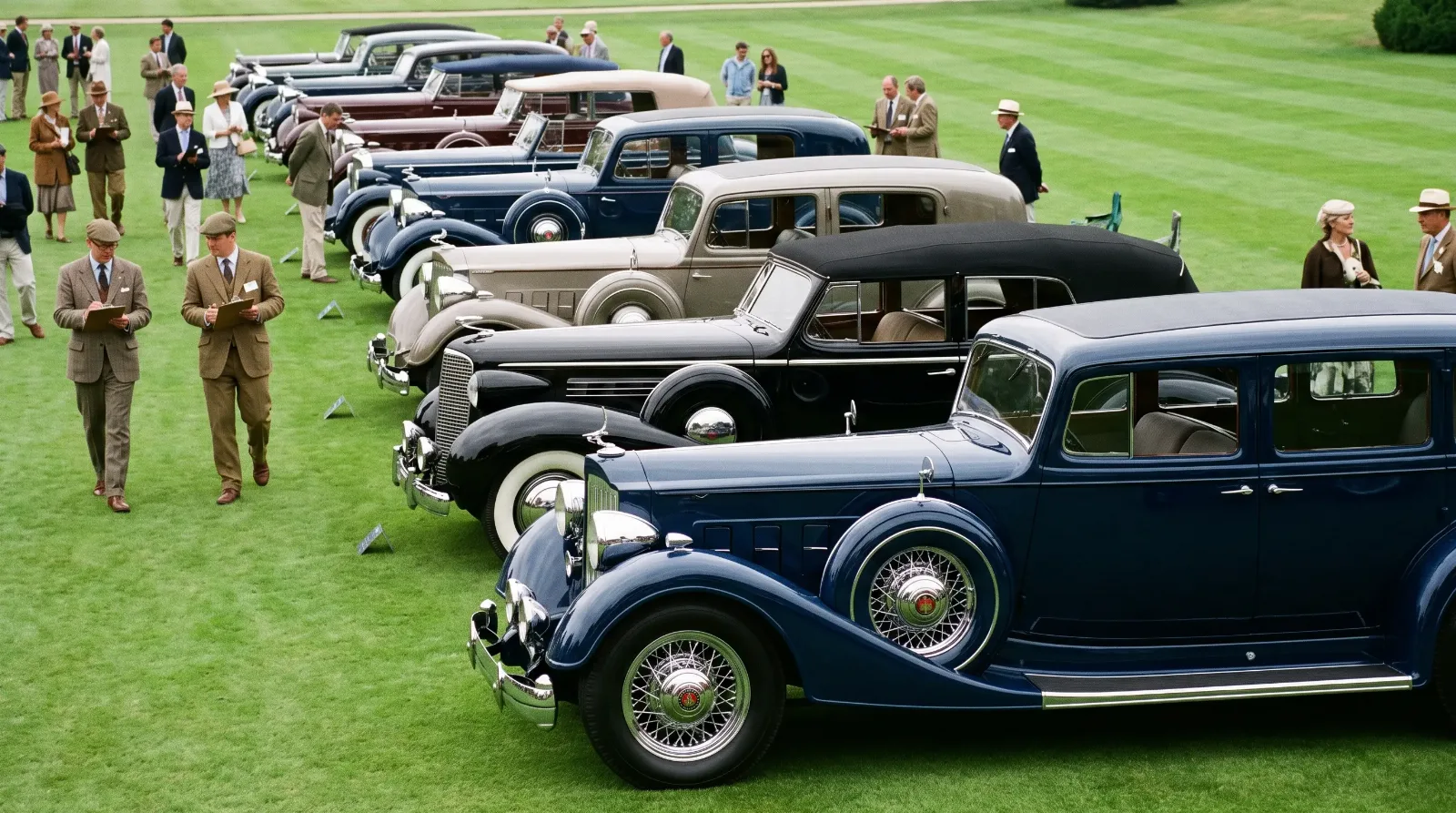
The value is practical, not sentimental. A club with a good registrar can tell you whether the body on your car left the factory on that chassis, what the correct finishes were, and who owned it in 1948. That knowledge protects a purchase and shapes a restoration. It also, quietly, protects value, because a car verified by its registry sells with less friction than one that is not.
The umbrella club: CCCA
The Classic Car Club of America, founded in 1952, defines the term most collectors use loosely. To the CCCA, a Full Classic is a specific list of fine or distinctive automobiles built roughly between 1915 and 1948, and the club's Classification Committee decides what qualifies. That matters because Full Classic status affects eligibility for the club's CARavan touring events and its judging standards, and because the designation carries weight in the wider market.
The CCCA sits above the single-marque clubs. It covers Duesenberg, Packard, Cadillac, Lincoln, Pierce-Arrow, and the great European makes under one roof, which makes it the right first stop if you own or want a pre-war luxury car and are not yet sure which marque registry you need. For the broader arc of how these cars came to be collected at all, the classic luxury car story is the pillar behind this whole subject.
The single-marque registries
Below the umbrella sit the marque clubs, and this is where the deep records live. Each maintains its own registry, judging standards, and technical expertise, and each has members who have spent a lifetime on one make.
| Club | Founded | Covers |
|---|---|---|
| Rolls-Royce Owners' Club (RROC) | 1951 | Rolls-Royce and Bentley, US-based |
| Packard Automobile Classics (The Packard Club) | 1953 | All Packard models |
| Cadillac & LaSalle Club | 1958 | Cadillac and LaSalle, all eras |
| Lincoln Owners Club / LZOC | varies | Lincoln, including K-series and Zephyr |
| Mercedes-Benz Club of America | 1956 | All Mercedes-Benz |
The point of the founding dates above is that these organizations are old, and their archives run correspondingly deep. The Rolls-Royce Owners' Club, for instance, holds extensive chassis records; the Packard Club can often help identify original body and trim specification. That is exactly the expertise you cannot buy any other way.
Each of these clubs runs its own judged events, and the judging standards are effectively published research. A Cadillac & LaSalle Club judging sheet tells you what finish a bracket should wear and which fasteners are correct for a given year, because someone spent years documenting original cars to write it. The Packard Club and the RROC do the same for their marques. When you restore a car to a club's standard, you are not guessing at authenticity. You are following a record that the community has already assembled and tested against surviving original examples.
The clubs also serve a role the market rarely credits: they keep a marque alive between generations of owners. A make with an active registry and a strong technical network holds its knowledge, its parts sources, and its standards. A make whose club has faded loses all three, and the cars become harder to verify and harder to restore correctly. That difference eventually shows up in value, which is why the health of a marque's club is worth checking before you commit to collecting it.
What a registry actually does for you
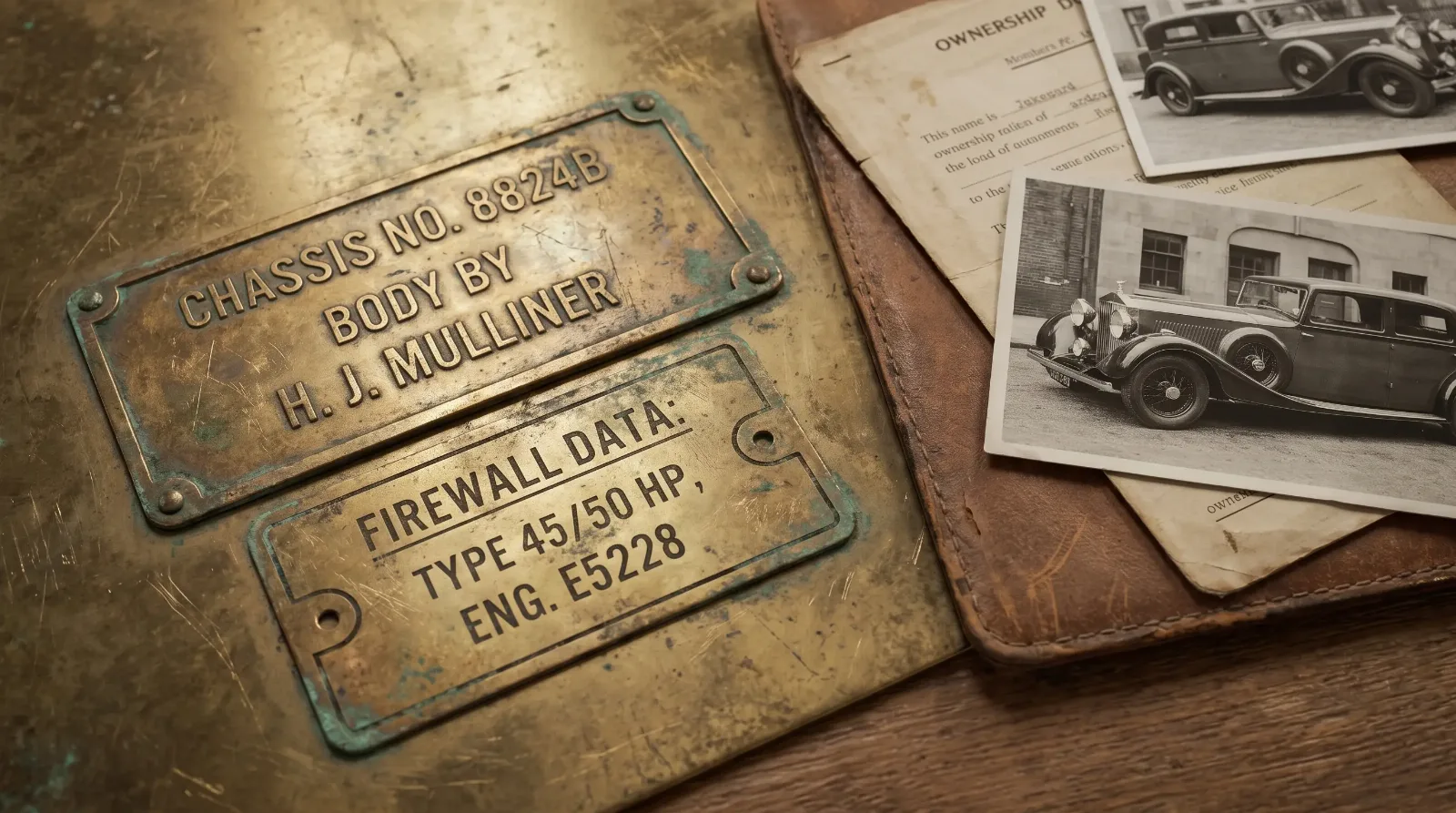
Membership buys access to four things a solitary owner cannot replicate. The first is identification. A registrar who has seen hundreds of examples can spot a wrong body, a replaced firewall, or a chassis number that does not match the records. The second is standards. Club judging guidelines document correct finishes, fasteners, and details, which is the difference between a faithful restoration and an expensive guess. The third is parts and knowledge networks, the members who know where a specific casting or trim piece can still be found. The fourth is provenance, because many clubs maintain ownership histories that add real weight to a car's file.
"When a car comes to me without history, the first thing I do is find its club. The registrar has usually seen the car before, or one just like it, and can tell me in an afternoon what would take me a year to piece together alone. The registry is the memory the factory never kept."
Sarah Whitfield
How to use a club before and after you buy
Join before you buy, not after. Membership fees are trivial against the price of the cars, and a single conversation with a registrar can save you from a bad purchase. Bring the chassis number, photographs, and any paperwork to the club's technical advisors and ask them to check the car against their records. If they hesitate, listen to the hesitation.
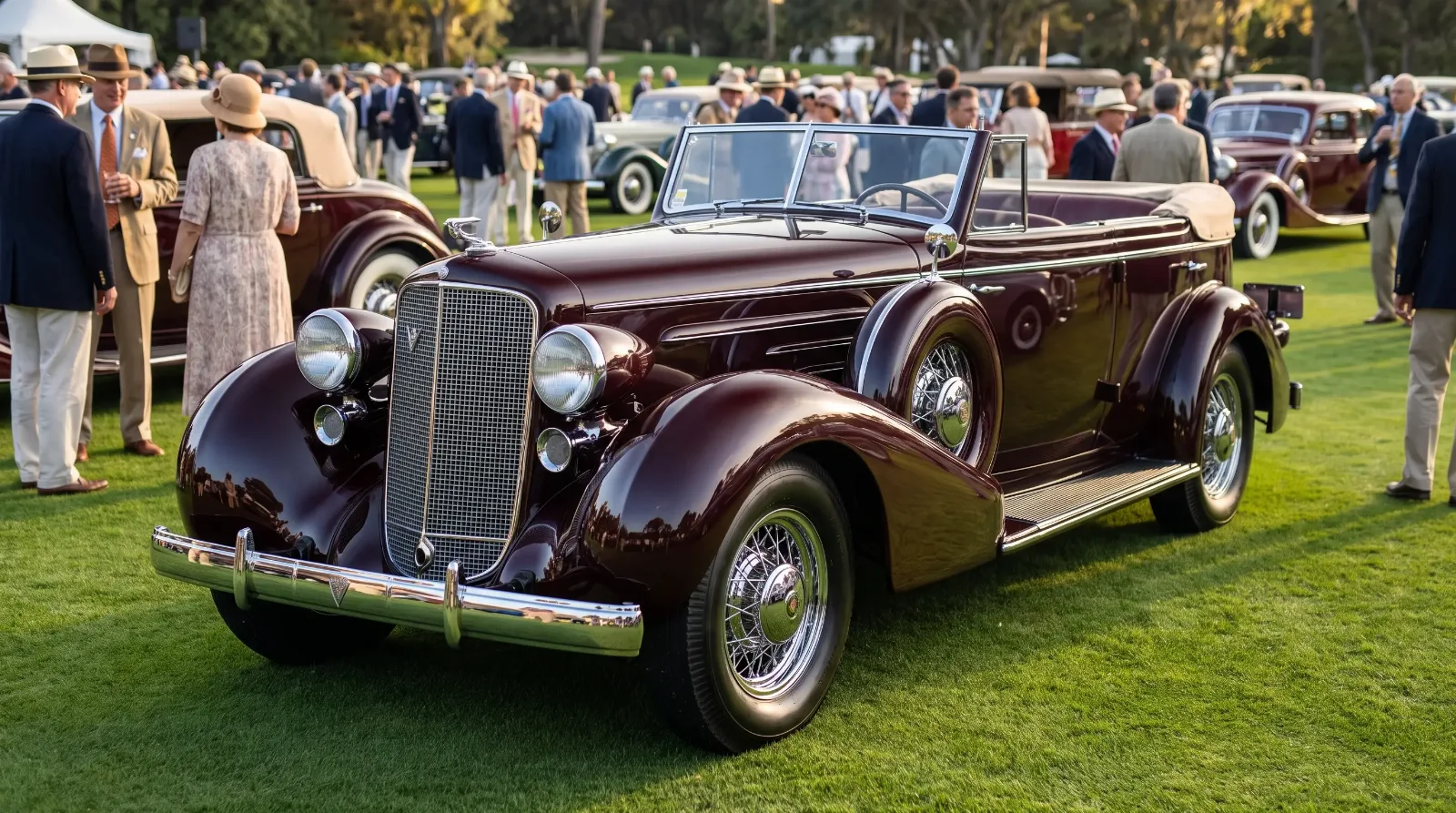
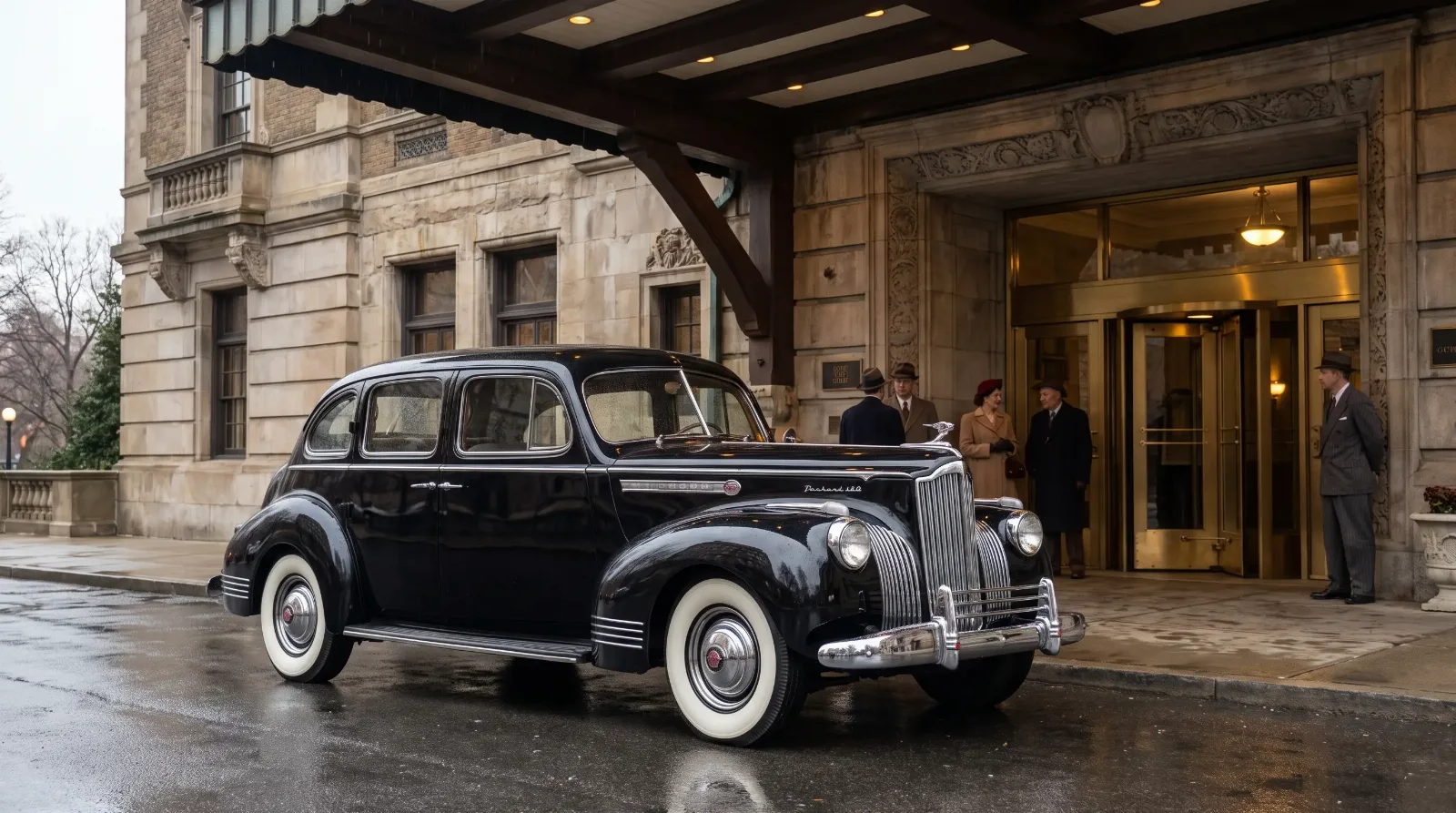
After the purchase, the club becomes your standard for the restoration and your route to the parts and specialists you will need. It also connects you to the wider collecting picture, since the same organizations run the judged meets and touring events where these cars are actually used and valued. For the full ownership context around all of this, restoring and collecting a classic luxury car pulls the threads together. The clubs and their records also feed directly into the paperwork that defines a car's value, which is the subject of the next: Documentation and Build-Sheet Culture in Luxury Classics piece.
Related Reading
Have a
Classic Car
for Sale?
Reach thousands of serious classic car collectors across the US.
Sell It Here →
Are You a Classic Car Dealer?
List your full inventory and connect with targeted classic car buyers.
Join as a Dealer →

About the author
Sarah Whitfield
Third-generation classic car collector specializing in pre-war American and European coachbuilt automobiles. Researcher and concours enthusiast.

Comments
Be the first to comment on this article.