
Restoration is where the romance of a classic luxury car meets the ledger, and the ledger usually wins. I have tracked enough project cars through auction to know the pattern: a beautifully finished restoration sells for less than the owner spent, sometimes far less, while a well-bought original example quietly appreciates with almost no work done to it. That does not mean restoring a classic car is a mistake. It means you have to know which side of the line your car sits on before the first bolt comes off.
Market & Values
8 min read
Restoring and Collecting a Classic Luxury Car
Restoring a classic car rarely pays back what you spend. When restoration makes sense, why originality wins, and how to collect with a strategy.
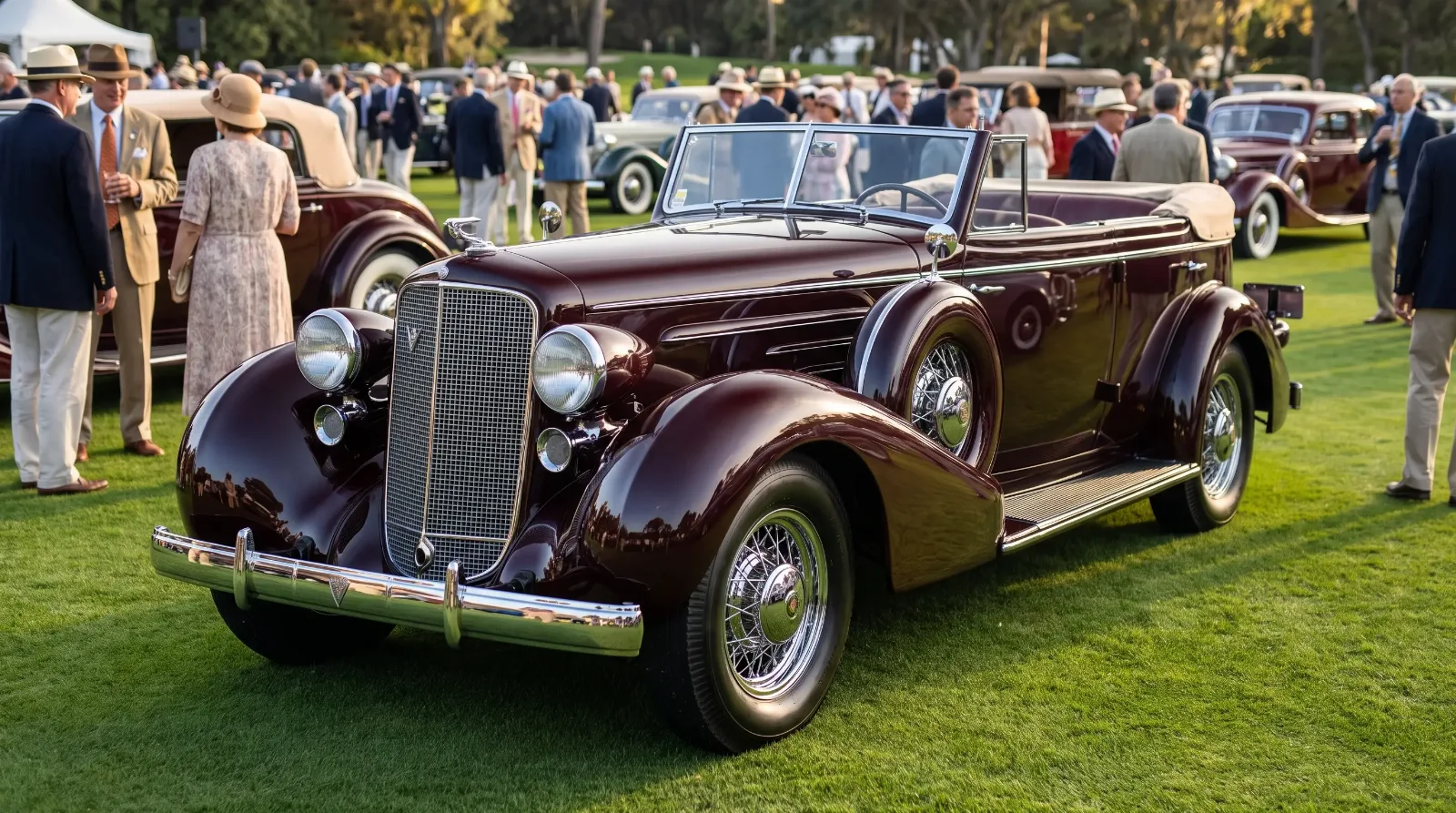
This guide covers restoration and collecting as one subject, because on a luxury car they are inseparable. What you choose to restore, how far you take it, and what you preserve instead all feed directly into value. For the broader picture of how these cars came to matter, this article connects to the story of the classic luxury car.
The restoration cost reality
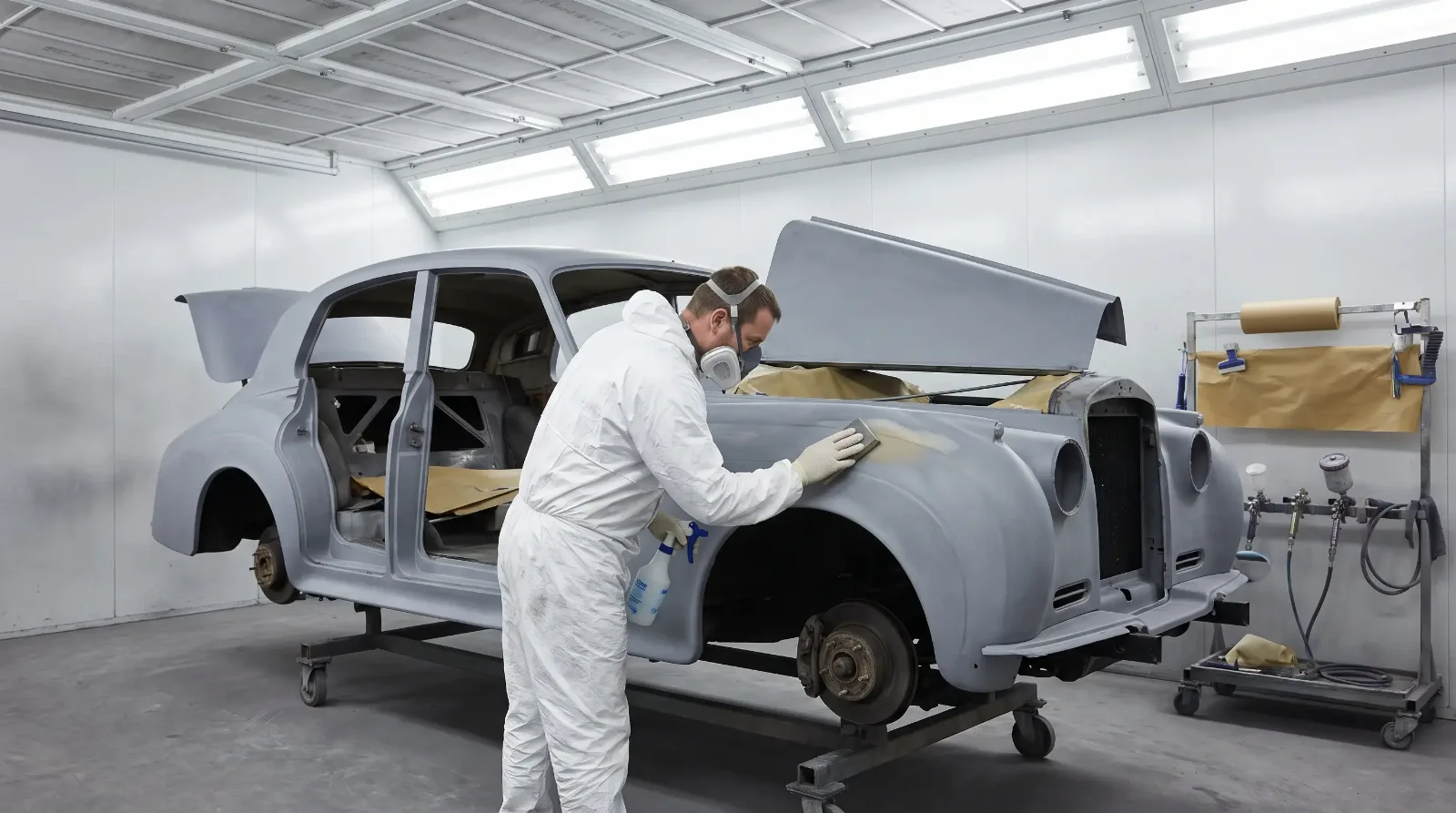
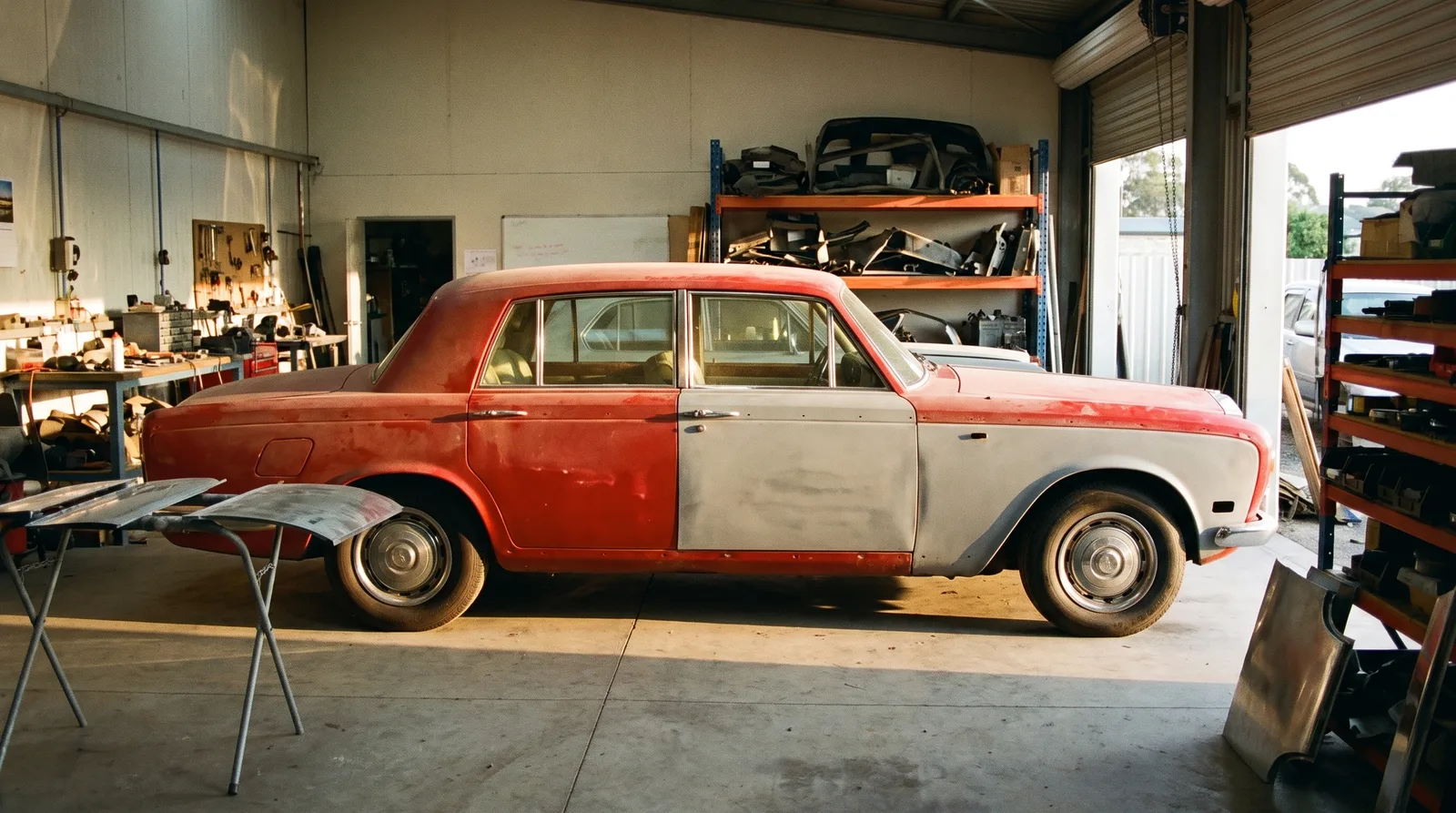
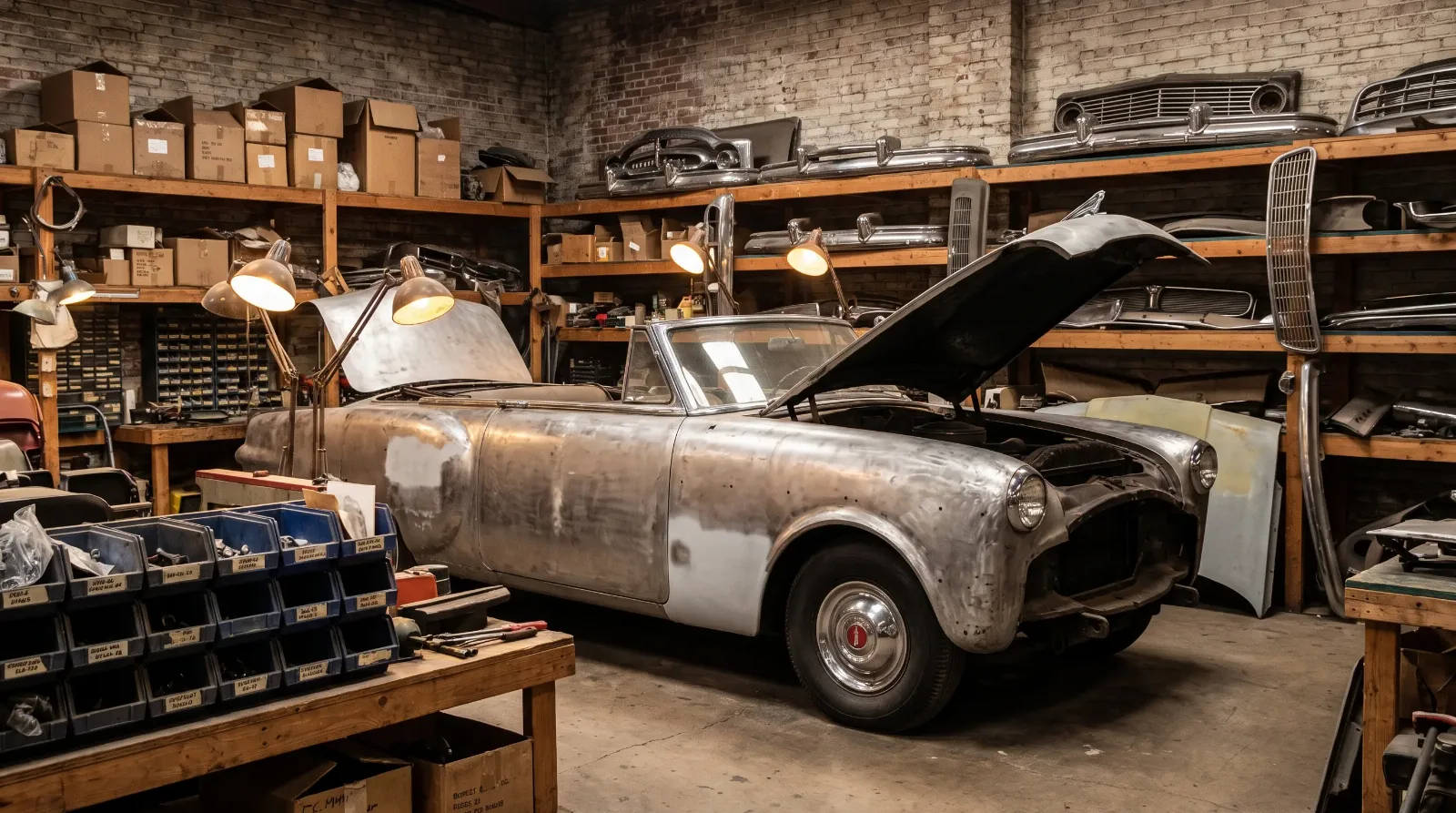
A full nut-and-bolt restoration of a complex luxury car is one of the most expensive things you can undertake in this hobby. Labor is the dominant cost, and a proper shop bills a serious hourly rate across hundreds or thousands of hours. Paint and bodywork alone on a large luxury body can run well into five figures. Interior retrim in correct leather and wood veneer is another major line. Add mechanical rebuild, chrome, and the parts that always turn out to be missing, and a comprehensive restoration on a big luxury saloon commonly lands in the range of a mid-tier new car, sometimes double that.
The hard truth is that for many models this exceeds what the finished car is worth. That gap between the cost of restoration and the market value is the number every prospective restorer must confront first.
Time is the cost people forget. A comprehensive restoration on a complex luxury car frequently runs two to four years in a good shop, longer if parts have to be fabricated or sourced from overseas. During those years the market moves, your money is tied up, and the car earns nothing. Even when the arithmetic of parts and labor works, the opportunity cost of a multi-year project is real, and it belongs in the plan alongside the invoices.
| Restoration element | Typical cost band | Notes |
|---|---|---|
| Paint and bodywork | $15,000-$40,000+ | Large panels, chrome trim, correct color-sanded finish |
| Interior retrim (leather + wood) | $12,000-$35,000+ | Correct-hide luxury interiors are labor-intensive |
| Mechanical rebuild | $8,000-$30,000+ | V12 and complex hydraulics at the high end |
| Chrome and brightwork | $4,000-$12,000 | Re-plating heavy bumpers and trim |
These bands are working figures for quality work, not the cheapest quote you can find, and they move with the model and the shop. Treat them as a floor for planning, not a promise.
When restoration makes financial sense
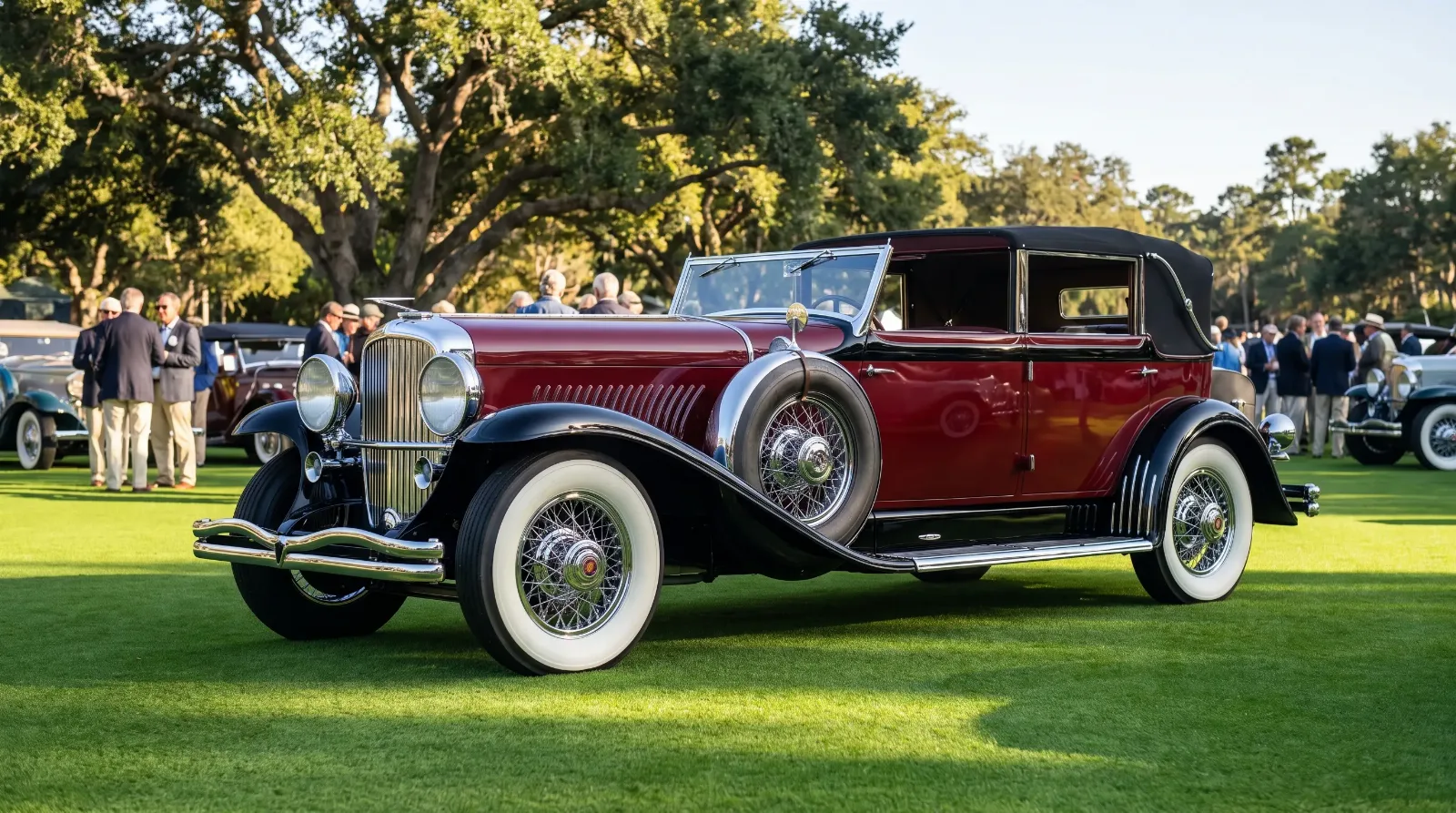
There is a clear category where the math works: the rare, blue-chip car where finished values comfortably exceed restoration cost. A pre-war coachbuilt classic, a limited-production flagship, or a documented example of a genuinely scarce model can justify a full restoration because the finished car sells into a market deep enough to reward the effort. For a common saloon produced in large numbers, the same restoration is a labor of love that you should never expect to recover.
"Run the numbers before you fall in love. Take the honest finished value of the car, subtract the restoration estimate, and if the answer is negative, you are buying an experience, not an asset. That is a perfectly fine reason to do it. Just do it with your eyes open, because the market will not reward you for effort it did not ask for."
David Mercer
Originality versus the frame-off restoration
The market has moved decisively toward originality over the past two decades, and it has changed the restoration calculus. An unrestored, well-preserved original car now often outvalues a freshly restored equivalent, because originality cannot be recreated once it is gone. The phrase collectors use is that a car is only original once.
This matters most for cars with intact original paint, interiors, and documented low ownership. Before you strip a car to bare metal, ask whether you are about to destroy the single most valuable thing about it. A sympathetic recommissioning, mechanical work to make the car safe and usable while preserving its original surfaces, frequently returns more value than a concours restoration and costs a fraction as much.
The judgment call is not always obvious. A car with 40 percent of its original paint remaining sits in an awkward middle ground: too worn to show as a preserved survivor, too original to justify destroying without thought. In those cases the market usually rewards the lighter touch. Preserve what is honest, repair only what is unsafe or unusable, and resist the urge to make the car look new. Once you have chased away every mark of its age, you have also chased away the premium that originality carried.
Collecting with a strategy
Collecting is not the same as accumulating. The collectors who build value treat it as portfolio construction: they buy documented cars in the best condition they can afford, in models with a proven demand base, and they hold. The ones who struggle chase cheap projects, spread themselves across too many marques, and end up with a garage of half-finished cars that individually cost more to complete than they will ever return.
A focused collection, whether built around a marque, an era, or a theme, tends to appreciate more reliably than a scattered one, and it is far easier to sell when the time comes. Depth beats breadth.
The carrying cost of a collection
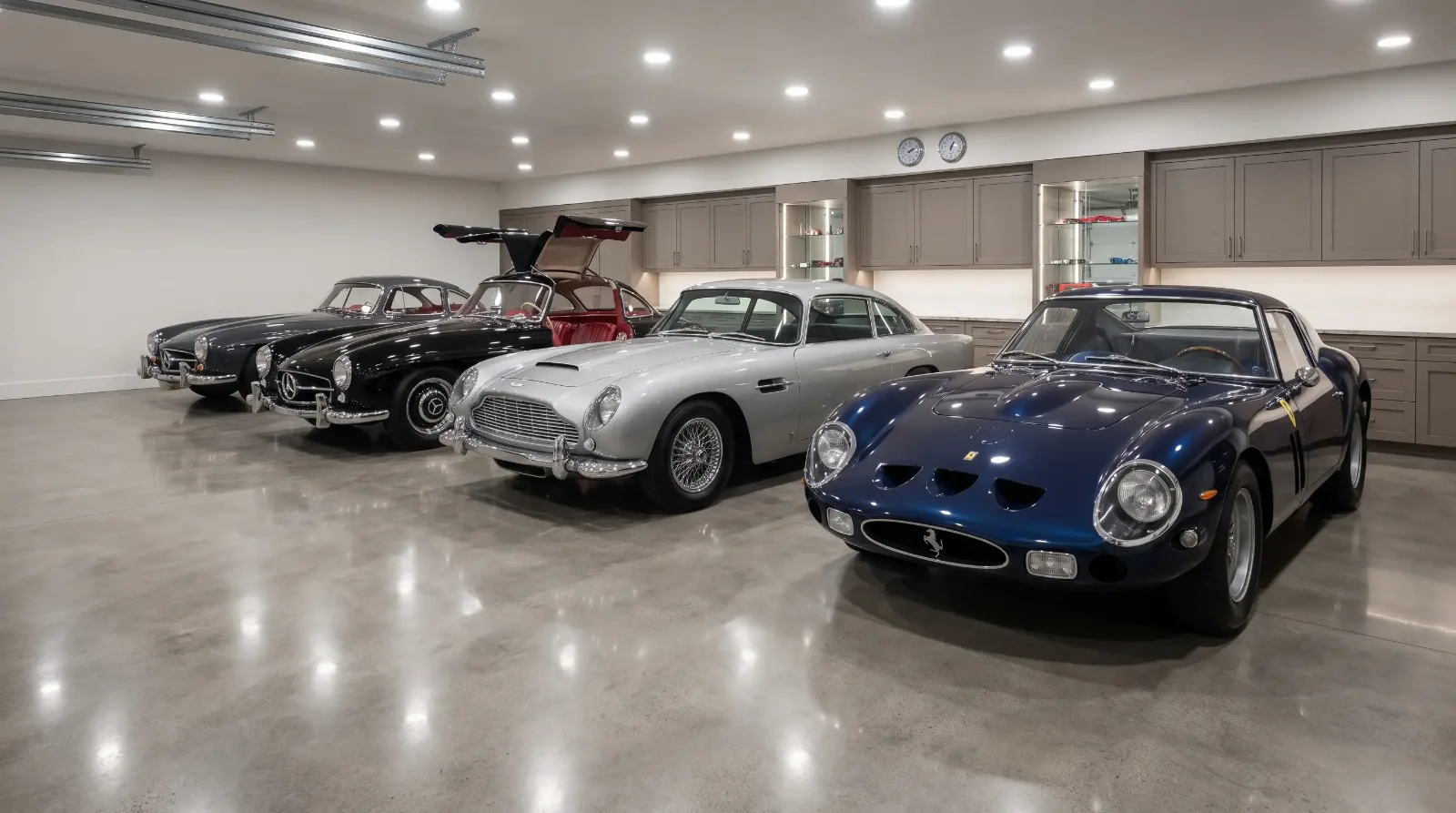
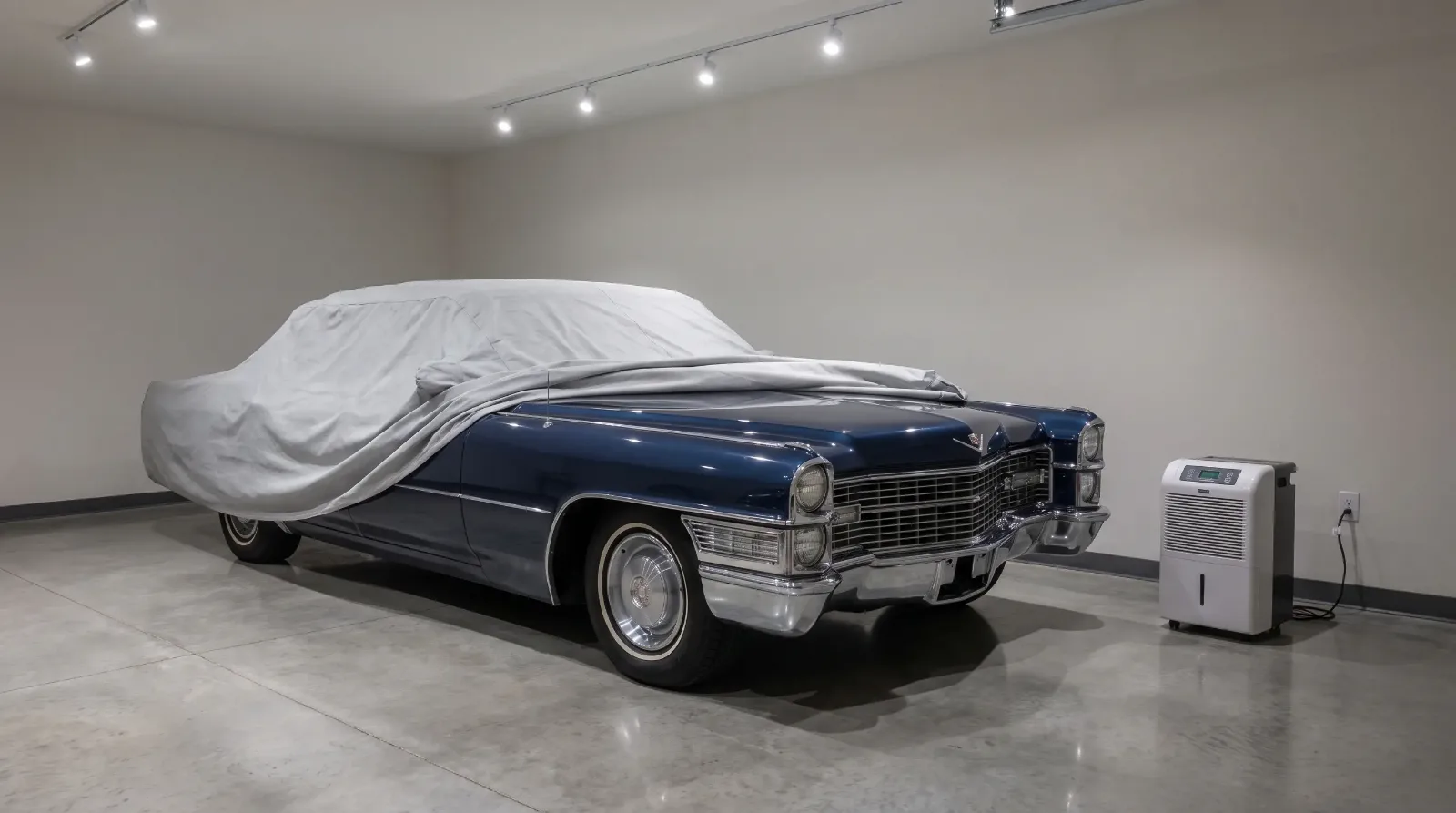
Owning several cars multiplies the fixed costs that a single-car owner can absorb without much thought. Storage is the big one. A luxury classic needs a dry, climate-stable space, and multiplied across a collection that becomes a meaningful annual line, whether you build your own facility or rent professional storage. Agreed-value insurance scales with the fleet, and a collector policy that covers several cars usually prices better than separate policies, but it is still a real number.
Then there is the maintenance of cars that mostly sit. Batteries on tenders, fluids refreshed, tires rotated or replaced for flat spotting, seals kept alive through occasional use. A collection is not a set of static objects. It is a group of machines that each need exercise and attention, and the owner who budgets for the whole fleet, not just the purchase prices, is the one who still enjoys it five years on. Underestimate the carrying cost and the collection stops being a pleasure and starts being a chore with a bill attached.
Choosing the right shop
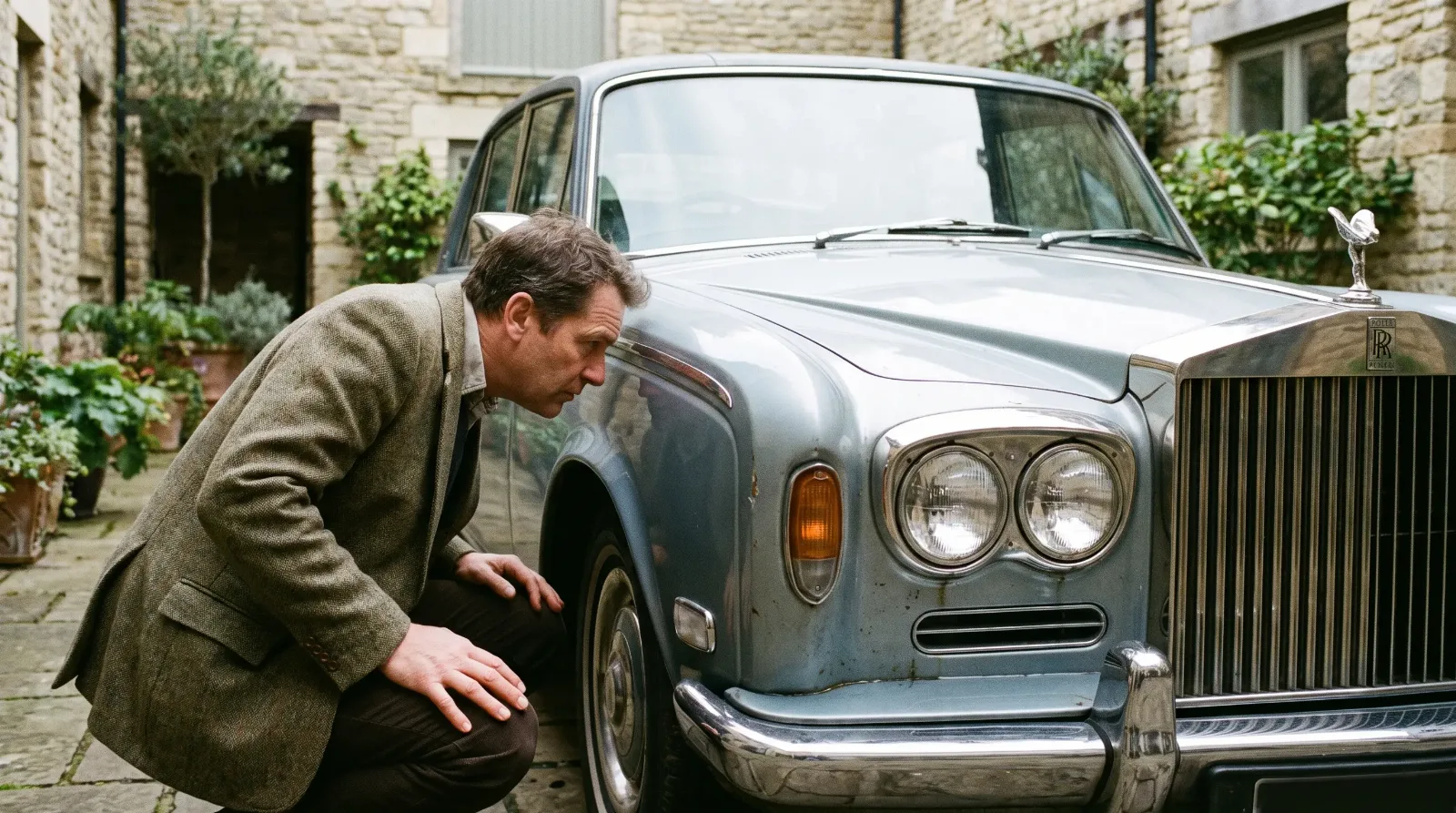
The shop makes or breaks a luxury restoration. Marque specialists cost more per hour but know the model's quirks, source correct parts, and finish to a standard that survives concours scrutiny. A cheaper general shop can do competent work on mechanicals but often lacks the specific knowledge that separates a correct car from an approximate one, and on a luxury car correctness is most of the value.
Ask to see finished examples of the same model. Ask for references from owners who have gone through the full process. And get the payment schedule and scope in writing before any work begins, because the most common restoration dispute is not quality, it is a budget that quietly doubled.
Be wary of the shop that quotes low to win the job. On a luxury restoration the lowball estimate almost always resolves the same way: change orders, discovered problems, and a final invoice that lands where an honest quote started. The specialist who tells you the real number up front, even when it is uncomfortable, is protecting you from the more expensive surprise later. Price the shop on candor and finished results, not on the opening figure.
The collector's bottom line
Restoration and collecting reward the disciplined and punish the impulsive. Buy the best original car you can, preserve what makes it special, and reserve full restoration for the rare cars where the finished value justifies it. For everything else, sympathetic recommissioning protects both the car and your money. If you want to understand how the market and the history shaped which cars are worth restoring, carry on onward to The Complete History of the Classic Luxury Car. And when you are looking for a sound starting point rather than a project that will fight you, browse the current classic luxury cars for sale and buy the car that needs the least, not the one that costs the least.
Related Reading
Article
The Classic Luxury Car Story
Article
The Complete History of the Classic Luxury Car
Article
How to Buy a Classic Luxury Car: The Complete Guide
Article
The Real Cost of Restoring a Classic Luxury Car
Article
Sourcing Rare Parts for Orphaned Luxury Marques: Packard and Imperial
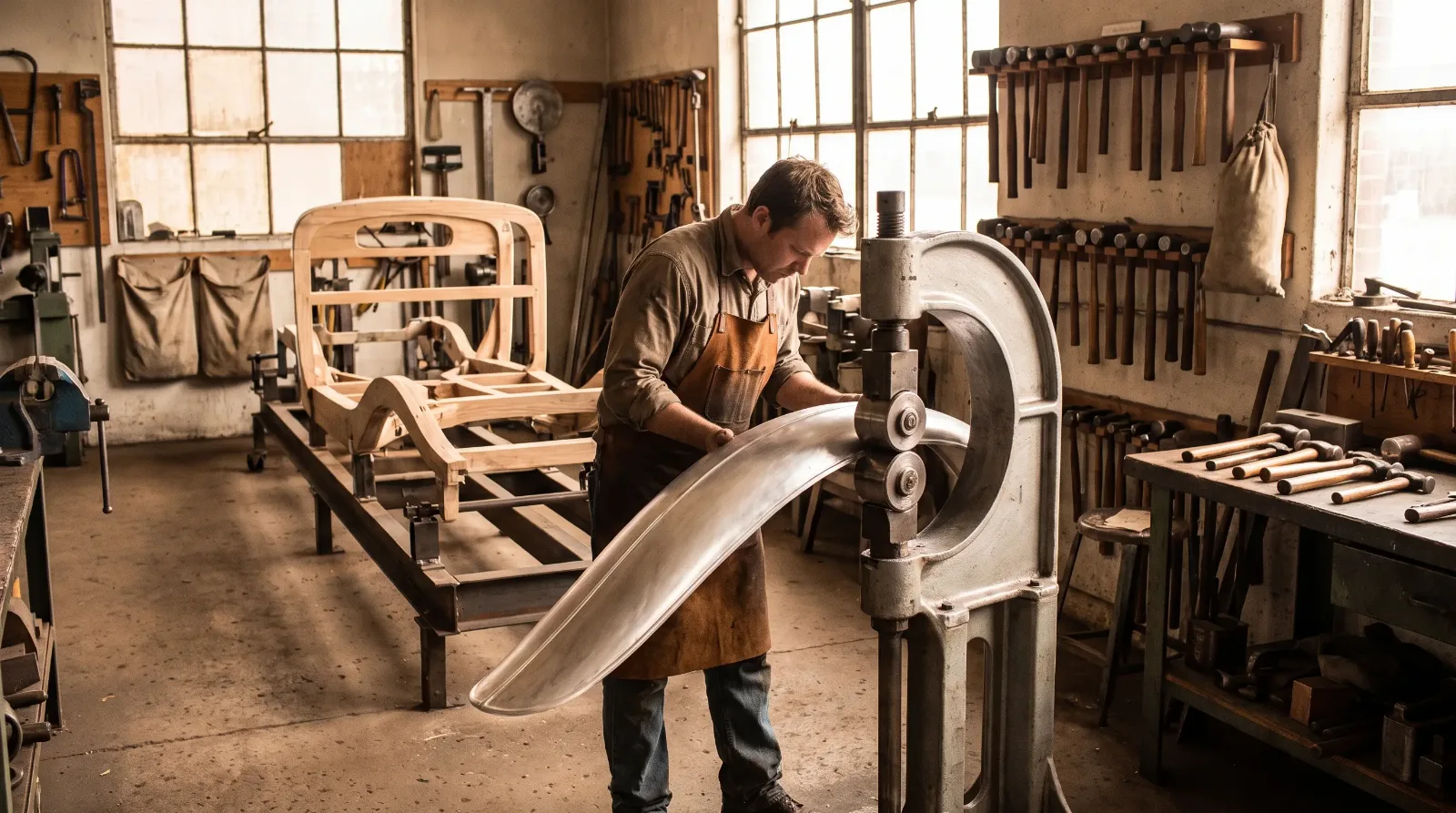
Article
Coachbuilt Body Restoration: Lead Work and Panel Fabrication Explained
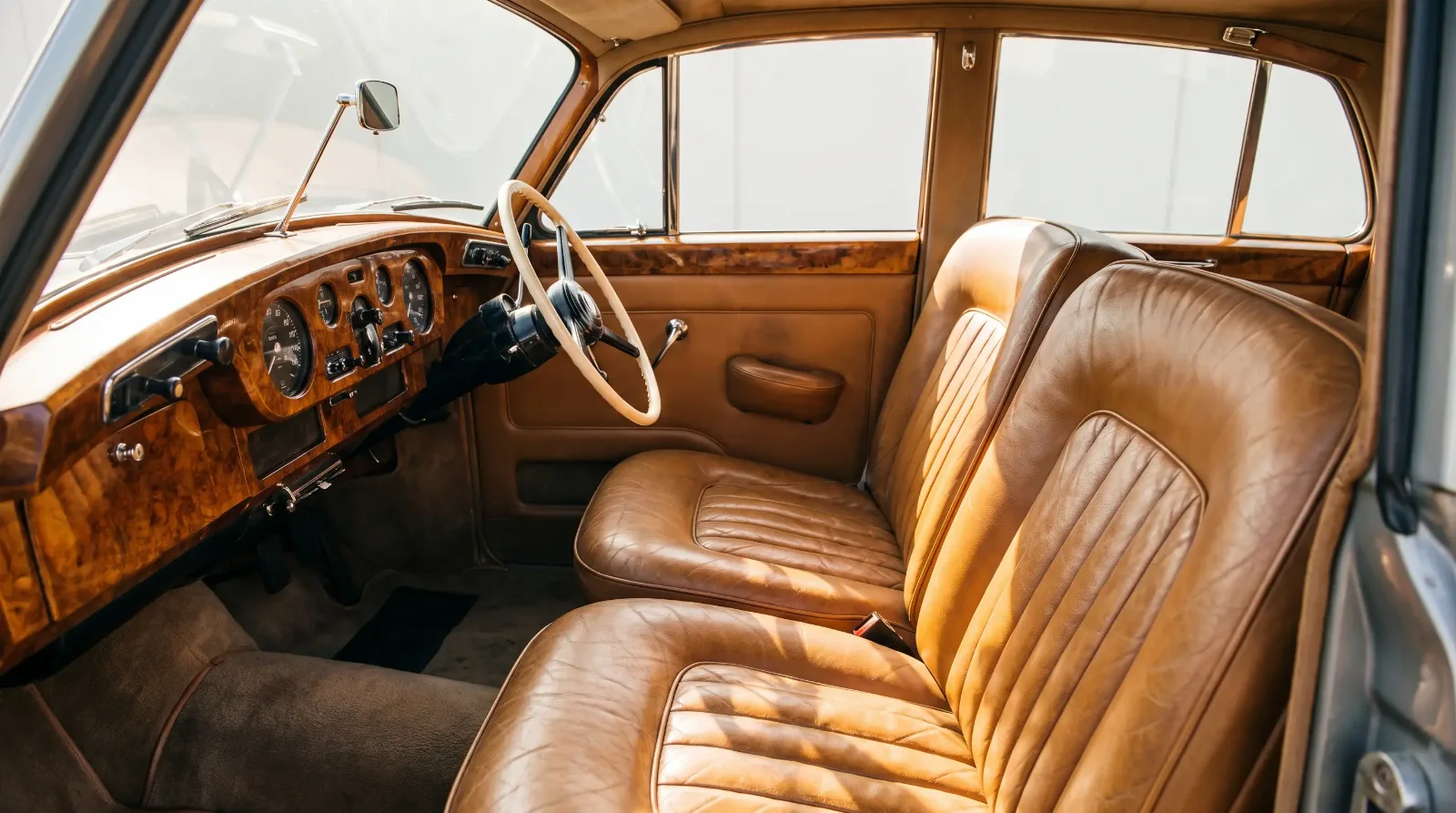
Article
Restoring Real Leather and Wood-Trimmed Luxury Interiors
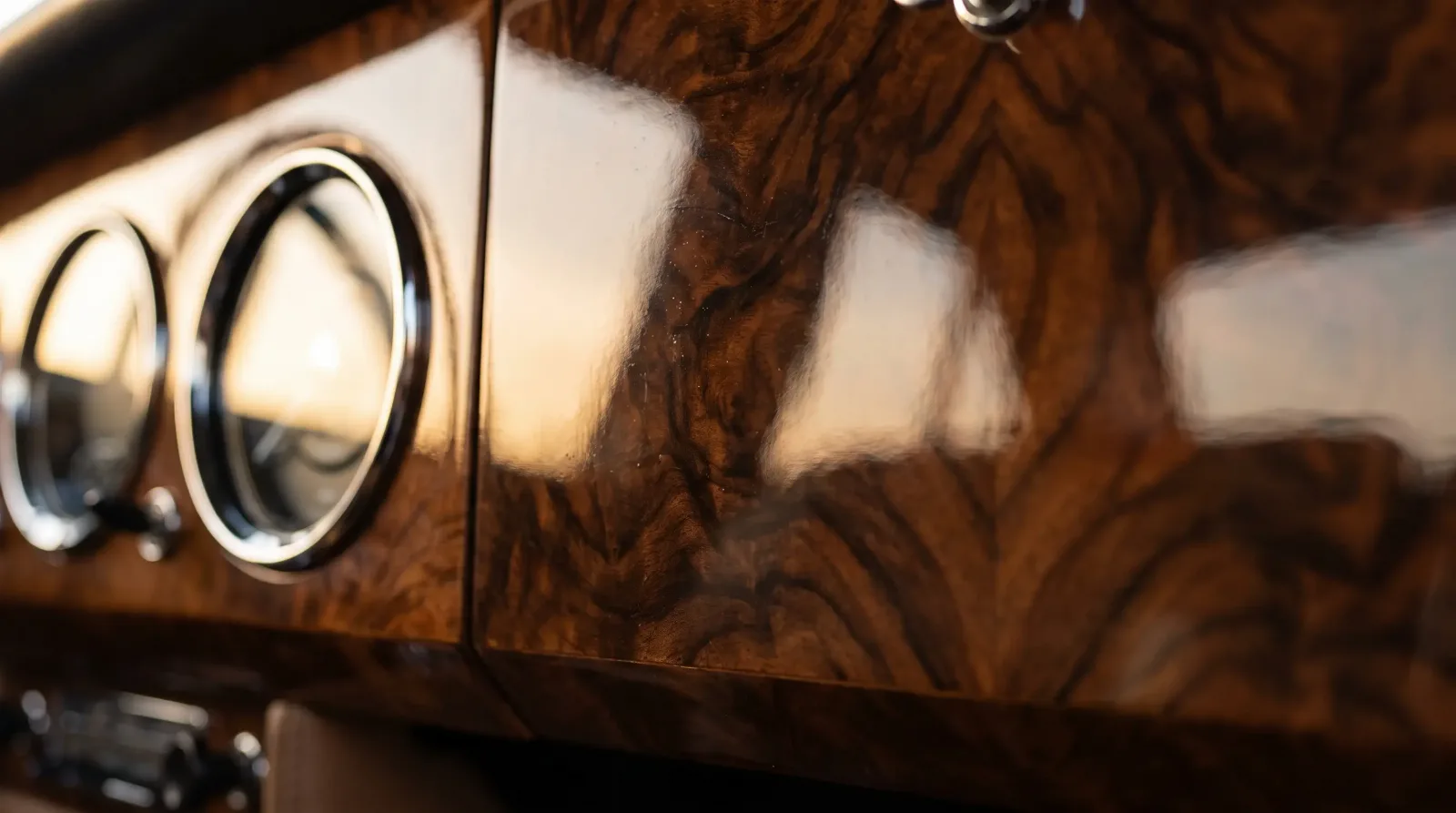
Article
Wood Trim Restoration: Dashboards and Door Cappings
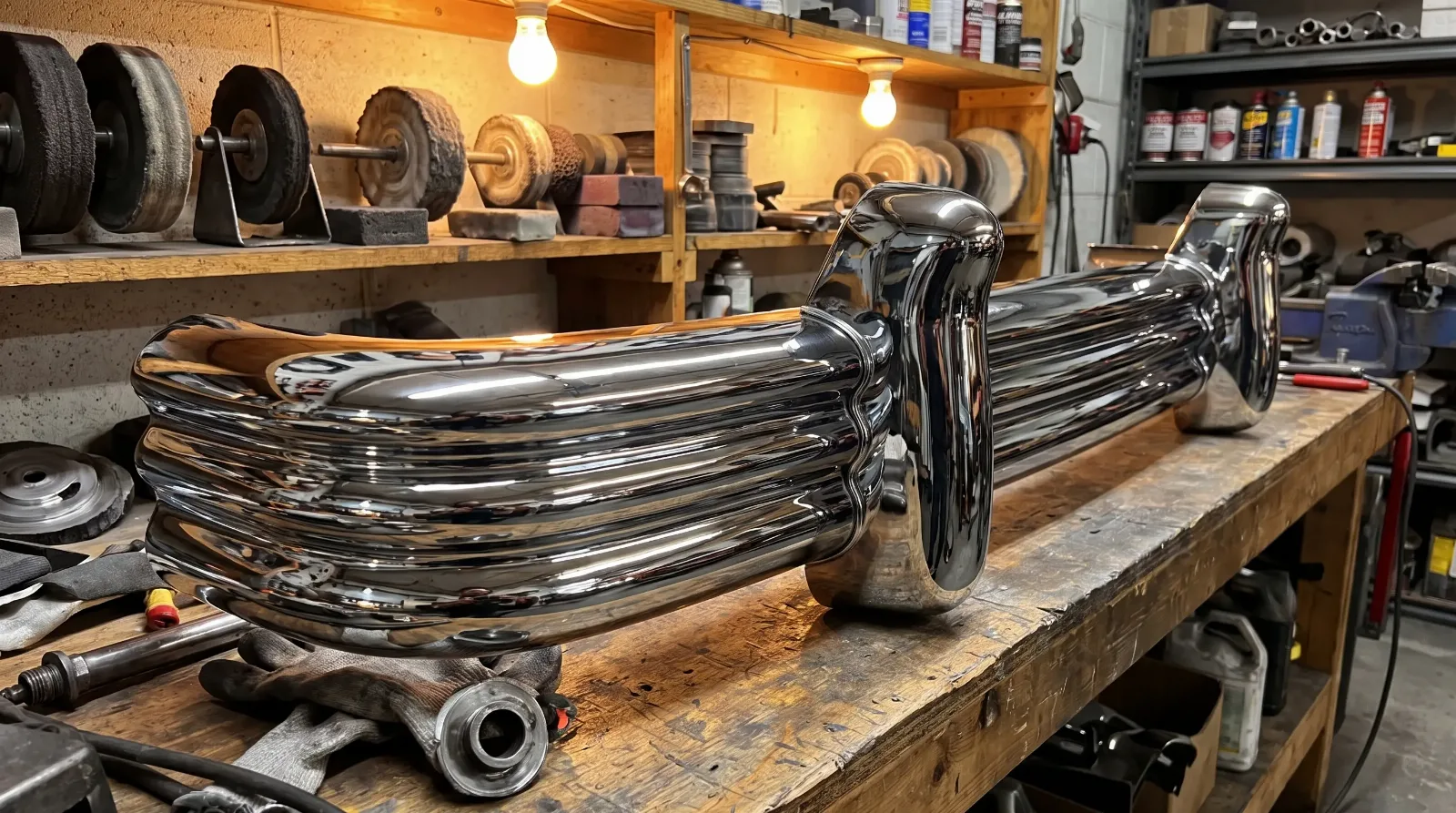
Article
Chrome and Trim Restoration: What Replating Really Involves
Article
Restoring Hydraulic and Self-Leveling Suspension Systems
Article
Storage and Preservation of a Luxury Classic
Article
Condition Grading for Classic Luxury Cars: What #1 vs #3 Really Looks Like
Article
Investment Potential Across the Classic Luxury Segment: Which Marques Appreciate
Article
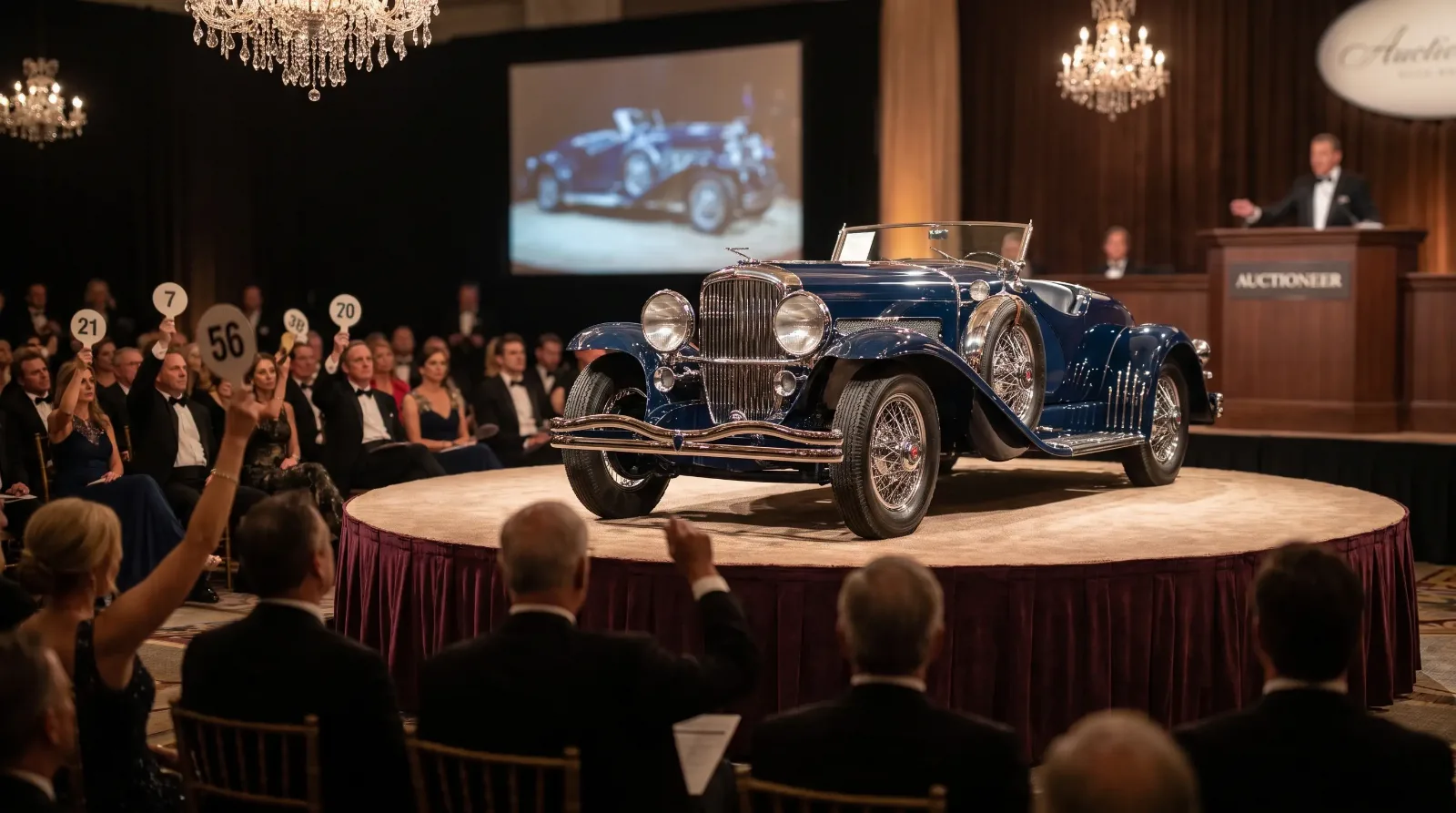
The Most Valuable Classic Luxury Cars Ever Sold at Auction
Article
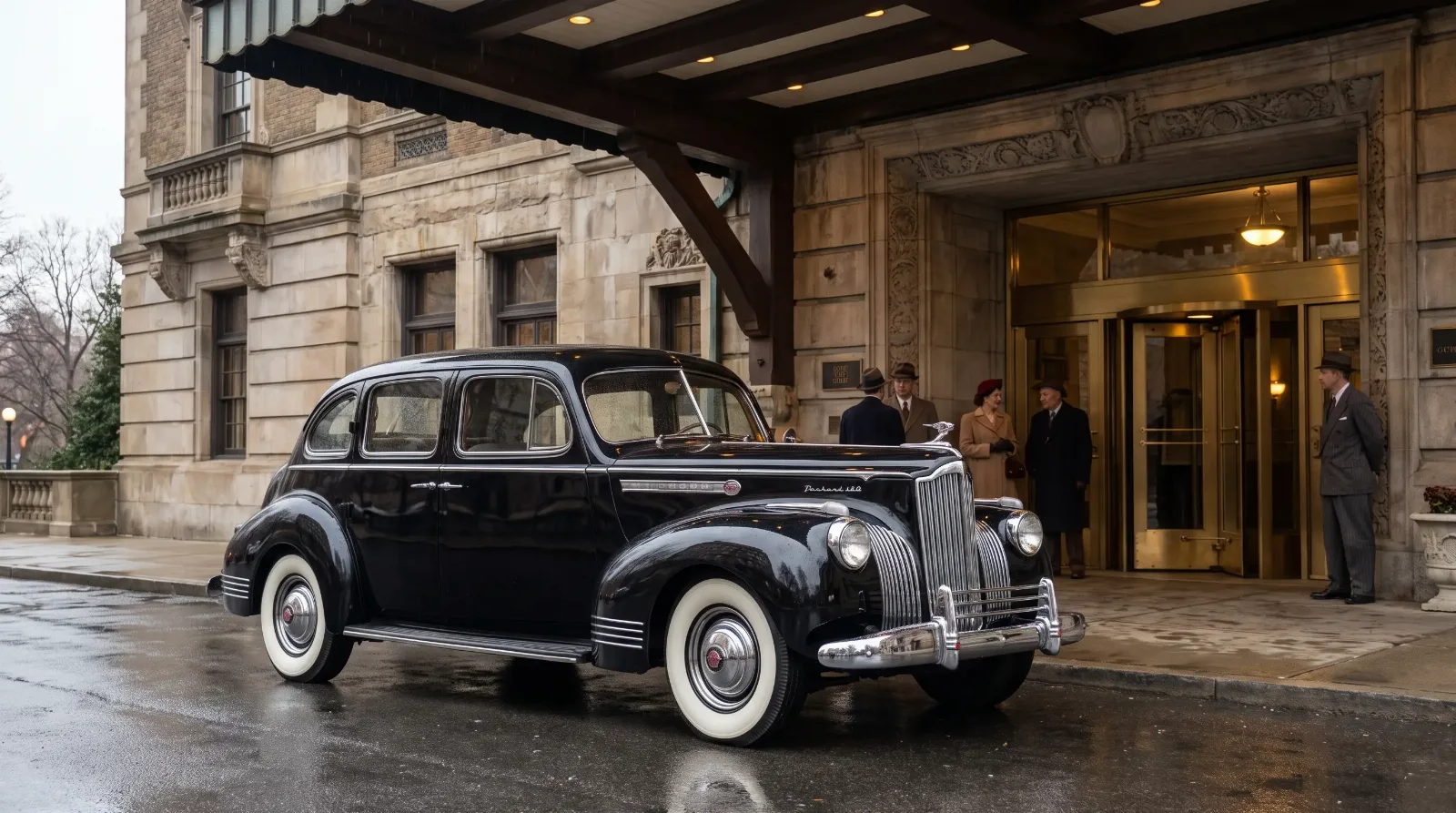
Why Some Luxury Classics Are Undervalued Compared to Muscle Cars
Article
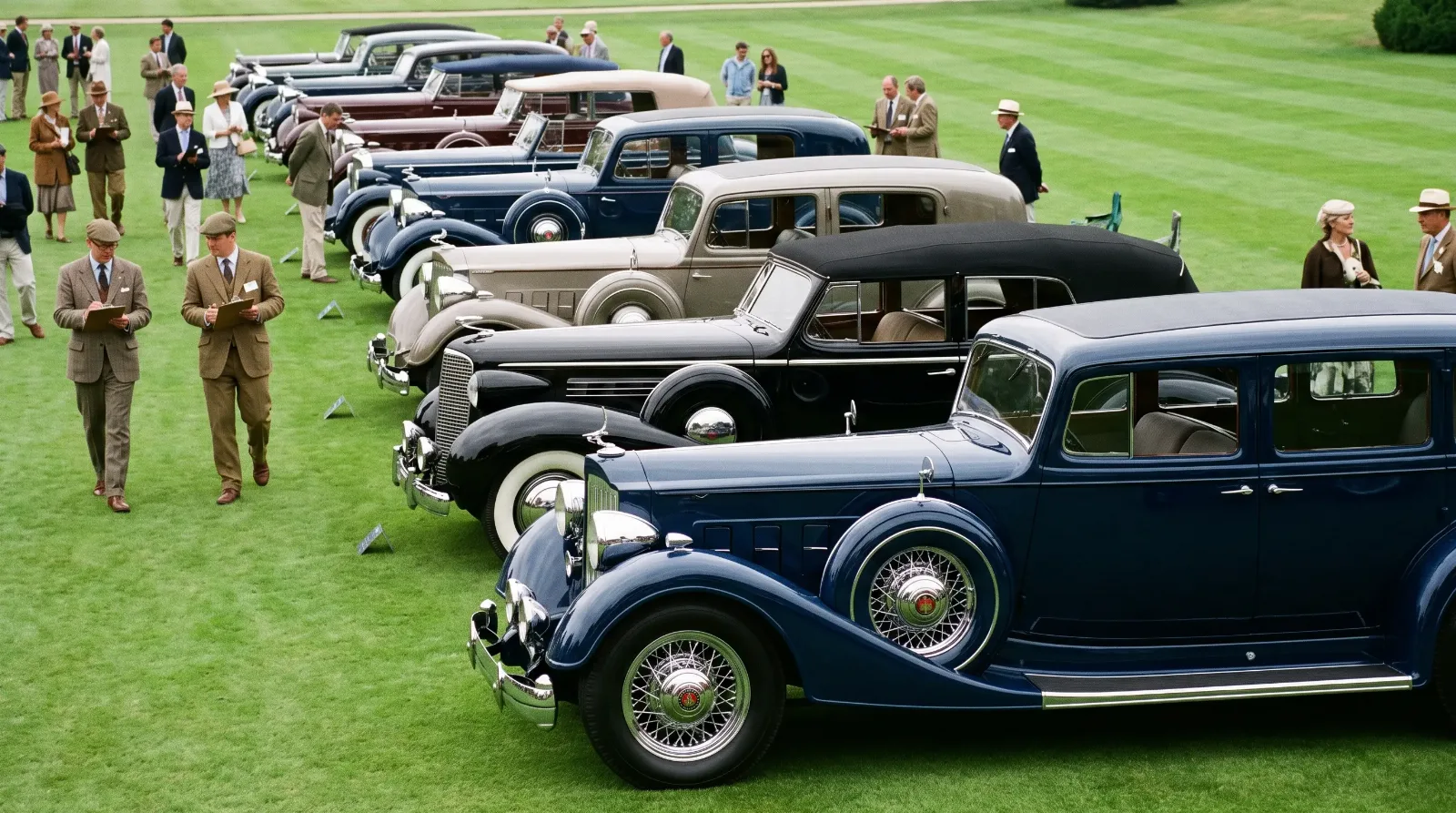
Collector Clubs and Marque Registries: CCCA, RROC, and the Packard Club
Article
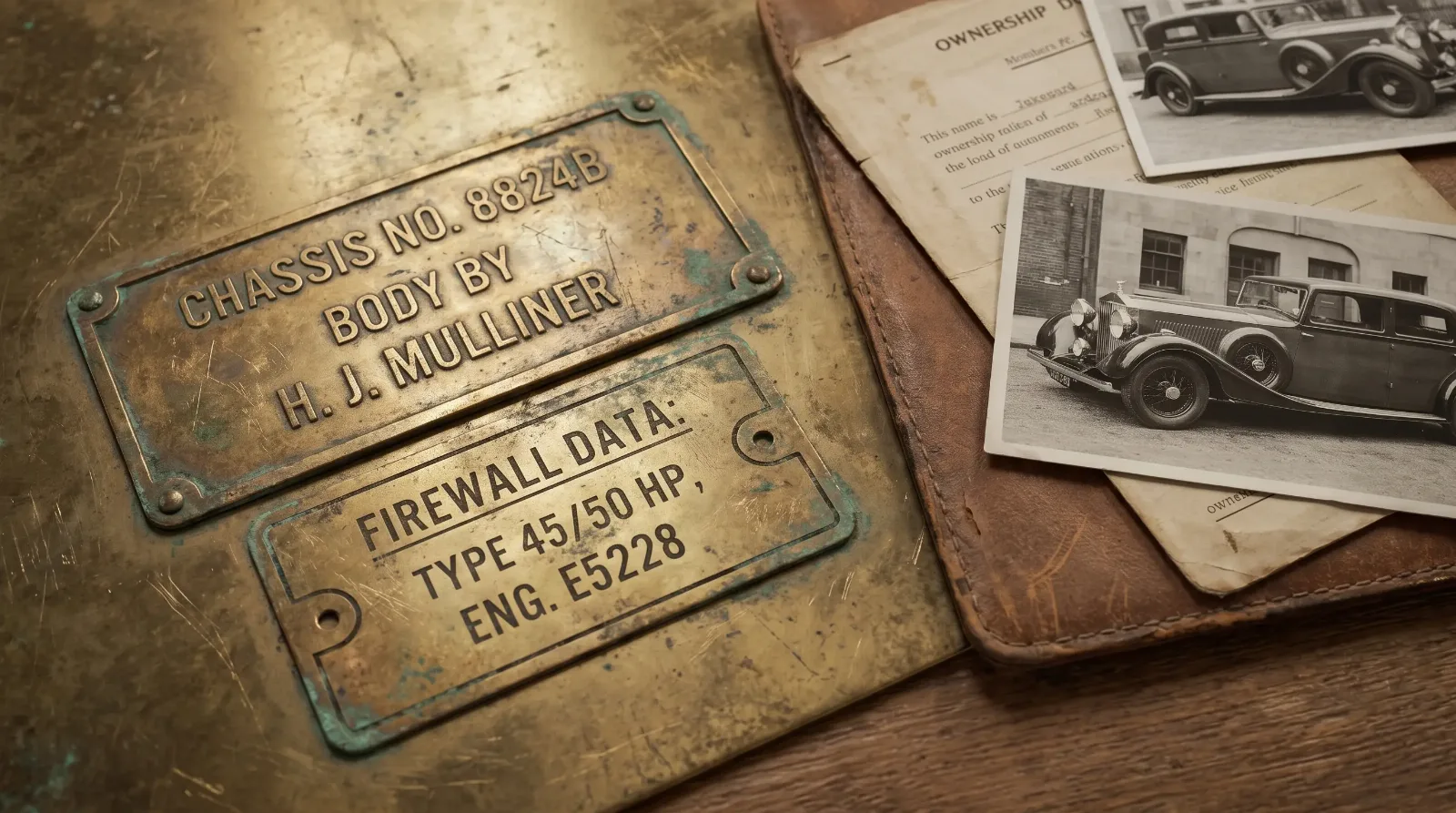
Documentation and Build-Sheet Culture in Luxury Classics
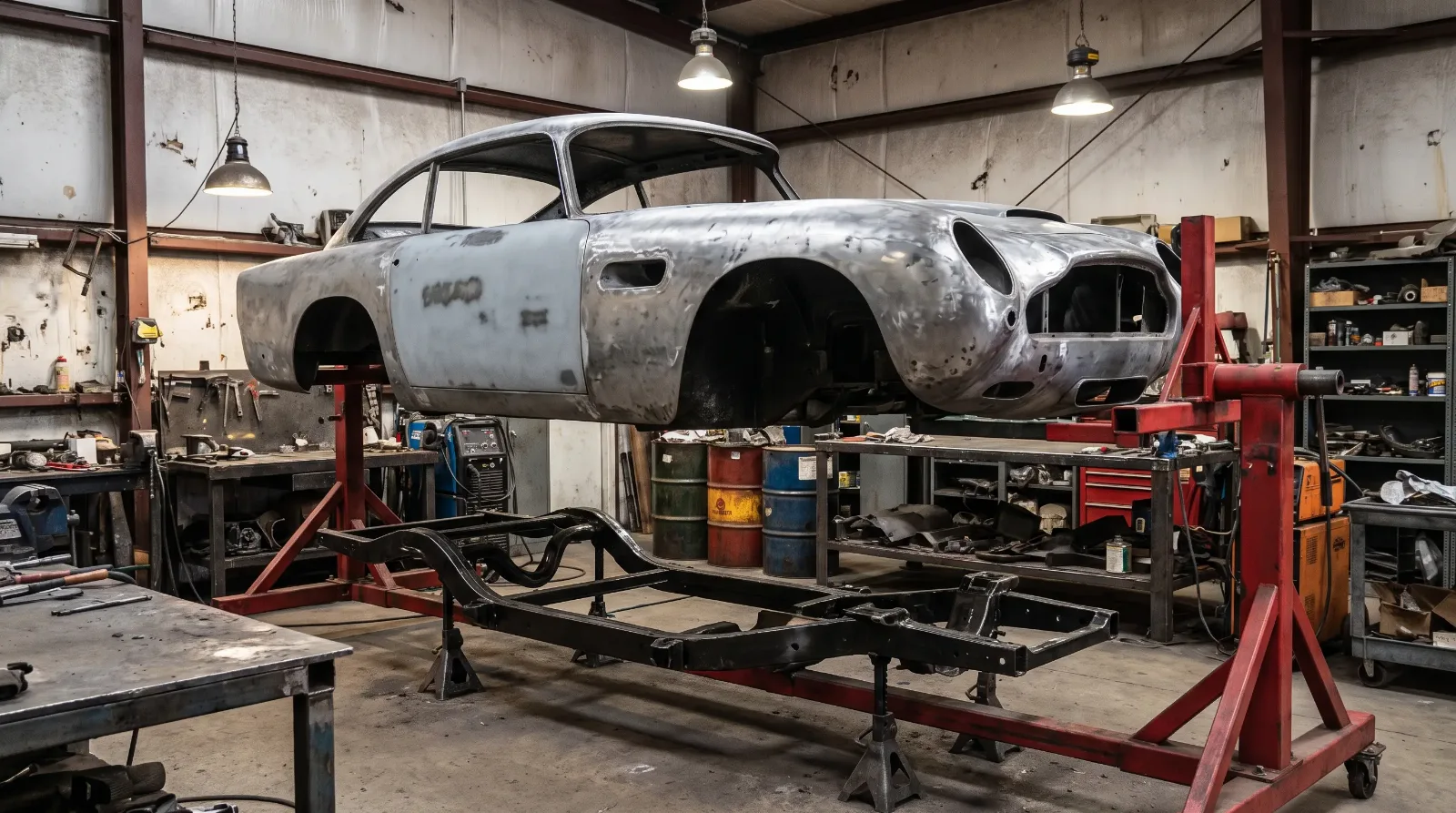
Article
Frame-Off vs Driver-Quality Restoration: How Collectors Decide
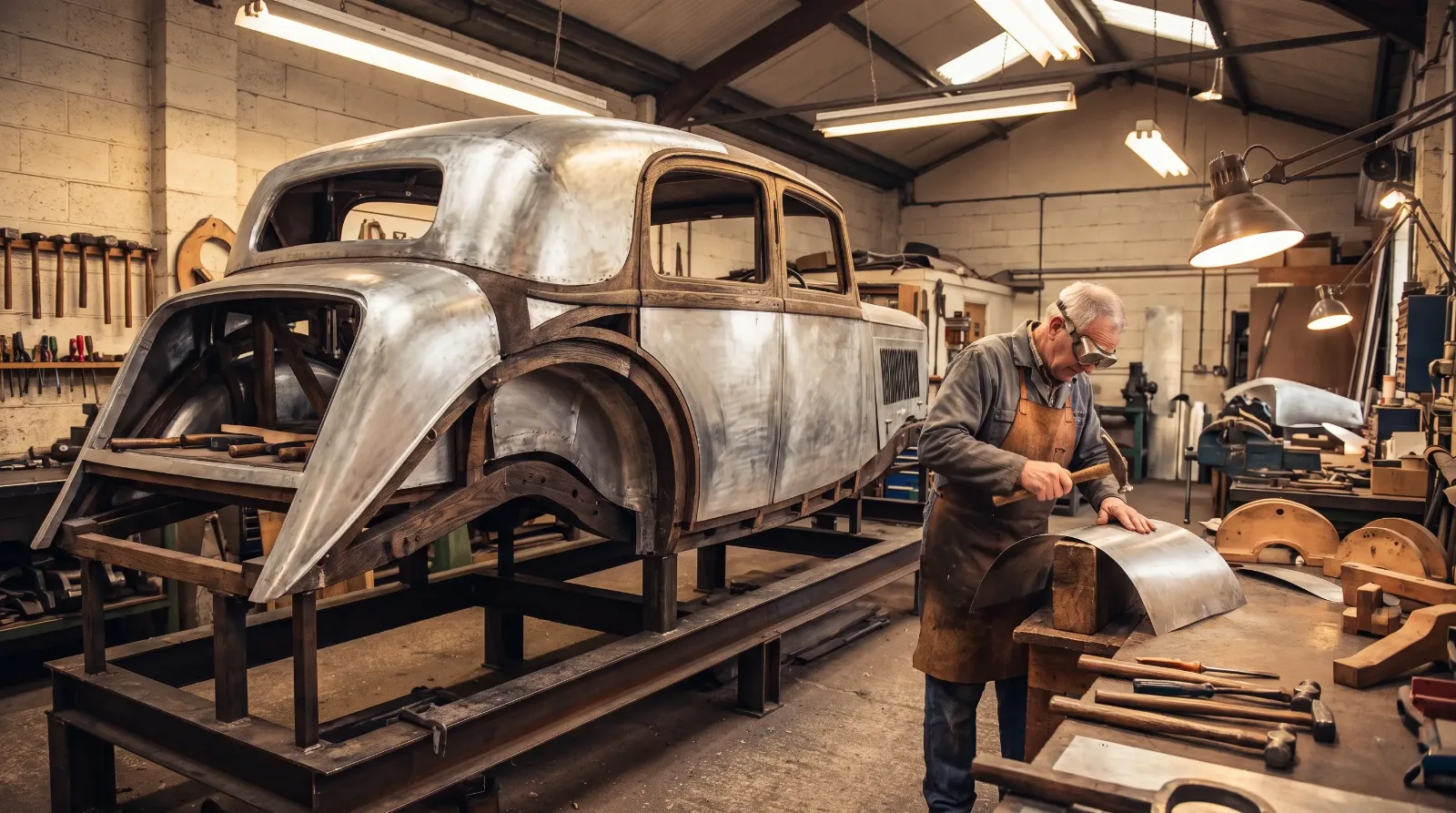
Article
Restoring a Coachbuilt One-Off vs a Production Luxury Car
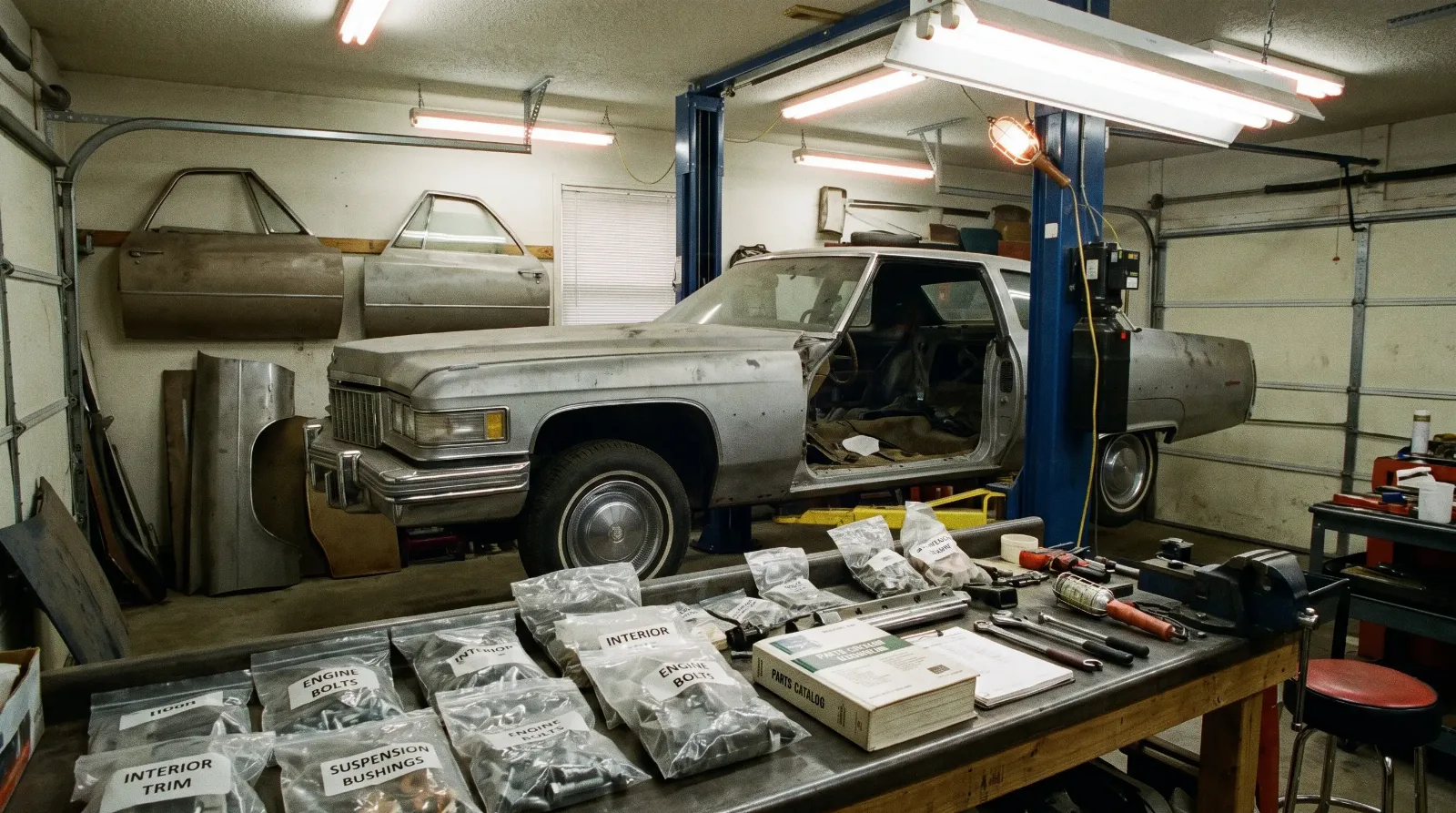
Article
DIY vs Professional Shop: The Restoration Decision for Luxury Marques
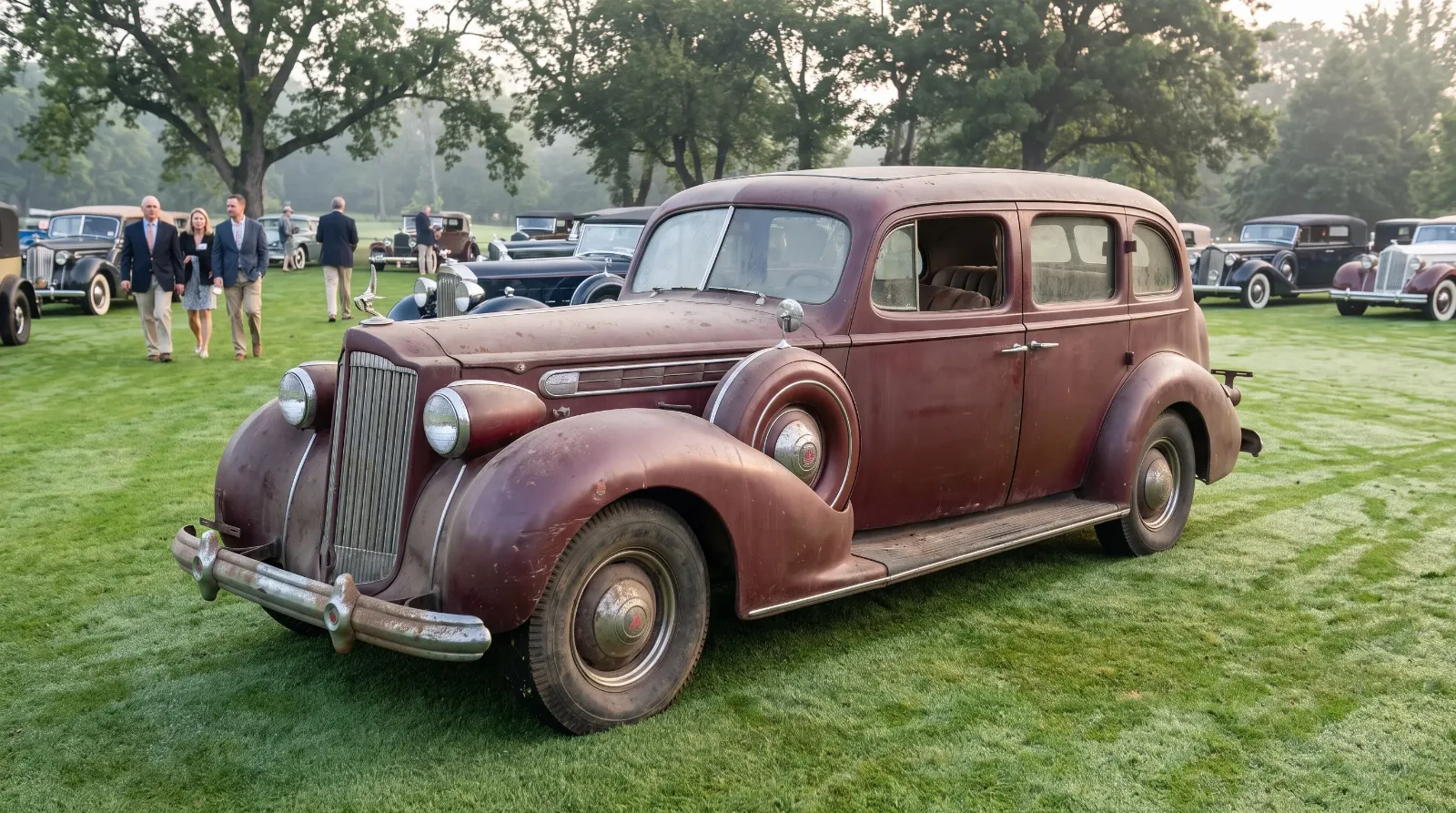
Article
Originality, Value, and the Long-Term Cost of Ownership After Restoration
Have a
Classic Car
for Sale?
Reach thousands of serious classic car collectors across the US.
Sell It Here →
Are You a Classic Car Dealer?
List your full inventory and connect with targeted classic car buyers.
Join as a Dealer →

About the author
David Mercer
Classic car market analyst with two decades of experience tracking collector car valuations, auction results, and investment trends.
Comments
Be the first to comment on this article.