
Every price in this hobby hangs on a number most buyers never learn to read. When a valuation guide quotes a range for a given luxury classic, it is really quoting several ranges, one for each condition tier, and the spread between the top tier and the bottom can be a factor of three or four on the same car. A buyer who cannot place a car on that scale is negotiating blind. He is arguing about a few thousand dollars while the real question, what grade is this actually, is worth ten times as much.
Market & Values
6 min read
Condition Grading for Classic Luxury Cars: What #1 vs #3 Really Looks Like
Classic car condition grading on the #1 to #4 scale, what separates a concours car from a driver, and why grade drives value in the luxury segment.
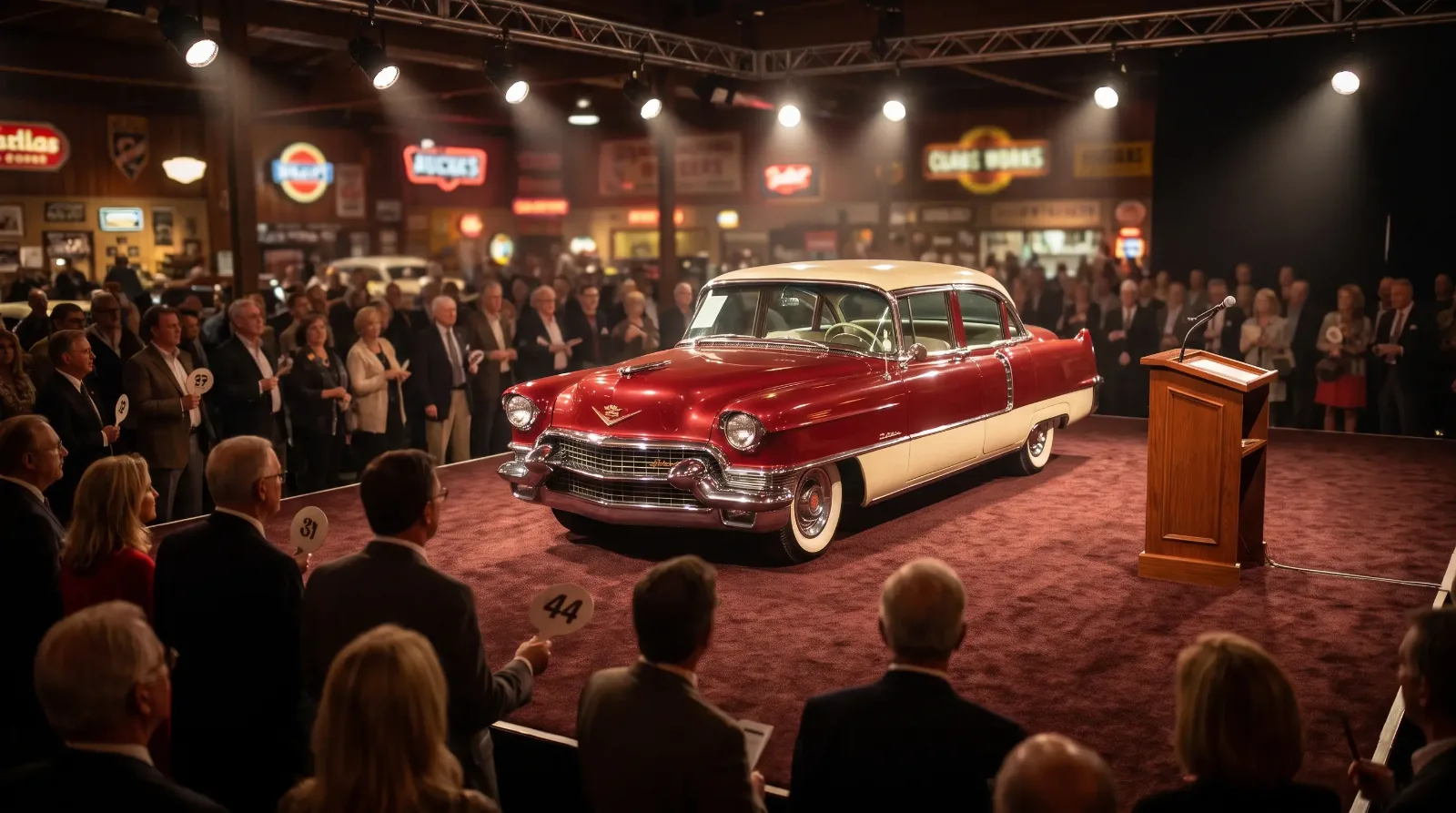
The industry settled on a four-point scale years ago, and the major price guides all use a version of it. Learning to apply it honestly is the most useful skill a collector can develop, because it turns a vague sense of "nice car" into a defensible number. This sits at the center of buying and selling well, and it connects to everything in restoring and collecting a classic luxury car. Get the grade right and the price follows.
The four-point scale
The standard runs from #1 down to #4, with #1 the best. A #1 is a concours car, restored or preserved to a standard better than it left the factory, the kind of car judged at top-tier shows and rarely driven. A #2 is excellent, a well-restored or exceptionally preserved car with only minor flaws visible on close inspection, the car most serious collectors actually want. A #3 is a good driver, presentable and sound but showing honest age and use, with cosmetic and mechanical items a knowledgeable eye picks out easily. A #4 is fair, a running, usable car that needs work, with visible flaws throughout and often deferred maintenance under the surface.
| Grade | Common name | What it looks like | Typical use |
|---|---|---|---|
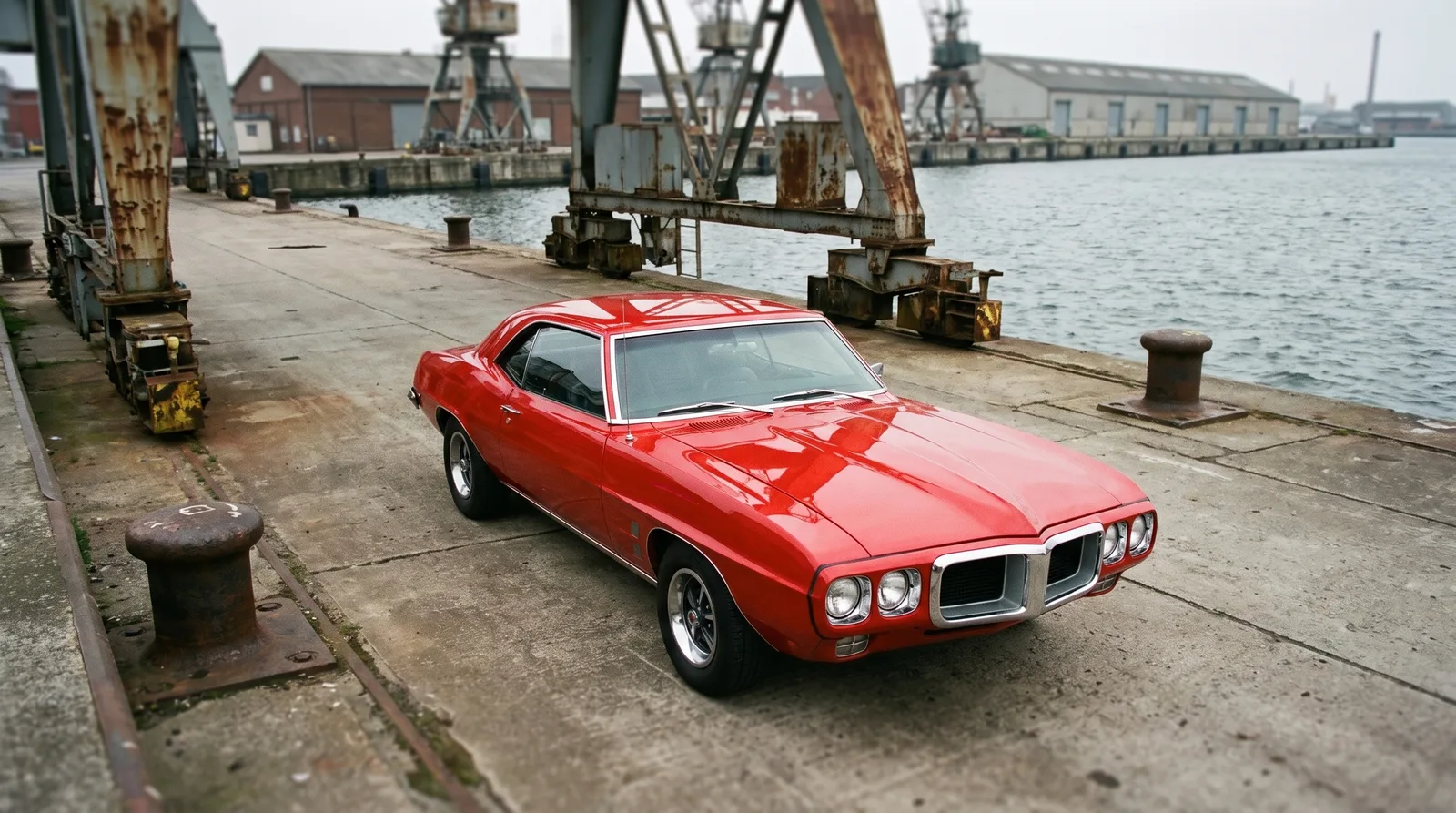
| #1 | Concours | Better than factory. Flawless paint, brightwork, and interior. Correct in every detail. | Shown, judged, rarely driven |
| #2 | Excellent | High-quality restoration or superb original. Minor flaws only on close inspection. | Occasional show, careful driving |
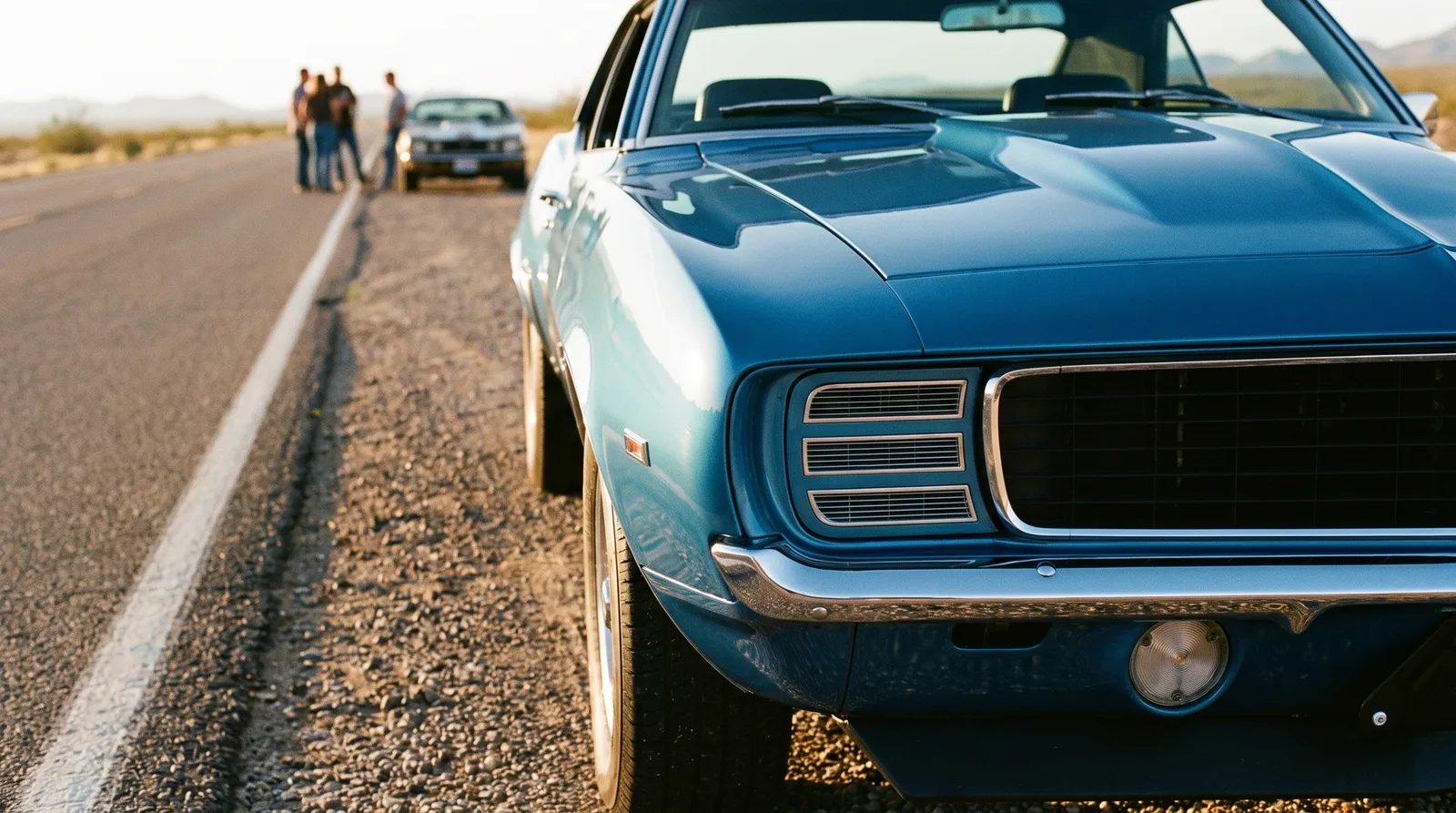
| #3 | Good (driver) | Sound and presentable, honest age. Cosmetic and mechanical wear a trained eye spots. | Regular driving, tours |
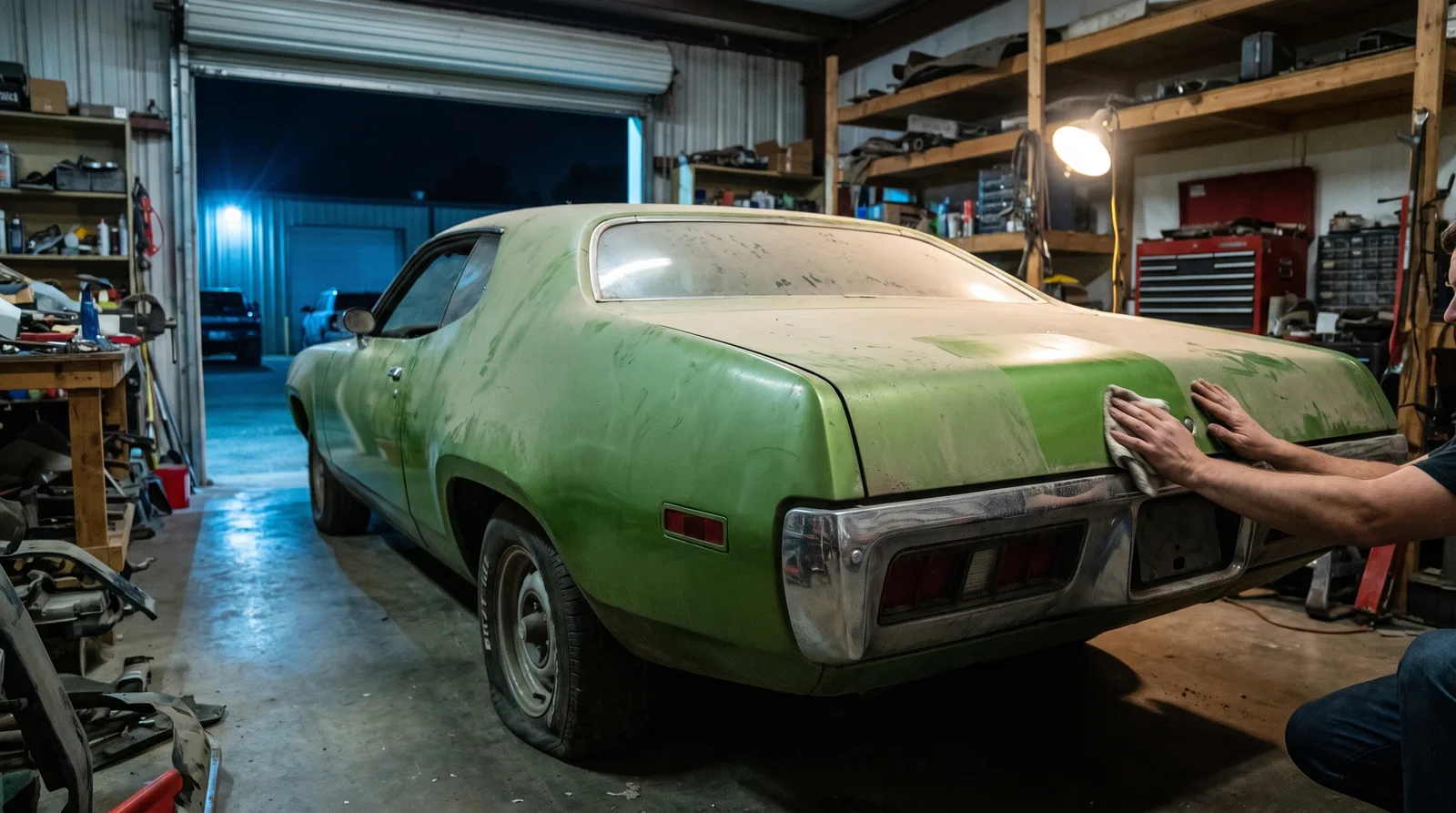
| #4 | Fair | Complete and running but needs work. Flaws throughout, deferred maintenance likely. | Project or rough driver |
What separates a #1 from a #3
The difference is in the details a casual buyer never checks. On a #1, the panel gaps are even, the paint has no orange peel and no swirl, the brightwork is correct triple plating with no pitting, the interior wood and leather are either flawless originals or expert restorations, and the engine bay is finished to the same standard as the body, down to correct finishes and fasteners. Judges deduct for anything wrong, including over-restoration, a car finished to a higher standard than the factory ever achieved.
A #3 driver, by contrast, wears its history in the open. The paint may be an older respray with some flaws, the chrome may show light pitting, the leather may be cracked or recolored, and the mechanicals work but are not fresh. None of that makes it a bad car. A good #3 is often the smartest buy in the segment, because you get to use it without the fear that follows a concours car around. The mistake is paying #2 money for a #3, which happens constantly when a buyer cannot read the gap.
Why grading a luxury car is harder
The four-point scale is universal, but a luxury classic hides more between the tiers than a simpler car does. The systems that define these cars, hydraulic suspension, complex electrics, hand-finished wood and leather, are exactly the places where a car can look like a #2 and function like a #4. A gleaming car sitting on a dead self-leveling system is not a #2, no matter how the paint reads. Cosmetic grade and mechanical grade can diverge sharply here, and the market prices both.
Originality complicates it further. On these cars, correct hand-fitted trim, matching interior wood, and documented history can lift a car within its tier, while incorrect reproduction parts or an undocumented restoration hold it back. This is where a build sheet or a marque expert earns their fee. Two cars can present identically in photos and grade a full tier apart once someone who knows the model looks underneath. The full arc of how these cars are judged and valued runs through the full classic luxury car story.
"Buyers argue over a few thousand dollars and miss that they are looking at a #3 priced like a #2. On a luxury classic the number that matters is the grade, because the spread between tiers is enormous and the cost to close it is worse. Learn to place a car honestly and you have already won the negotiation. Everything after that is arithmetic."
David Mercer
Using the grade to buy well
Grade the car before you talk price, not after. Walk it panel by panel, check the systems that define the marque, and place it on the scale as if you were the one who had to sell it next. Then pull the price guide range for that exact grade and let the number set your ceiling. If the seller's price assumes a #2 and your inspection says #3, that gap is your negotiation, and it is usually larger than any haggling over options or mileage.
Condition grading is the language the whole market speaks, and once you can read it, prices stop looking arbitrary and start making sense. It tells you what to pay, what to walk from, and where the real value sits in a segment full of expensive traps. With grade in hand, the next question is which of these cars actually hold and grow their value, so continue with next: Investment Potential Across the Classic Luxury Segment.
Related Reading
Have a
Classic Car
for Sale?
Reach thousands of serious classic car collectors across the US.
Sell It Here →
Are You a Classic Car Dealer?
List your full inventory and connect with targeted classic car buyers.
Join as a Dealer →

About the author
David Mercer
Classic car market analyst with two decades of experience tracking collector car valuations, auction results, and investment trends.

Comments
Be the first to comment on this article.