
Ask ten collectors whether classic luxury cars make good investments and you will get ten different answers, most of them shaped by whatever they happen to own. That is the wrong way to read the segment. The data tells a cleaner story. Over the past fifteen years, the top tier of pre-war coachbuilt cars and a narrow band of post-war Rolls-Royce, Mercedes-Benz, and Bentley models have outperformed the broad collector index, while the middle of the luxury market has drifted sideways or lost ground in real terms. The question is not whether luxury classics appreciate. It is which ones, and why the gap between them keeps widening.
Market & Values
6 min read
Investment Potential Across the Classic Luxury Segment: Which Marques Appreciate
Which classic luxury marques actually appreciate, which stall, and the four factors that separate a blue-chip car from an expensive sedan.
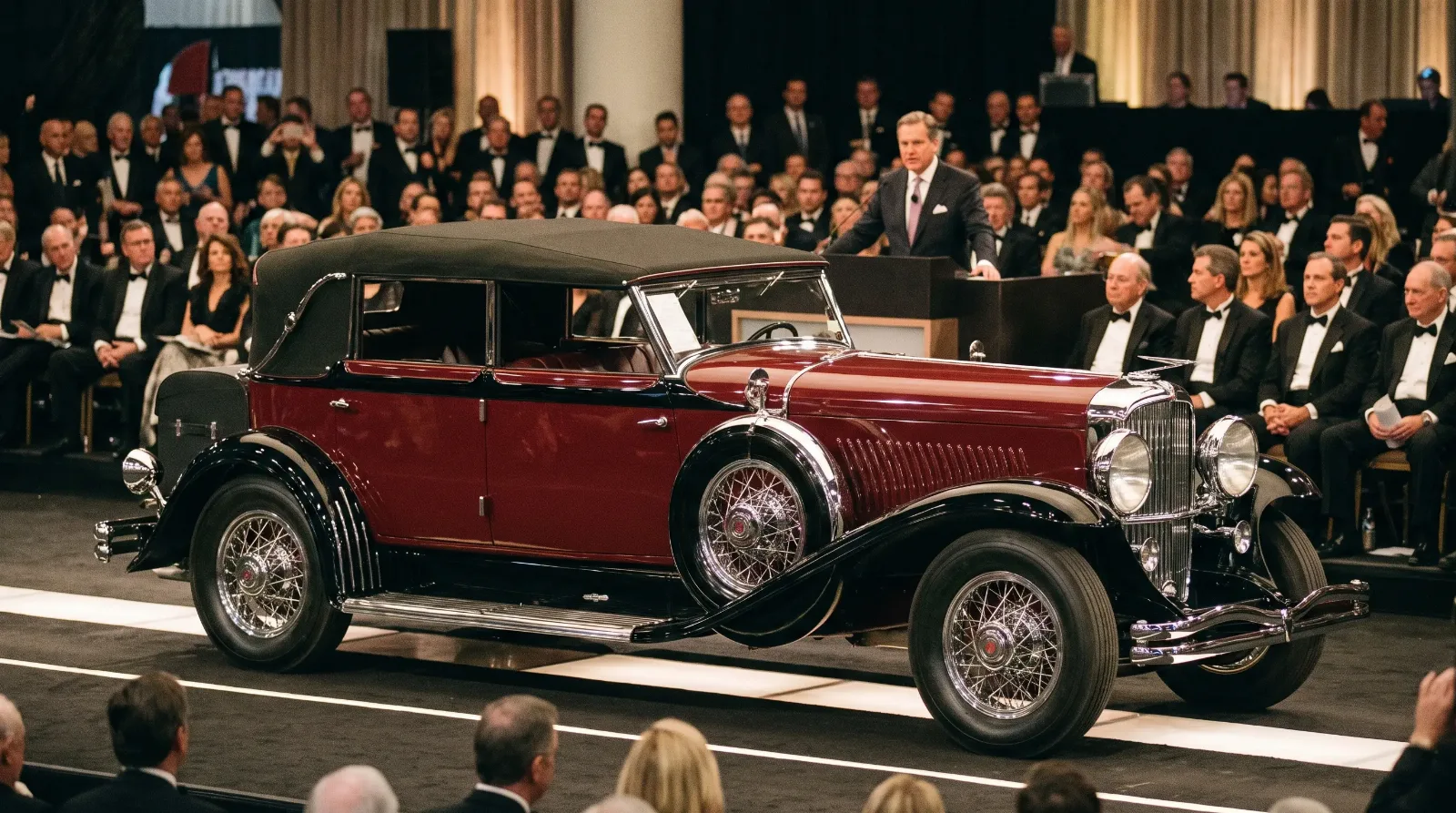
I track auction results for a living, and the pattern in this segment is consistent enough to plan around. Money concentrates at the top. A documented Duesenberg or a matching-numbers 300 SL gains buyers every cycle. A clean but ordinary 1970s Cadillac or Lincoln gains admirers and very little cash. If you are buying with any eye on value, that split should drive every decision you make.
Which marques have actually appreciated
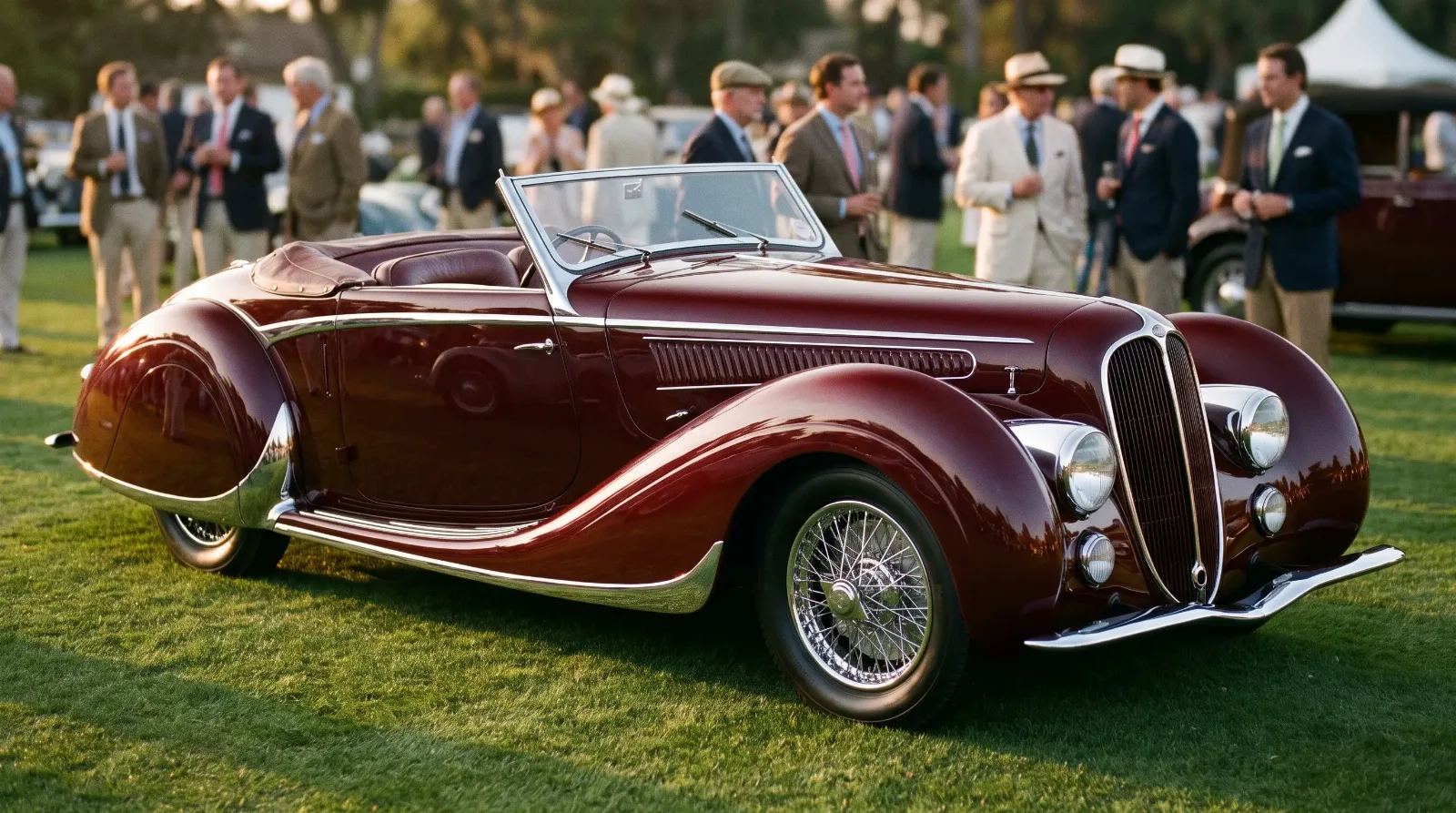
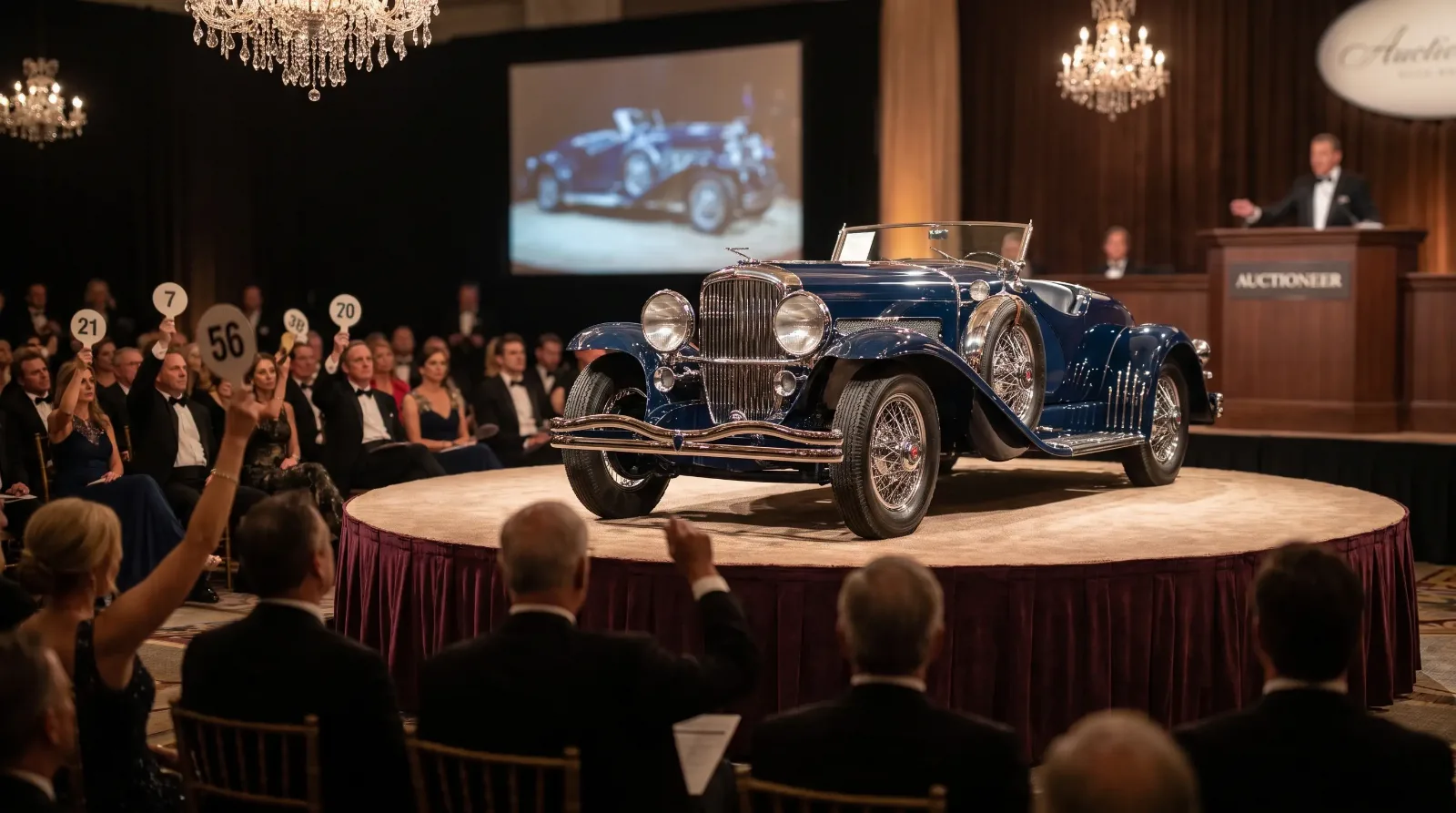
Start with the pre-war coachbuilt class, because that is where the real appreciation lives. Duesenberg Model J prices have roughly doubled over the last two decades, with the best examples trading in the $1.5 million to $2.5 million range and short-chassis or supercharged cars going well beyond that. Bugatti and the top Mercedes-Benz 500K and 540K roadsters occupy the same tier. These cars share three traits: tiny production, documented history, and a body by a named coachbuilder. Scarcity does the heavy lifting.
Post-war, the story narrows to specific models rather than whole marques. The Mercedes-Benz 300 SL Gullwing has been a blue chip for years, with driver-quality coupes around $1.2 million to $1.5 million and concours cars higher. Early short-wheelbase Bentley Continentals and the Rolls-Royce Silver Cloud drophead coupes by Mulliner have held firm because the open coachbuilt versions are genuinely rare. If you want the fuller picture of how these cars are bought, restored, and lived with, the collecting and restoring guide covers the ownership side in depth. You can read the collecting and restoring guide alongside this piece.
Where the middle market stalls
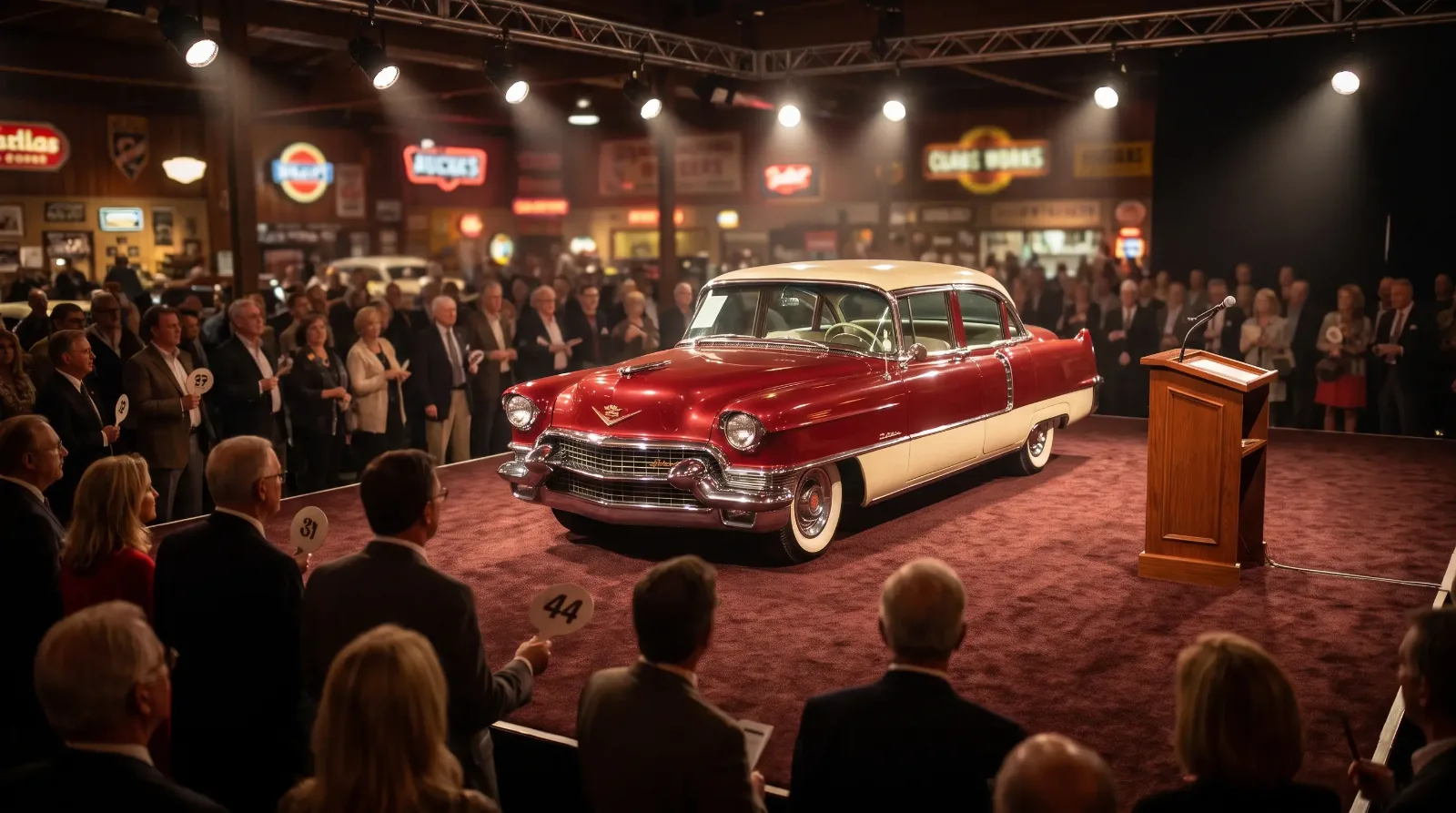
Now the uncomfortable part. Most classic luxury cars are not appreciating assets, and pretending otherwise costs people money. Standard sedans from the great American luxury makes, the four-door Packards, the closed-body Cadillac V8s, the ordinary Lincoln Continentals, have been flat or soft for a decade. Supply is the problem. These were expensive cars built in meaningful numbers, and enough of them survived that scarcity never kicks in. A very good 1941 Packard 160 sedan might bring $30,000 to $50,000, roughly what it cost to restore properly, which means the restoration money is gone.
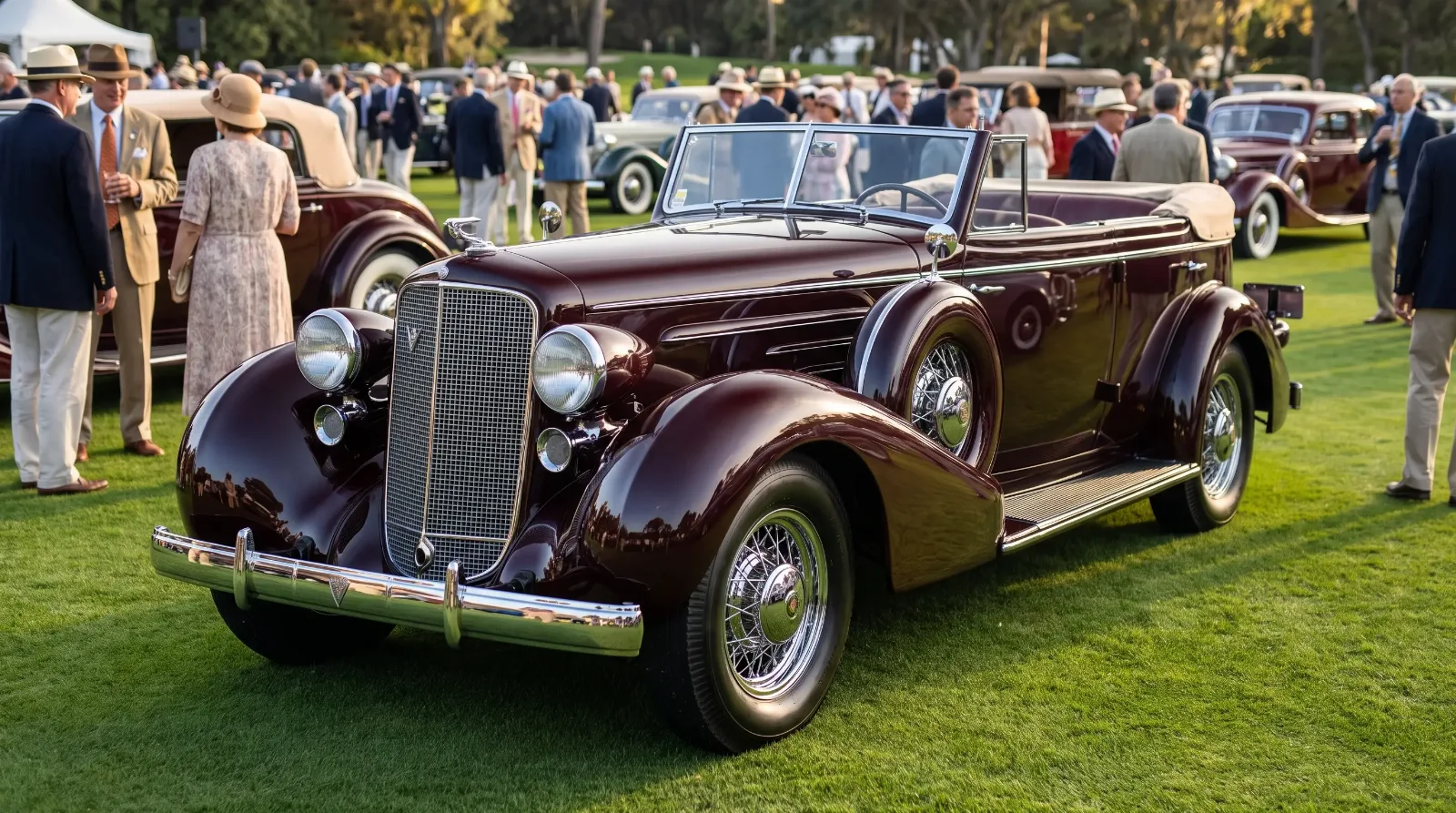
Body style separates winners from losers inside a single model line. Convertibles, roadsters, and coachbuilt specials appreciate. Sedans and closed coupes generally do not. A Packard convertible coupe can be worth three or four times its sedan sibling with the same drivetrain. Buyers pay for the shape and the rarity, not the badge.
What actually moves value
Four factors explain most of the price difference between two similar cars, and none of them is mileage. Documentation comes first. A car with build records, ownership history, and originality evidence sells at a premium and, more important, sells at all when the market cools. Second is body style, as covered above. Third is condition, but with a caveat: an honest, unrestored original often beats an over-restored car with no history. Fourth is liquidity, which collectors ignore until they try to sell.
| Segment | Approx. value range | Trend (10-yr) |
|---|---|---|
| Pre-war coachbuilt (Duesenberg, Bugatti, 540K) | $1M – $10M+ | Strong up |
| Mercedes 300 SL Gullwing / Roadster | $1.2M – $2M | Firm to up |
| Rolls-Royce / Bentley coachbuilt drophead | $150K – $600K | Firm |
| American luxury convertibles (Packard, Cadillac) | $60K – $200K | Flat to modest up |
| American luxury sedans (closed body) | $25K – $60K | Flat to soft |
These are broad ranges, and condition swings them hard. Treat them as a map, not a quote. Values shift year to year, and any figure at the top of the market can move six figures on a single well-attended sale.
"The badge on the hood tells you what the car was. The paperwork in the folder tells you what it is worth. I have watched two identical cars sell a year apart with a six-figure gap, and the only difference was one had its history and the other had a story."
David Mercer
How to buy for value without fooling yourself
If appreciation matters to you, buy the best example of a scarce configuration you can afford, and buy the documentation with it. A mid-condition car with complete history usually outperforms a shinier car with none, because the next buyer faces the same test you did. Avoid the trap of restoring a common sedan to concours standard. The market will not pay you back for it, and you will have spent supercar money on a car that stays a sedan.
Understand that the very top of this market behaves differently from the rest. If you want to see how far the numbers reach, the record sales are worth studying, which is why the next piece walks through next: The Most Valuable Classic Luxury Cars Ever Sold at Auction. For context on how these cars fit the broader arc of the segment, the complete classic luxury car story is the pillar piece.
When you are ready to move from theory to a real purchase, browse current classic luxury cars for sale and compare the asking prices against the ranges above. The gap between an ask and a recent comparable sale is where every negotiation starts. Buy the car with the paper trail, pay for the rare body style, and let the sedans go to someone who just wants to drive one. Both are valid. Only one of them holds its money.
Related Reading
Have a
Classic Car
for Sale?
Reach thousands of serious classic car collectors across the US.
Sell It Here →
Are You a Classic Car Dealer?
List your full inventory and connect with targeted classic car buyers.
Join as a Dealer →

About the author
David Mercer
Classic car market analyst with two decades of experience tracking collector car valuations, auction results, and investment trends.
Comments
Be the first to comment on this article.