
Most consignment deals end fine. The car sells, the dealer takes its cut, the check clears. The ones that go wrong almost always go wrong in the same place: the gap between the day a buyer pays and the day the owner gets paid. That window is where a consignment scam lives. Sometimes it is outright theft. More often it is a struggling business using your money to cover last month's bills and hoping the next sale catches up. To you, the result looks the same. No car. No money.
Market & Values
9 min read
Consignment Red Flags: How Sellers Get Burned
How a consignment scam happens, the contract and lot red flags that warn you first, the checks regulators recommend, and what to do if you're burned.
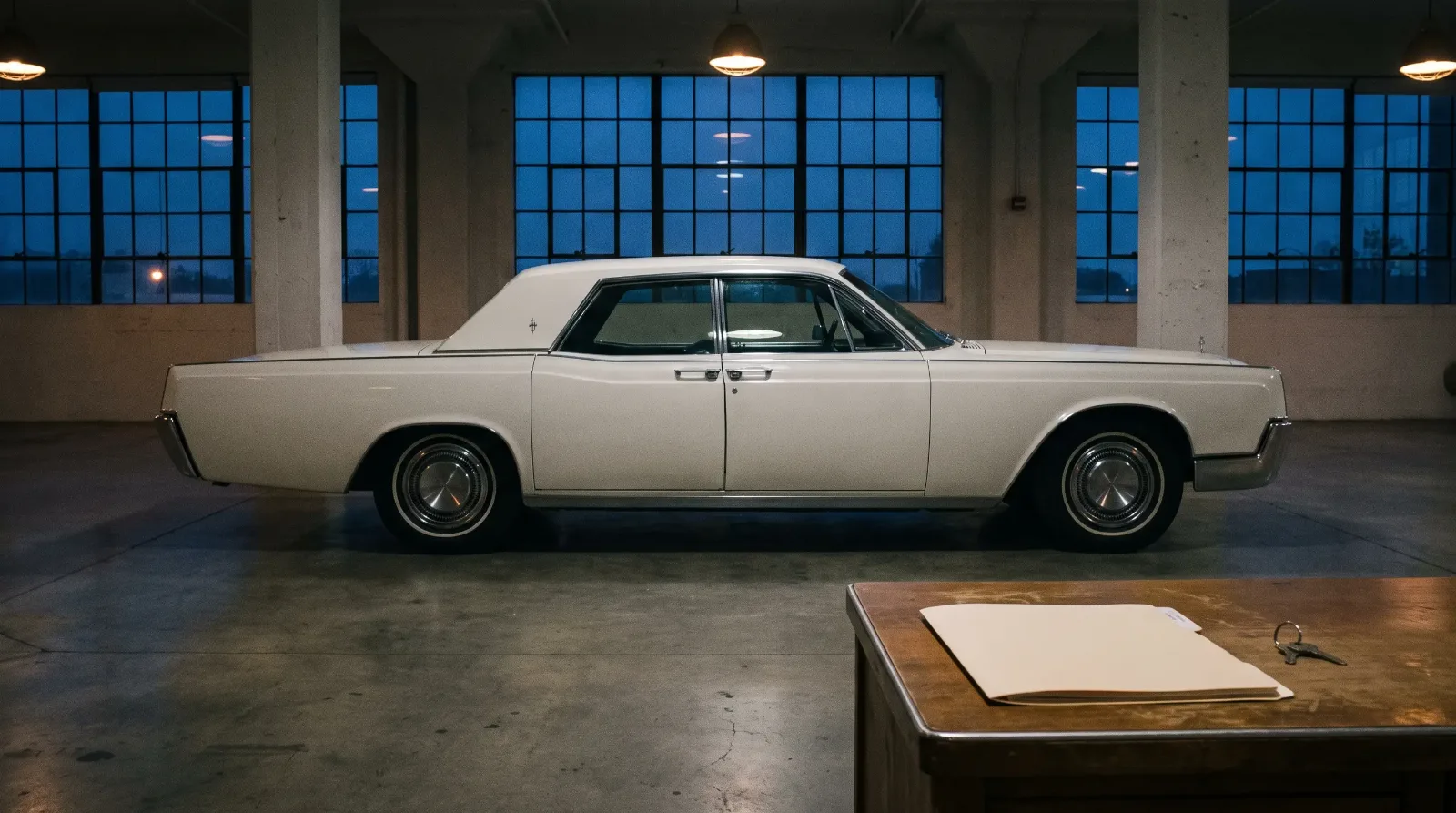
This piece skips the basics of how consignment works and what it costs. There is more on this in the main guide. Here the focus is narrow: the warning signs that show up before a seller gets burned, and what consumer-protection agencies actually tell people to check.
Where the money goes missing
Three failure modes cover most of the horror stories. Know them and the red flags below make sense.
The first is the slow payout. The car sells, the dealer deposits the buyer's money into its operating account, and the owner hears "paperwork is still processing" for weeks. Sometimes the check shows up late. Sometimes it never shows up. Once your money is mixed with the dealer's, you are just another creditor in line.
The second is the quiet sale. The dealer sells the car and tells you it is still on the lot, or reports a lower sale price than the buyer actually paid and keeps the difference. You only find out when you call to ask about a price drop and the car is gone, or when the new owner posts it on a forum.
The third is the collapse. The business fails while your car is on its premises. Depending on the state and how the deal was papered, a lender that financed the dealer's inventory or a bankruptcy trustee may try to treat your car as part of the dealer's assets. That fight does reach the courts. When a Tennessee RV dealer was pushed into bankruptcy in 2008, the trustee claimed the consignors' RVs for the estate, and it took a 2010 ruling from the state Supreme Court just to settle which body of law applied. You will probably get it back with a good written agreement and a clean title in your name. You will spend months and lawyer money doing it.
Red flags before you sign anything
Most of the damage is preventable at the desk. The table lists the warning signs we see most often, what they usually mean, and the fix.
| Red flag | What it usually means | What to do |
|---|---|---|
| No written consignment agreement, or a one-page form with blanks | Nothing to enforce if the deal goes bad | Walk. Every term in writing, every blank filled before you sign |
| Asks you to sign the title, or sign it "open," at intake | The dealer can transfer your car without you | Keep the title. Sign it only at closing, to a named buyer |
| Buyer funds go to the dealer's operating account | Your money is exposed to the dealer's other debts | Ask for a separate trust or escrow account in the contract |
| No stated payout deadline | "When it clears" can mean anything | Write in a specific number of days after funds clear |
| Large upfront fee, non-refundable | The dealer earns whether or not your car sells | Tie fees to a sale, or to specific services with receipts |
| Asking price far above your comps, with no evidence | Winning the consignment, then pressuring price cuts later | Bring your own sold comps and set the reserve yourself |
| Dealer license number not shown or not checkable | Possibly an unlicensed operator | Look it up with the state DMV or dealer licensing board |
| Pressure to sign today | A deal that will not survive a second read | Take the contract home. A real dealer will wait |
The title is the big one. A signed open title is a bearer instrument for a car. Whoever holds it can sell it. There is no good reason for a consignment dealer to need it before a buyer exists.
The second biggest is the payout clause. Consignment commissions run about 5% to 15%, or a flat fee, and agreements commonly run 60 to 90 days. Those numbers are negotiable. "Funds held in trust and paid to consignor within X days of clearing" should not be. If a dealer will not put a number in that sentence, that is your answer.
The fine print matters too. Before you commit, read our clause-by-clause walk through the consignment agreement car owners sign, so you know which lines carry the risk.
Red flags while the car is on the lot
Signing a clean contract is half the job. The other half is watching.
Mileage creep is the cheapest tell. Write down the odometer and photograph it at drop-off. A consigned car should pick up a few miles from test drives and lot moves. If it picks up a few hundred, somebody is driving your car.
Watch the listing. If your car disappears from the dealer's website and you were not told it sold, call that day. If the listing shows a price you never approved, call that day too.
Watch the communication. A dealer who answered in an hour during intake and now takes a week to return calls is telling you something.
And watch the payout itself. If a buyer exists and closing has happened, the clock in your contract is running. Count the days. When the deadline passes, you send a written demand, not another friendly text.
"Ask one question at intake: how many days from the buyer's money clearing to my money clearing? A dealer with a real process gives you a number. Everybody else gives you a story."
Dan Reeves
Scams also come from the buyer side. Fake buyers target consigned cars the same way they target private sellers, especially when a dealer runs remote consignment and the car is still in your garage. The rule holds no matter who sends the money: funds showing in an account does not mean a check is good. The FTC warns that fake checks can take weeks to surface, long after the car has left on a truck.
What consumer-protection guidance tells sellers to check
State attorneys general, DMVs and the FTC publish the same core advice in different words. Boiled down for a seller, it comes to five checks you can run in an afternoon.
- License. Many states, California among them, treat anyone in the business of selling vehicles for others as a dealer who needs a license. Look the business up on the state DMV or dealer board site. Confirm the name on the license matches the name on the contract.
- Bond. Many states require licensed dealers to carry a surety bond that a harmed consumer can claim against. Bond amounts vary by state and are often small compared with a classic's value: California requires $50,000 and Florida $25,000, and that one bond may have to cover every claim against the dealer. Ask the dealer for the bond company and number.
- Complaints. Search the state attorney general's consumer complaint records where they are public, plus the Better Business Bureau. Read seller complaints, not buyer complaints. Look for words like "unpaid" and "never received."
- Court records. Search the business name and owner's name in county civil court records. A string of small claims from former consignors is a pattern, not bad luck.
- Insurance. Get it in writing whose policy covers your car on the premises and on test drives. Call your own insurer before drop-off.
None of this guarantees an honest dealer. If you are still comparing shops, our guide to finding classic car consignment near me covers how to build a shortlist before you run these checks.
If you have already been burned
Speed matters. The longer you wait, the more creditors get in line ahead of you.
Send a written demand first, by certified mail and email, citing the contract's payout clause and a deadline. Then file complaints in parallel: the state DMV or dealer licensing board, which can act against the license, and the attorney general's consumer protection division. If the dealer is bonded, file a claim against the bond; the DMV or dealer board can tell you which surety issued it. If the car has been sold and the money taken, file a police report. Converting a consignor's proceeds can be a criminal matter, not just a contract dispute. In 2023 California's attorney general charged the owner of an Upland dealership with 37 counts of grand theft after consignors, some of whom had left their titles at the dealership, were allegedly never paid for cars that sold.
Pull your paper together while you do it: the signed agreement, intake photos with the odometer, every text and email, the listing screenshots, and your title or a copy. If the car is still on the lot and the business looks shaky, retrieve it now, with the title in hand and a witness. For larger amounts, a lawyer who handles dealer disputes is cheaper than the loss.
The short version: keep the title, put the payout deadline in writing, verify the license and bond, and photograph everything at drop-off. Do those four things and most consignment horror stories never get a chance to start.
Sources and notes
- California Vehicle Code § 11729: written consignment agreement, payment within 20 days
- California Vehicle Code § 11730: required terms of a consignment agreement
- California Vehicle Code § 11710: $50,000 dealer surety bond
- In re Music City RV, LLC (Tenn. 2010): consigned RVs claimed by a bankruptcy trustee
- The Drive: dealership owner charged with grand theft over unpaid consignments (2023)
- FTC: how to spot, avoid and report fake check scams
Florida's $25,000 dealer bond is set by section 320.27, Florida Statutes. Rules differ by state; this is general information, not legal advice.
Related Reading


Have a
Classic Car
for Sale?
Reach thousands of serious classic car collectors across the US.
Sell It Here →
Selling a classic? Here's how: the best sites to sell a classic car
Are You a Classic Car Dealer?
List your full inventory and connect with targeted classic car buyers.
Join as a Dealer →
#consignment agreement
#consignment
#sell a classic car
#seller protection
#consignment scam
#dealer license
#classic car fraud

About the author
Dan Reeves
Performance engine builder from North Carolina's motorsports corridor, focused on swaps, forced induction and making real, repeatable power.

Comments (2)
R
Rick Fontaine
2 weeks ago
Sorry, but that dealer bond is not a safety net. California's $50,000 gets split across every burned consignor at once.
B
Ben S.
2 weeks ago
Rick, the math is worse than it sounds. Three $40,000 cars stuck on one lot and that bond covers about forty percent of what's owed.
V
Vic P.
4 days ago
Anybody actually get a trust account written in?
L
Luis Ochoa
3 days ago
So my cousin consigned his '63 Impala in Houston, and the dealer kept it listed for a month after it sold. Took a lawyer to get paid.