
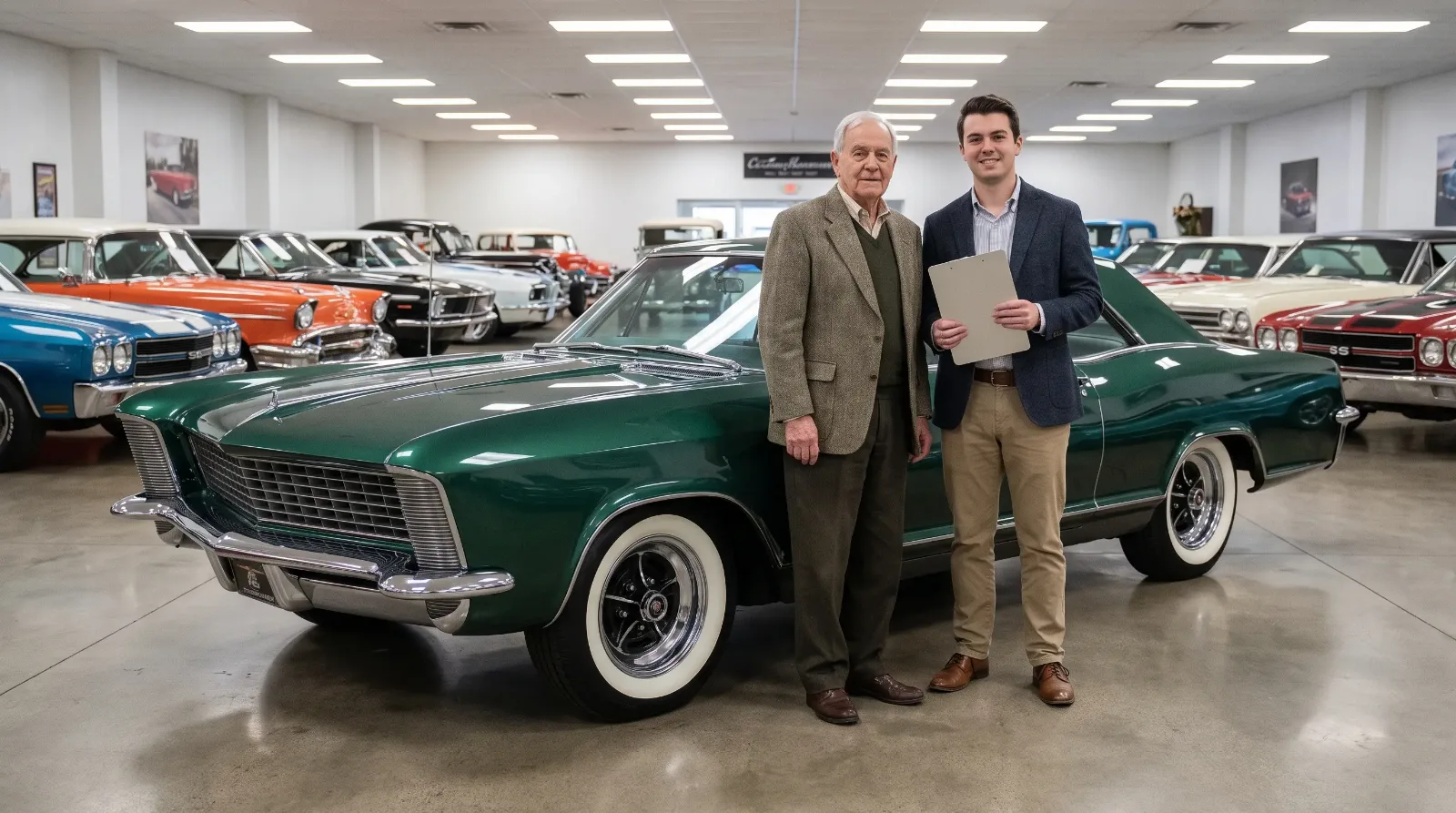
A consignment agreement moves a car's custody without moving its ownership, and that small legal distinction is where most of the insurance confusion begins. The dealer has the keys, the floor space and the buyers. You still hold the title, and with it the financial interest in whatever happens to the car between the day you deliver it and the day it sells. Consignment car insurance is the question of who pays if that interval goes badly: a fire in the showroom, a theft from the lot, a buyer who misjudges a corner on a test drive, a scrape on the transporter ramp. The answer is usually two or three policies, each covering part of the risk, with gaps between them that surface only when a claim is filed.
Market & Values
10 min read
Insurance and Liability While Your Car Is on Consignment
Consignment car insurance explained: what the dealer's garagekeepers policy covers, where your collector policy stops, and the gaps to close.

This piece sets out where those policies begin and end, and what to secure in writing before the car leaves your care. For the wider view of fees and terms, see our classic car consignment guide.
Ownership decides who carries the risk
Under a consignment, title stays with you until the sale closes. The dealer holds the car as a bailee, someone entrusted with another person's property, and where both sides benefit, as in a consignment, a bailee generally owes ordinary, reasonable care rather than a guarantee against every loss. In practice, the dealer answers for damage it causes through negligence, not automatically for damage it did not cause, such as an electrical fire that starts in your car's own wiring, a storm, or a theft from a properly secured building.
That leaves a share of the risk with the owner, which is precisely why your own policy matters. It is also why consignment agreements usually carry a loss and damage clause. Some state plainly that the dealer's insurance is primary while the car is on its premises. Others state that the owner must keep the car insured and that the dealer is not liable for theft, fire or acts of nature. The language is often brief enough to miss on a first reading.
What the dealer's policy actually covers
Dealers typically carry two separate coverages, and owners tend to assume they are one. Garage liability covers the business against claims arising from its operations, such as a customer injured on the premises. Garagekeepers coverage is the part that concerns you: it covers customers' vehicles in the dealer's care, custody and control. Some dealers instead insure consigned cars alongside their own stock, under a dealers physical damage policy or a specialist collector-car dealer program, so ask which policy actually names your car.
Garagekeepers coverage is written on one of three bases. Legal liability pays only when the dealer is legally liable for the loss, in effect when negligence can be shown; it is the cheapest and the most common. Direct primary pays for covered damage to a customer's vehicle regardless of fault, ahead of the owner's own policy. Direct excess also pays regardless of fault, but only after any other collectible insurance, which usually means yours, has responded. "Fully covered" may describe a legal liability form that pays nothing after a lightning strike.
Limits deserve the same scrutiny. A garagekeepers limit typically applies per location and per event, shared by every customer car damaged at once, usually with a deductible per car. A dealer whose limit was set around ordinary used cars may be underinsured for a single $150,000 coupe, let alone a fire that takes a room full of them. Valuation is the third issue. A standard commercial policy will generally settle on actual cash value, what the car was worth on the day of the loss, rather than on the agreed value written into a collector policy. Specialist collector-car dealer programs differ, and some settle on market value or an agreed value, so ask which basis applies to your car. For an original, well-documented car the gap can be considerable, because an adjuster working from general market data rarely credits originality or provenance at their real weight.
Where your own collector policy stops
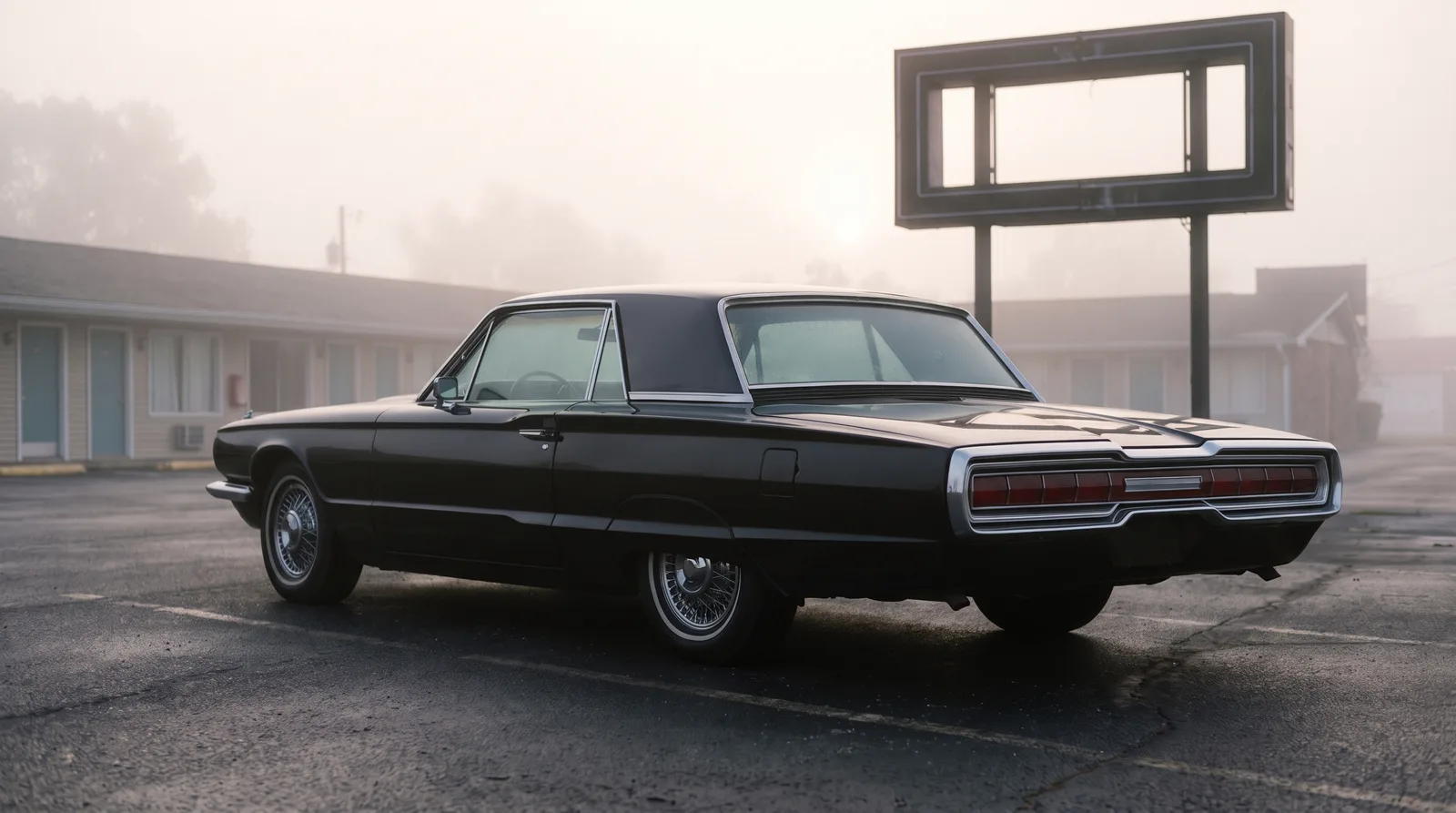
Collector car policies are written around a particular pattern of use: limited driving, secure storage at a stated location, and drivers named on the policy. A consignment can depart from all three at once. The car is stored at a commercial address, driven by people you have never met, and held by a business whose purpose is to sell it. Personal and collector policies commonly exclude business use, and some insurers treat a car held by a dealer for sale, or driven by someone other than a listed driver, as outside the policy. Others cover it without difficulty. Ask your insurer before delivery and get the answer in writing.
Ask specifically: is the car covered for physical damage, theft and fire while it is stored at the dealer's address, while dealer staff move it, and while prospective buyers drive it, and on what valuation basis. If any answer is no, ask whether an endorsement can close the gap. Do not cancel or reduce the policy because the car has left your garage; until the title transfers, the loss is still yours.
The same caution applies after the sale. Keep the car insured until the buyer has paid in full and the title is signed over. In California, the Notice of Transfer and Release of Liability is due within 5 days of the sale, and it is that filing, not the handshake, that separates you from what the next owner does with the car.
Test drives, showings and transport
The moments of highest risk in a consignment are brief and easy to overlook. A test drive puts an unfamiliar driver behind an unfamiliar car. Ask the dealer to state in the agreement who may drive it, whether a staff member must ride along, whether the buyer's license and insurance are checked first, and whose policy responds if there is an accident. Whose policy responds depends on the state, whose plates are on the car and who is driving: it may be the dealer's garage policy, the buyer's own auto policy, yours, or some combination. Do not assume dealer plates will be used. North Carolina, for example, bars dealers from demonstrating a consigned car on dealer plates; the owner's plate may be used only while the registration is active and liability insurance is in effect, which puts your own policy squarely in the frame.
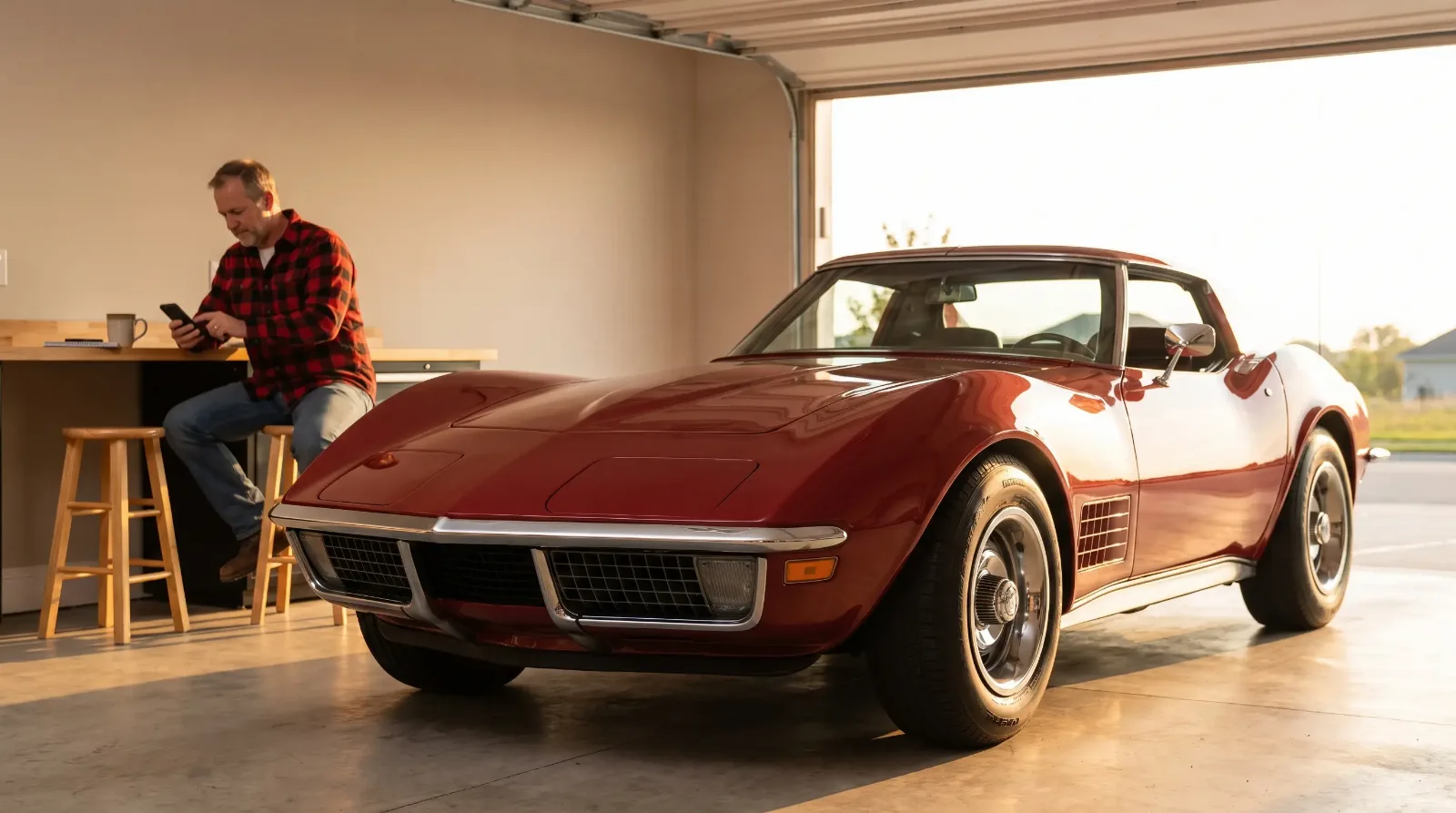
Remote consignment shifts these questions back toward you. When the car stays in your garage and the dealer sends buyers to your home by appointment, a visitor who trips over a floor jack is a matter for your homeowner's liability coverage, and a buyer who drives the car is likely a matter for your auto policy. Be present for every showing.
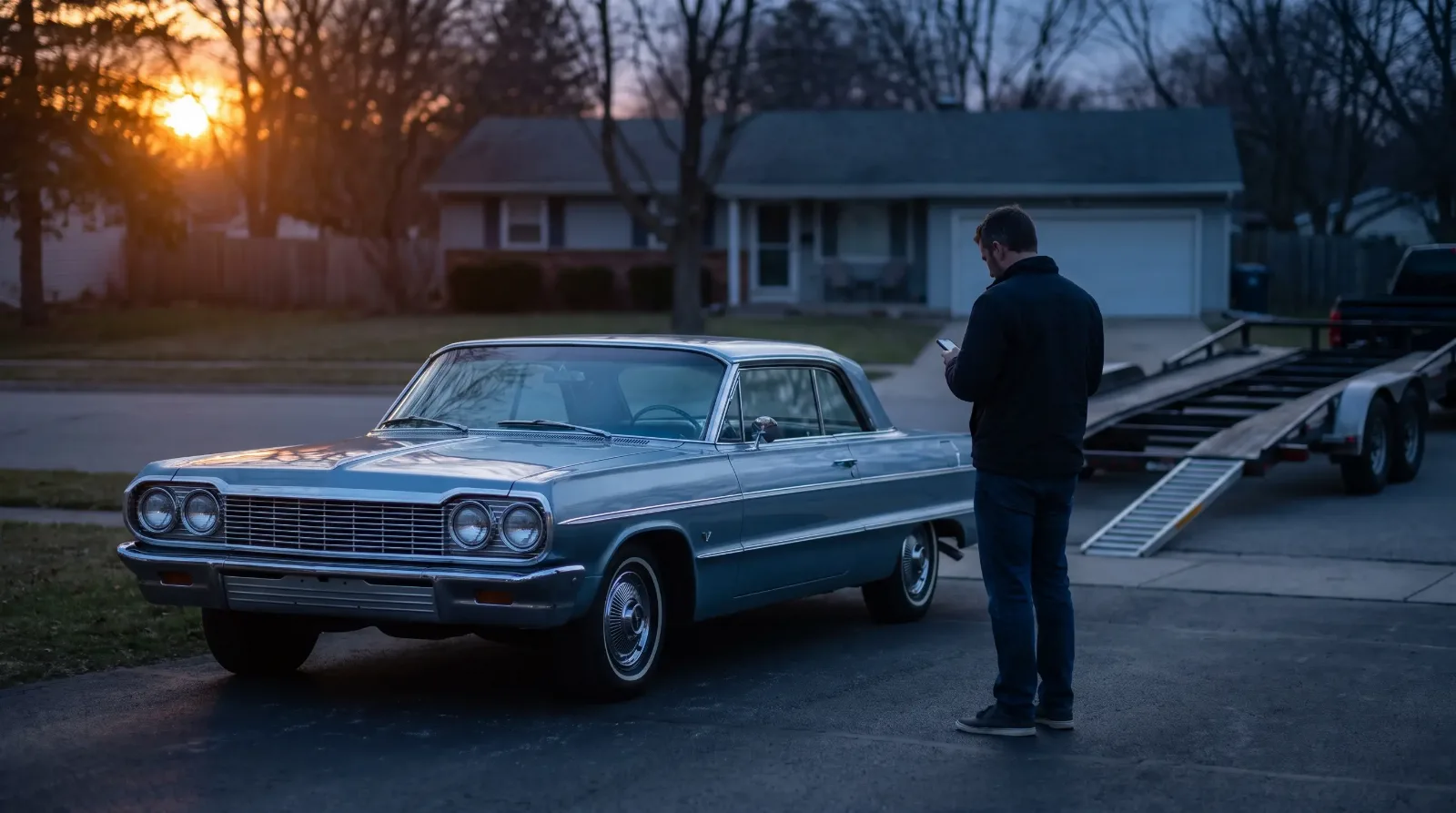
Transport is the third gap. Auto carriers' cargo insurance is commonly written per load rather than per car, often somewhere around $100,000 to $250,000 shared across everything on the trailer, which can be well below the value of a single collector car. Ask for a certificate of insurance for the specific carrier assigned to your car, and if its cargo limit falls short, arrange extra coverage, or confirm your own policy covers the car in transit, before pickup.
| Risk | Usually responds first | What to obtain in writing |
|---|---|---|
| Fire, theft or storm damage on the dealer's premises | Dealer's garagekeepers coverage if written on a direct basis; otherwise often the owner's policy | Certificate of insurance showing the coverage form, per-vehicle limit and deductible |
| Damage caused by dealer staff moving the car | Dealer's garagekeepers coverage | A clause making the dealer responsible for its own negligence, with no blanket waiver |
| Accident during a buyer's test drive | Depends on who drives and whose plates are used | Test drive rules: who drives, ride-along requirement, license and insurance check |
| Injury to a visitor at a home showing | Owner's homeowner's liability coverage | Showings by appointment only, with the owner present |
| Damage in transit to or from the dealer | Carrier's cargo coverage, up to its limit | Carrier's certificate showing a cargo limit at or above the car's value |
| Loss after sale but before title transfer | Owner's policy | Keep coverage until funds clear and title is signed; file your state's release |
Closing the gaps before you sign
Most of this can be settled in an afternoon before delivery, and almost none of it after a loss. Photograph the car thoroughly on the day of delivery, inside and out, record the odometer reading, and have the dealer sign a condition report that matches the photographs. Keep a copy of your appraisal or agreed value; it becomes the basis of any argument over what was lost.
Then read the loss and damage clause of the agreement and set it beside the dealer's certificate of insurance. If the agreement says the dealer's coverage is primary, the certificate should show coverage on a direct basis with a per-vehicle limit that fits your car. If the agreement asks you to waive claims against the dealer, decline that clause or confirm that your own insurer accepts the arrangement, because a waiver signed before a loss can stop your insurer from recovering its payment from the dealer. That right of recovery, called subrogation, lets an insurer that has paid a claim pursue the party at fault, and some policies limit what you may give away.
"A car on consignment is still yours in every way that matters to an insurer. The dealer holds it for a time. The responsibility for what it is worth, and for proving what it was worth, never left your hands."
Sarah Whitfield
A dealer who answers these questions clearly and supplies a certificate without hesitation is showing you how it will treat the car. One who cannot name its garagekeepers coverage form, or insists a blanket waiver is standard, is showing you something too. Vague answers on insurance belong to a wider set of warning signs that owners most often regret overlooking, and the details are here.
Sources and notes
- Garage coverage form and garagekeepers: legal liability, direct primary and direct excess; limit per location, deductible per auto
- Insurance Journal: Garage liability or garagekeepers? That is the question
- Hagerty: Dealership insurance (consigned autos, valuation at loss, direct primary garagekeepers)
- North Carolina DMV rule 19A NCAC 03D .0226: no dealer plates on consigned vehicles
- Ship A Car, Inc.: cargo insurance limits per load for high-value cars
- NAIC Journal of Insurance Regulation: Salvage and subrogation in the property liability insurance industry
The bailment standard of care follows the general common law rule for bailments that benefit both parties; state law varies. Agreed value and actual cash value definitions follow Hagerty's insurance guide. This is general information, not legal or insurance advice; your policy wording controls.
Related Reading
Have a
Classic Car
for Sale?
Reach thousands of serious classic car collectors across the US.
Sell It Here →
Selling a classic? Here's how: compare the places to sell classic cars
Are You a Classic Car Dealer?
List your full inventory and connect with targeted classic car buyers.
Join as a Dealer →
#agreed value
#collector car insurance
#classic car consignment
#consignment agreement
#consignment car insurance
#garagekeepers coverage
#test drive liability

About the author
Sarah Whitfield
Third-generation classic car collector specializing in pre-war American and European coachbuilt automobiles. Researcher and concours enthusiast.
Comments
Be the first to comment on this article.