
Somewhere in a Chevrolet regional office in 1969, a paperwork system built for ordering delivery trucks and taxi fleets became the back door into the fastest Chevelle GM never officially sold. The Central Office Production Order process existed for boring reasons, heavy-duty trailer packages, police package cars, export configurations, the kind of special-case builds that didn't fit the regular options sheet. A handful of dealers figured out it could also be used to build something GM's own corporate policy said shouldn't exist.
Market & Values
7 min read
COPO Chevelles: The Factory Loophole Muscle Cars
How a fleet-order paperwork system became the back door for 427 cubic inch Chevelles, and how Yenko Chevrolet became the dealer most associated with the loophole.
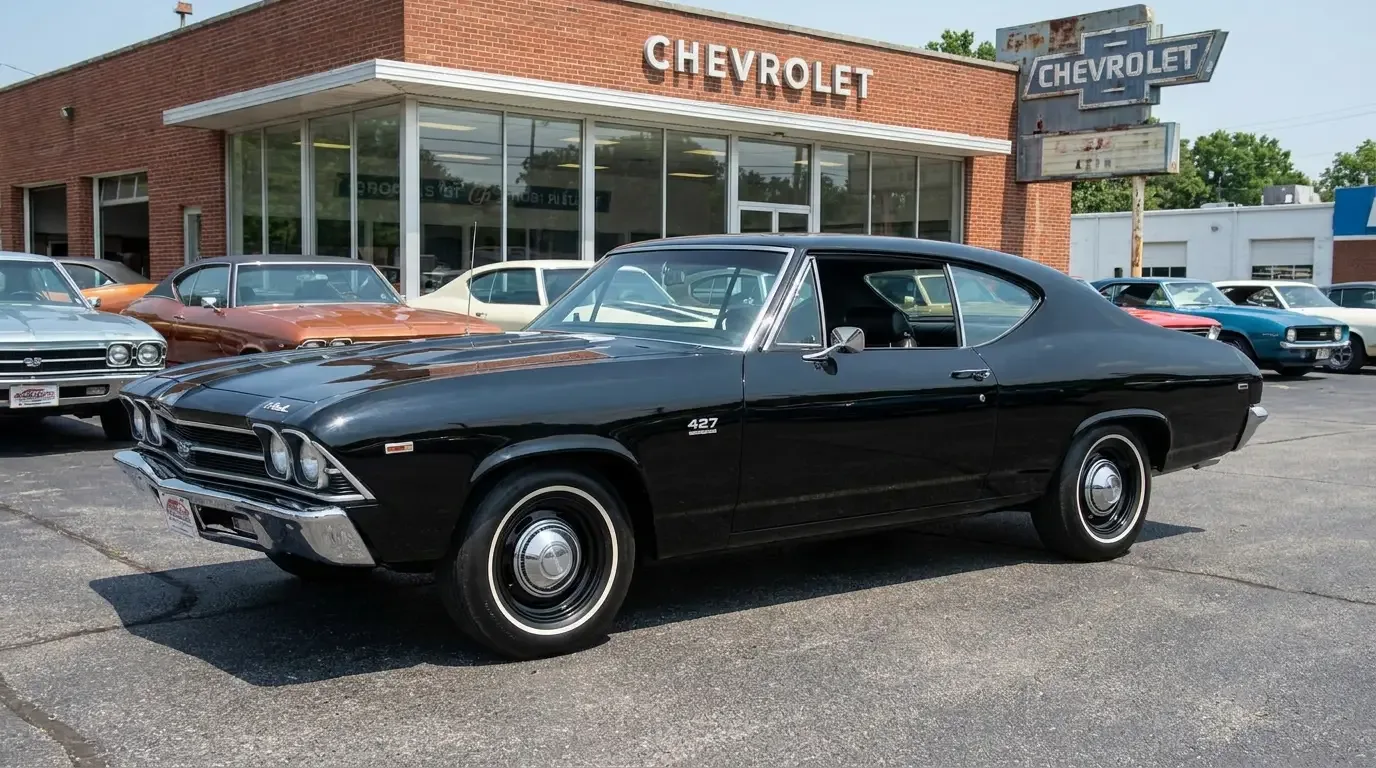
Chevrolet had a rule that mid-size cars like the Chevelle couldn't carry an engine over 400 cubic inches. It was meant to keep insurance costs and internal competition with the full-size cars in check. The COPO system didn't care about that rule, because on paper, a COPO order wasn't a regular-production Chevelle at all. It was a special build. That is the entire loophole in one sentence, and a few sharp dealers drove a 427 cubic inch engine straight through it.
How the loophole actually worked
A dealer with the right connections at Chevrolet's Chicago zone office, or a relationship with someone who understood the ordering system, could submit a COPO request specifying options that didn't exist on the regular Chevelle order form. COPO 9562 did exactly that for 1969, speccing the L72 427 cubic inch big-block, rated at 425 horsepower, into a Chevelle body. It wasn't advertised. It wasn't in the brochure. You couldn't walk into a showroom and ask for one unless you already knew the code and the dealer already knew how to write the order.
The story of how this fits into the broader Chevelle collector world is worth reading in full at the rare Chevelle story, which covers the other paths, factory options, dealer conversions, and pilot programs, that produced the model's rarest cars.
Yenko, Nickey, and the dealers who made it happen
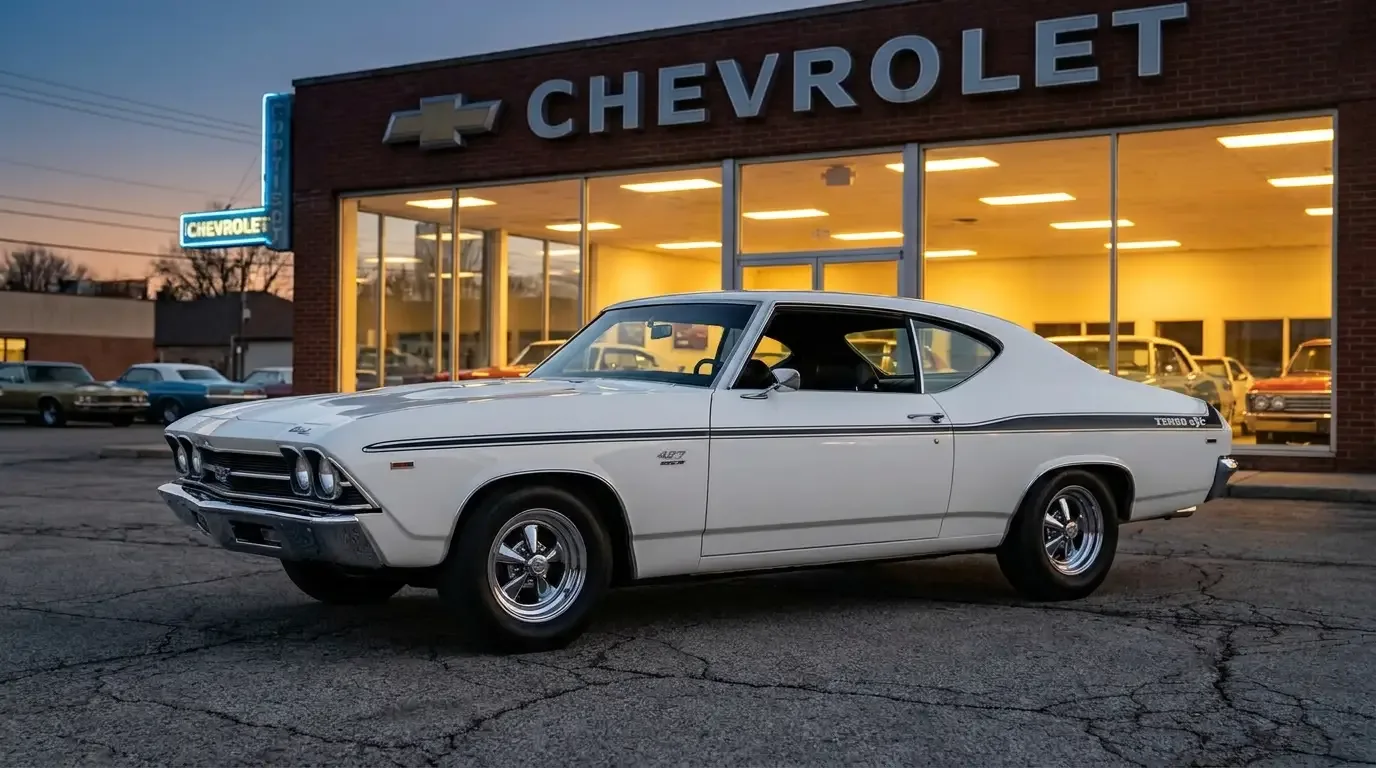
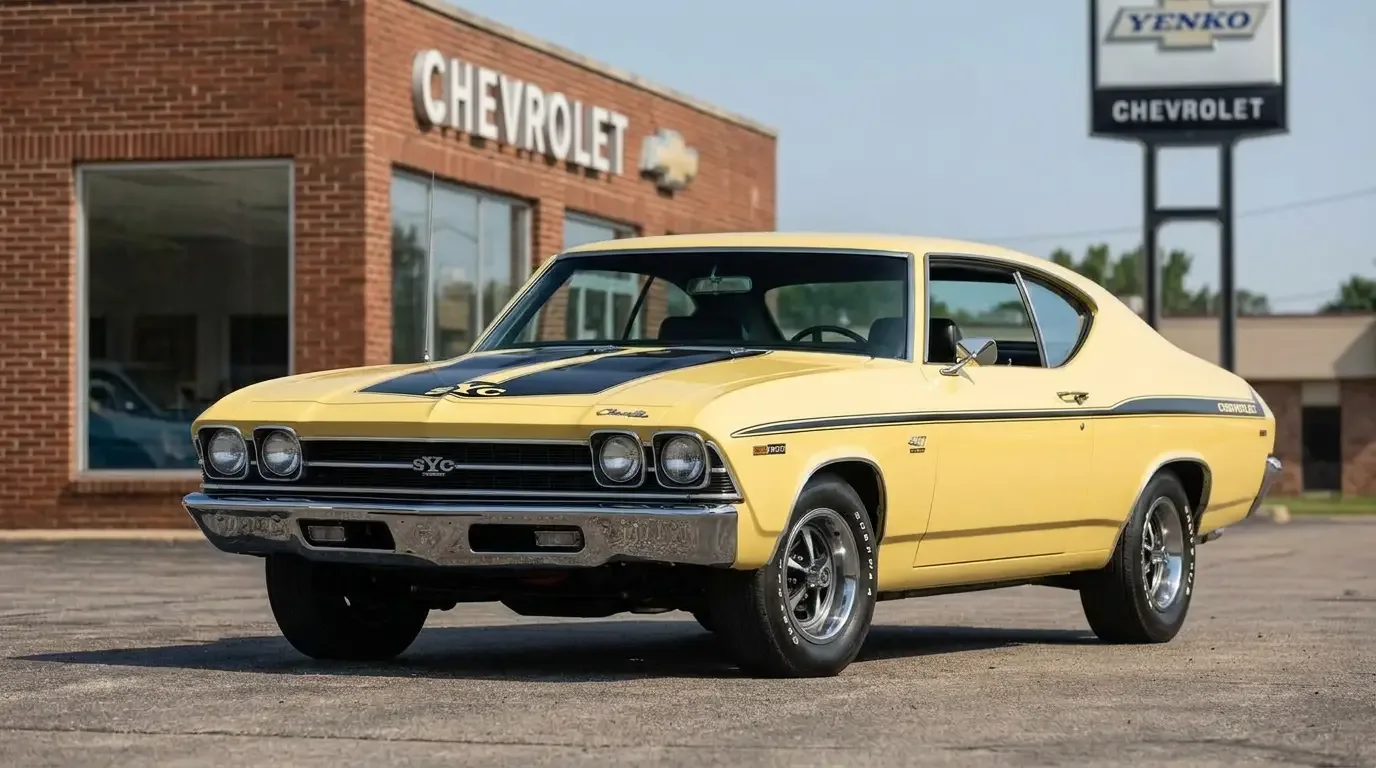
The names that come up again and again in COPO Chevelle history are dealers, not engineers. Don Yenko's dealership in Canonsburg, Pennsylvania is the name most associated with the Chevelle side of this story specifically, having ordered roughly a third of the entire 1969 COPO 9562 run and dressing the cars with sYc stripes, 427 fender badges, and Yenko Tuned valve cover stickers so a car built through the loophole didn't look like a stock Malibu. Fred Gibb Chevrolet in Illinois worked the same COPO process around the same period, but his name belongs more to the Nova and Camaro side of the story, having used it in 1968 to order L78 Novas and, the following year, the ZL1 COPO Camaro. Nickey Chevrolet in Chicago, working with tuner Dick Harrell, took a similar approach, ordering big-block cars through the system and adding performance modifications on top of what came from the factory. These weren't hot rod shops bolting on parts after the fact in every case. Some of the work happened at the factory level, some happened at the dealership, and untangling which is which on a specific car is exactly the kind of research that makes this corner of the hobby so stubborn and so rewarding.
How many were actually built
The figure most commonly cited across the registries that track these cars is 323 COPO 9562 Chevelles built for the 1969 model year, all based on the base Malibu coupe body rather than the SS. Yenko's dealership ordered 99 of the 323, roughly a third of the entire run, with 17 more going to Canada and the rest spread across whichever Chevrolet dealers knew how to write the order. Even within that total, the exact split between the two available transmissions is disputed. Some records show 277 cars built with the four-speed and 96 with the Turbo 400 automatic, while others put it at 265 four-speeds and 93 automatics. What isn't disputed is that the population is small: registries today count somewhere around 66 known surviving cars out of the original 323. Part of the difficulty in nailing the numbers exactly is that COPO orders weren't tracked the way regular-production options were. There was no dedicated line in Chevrolet's standard production reporting for "COPO Chevelle." Researchers have had to reconstruct the population car by car, through invoices, dealer records, and cross-referencing with the handful of known survivors, rather than pulling a clean number from a factory ledger. That is part of why documentation matters so much with these cars.
I've sat in on enough swap meet arguments about the real count to know it's never going to fully settle. One collector will point to a dealer invoice ledger that surfaced in the 1990s. Another will bring up a chassis someone found in a barn that never made it into any known registry. Every few years somebody turns up a car nobody had documented before, and the number creeps up by one. That's part of what makes this corner of the hobby feel alive rather than settled. The story of these cars is still being written by the people finding them.
Telling a genuine COPO from a tribute build
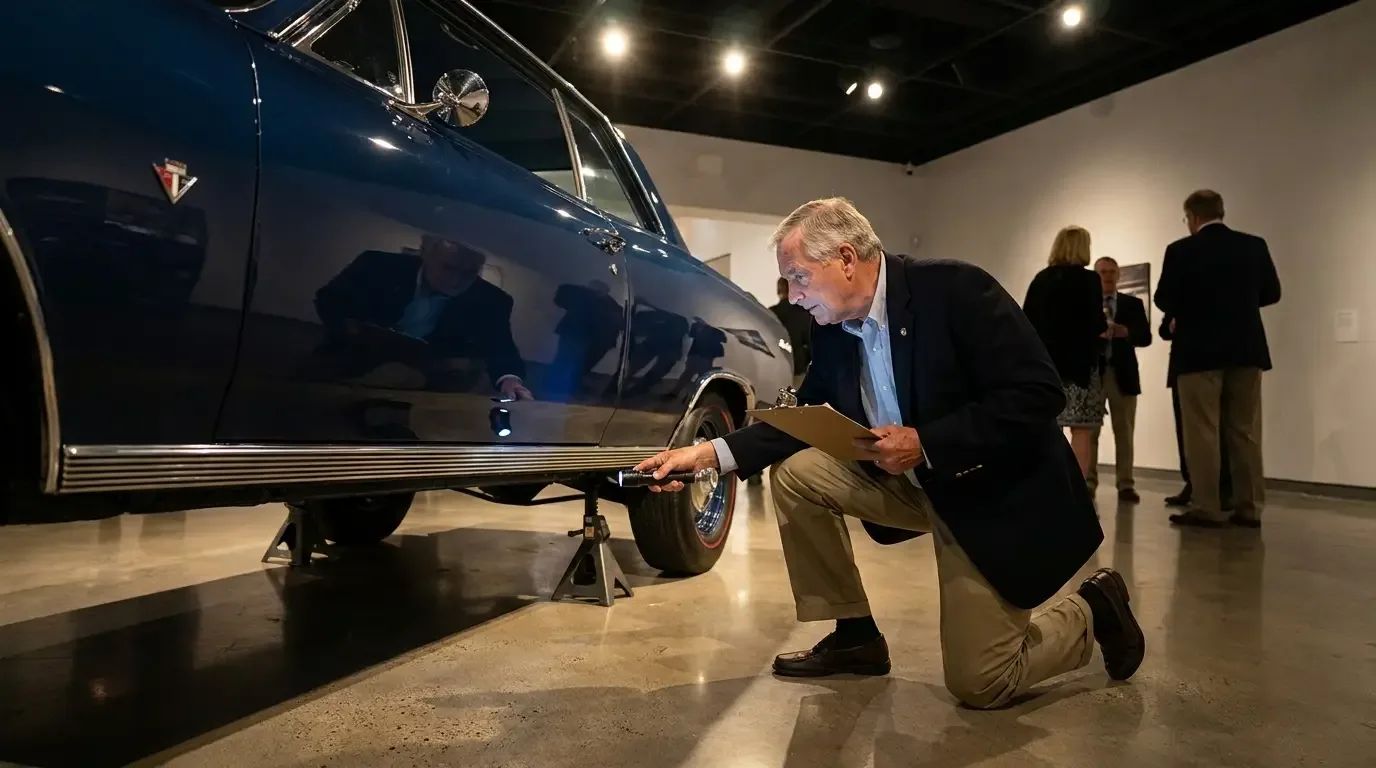
The flip side of the loophole story is that once COPO Chevelles became legendary, plenty of people built tribute cars, dropping a correct-type 427 into a standard Chevelle and calling it a recreation of the real thing. Nothing wrong with that, as long as everyone involved is honest about what the car is. The trouble starts when a tribute gets sold down the line as an original without the seller making that distinction clear, sometimes because the story got fuzzy after two or three owners, sometimes because somebody wanted the bigger number. The cowl tag, the trim tag, and whatever factory paperwork survives are what separate a genuine COPO from a well-built imitation, and any serious buyer should insist on seeing them before treating a car's COPO story as settled fact.
"Talk to enough owners of these cars and you realize the paperwork trail is half the appeal. You're not just buying a fast Chevelle, you're buying into a story that a handful of guys at a dealership found a way around Detroit's own rules."
Patrick Walsh
Why this story still resonates with collectors
There is something specific about a car that exists because a dealer found a gap in the paperwork rather than because a marketing department greenlit it. It's a different kind of legend than the factory hero cars that got their own brochure page. The COPO Chevelle's appeal has always been partly about the engineering and partly about the audacity of the people who made it happen, working within a system built for fleet trucks to build one of the meanest street cars Chevrolet ever put a bowtie on. If you want to see what's currently available in that spirit, whether an original COPO survivor or a well-documented big-block Chevelle from the same era, you can shop Chevelle inventory and see what the market looks like today. For the story of a dealer who took the same idea even further with a different brand of muscle, read next: The Yenko Chevelle.
Sources and notes
- ChevelleStuff.net, 1969 Chevelle COPO Information
- ChevyWorld.net, 1969 COPO Chevelle
- Street Muscle: Rare Rides: The 1969 Chevy Chevelle COPO L72
- autoevolution, 1969 Chevy Chevelle COPO: A Look Back at the Rare 427 L72-Powered Muscle Car Icon
- HowStuffWorks, 1969 Chevrolet Chevelle COPO 427: A Profile of a Muscle Car
- Wikipedia: Nickey Chevrolet
Related Reading
Have a
Chevrolet Chevelle
for Sale?
Reach thousands of serious classic car collectors across the US.
Sell It Here →
Are You a Classic Car Dealer?
List your full inventory and connect with targeted classic car buyers.
Join as a Dealer →

About the author
Patrick Walsh
Automotive journalist covering classic car shows, events, and the enthusiast community across North America.
Related Listings - Chevrolet Chevelle
Comments
Be the first to comment on this article.