
Every few months a "Yenko Chevelle" shows up in an online listing or a Facebook group, badged, striped, and priced like a documented COPO car. I get asked to weigh in on these more than almost any other muscle car claim I appraise, and the honest answer surprises people in both directions. Don Yenko's dealership did build a real, factory-documented Chevelle program, just a much smaller and shorter one than the Camaro and Nova programs it's usually lumped in with: one model year, one COPO order, 99 cars. Understanding that scale matters more than the badge on the fender when real money changes hands.
Market & Values
7 min read
The Yenko Chevelle: Myth vs Reality
Most cars sold as Yenko Chevelles lack COPO-level documentation. An appraiser breaks down what's real, what's tribute, and what's just a story.
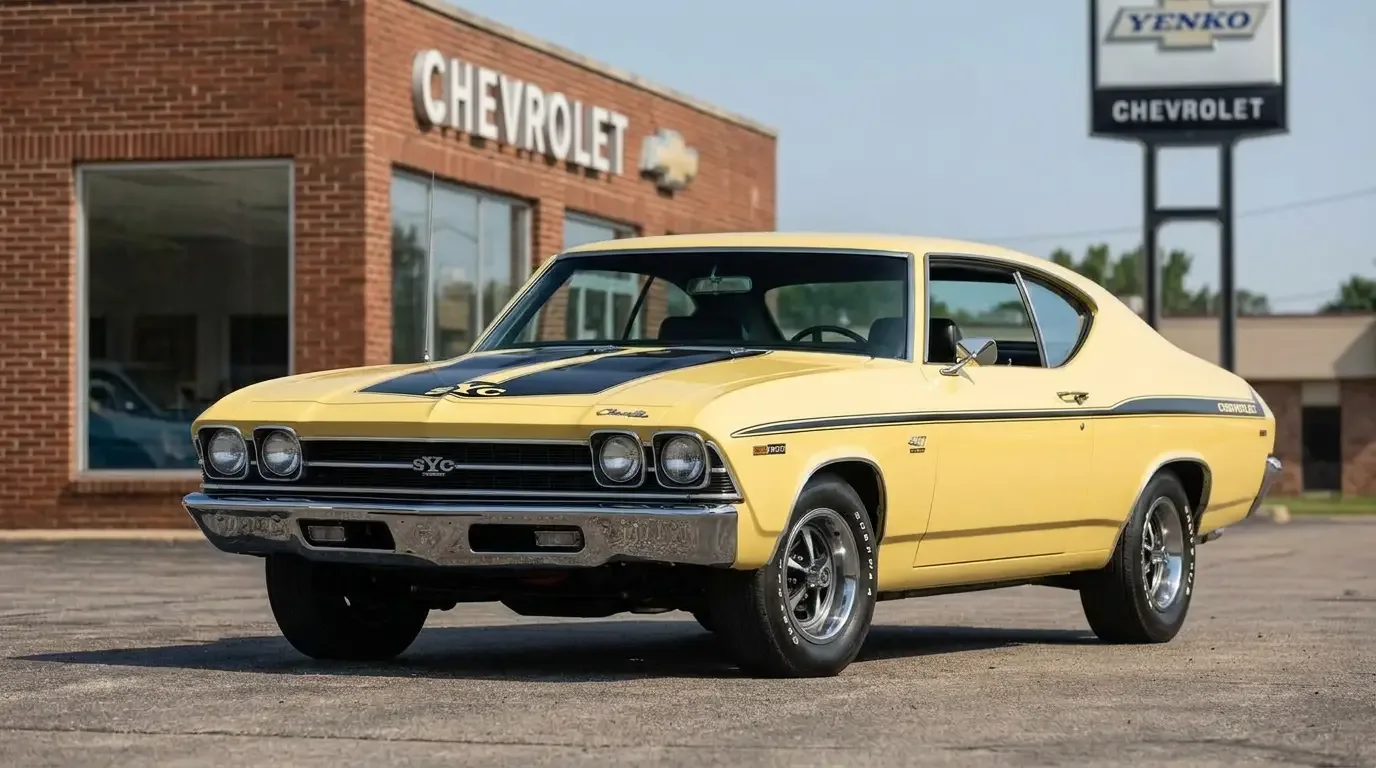
This is an appraisal problem before it's a nostalgia problem. A car with a story and a car with paperwork are two different assets, and the gap between them is where buyers lose money.
What Yenko Chevrolet actually built
Don Yenko ran a Chevrolet dealership in Canonsburg, Pennsylvania, and from the mid-1960s he used the factory's Central Office Production Order system, known as COPO, to get big-block engines into cars GM's own ordering guides said couldn't have them. The best-documented result is the Yenko Super Camaro, built through COPO 9561 in 1969, which swapped a 427 into a car factory-rated for a 396. Yenko also converted Novas into the Yenko Deuce, and that same year he put in a Chevelle order of his own through a separate program, COPO 9562. Those cars carry factory build sheets, dealer paperwork, and decades of registry work behind them. The documentation trail for a Camaro or Nova with genuine Yenko provenance is, relatively speaking, well worn.
The Chevelle has a real trail too. It's just far shorter: one COPO program, one model year, 99 cars, and there's a straightforward reason it never grew beyond that.
Why the Chevelle rarely wore a Yenko badge
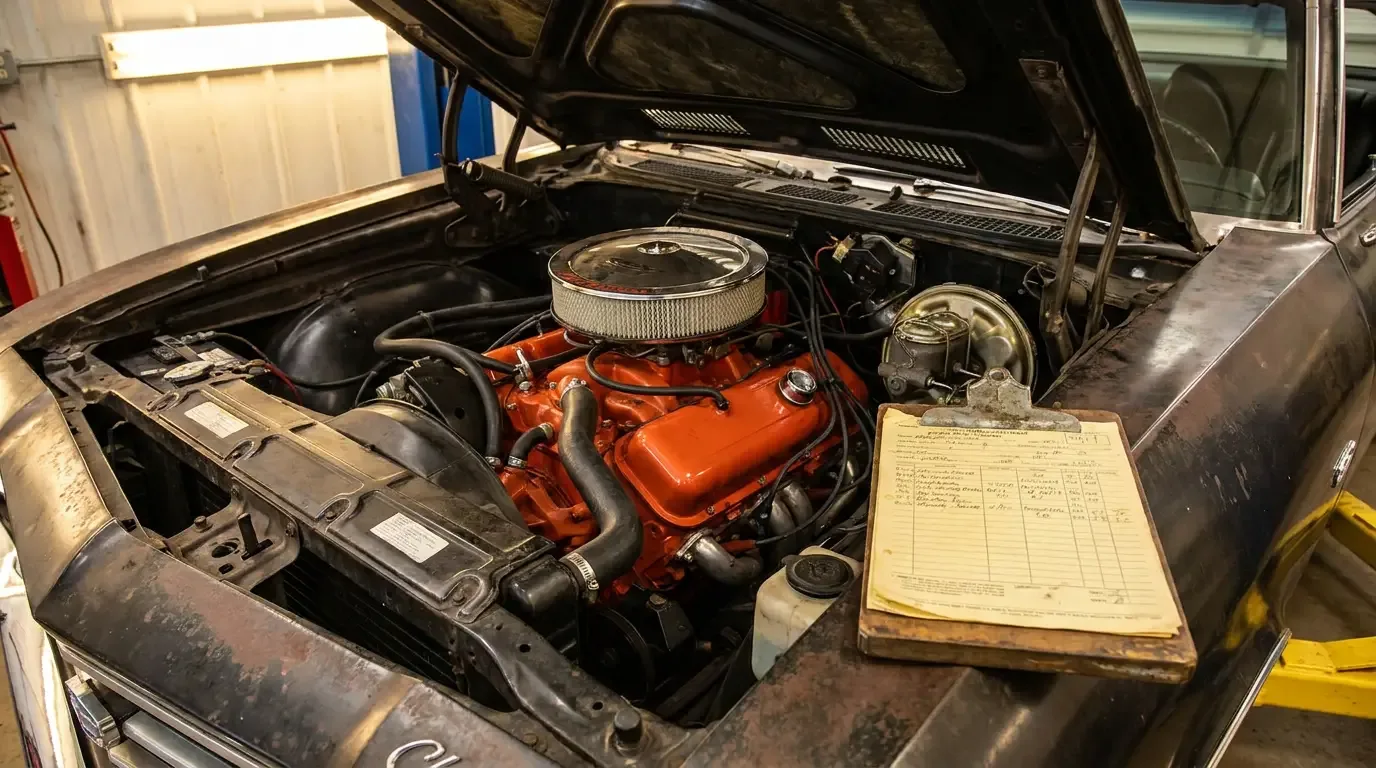
In 1969, the Chevelle SS's factory order guide topped out at the 396. If you wanted a 427 in a Chevelle that year, the only route was the same one Yenko used on the Camaro: COPO. He ordered 99 Chevelles through COPO 9562, which installed the L72 427, factory-rated at 425 horsepower at 5,600 rpm and 460 lb-ft at 4,000 rpm, in cars the standard brochure said couldn't have it. Chevrolet built 323 COPO 9562 Chevelles that year in total, Yenko's 99 among them, and something like 66 are estimated to survive today. That program is real, it's documented down to chassis numbers, and it's tracked car by car by the Supercar Registry. It just lasted exactly one model year.
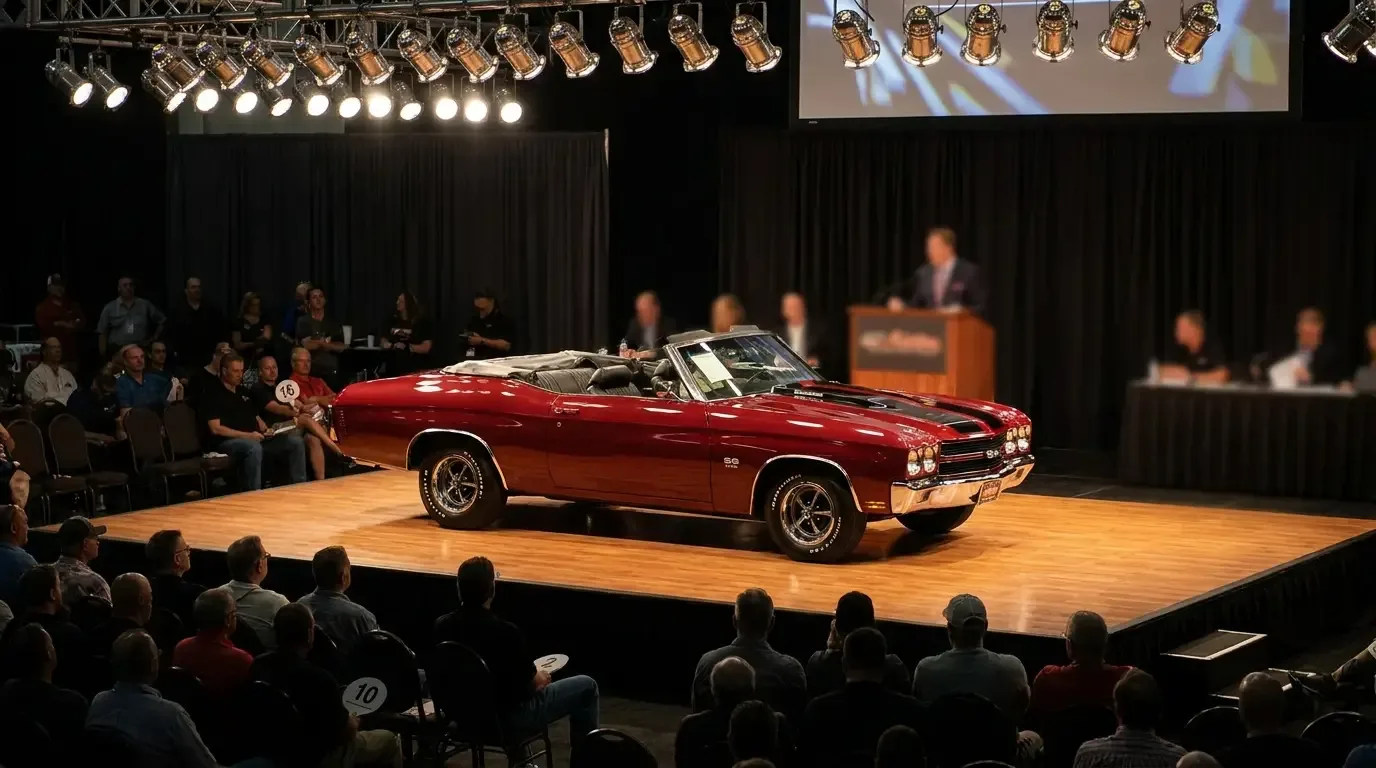
By 1970 the problem Yenko had solved didn't exist anymore. The Chevelle SS454 was now available with the LS6, a 454 cubic inch big block factory-rated at 450 horsepower and 500 lb-ft of torque, straight off the order sheet. A buyer who wanted the biggest engine Chevrolet offered could simply check a box, no dealer workaround required. That killed the economic logic that made the COPO conversion worth doing, and it's why the genuine Yenko Chevelle story stops at 1969.
Yenko did put his name and decals on cars beyond that core COPO batch, and some of the 99 COPO 9562 cars, along with other Chevelles from his broader performance line, carried the "sYc" (Yenko Super Car) branding that also went on Camaros and Novas that year. But a factory-documented COPO Chevelle conversion outside that one 99-car, one-year order doesn't exist. Anyone offering you a "Yenko Chevelle" from a year other than 1969, or one that can't be traced to a chassis number inside that specific order, should be asked for the paperwork that would exist if the claim were true, because for any other year, it isn't there.
Reading the market claims correctly
Most of what circulates as a Yenko Chevelle falls into one of three buckets. The first is a Chevelle with genuine period Yenko dealer involvement, dressed with Yenko decals and options through the dealership's own performance line, which is a real and collectible thing but a different claim than a COPO conversion. The second is a well-built tribute, openly represented, restyled to evoke the Yenko look with no pretense of factory provenance. The third is a car being marketed with implied factory Yenko lineage that the paperwork doesn't support, and that's the one that costs buyers money.
I appraise these the same way I appraise any performance car with a contested story: condition first, documentation second, and the two have to agree before I put a number that reflects "genuine" on anything. A #2 condition Chevelle with a thin or absent paper trail on the Yenko claim isn't a documented Yenko car. It's a very nice SS454 with a story attached, and the appraisal has to say so plainly.
| Claim type | What to expect in documentation | Appraisal treatment |
|---|---|---|
| Genuine 1969 COPO 9562 order (one of the 99) | Chassis number traceable to Yenko's order, Supercar Registry documentation, factory L72 build codes | Full documented Yenko premium, verified against registry records |
| Genuine period Yenko dealer car (non-COPO) | Dealer invoice, period photos, sYc decal/option records where they exist | Valued on documented facts, premium for verified provenance |
| Open tribute build | Builder invoice, no factory COPO claim | Valued as a well-built SS396 or SS454 clone, no provenance premium |
| Undocumented "Yenko Chevelle" claim (any year but 1969) | Story only, no invoice or factory paper trail | Treated as unverified, priced at standard SS comps until proven otherwise |
None of this means every Yenko-branded Chevelle is fraudulent. Don Yenko's dealership did sell and modify Chevelles through its broader performance operation, and some of that history is real and worth paying for. The problem is that the phrase "Yenko Chevelle" gets used loosely enough in casual conversation and in listings that it now covers everything from documented dealer cars to open tributes to outright embellishment, and buyers rarely get told which one they're looking at until an appraiser asks the hard questions. If you're chasing Chevelle's collector world for something with a real dealer-performance pedigree, start with the paperwork, not the decals.
"A story is not an asset. A dealer invoice is an asset. When somebody hands me a Yenko Chevelle to appraise, the first thing I do is set the story aside and go looking for the paper that would have to exist if the story were true. Half the time it isn't there, and the number has to reflect that."
Marcus Feld
The verdict on buying one
If you're looking at a Chevelle marketed with Yenko lineage, treat the claim as unproven until the seller produces documentation specific to that car, not general history about the Yenko dealership. Ask for the invoice, the chain of ownership, and any period photography. If none of that exists, price the car as what it demonstrably is, likely a well-optioned SS454 or a tribute build, and don't pay a provenance premium for a story that can't be verified. That's not skepticism for its own sake. It's the only way to protect the buyers who are paying real money for the full Chevelle story, genuine Yenko lineage included, rather than a badge and a rumor.
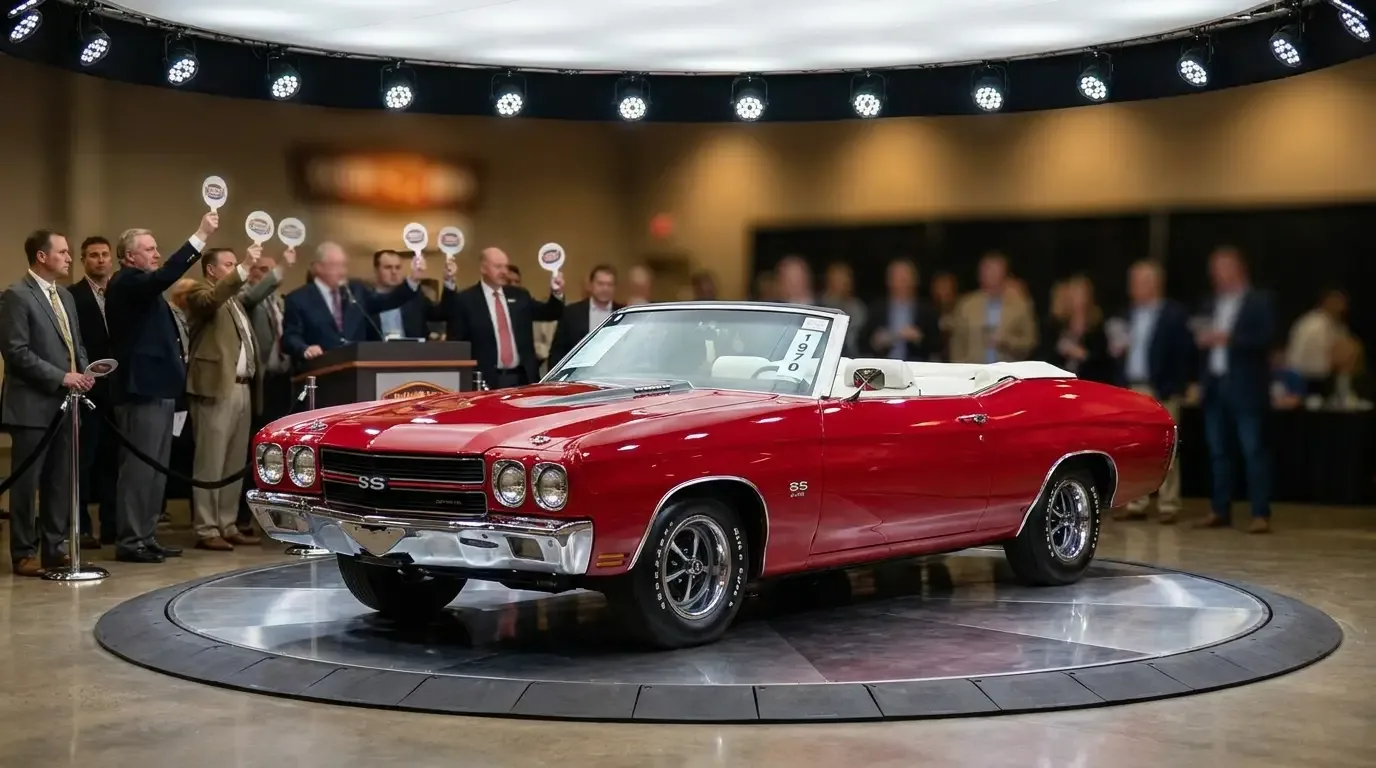
For buyers who want a documented, factory-backed big-block Chevelle without wading into contested provenance claims, the SS454 market itself is deep enough to satisfy that appetite. You can browse Chevelle listings and find factory-documented performance cars that don't require an appraiser's disclaimer before you write the check. Continue to next: The 1970 Chevelle SS454 LS6 Convertible Story for a look at the car that made the Yenko workaround unnecessary in the first place.
Sources and notes
- 1969 Chevy Chevelle COPO: A Look Back at the Rare 427 L72-Powered Muscle Car Icon, autoevolution
- Rare Rides: The 1969 Chevy Chevelle COPO L72: Street Muscle Magazine
- 1969 Yenko Chevelle L72 427/425HP: Supercars.net
- Documented Double COPO, 9562 427 and 9737 Yenko Sports Car: Bonhams Cars
- COPOS/Yenkos production numbers combined: Team Camaro Tech
- Chevy Built A 450-HP Family Car Before Anyone Was Ready: HotCars
Related Reading
Have a
Chevrolet Chevelle
for Sale?
Reach thousands of serious classic car collectors across the US.
Sell It Here →
Are You a Classic Car Dealer?
List your full inventory and connect with targeted classic car buyers.
Join as a Dealer →

About the author
Marcus Feld
Accredited collector-car appraiser who reads the market through hammer prices, condition tiers and risk.
Related Listings - Chevrolet Chevelle
Comments
Be the first to comment on this article.