
Two muscle cars can roll off the same assembly line in the same week, wearing the same paint, and sell years later for numbers that are tens of thousands of dollars apart. The body is identical. The story on the window sticker is not. Factory options are the single most misunderstood driver of muscle car option value, and the gap they create only widens as the market matures.
Market & Values
6 min read
How Factory Options Affect Value
Factory options decide muscle car value more than paint or bodywork. See which engine, transmission and rear-axle codes move the market and how to price them.
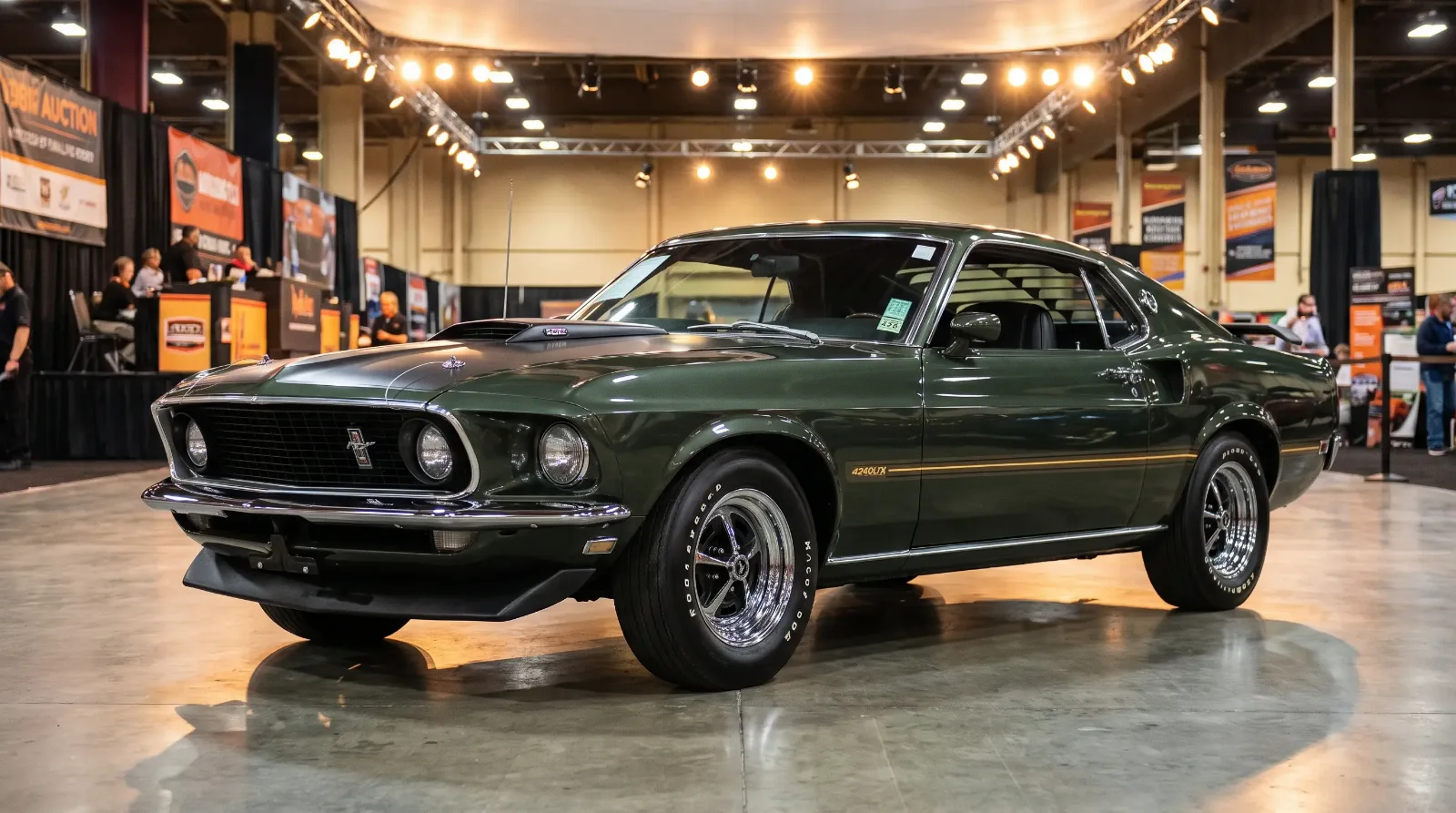
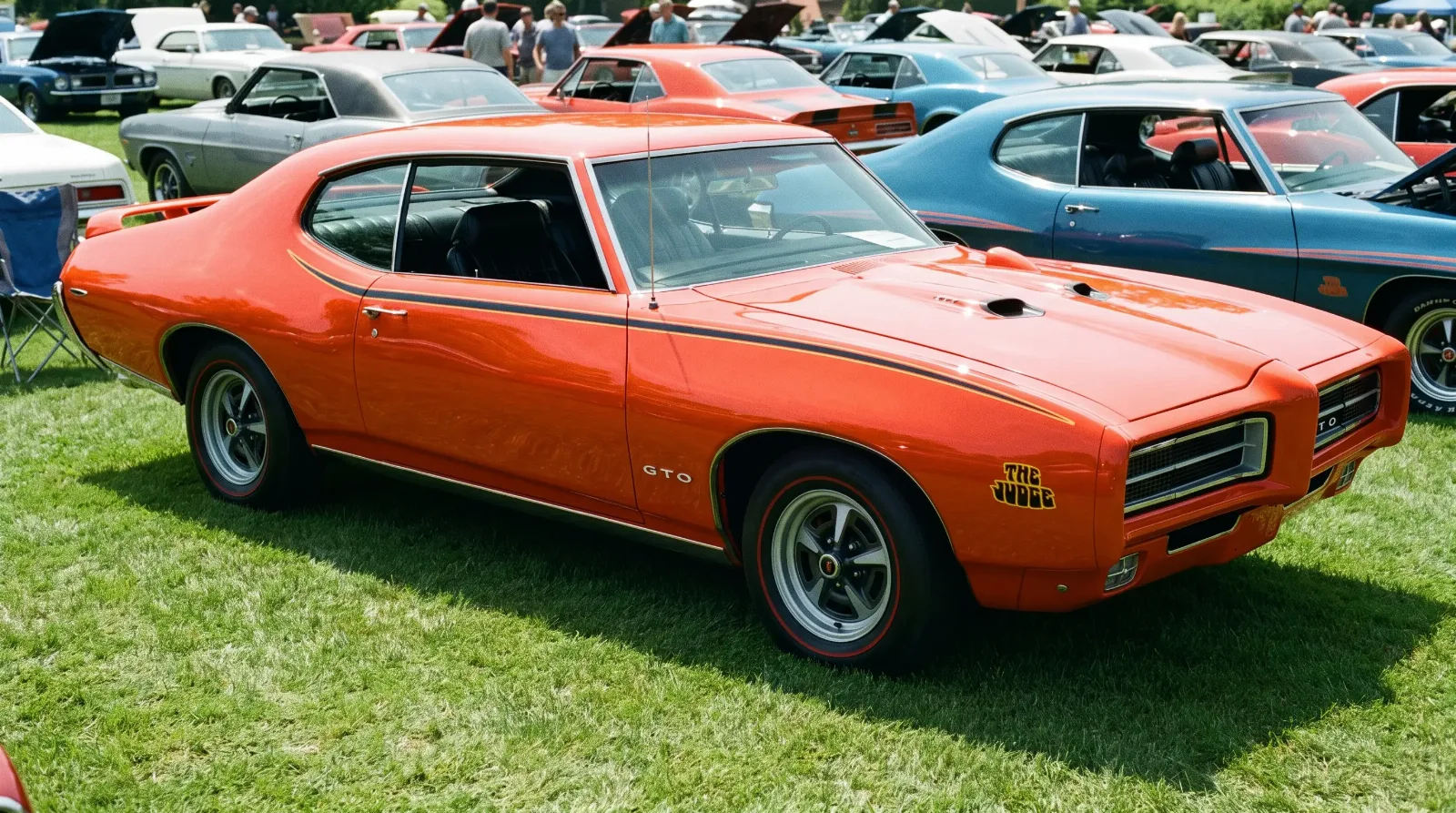
Buyers who came up on later cars think of options as convenience features. On a 1969 or 1970 muscle car, the option box is closer to a specification sheet that decides whether you own a genuine performance car or a base coupe someone dressed up. The market prices that difference precisely, and it does so at every auction I track from Scottsdale to Kissimmee.
Why two identical cars sell for different money
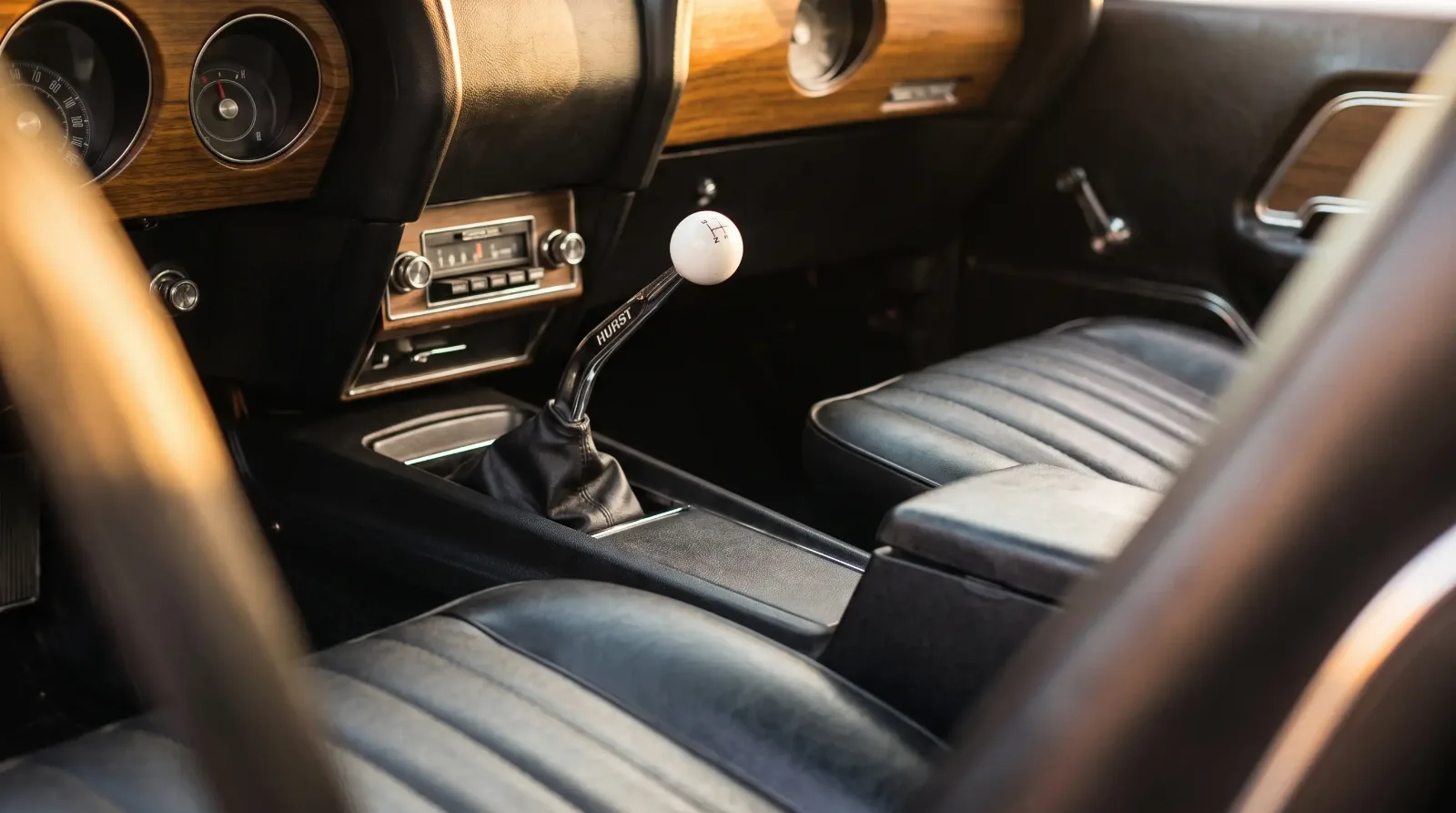
Start with the mechanical reality. A big-block, a four-speed, and a Positraction rear were expensive when the car was new, and they were ordered in far smaller numbers than the base drivetrain. Fewer built means fewer surviving, and scarcity plus desirability is the whole equation. When a documented four-speed car crosses the block against an otherwise identical automatic, the four-speed routinely commands a meaningful premium, often in the range of 10 to 20 percent depending on the model.
The reason the spread holds is buyer psychology at the top of the market. Serious collectors are not shopping for a car that looks the part. They want the exact configuration the factory built, because that is what holds value through the next cycle. If you want the broader context on how these forces stack up, our pillar guide will help you dig into the details.
Engine and drivetrain options that move the needle
Not every option carries weight. The market rewards performance hardware and mostly ignores comfort. A tilt column adds almost nothing. A rare high-output engine code can double a car. The hierarchy is consistent across brands even when the specific codes differ.
The engine is the anchor. A top-tier factory big-block, ordered in the hundreds rather than the thousands, sets a ceiling that no amount of cosmetic restoration can reach on a base car. Below that, the transmission matters, then the rear axle ratio and limited-slip, then the performance axle and cooling packages that signal the car was built to be driven hard.
| Factory option | Typical value effect | Why the market cares |
|---|---|---|
| Top performance engine code | Large, often the biggest single factor | Low production, defines the car's identity |
| Four-speed manual | Roughly 10 to 20 percent | Enthusiast-preferred, fewer survivors |
| Positraction / limited-slip rear | Modest but real | Signals a performance build |
| Factory cold-air or exhaust package | Small to moderate | Correct components are hard to find |
| Comfort options (power windows, tilt) | Negligible | Common, not performance-related |
The options collectors quietly pay for
There is a second tier of options that rarely makes headlines but shows up in the hammer price. Documented factory colors that were low-volume for the year. Bucket seats with a console and a floor shifter instead of a bench and a column. A build sheet or broadcast copy that confirms every code. None of these are glamorous. All of them narrow the pool of comparable cars, and a narrow pool is where premiums live.
I watch this play out at every major sale. Two cars, same model, same year. One has a stack of factory documentation confirming a desirable option list, the other has a clean body and a good story. The documented car sells with confidence and the undocumented one grinds toward a soft reserve or a no-sale. The options are only worth full money when the paper proves they left the factory that way.
How to price options without guessing
The mistake buyers make is treating an option list as an additive checklist. It does not work like a parts catalog where you sum the retail cost of each box. The market prices the whole configuration, and certain combinations carry a multiplier that individual options never would on their own. A big-block with an automatic is a good car. That same big-block with a four-speed, a Posi, and factory documentation is a different market segment entirely.
Price it by comps, not by adding line items. Find recent sales of cars with the same core options, in the same condition tier, and let those results set your range. Then ask what documentation supports each claimed option, because an unverified option is worth a fraction of a proven one. Color is the next variable that trips people up, and it deserves its own analysis, which is why we broke it out in a companion piece you can read the full story on.
"An option is worth what the paperwork says it is, not what the seller says it is. The engine code that turns a twenty-thousand-dollar car into a hundred-thousand-dollar car is the same code a forger dreams about, so I price the documentation first and the metal second."
David Mercer
The lesson holds across every muscle brand and every model year. Options are not decoration. They are the specification that the collector market has decided to price, and the buyers who understand that hierarchy stop overpaying for cosmetics and start paying for the codes that actually hold value. The same hierarchy applies when you are the one selling, and our guide to pricing your classic car before you sell shows how to turn options into an asking price.
Related Reading
Have a
Classic Car
for Sale?
Reach thousands of serious classic car collectors across the US.
Sell It Here →
Are You a Classic Car Dealer?
List your full inventory and connect with targeted classic car buyers.
Join as a Dealer →

About the author
David Mercer
Classic car market analyst with two decades of experience tracking collector car valuations, auction results, and investment trends.

Comments
Be the first to comment on this article.