
Muscle car production numbers are the closest thing this hobby has to a fundamental metric. Everything else, condition, color, options, sits on top of how many of a given car the factory actually built. When I appraise a car, the production figure sets the frame before I look at anything else, because scarcity is the one variable you cannot restore, repaint, or fake. A rebuilt engine can be corrected. A production count of a few dozen cars is permanent.
Market & Values
6 min read
How Production Numbers Drive Value
How muscle car production numbers drive value: why scarcity prices in tiers, why survivors beat factory totals, and where buyers misread the counts.
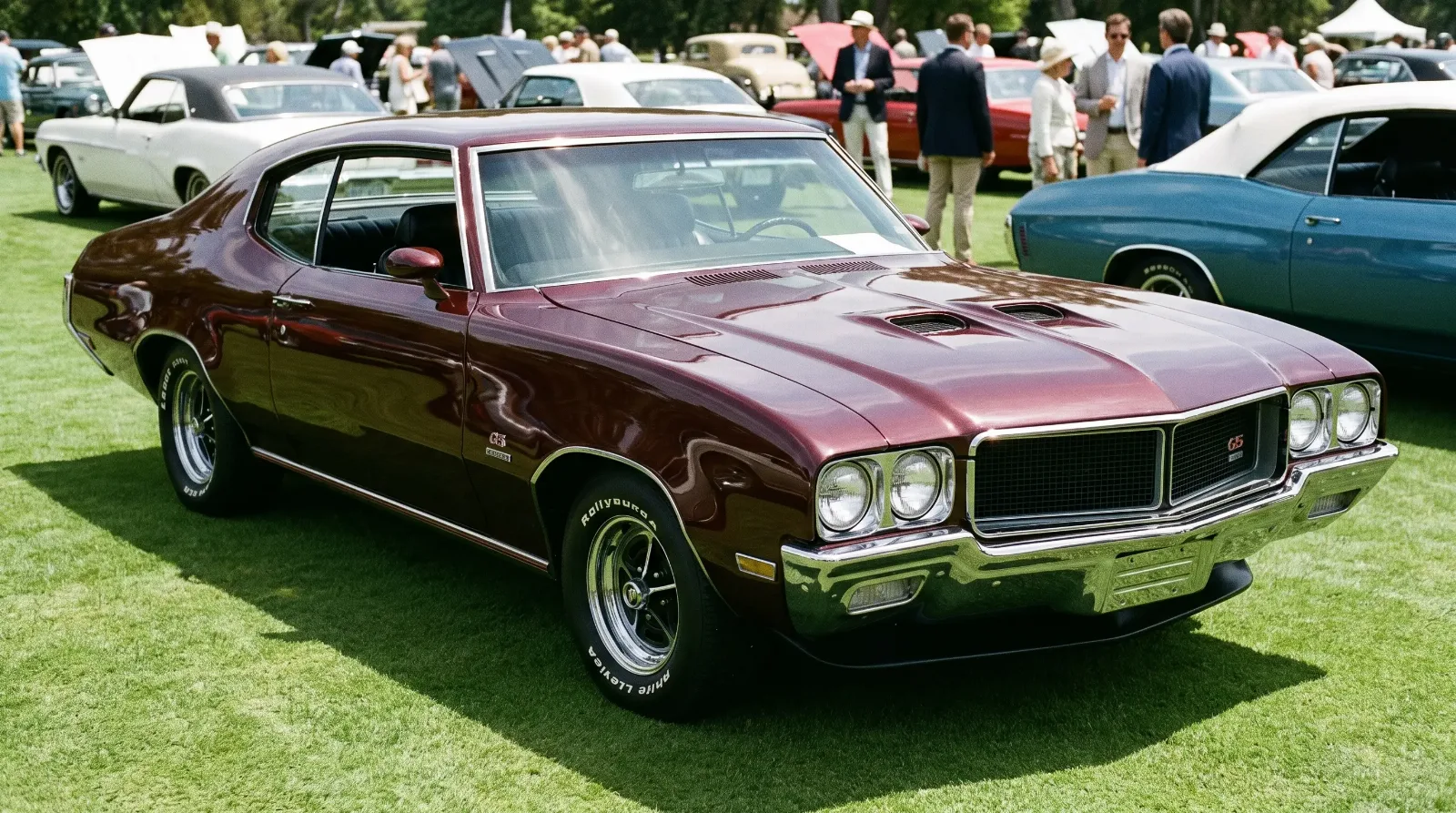
But raw numbers are easy to misread. A low figure does not automatically mean high value, and a large figure does not automatically mean cheap. What matters is the relationship between how many were built, how many survived, and how many people want one. Get that relationship right and the price makes sense. We cover the wider valuation picture in depth, and we cover it in detail there, but production numbers deserve a close look on their own.
How scarcity actually prices out
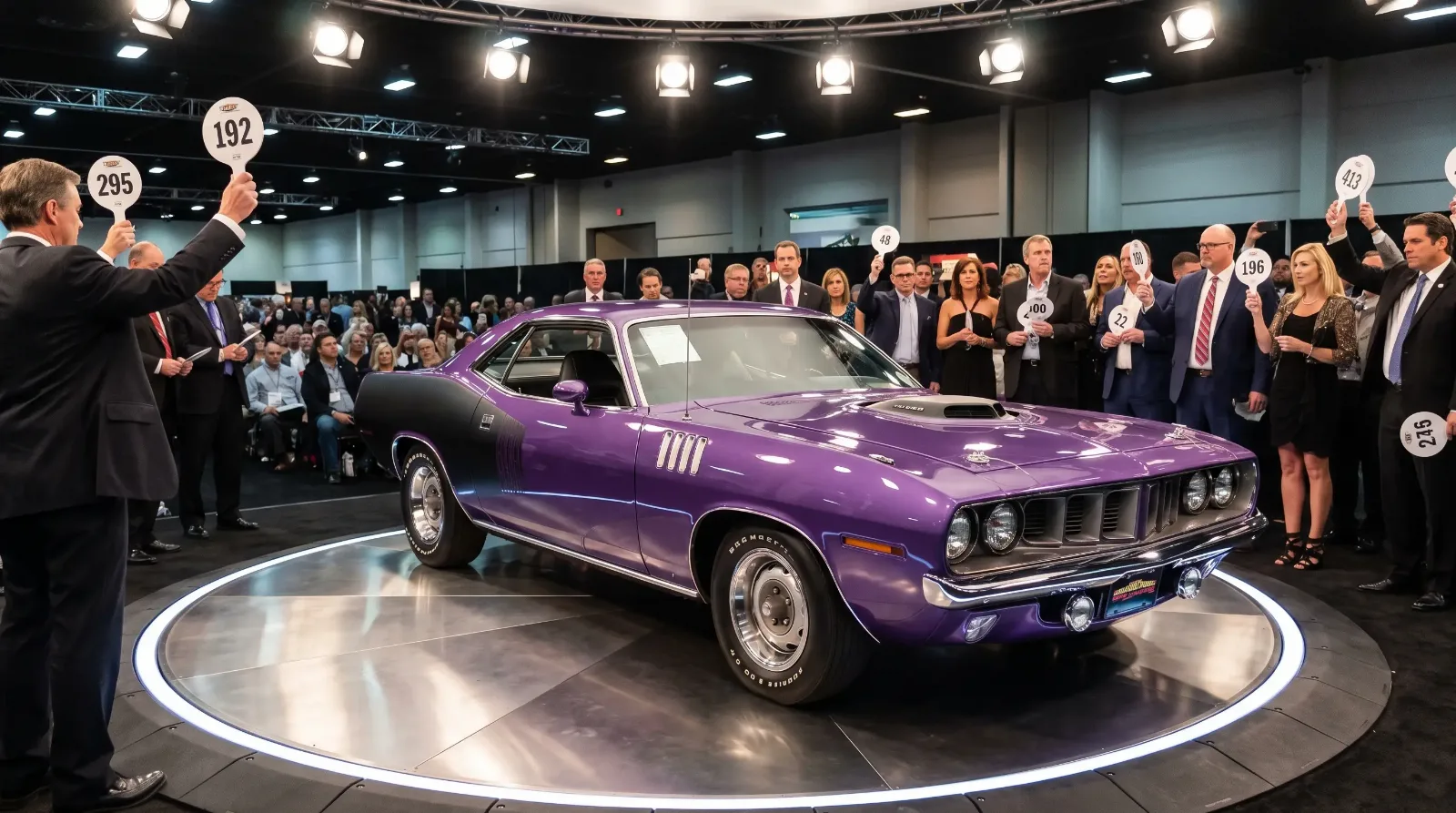
The market does not price cars in a straight line against production. It works in tiers. A car built in the hundreds of thousands is a commodity, valued mostly on condition. A car built in the low thousands starts to carry a scarcity premium if it is desirable. A car built in the dozens becomes an event, where a single sale sets the comp for the entire model. The value curve steepens sharply as the count drops, which is why the difference between 500 cars and 50 cars is far larger than the difference between 50,000 and 5,000.
Desirability is the multiplier on top of scarcity. Twenty examples of a car nobody wants is not worth twenty examples of a legendary one. The muscle era, covered in the American muscle era, produced plenty of low-production oddities that never developed a following. Scarcity only converts to money when demand is already there to meet it.
| Production tier | Typical count | How value is set |
|---|---|---|
| Mass production | 50,000+ | Condition and options drive price |
| Scarce desirable | ~1,000–10,000 | Scarcity premium if wanted |
| Rare | ~100–1,000 | Documentation becomes critical |
| Ultra-rare | Under ~100 | Single sales set the market |
Original production versus survivors
Factory production is the starting point, not the finish line. What the market actually responds to is how many good examples still exist. Muscle cars were cheap performance cars for most of their lives, driven hard, wrecked, drag-raced, and left to rust before anyone thought to preserve them. A model with a healthy original production number can have a thin population of clean, documented survivors, and that survivor count is what supports price. As an appraiser I want both figures, because the gap between them tells me how much attrition has already tightened supply.
This is also where documentation intersects with numbers. A low production figure only helps you if you can prove your specific car is one of them. The rarer the configuration, the more the paperwork is worth, because the downside of a wrong identification grows with the value at stake. Numbers and documentation are two halves of the same argument.
"Production numbers set the ceiling, survivors set the floor, and documentation decides where in that band your specific car lands. A rare car you cannot prove is rare is priced like a common one until the paper shows up."
Marcus Feld
Where buyers misread the numbers
The common mistake is treating a headline production figure as the whole story. Sellers quote the lowest sub-count they can find, engine plus body plus transmission plus color, to make a car sound rarer than it is. Slice any car finely enough and it becomes a one-of-few. The number that matters is the one tied to why people want the car, usually the engine and body combination, not an arbitrary color-and-axle-ratio split. Ask which count is being quoted and why it is the relevant one.
Options interact with production in ways that compound value, and the two are hard to separate cleanly. A rare car with rare options is scarcer still, and the premiums stack. To see how the option side of that equation works alongside the raw counts, read the full story on how factory options affect value.
Where the numbers come from and how reliable they are
Production figures are not all equally trustworthy, and an appraiser has to know the source behind a number before leaning on it. Some counts come from factory records that survived, some from marque registries built by dedicated researchers over decades, and some from estimates that got repeated so often they hardened into accepted fact. The Chevrolet and Ford figures are generally well documented. Certain Mopar sub-counts rest on registry work rather than a complete factory ledger, which means the precise number can shift as new cars and records surface.
This matters at the point of sale. A seller quoting a suspiciously exact figure for an obscure configuration is often citing a registry estimate as if it were a factory certainty. That does not make the car less real, but it means the scarcity claim carries more uncertainty than the confident number suggests. When the value rests heavily on a production count, I want to know who compiled it and how, because the strength of the number is part of the strength of the price.
Using production data as a buyer
Treat production figures as a tool, not a trophy. Verify the count from a credible source rather than the seller's flyer, understand whether it describes the whole model or a narrow sub-configuration, and weigh it against how many good examples actually survive. Then judge desirability honestly, because scarcity without demand is just a number on a spec sheet. Do that and the production figure becomes a reliable guide to whether a price is fair, rather than a marketing line you paid extra for. If you are on the selling side, Classic Cars Arena's guide to valuing your car shows where a production figure fits among the other inputs.
When you are ready to test these ideas against real cars, look at how sellers present production figures in the market and whether the claims hold up. You can discover classic muscle car listings and read each production claim through this framework before you decide what it is genuinely worth.
Related Reading
Have a
Classic Car
for Sale?
Reach thousands of serious classic car collectors across the US.
Sell It Here →
Are You a Classic Car Dealer?
List your full inventory and connect with targeted classic car buyers.
Join as a Dealer →

About the author
Marcus Feld
Accredited collector-car appraiser who reads the market through hammer prices, condition tiers and risk.

Comments
Be the first to comment on this article.