
Limited-production muscle cars are where scarcity gets deliberate. Some rare cars are accidents of low demand, but the ones collectors chase were built in small numbers on purpose, whether to homologate a race package, satisfy a dealer's special order, or offer an engine so expensive that few buyers ever ticked the box. Understanding how a car became limited tells you a lot about what it is worth, because not all low numbers mean the same thing in the market.
Market & Values
6 min read
Limited-Production Muscle Cars Explained
Limited-production muscle cars explained: homologation specials, COPO orders, and costly top engines, plus why documentation decides what the scarcity is worth.
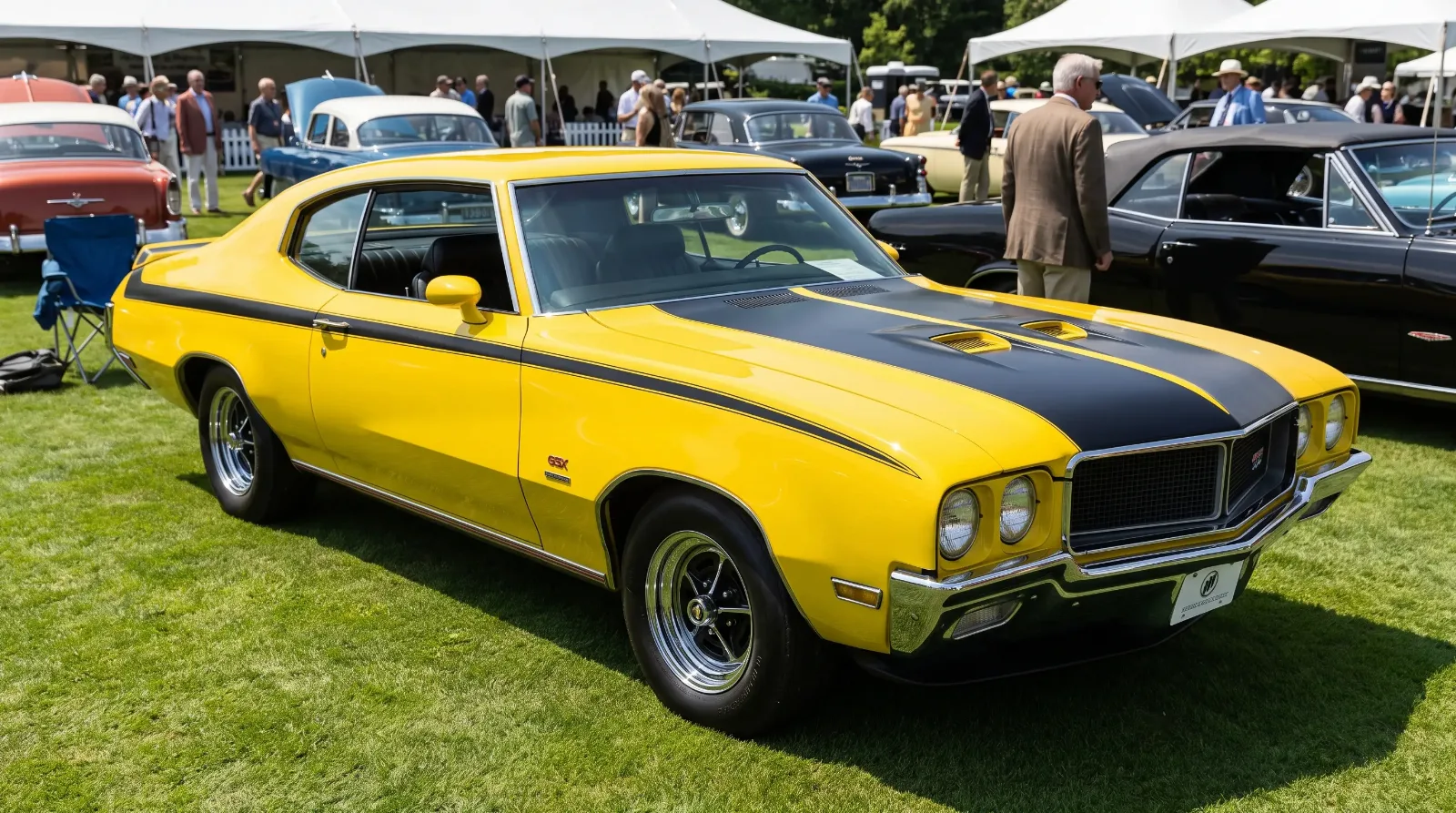
I sort these cars by why they are scarce, because the reason drives the value. A homologation special built to go racing is a different proposition from a trim that simply did not sell. If you want the foundation under all of this, our our muscle car values guide covers how scarcity feeds price, and this piece builds on it by breaking down the kinds of limited production that matter.
The three ways a muscle car became limited
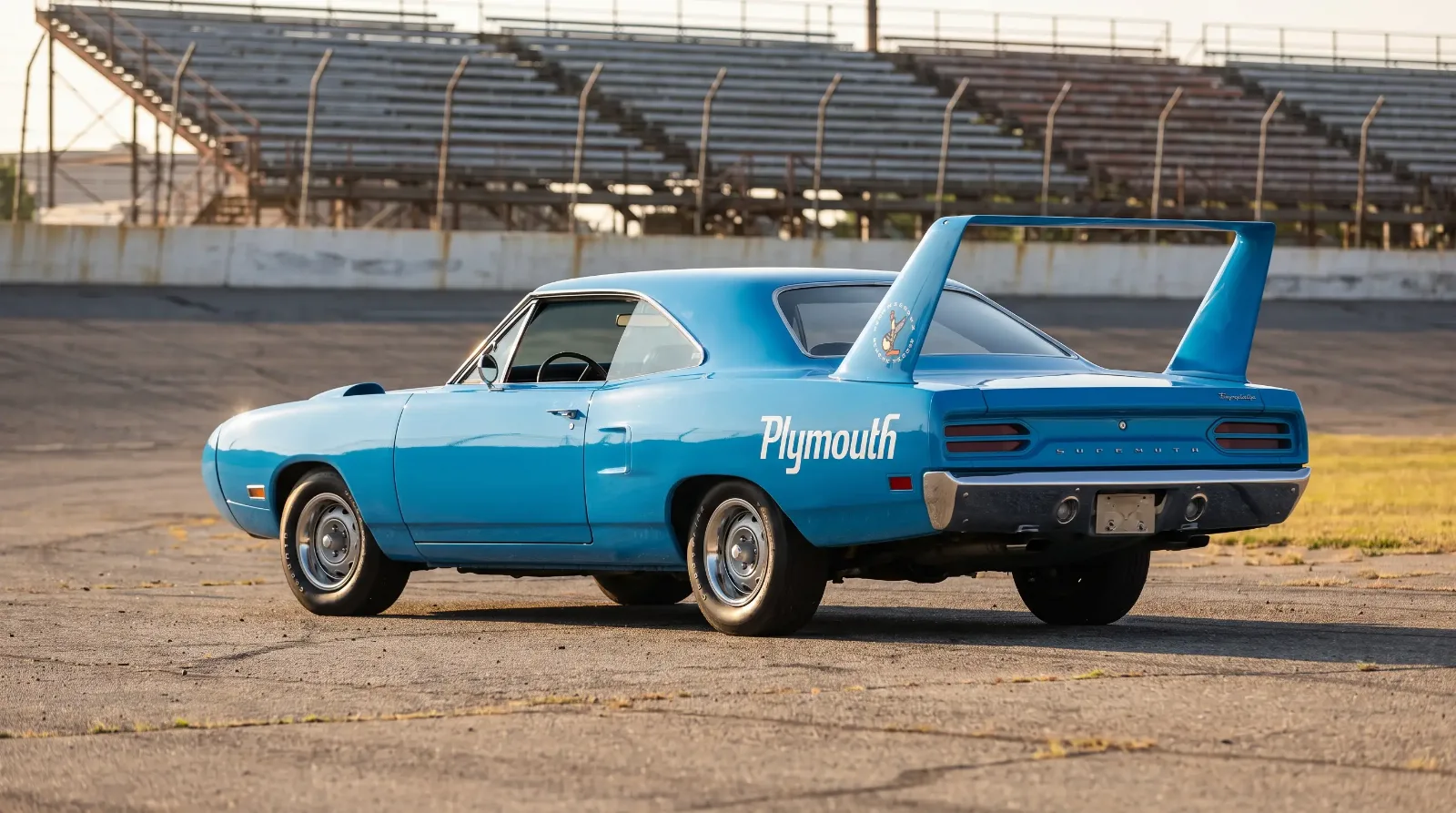
The first path is homologation. To race a package in NASCAR or drag classes, a manufacturer had to build a minimum number of street cars. The winged Mopars, the Charger Daytona and Superbird, exist because of this, and so do various aluminum-engine specials. These cars were limited by design, built only in the quantity the rulebook required, which is why their production counts are so precise and so low.
The second path is the dealer special-order and central-office system. Chevrolet's COPO program let dealers order cars the regular catalog did not list, dropping race engines into ordinary bodies. The take rate was tiny because most buyers never knew the codes existed. The third path is simply a very expensive option. The all-aluminum ZL1 engine nearly doubled the price of a Camaro, so almost nobody ordered it, and the resulting cars are among the rarest Chevrolets ever built.
Limited production versus true rarity
Limited production and rarity are related but not identical. A car can be limited to a few thousand units and still be common enough that you see one at every big show. Another can be limited to a few dozen and almost never appear for sale. The market cares most about the second kind, where the number is genuinely small and the survival rate is lower still. Attrition matters. A car built in small numbers fifty years ago is even scarcer today after decades of crashes, rust, and racing.
| Type of limited production | Why it was limited | Market effect |
|---|---|---|
| Homologation special | Built to meet racing minimums | Strong premium, motorsport story |
| COPO / central-office order | Off-catalog dealer performance order | High premium, needs documentation |
| Expensive top engine | Low take rate on costly option | Blue-chip, very scarce |
| Slow-selling trim | Weak demand when new | Little to no premium |
The homologation specials worth knowing
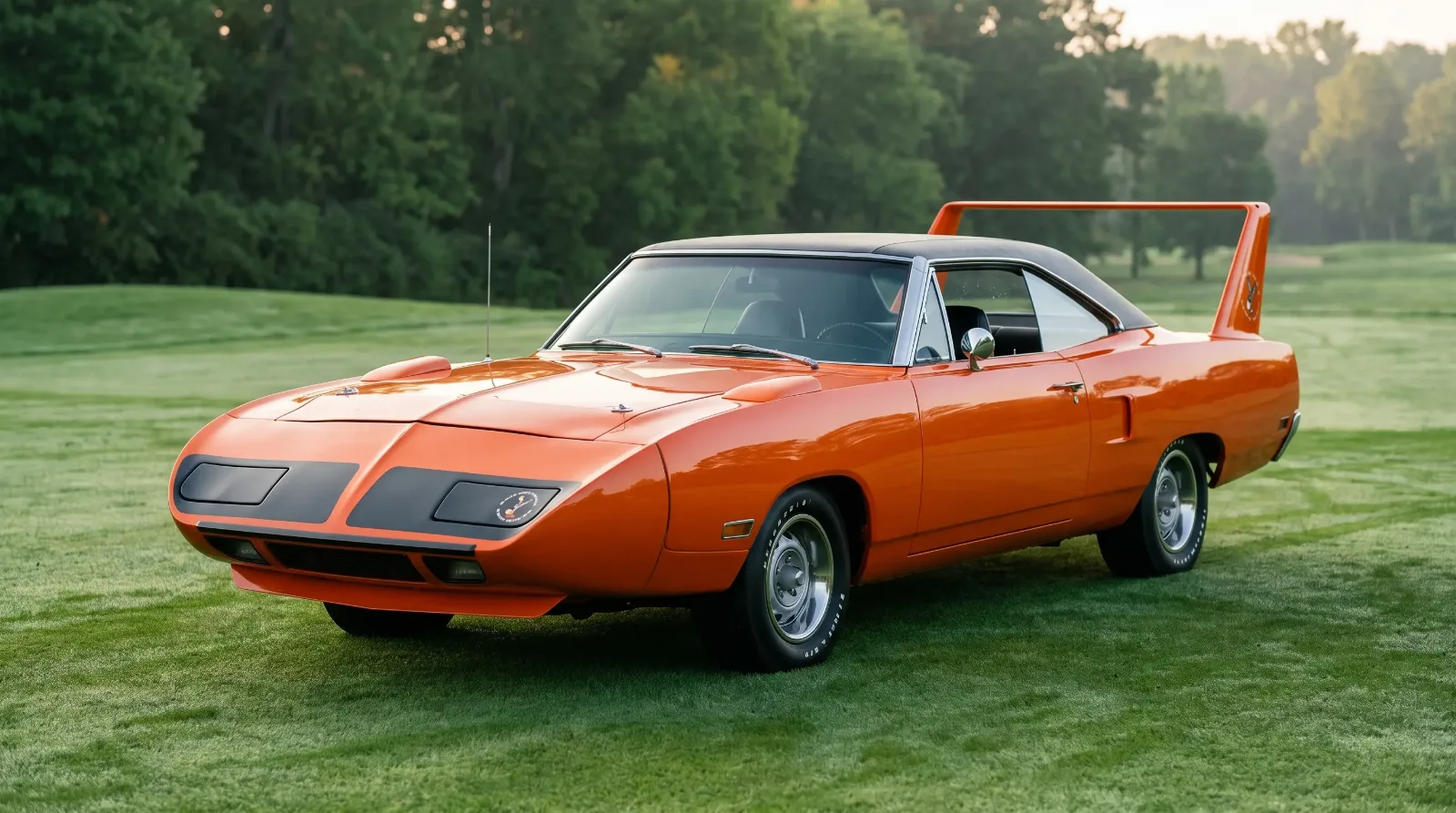
The homologation cars deserve their own attention, because they carry both scarcity and a motorsport reason to exist, and the market rewards that combination heavily. The winged Mopars are the obvious pair. The 1969 Charger Daytona and 1970 Superbird were built to make the cars legal for NASCAR's superspeedways, and the aero bodywork means every one is instantly recognizable. Total production of each was modest, and the Hemi versions inside those runs are a small fraction of an already limited count.
Ford's Boss 429 fits the same mold. It existed to homologate the big semi-hemi engine for stock car racing, and Ford hand-built the cars in limited numbers across two model years. These homologation specials tend to hold value well precisely because their scarcity is documented by the rulebook that required them. You can point to exactly why only so many exist, and a clear scarcity story is the kind the market trusts.
Compare that with a car limited only by weak sales and the difference in the market is stark. The homologation car has a narrative, a race history, and a reason collectors chase it. The slow-selling trim has a low number and nothing else pulling demand. Same scarcity on paper, completely different value, which is the whole point of sorting these cars by why they were limited rather than just how few were built.
Why documentation is everything here
The whole value of a limited-production car rests on proving it is what the seller says. A COPO car without its paperwork is a claim, not a fact, and the market discounts claims heavily. Broadcast sheets, build records, and the correct casting and stamped numbers are what turn a low production count into real money. On these cars I treat documentation as part of the drivetrain. Without it, you are buying a story, and stories do not appraise well.
"Limited production is only worth what you can prove. A genuine COPO car with the paperwork is a blue-chip asset. The same car with a good story and no records is a coin flip, and the market prices coin flips accordingly."
David Mercer
What limited production means for value
The premium tracks how deliberate and how small the run was. Homologation specials and off-catalog performance orders bring the strongest numbers, because they combine tiny production with a clear reason for existing. A slow-selling trim that happened to be rare brings little, because nobody was chasing it then or now. The sweet spot is a car that was limited on purpose, tied to performance or racing, and documented well enough to remove all doubt. That is the profile buyers compete for, and it is the profile that has held value across every market cycle I have tracked, because the reason for the scarcity never expires the way a styling trend does.
One more factor separates the winners. A limited-production car with a clear place in racing or model history carries a story that outlives its original buyers, and that narrative keeps demand alive as the generation that grew up with these cars ages. Scarcity plus a story the next generation still wants to own is what turns a low number into a durable asset rather than a fading curiosity.
Production counts are the backbone of all of this, and they interact with value in ways that are worth understanding on their own terms. To see exactly how the raw numbers translate into dollars, and why a difference of a few hundred cars can swing a price sharply, read the full story on how production numbers drive value.
Related Reading
Have a
Classic Car
for Sale?
Reach thousands of serious classic car collectors across the US.
Sell It Here →
Are You a Classic Car Dealer?
List your full inventory and connect with targeted classic car buyers.
Join as a Dealer →

About the author
David Mercer
Classic car market analyst with two decades of experience tracking collector car valuations, auction results, and investment trends.

Comments
Be the first to comment on this article.