
One-year-only muscle cars occupy a special spot in the collector market. When a specific engine, body style, or trim was offered for a single model year and never again, scarcity is baked in from the start. You cannot go find more of them, because the factory only made them for twelve months. That built-in ceiling on supply is exactly what the market rewards, and it is why a one-year car often trades at a premium over the very similar cars that came before or after it.
Market & Values
6 min read
One-Year-Only Muscle Cars
One-year-only muscle cars carry built-in scarcity. See which single-year engines and packages command a premium and how to verify a one-year car before buying.
I pay close attention to these cars because they behave predictably. A single-year run creates a clean scarcity story that buyers understand instantly, and clean stories move money. For the wider framing on how scarcity translates into price, there is more on muscle car values worth reading, but the one-year phenomenon deserves its own look.
Why a single model year matters
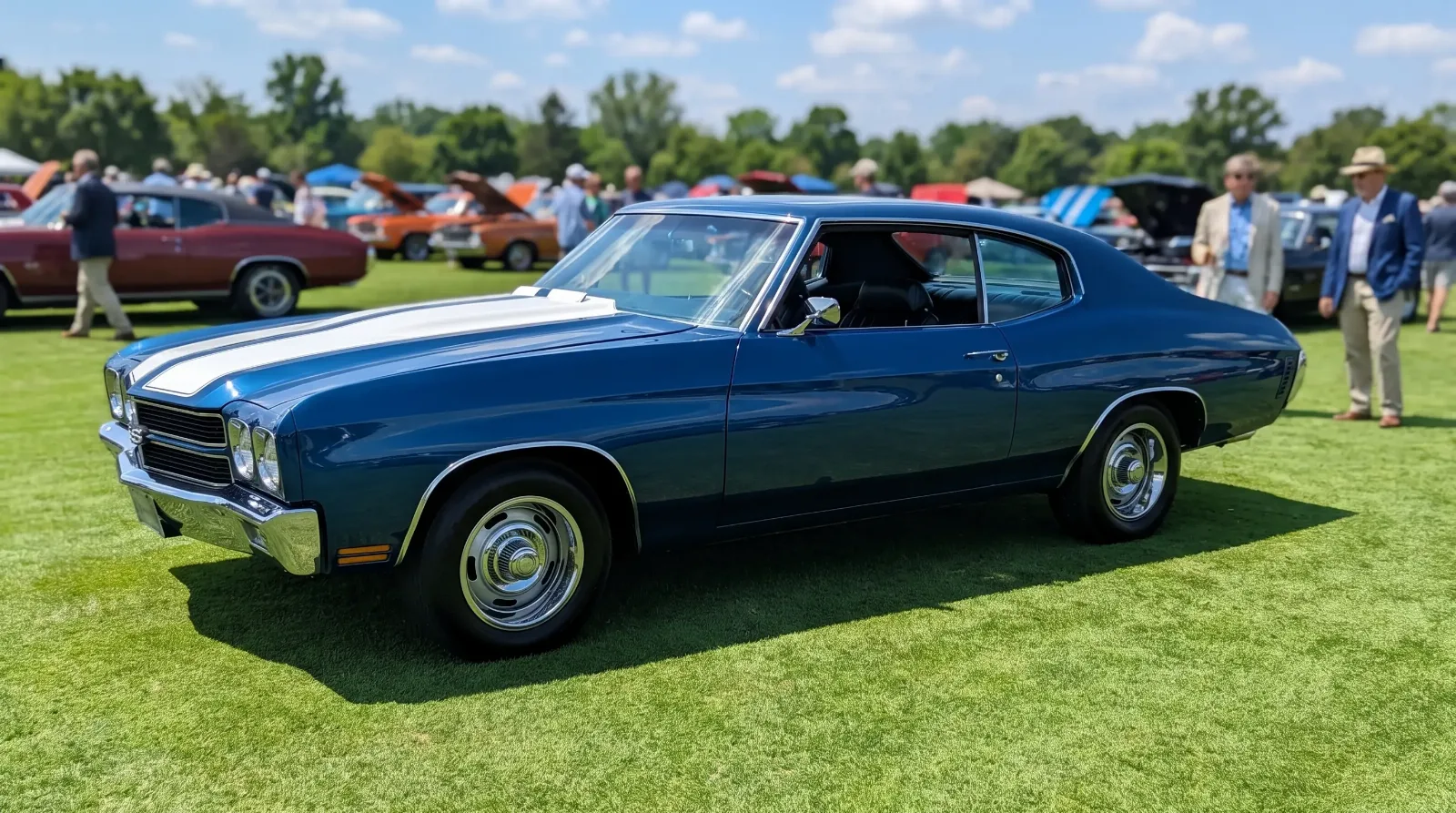
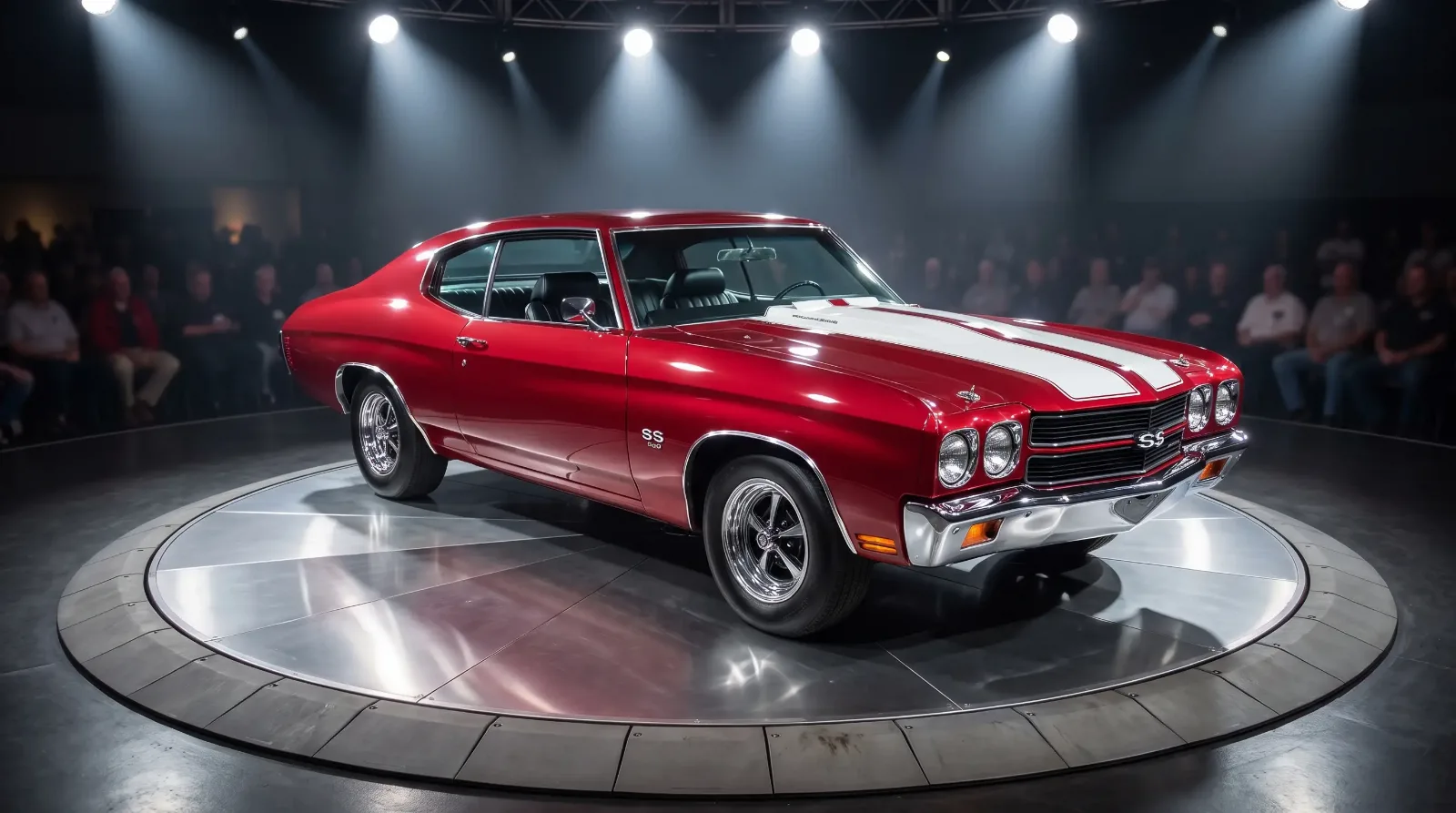
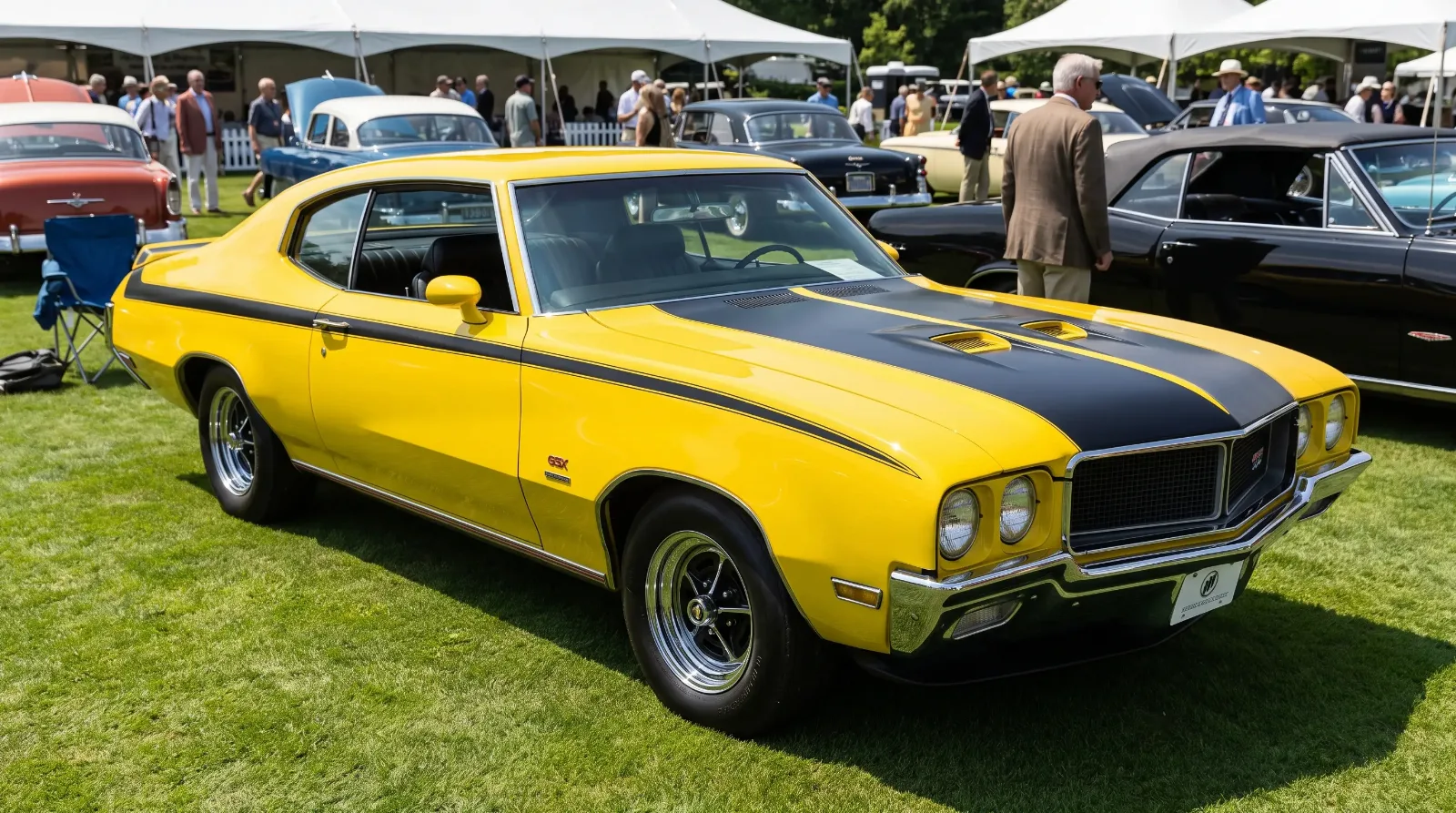
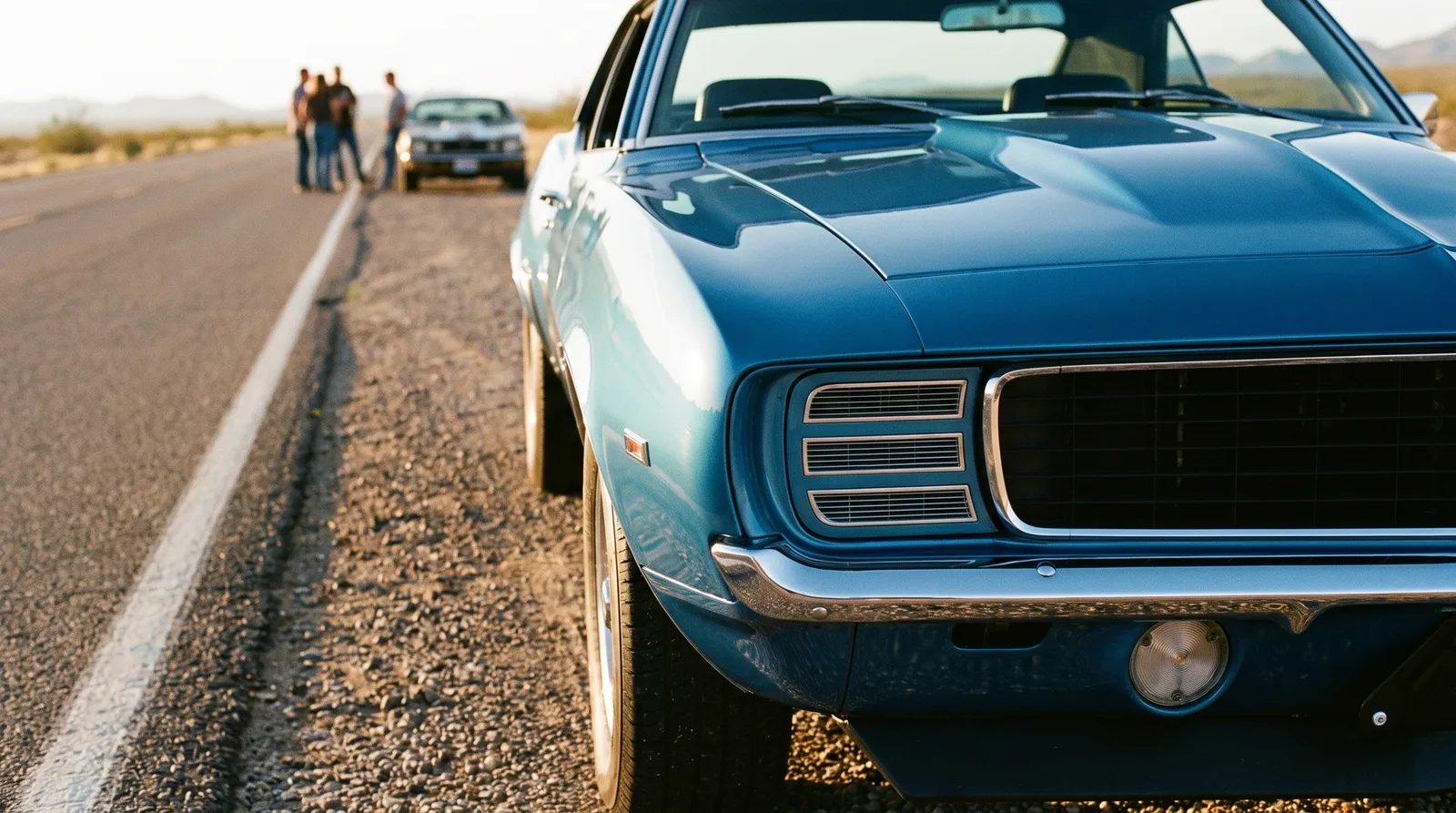
Muscle cars changed constantly. Engines came and went with emissions rules and insurance pressure, styling got refreshed on short cycles, and options appeared and vanished based on take rates. That churn produced a surprising number of one-year-only configurations. The 1970 Chevelle LS6 is the classic example, the 450-horsepower 454 was cataloged for that single year, and it sits at the top of the Chevelle market partly because of it. The 1969 Camaro's first-generation styling in its final form is another car buyers chase for its single-year identity.
A one-year car also tends to represent a peak. Often the single year is the high-water mark before regulations pulled compression and power down. That makes the car both scarce and the best version of its kind, which is a powerful combination. When scarcity and desirability point the same direction, the premium holds up well over time.
Examples that carry a premium
The list of significant one-year cars runs across every brand. Some are defined by an engine offered for a single season, others by a body or styling change that lasted one year before a redesign. The table below gathers a few well-known examples and what makes each a one-year proposition.
| Car | Model year | What made it one-year-only |
|---|---|---|
| Chevrolet Chevelle LS6 454 | 1970 | 450 hp LS6 cataloged for a single year |
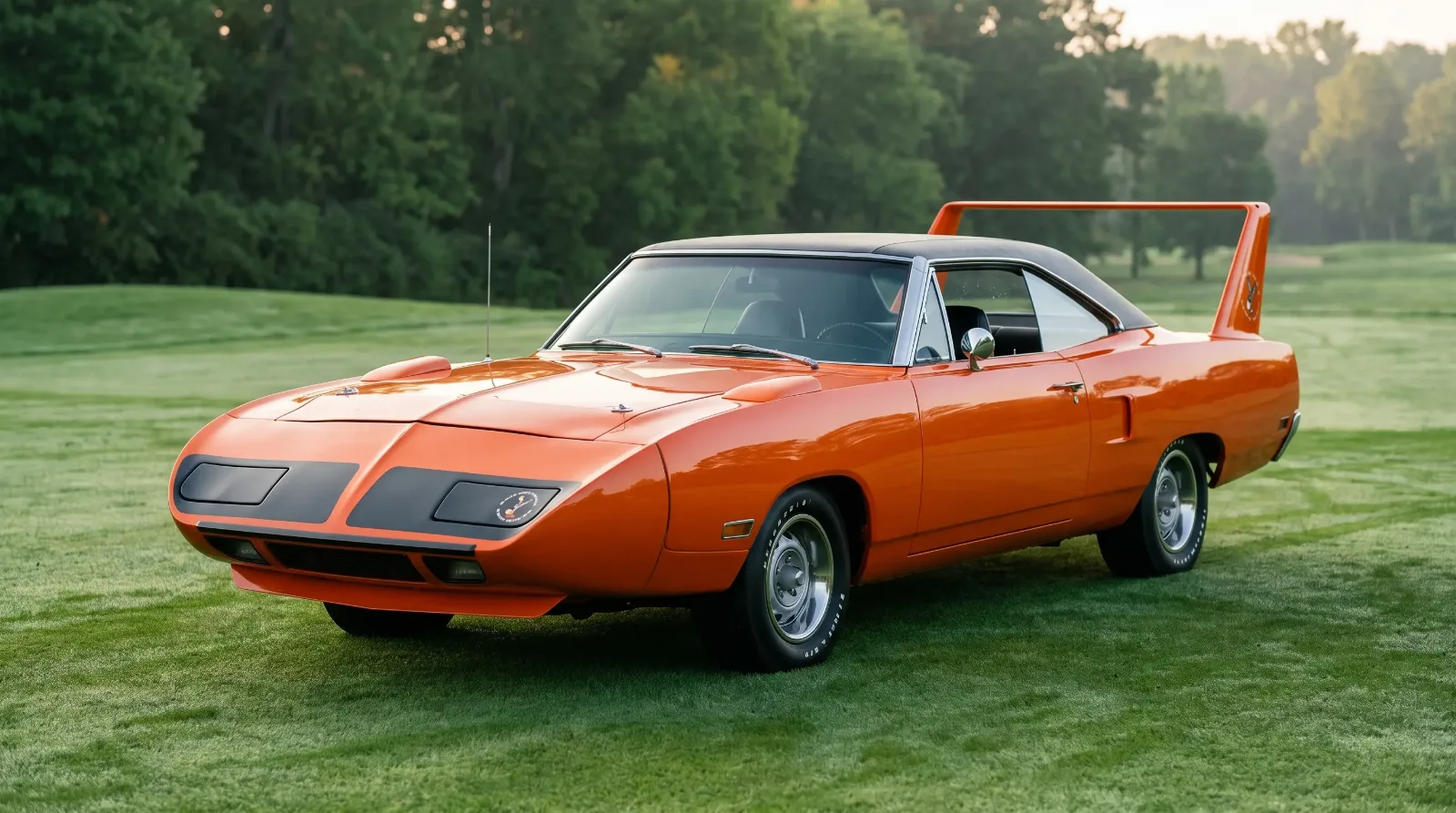
| Plymouth Superbird | 1970 | Winged aero body built for one season |
| Dodge Charger Daytona | 1969 | Aero package offered a single year |
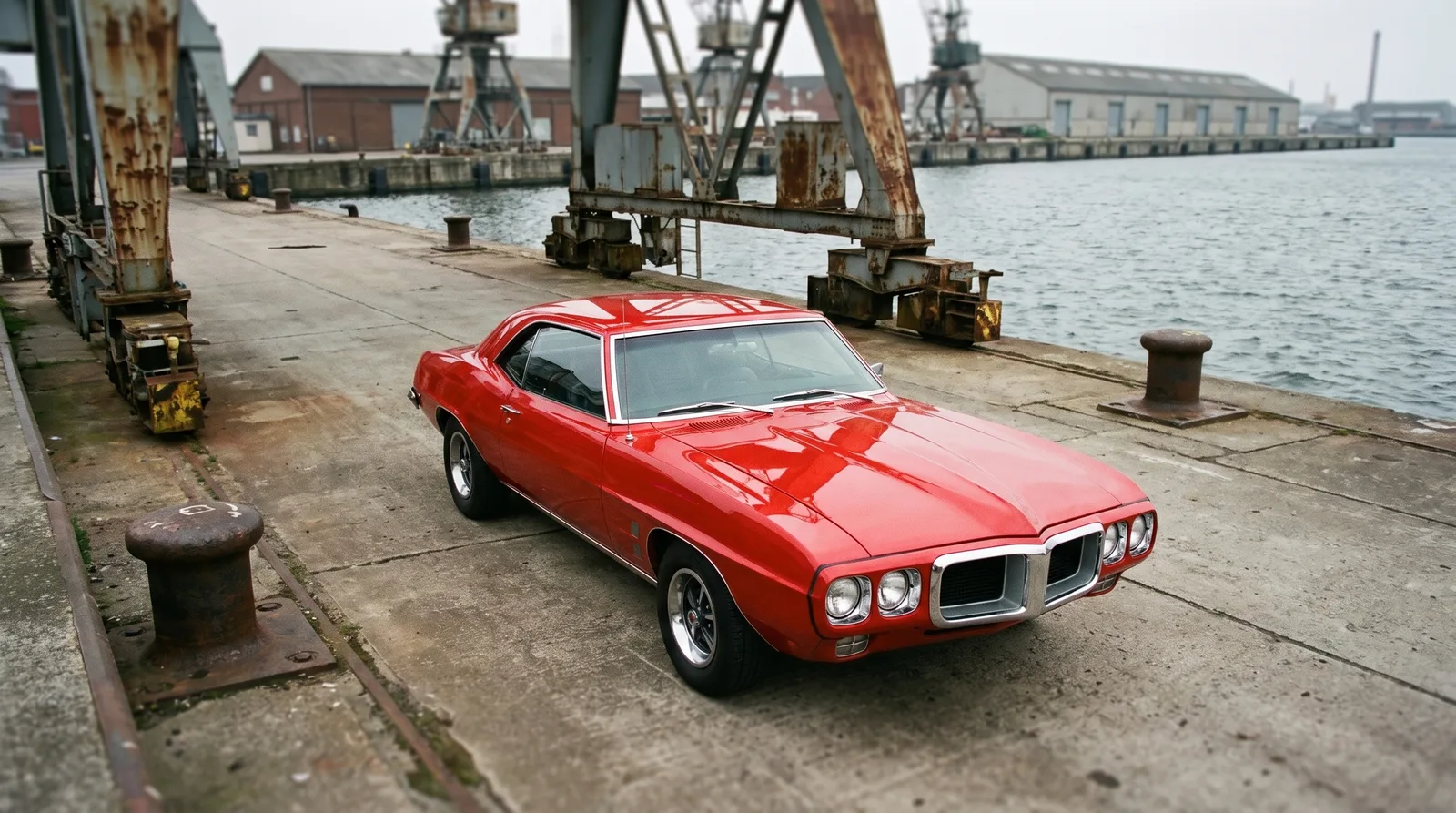
| Pontiac GTO Judge (as launched) | 1969 | Debut-year package before revisions |
Not every one-year car is valuable. Some single-year trims were dropped because nobody bought them, and low demand then usually means low demand now. The premium shows up when the one-year status attaches to a desirable car, a top engine, a landmark styling year, or a famous limited package. Scarcity without desirability is just an odd footnote.
What one-year status is worth
The premium varies. On a landmark car like the LS6 Chevelle, single-year status is one reason the car sits at the top of its family and trades far above the surrounding years. On lesser cars, the one-year label adds a modest bump, maybe enough to break a tie between two comparable examples. As a rule, the premium is largest where the one-year configuration is also the most powerful or most iconic version of the model.
"One-year-only is a scarcity story buyers grasp immediately, and that clarity is worth money. But the label only pays when the car underneath it is one people actually want. Rare and dull still sells like dull."
David Mercer
How one-year cars hold value over time
One-year cars tend to be steady performers rather than wild swingers. Because the scarcity is fixed and easy to explain, the market rarely loses faith in it the way it might reconsider a car whose appeal was mostly fashion. When the broader muscle market cooled after 2008, the landmark one-year cars held their footing better than the ordinary big-block cars around them, and they were among the first to recover when the top of the market firmed up again. Fixed supply gives a car a floor that fashion cannot.
That stability is worth something to a buyer thinking past next year. A one-year car with real documentation is a known quantity. You are not betting on a trend, you are buying a scarcity that the factory locked in for good decades ago. The premium you pay is essentially insurance against the supply ever growing, and on the right car that insurance has proven reliable over multiple market cycles.
The caution is that the premium is already priced in on the famous cars. You will not find a bargain LS6 Chevelle hiding in plain sight, because everyone knows the story. The opportunity, when it exists, is in the lesser-known one-year configurations that have not yet been fully recognized, where the scarcity is real but the market has not caught up to it. Those take homework to find, which is exactly why they are still reasonably priced.
How to buy a one-year car
Treat the one-year claim as something to verify, not accept. Get the factory documentation that proves the specific configuration, and confirm the engine and body codes match a genuine single-year build. The scarcity that makes these cars valuable also makes them worth faking, so authentication protects your money. Once you have confirmed it is real, the one-year status becomes a durable part of the car's value that does not fade with fashion.
One-year cars sit close to the broader world of limited runs and special packages, where the same scarcity logic applies at a larger scale. If you want to see how factory-limited production works across a full season rather than a single trim, read the full story on limited-production muscle and compare how the two forms of scarcity price out.
Related Reading
Have a
Classic Car
for Sale?
Reach thousands of serious classic car collectors across the US.
Sell It Here →
Are You a Classic Car Dealer?
List your full inventory and connect with targeted classic car buyers.
Join as a Dealer →

About the author
David Mercer
Classic car market analyst with two decades of experience tracking collector car valuations, auction results, and investment trends.

Comments
Be the first to comment on this article.