
The most expensive muscle cars sold at auction are a small club, and the entry price keeps moving. When a car crosses the block in the seven-figure range, it is almost never just a fast car. It is a rare configuration with airtight documentation, strong provenance, and the kind of condition that survives close inspection under bright lights. Strip any one of those away and the number comes down fast. I appraise these cars for insurance and for buyers, and the record sales all share the same DNA.
Market & Values
6 min read
The Most Expensive Muscle Cars Ever Sold at Auction
The most expensive muscle cars at auction and why they command seven figures: rarity, documentation, and provenance behind the record Hemi and big-block sales.
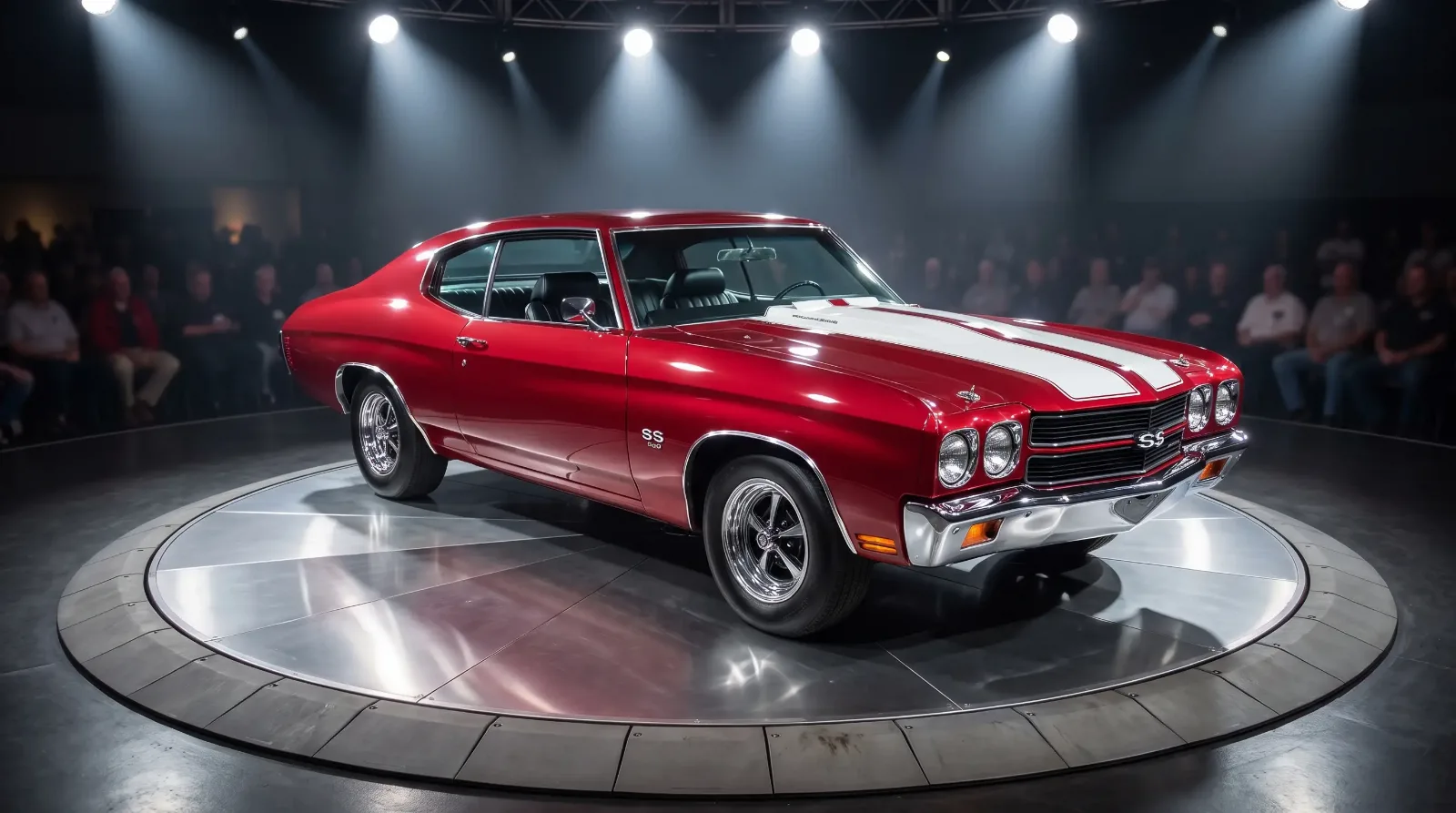
I want to be careful with figures here, because auction results get repeated, inflated, and misremembered constantly. The numbers below are stated as approximate ranges, and the true record for any given model should be confirmed against the auction house's own posted result before anyone relies on it. Reputable data from our rarity and values coverage and the major houses is worth more than a forum's memory of a sale.
The cars that break records
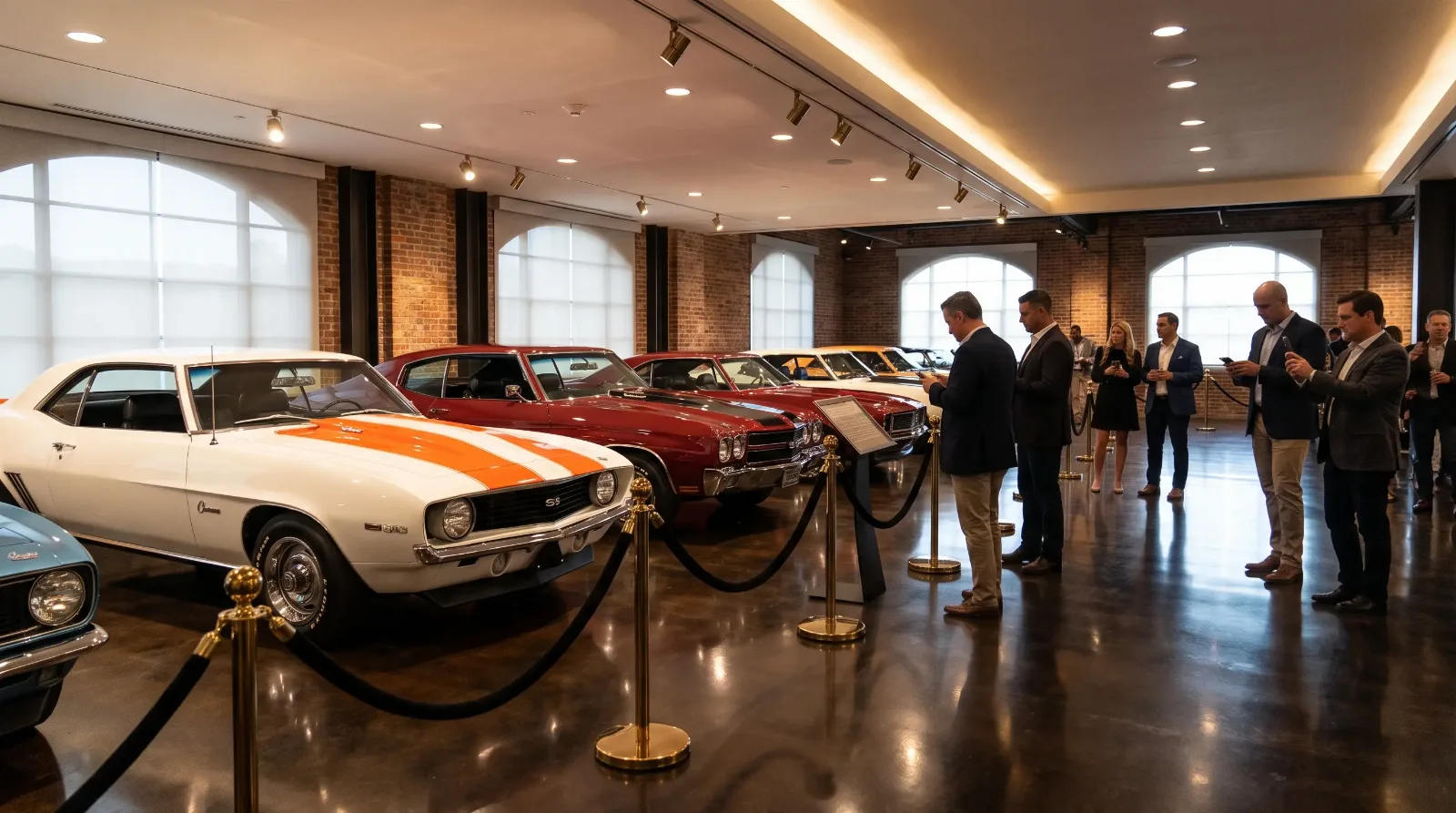
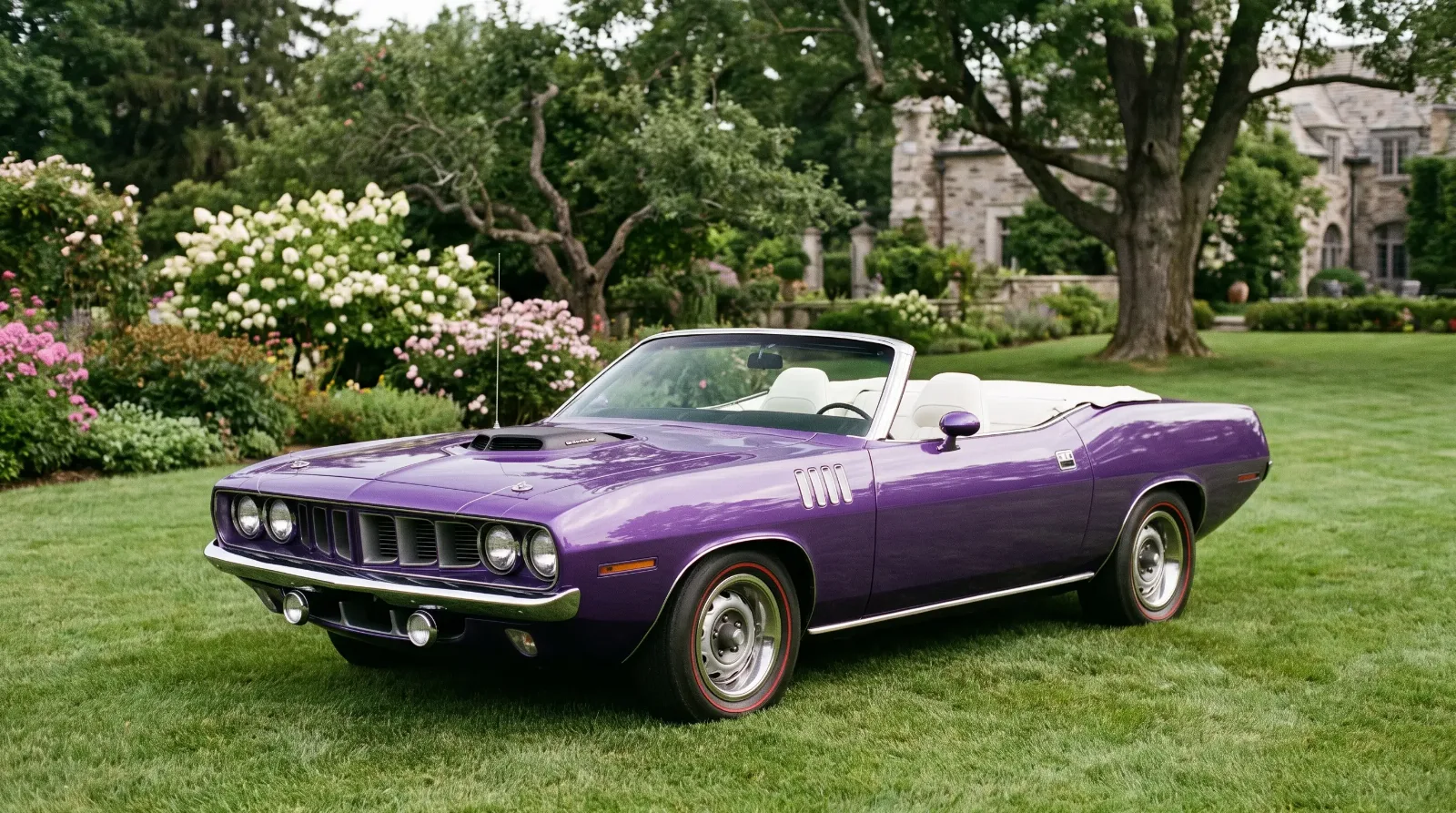
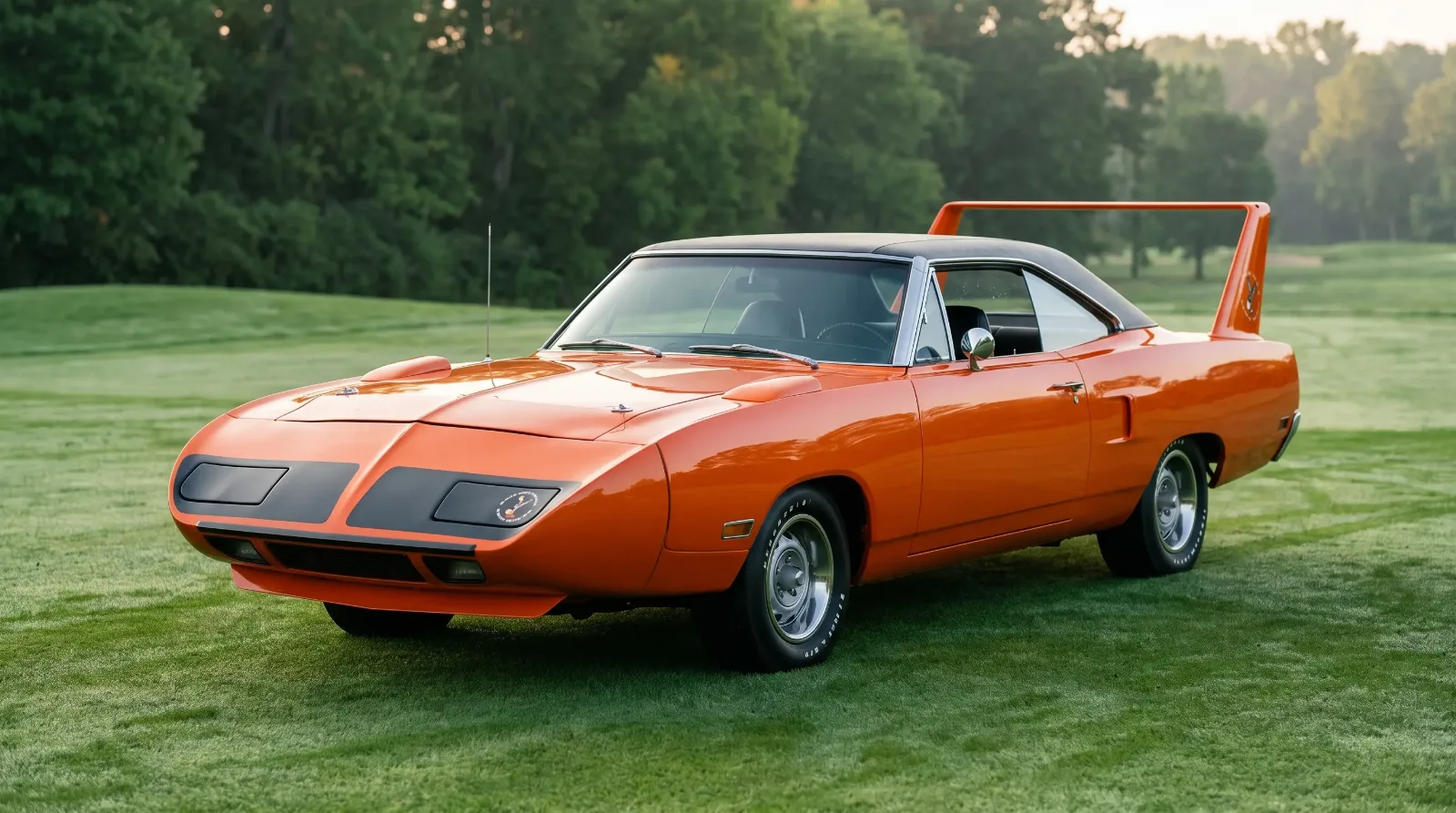
The 1971 Hemi Cuda convertible is the name that sits at the top of most conversations, with public sales reported in the multi-million-dollar range, roughly $3.5 million and up for the strongest documented cars. The 1970 Chevelle LS6, the 1969 Camaro ZL1, and the aero Mopars, the Charger Daytona and Superbird in Hemi form, round out the group that consistently reaches the highest tier. What links them is not brand loyalty. It is that each is a low-production, top-engine car with a story a buyer can verify.
These cars did not become expensive by accident. They were significant when new, they are scarce now, and the surviving examples with paperwork are fewer still. The muscle era produced millions of cars, and only a thin slice reaches these numbers. For the background on why this handful matters, the complete muscle car story covers the era that produced them.
| Car | Approx. top public result | Confidence |
|---|---|---|
| 1971 Hemi Cuda convertible | ~$3.5M+ | Confirmed record |
| 1970 Chevelle LS6 | Mid-six figures to ~$1M+ | Varies by example |
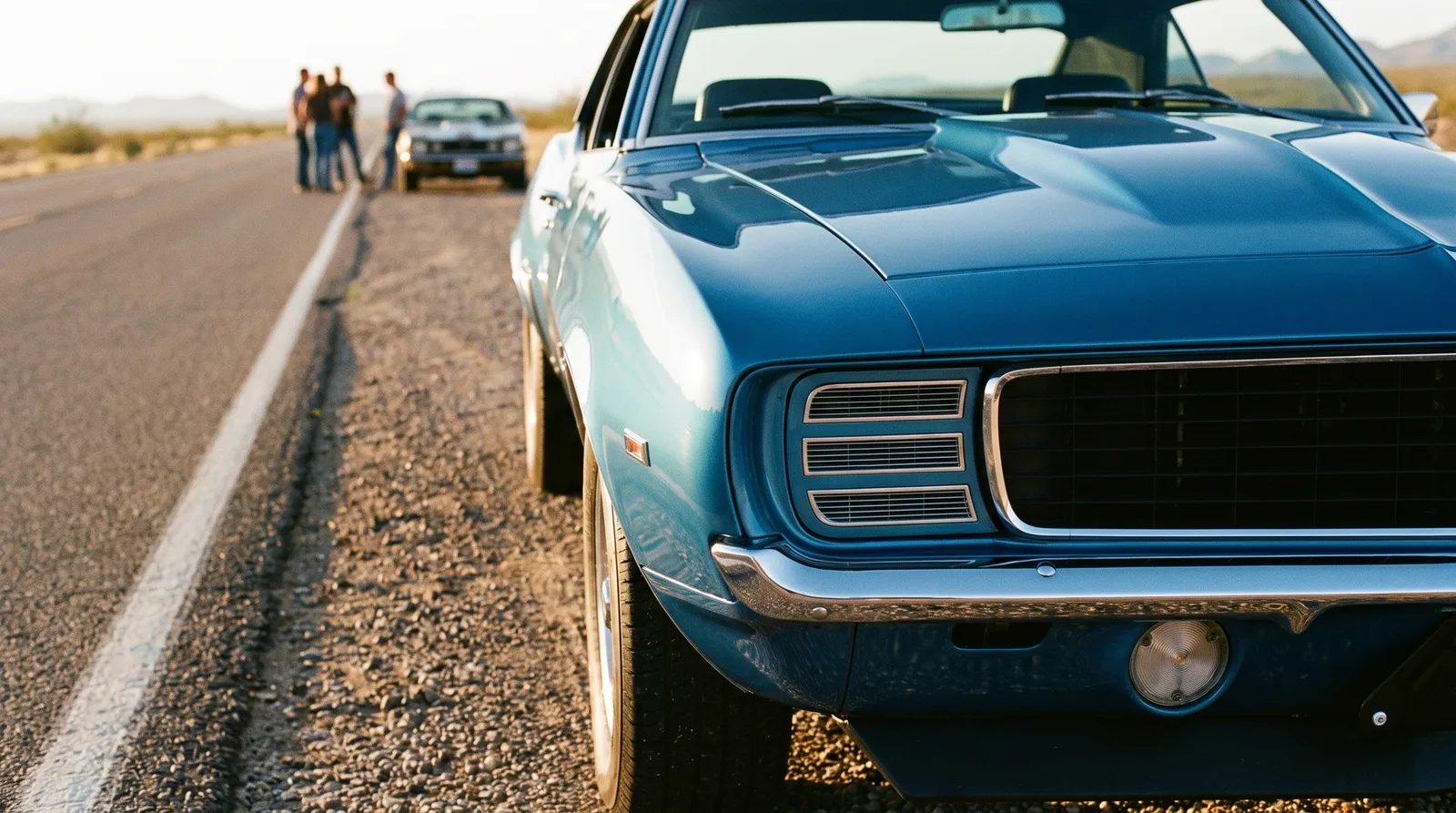
| 1969 Camaro ZL1 | ~$500K–$1M+ | Varies by example |
| 1970 Plymouth Superbird Hemi | High six figures+ | Varies by example |
What separates a record car from a good one
Two cars of the same model and year can be a million dollars apart. The difference is rarely visible from ten feet. It comes down to documentation depth, originality, and how the market read that specific example on that specific day. A broadcast sheet, the fender tag, matching casting numbers, and a clean ownership history turn a good car into a record car. Without them, the same shell is a very nice driver with a discount attached.
Condition matters, but documentation matters more at this level. A concours restoration on an undocumented car will not reach the number a well-preserved documented car will. Buyers at the top are not paying for shine. They are paying for certainty, and certainty comes from paper. As an appraiser, I weight provenance heavily, because it is the part that holds value when the market softens.
"A record price is a documented car meeting two determined bidders on a good night. Remove the documentation or one of the bidders and you have a strong sale, not a record. The paper is what makes the number defensible."
Marcus Feld
Reading auction numbers without getting fooled
The published figure is not always what it seems. A no-sale that reached a high bid gets quoted as if it were a completed transaction. A private post-block deal at a lower number gets reported at the reserve. And the buyer's premium inflates the headline above the actual hammer. When I evaluate comps, I want the house's official result, the sale date, and confirmation the car actually changed hands. One outlier sale does not set a market, and a single soft result does not sink one.
Brand also skews the top. Mopar Hemi cars generally lead the highest results, which reflects both extreme scarcity and a devoted collector base. That is not an accident of taste. It is scarcity meeting demand at the thin end of supply. The Chevrolet and Ford records are strong, but the very top of the muscle market has leaned Mopar for years.
Where the auction stage itself adds value
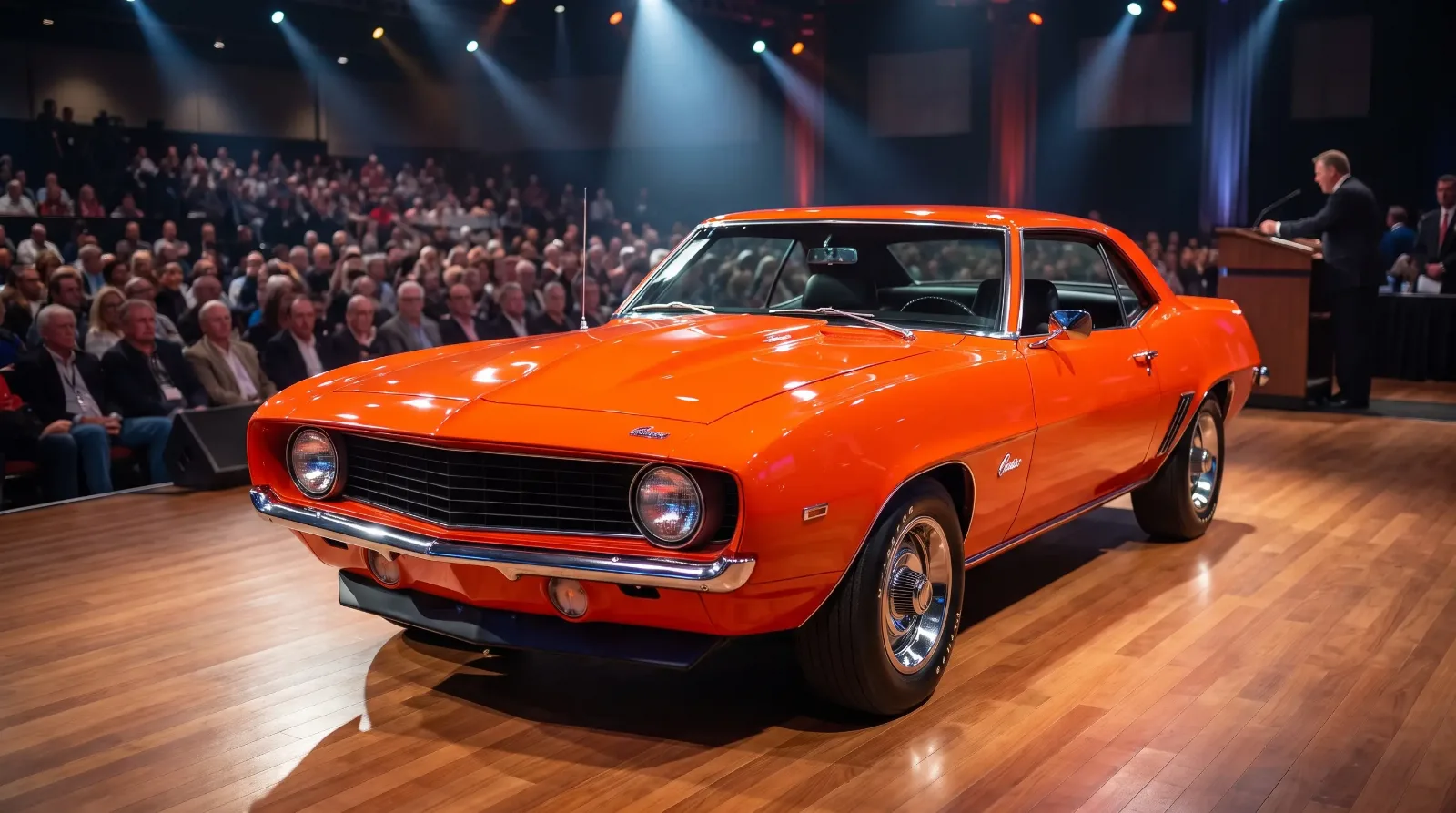
The venue matters more than buyers assume. A car that sells at a marquee January sale in Scottsdale in front of a packed room and a television audience often brings more than the identical car sold quietly midweek at a smaller event. The room, the catalog description, the marketing, and the presence of two well-funded bidders all feed the final number. As an appraiser I discount a single strong result achieved under ideal conditions, because it may not repeat on a Tuesday afternoon somewhere else.
Presentation compounds this. A record car arrives with its documentation displayed, a detailed catalog history, and often a known ownership chain that the house has already vetted. That preparation removes buyer hesitation at exactly the moment hesitation costs money. The same car, poorly presented with thin paperwork, leaves bidders guessing, and guessing bidders bid conservatively. Part of what a top result reflects is simply that the seller did the work to make the car easy to buy with confidence. That preparation is the part of the process a consignor actually controls.
None of this changes the fundamentals. A common car cannot be marketed into a record. But between two genuinely rare, documented cars, the one sold on the bigger stage with the better preparation will usually post the stronger number, and that is worth remembering when you read a headline sale and try to apply it to a car you are considering.
What it means for the rest of the market
Record sales matter to ordinary buyers because they set the tone for everything below. When a Hemi convertible brings a headline number, it lifts sentiment across the segment, even for cars that will never see six figures. The halo is real, though it fades as you move down the ladder. A record does not make your driver-grade car worth more overnight, but it does keep the top of the market confident, and confidence at the top slowly pulls the middle along.
If you want to understand why certain cars reach these heights while near-identical ones do not, look at scarcity and timing together. The read the full story on the Chevelle side shows how a single model can span from affordable to record-setting, and the read the full story on one-year-only cars explains why a single model year can carry a premium the surrounding years never touch.
Related Reading
Have a
Classic Car
for Sale?
Reach thousands of serious classic car collectors across the US.
Sell It Here →
Are You a Classic Car Dealer?
List your full inventory and connect with targeted classic car buyers.
Join as a Dealer →

About the author
Marcus Feld
Accredited collector-car appraiser who reads the market through hammer prices, condition tiers and risk.

Comments
Be the first to comment on this article.